
Minimum Investment Cost Analysis for Liming Heavy Industry Medium-Speed Coal Mills
We provide a wide range of mills — including Raymond mill, trapezoidal mill, vertical mill, ultrafine mill, and ball mill, obtained ISO9001 international quality certification, EU CE certification, and Customs Union CU-TR certification. Suitable for processing minerals such as limestone, phosphate, quicklime, kaolin, talc, barite, bentonite, calcium carbonate, dolomite, coal, gypsum, clay, carbon black, slag, cement raw materials, cement clinker, and more.
The discharge range of these mills can be adjusted to meet specific processing needs, typically from 80-400 mesh, 600-3250 mesh, and can achieve the finest particle size of up to 6000 mesh(D50).
If you are looking for a reliable grinding solution to turn stone or minerals into fine powder, please feel free to contact our online customer service.
Minimum Investment Cost Analysis for Liming Heavy Industry Medium-Speed Coal Mills
In today’s competitive industrial landscape, optimizing capital expenditure while maintaining operational efficiency is paramount for any enterprise involved in mineral processing or power generation. For operations requiring coal pulverization, the selection of a medium-speed coal mill is a critical decision that significantly impacts both initial investment and long-term operational costs. This analysis delves into the key factors influencing investment decisions and highlights technologically advanced solutions that offer superior return on investment.
Understanding the Total Cost of Ownership
The initial purchase price of a grinding mill is merely one component of its total cost. A comprehensive Minimum Investment Cost Analysis must consider several interconnected factors:
- Equipment Acquisition Cost: The upfront capital required for the mill and its auxiliary systems.
- Installation & Foundation Costs: Expenses related to site preparation, civil works, and assembly.
- Energy Consumption: The ongoing cost of electricity, which is often the largest operational expense.
- Maintenance & Spare Parts: Costs associated with routine upkeep, wear part replacement, and unexpected repairs.
- Operational Labor: The manpower required to run and monitor the equipment.
- Environmental Compliance: Investments in dust collection, noise suppression, and other systems to meet regulatory standards.
- Production Downtime: The lost revenue and productivity during maintenance or breakdowns.
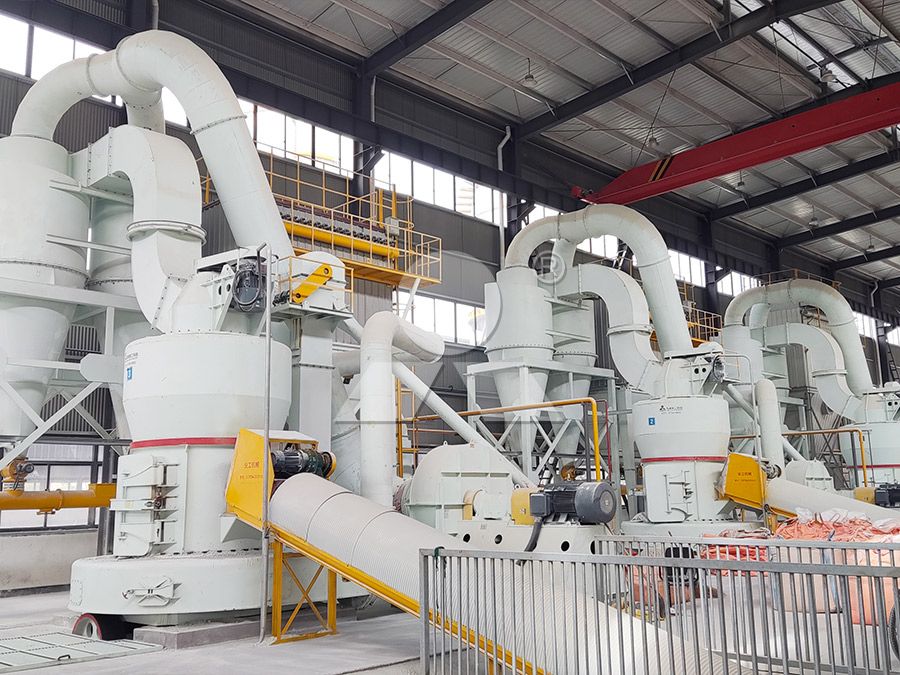
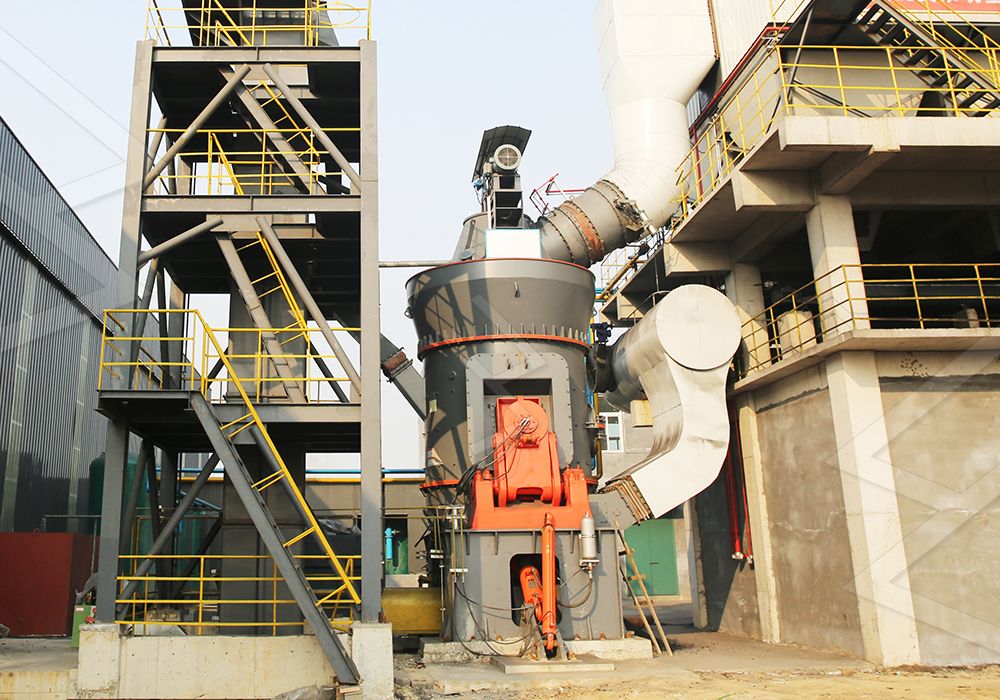
The Liming Heavy Industry Advantage: The LM Vertical Coal Mill
After evaluating the broader market, Liming Heavy Industry’s LM Vertical Coal Mill emerges as a standout solution for minimizing total investment cost. This isn’t just another mill; it’s an integrated system engineered for efficiency and reliability.
The LM Vertical Mill integrates multiple processes—crushing, drying, grinding, classifying, and conveying—into a single, compact unit. This integration alone slashes the initial investment by reducing the need for separate equipment and simplifying the plant layout. Its footprint is approximately 50% smaller than traditional ball mill systems, drastically cutting down on construction and foundation costs. Furthermore, its design allows for outdoor installation, offering additional savings on building expenses.
Where the LM Vertical Coal Mill truly excels is in its operational economy. It consumes 30%-40% less energy compared to ball mills, a saving that compounds significantly over the mill’s lifespan. Its innovative design features, such as a limit device preventing direct roller-to-table contact and a hydraulic roller turn-out system, ensure operational stability and drastically reduce maintenance time. Wear parts are easily accessible and replaceable, minimizing costly downtime. The entire system operates under negative pressure, inherently containing dust and meeting stringent environmental standards without requiring excessive additional investment in filtration systems.
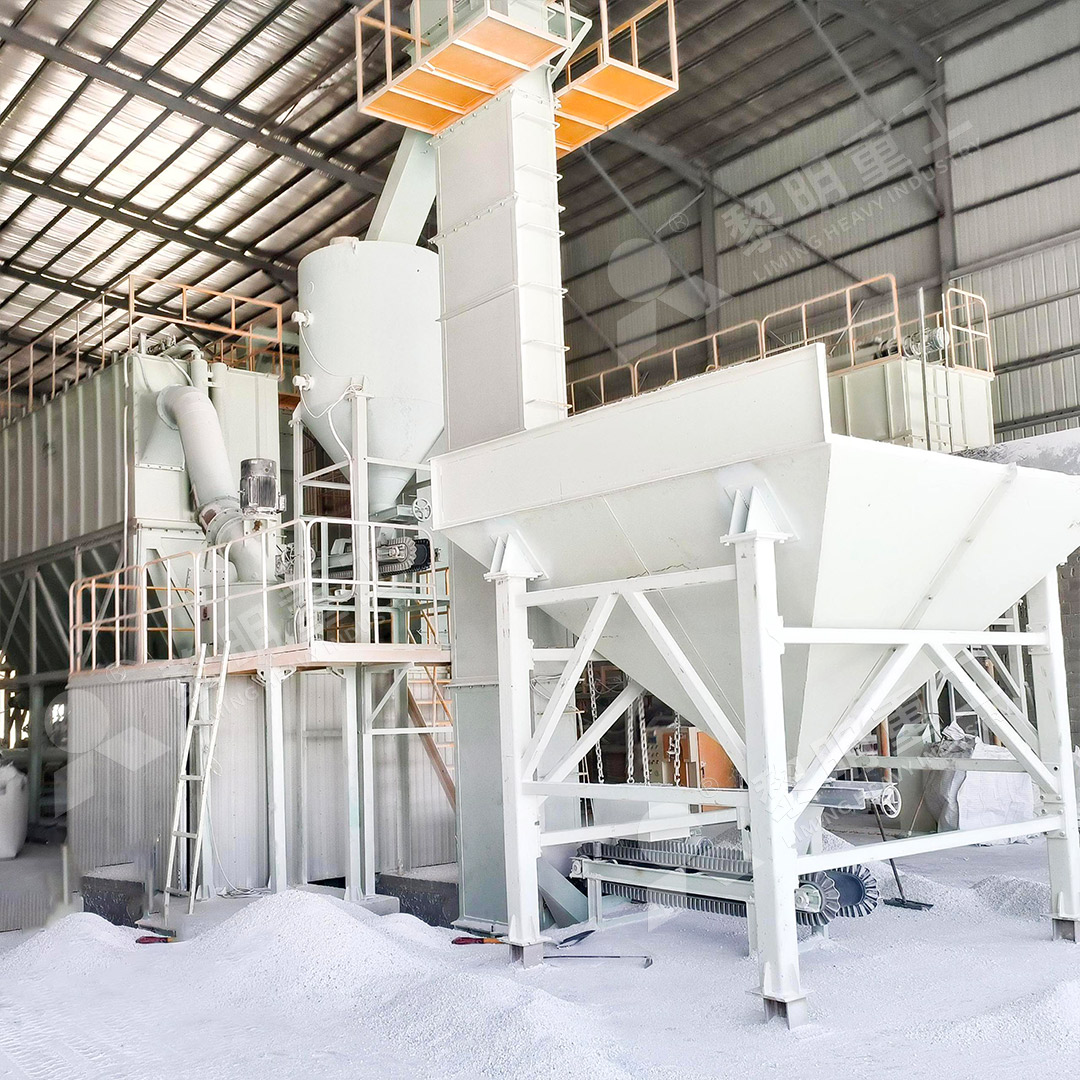
A High-Precision Alternative: The MW Ultrafine Grinding Mill
For applications demanding ultra-fine coal powder (325-2500 meshes), Liming’s MW Ultrafine Grinding Mill presents a compelling, cost-effective option. This machine is designed for customers who need to make ultra-fine powder with higher yielding and lower energy consumption. It boasts a production capacity 40% higher than jet mills and double that of ball mills for the same power input, while its system energy consumption is a mere 30% of a jet mill’s.
Its maintenance-friendly design is a major cost-saver. The absence of rolling bearings and screws in the grinding chamber eliminates common failure points and concerns about loose components causing catastrophic damage. External lubrication allows for maintenance without shutdowns, supporting continuous 24/7 production and maximizing asset utilization. Equipped with an efficient pulse dust collector and muffler, it operates cleanly and quietly, ensuring compliance and reducing the need for additional environmental mitigation investments.
Conclusion: Strategic Investment for Long-Term Value
A savvy investment in coal milling technology is not about finding the cheapest sticker price. It’s about selecting a system engineered to minimize the total cost of ownership. Liming Heavy Industry’s mills, particularly the LM Vertical Coal Mill for general applications and the MW Ultrafine Grinding Mill for specialized fine-powder needs, are designed with this precise philosophy. They offer a powerful combination of lower initial capital outlay, radically reduced operating expenses, minimal maintenance requirements, and inherent environmental compliance. By choosing these advanced solutions, companies can achieve not only lower investment costs but also enhanced profitability and sustainability for years to come.