
Mini Dal Mill Plant Project Report PDF: Cost, Layout, and Manufacturing Process
We provide a wide range of mills — including Raymond mill, trapezoidal mill, vertical mill, ultrafine mill, and ball mill, obtained ISO9001 international quality certification, EU CE certification, and Customs Union CU-TR certification. Suitable for processing minerals such as limestone, phosphate, quicklime, kaolin, talc, barite, bentonite, calcium carbonate, dolomite, coal, gypsum, clay, carbon black, slag, cement raw materials, cement clinker, and more.
The discharge range of these mills can be adjusted to meet specific processing needs, typically from 80-400 mesh, 600-3250 mesh, and can achieve the finest particle size of up to 6000 mesh(D50).
If you are looking for a reliable grinding solution to turn stone or minerals into fine powder, please feel free to contact our online customer service.
Mini Dal Mill Plant Project Report PDF: Cost, Layout, and Manufacturing Process
Establishing a mini dal mill plant represents a promising venture for entrepreneurs looking to enter the agro-processing industry. Dal, or pulses, are a staple food across many regions, ensuring consistent market demand. This report provides a comprehensive overview of the project, covering costs, layout, and the manufacturing process to help you make an informed investment decision.
Understanding the Dal Milling Process
The primary objective of a dal mill is to de-husk pulses and split them into two halves. The process, while seemingly straightforward, requires precision to maximize yield and quality. It typically involves cleaning, grading, de-husking, splitting, polishing, and packaging. The efficiency of each step directly impacts the final product’s quality and the plant’s profitability.
Project Cost and Layout Considerations
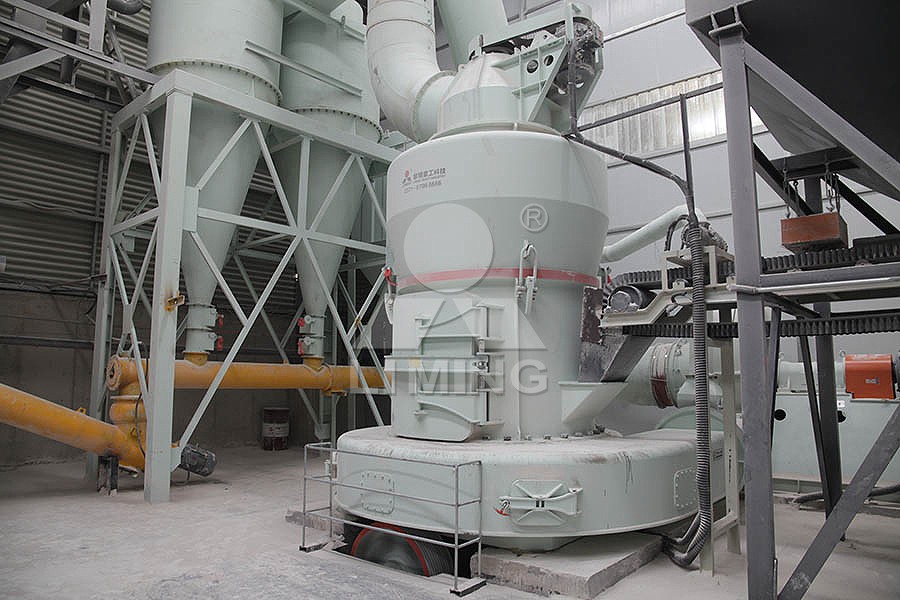
The total project cost for a mini dal mill plant can vary significantly based on capacity, level of automation, and location. A basic setup with a capacity of 1-2 tons per day may require an investment ranging from $15,000 to $40,000. This includes the cost of land (or shed rental), machinery, electrical installations, and working capital. The layout should prioritize a logical flow of materials, from the raw material receiving area to cleaning, milling, and finally, packaging and storage. Ensuring adequate space for movement and future expansion is crucial.
The Role of Advanced Grinding Technology
While traditional dal mills focus on de-husking and splitting, there is a growing market for value-added products like besan (gram flour) and other pulse flours. For entrepreneurs looking to diversify their product line and tap into this market, investing in advanced grinding technology is essential. This is where integrating a high-performance grinding mill becomes a strategic advantage.
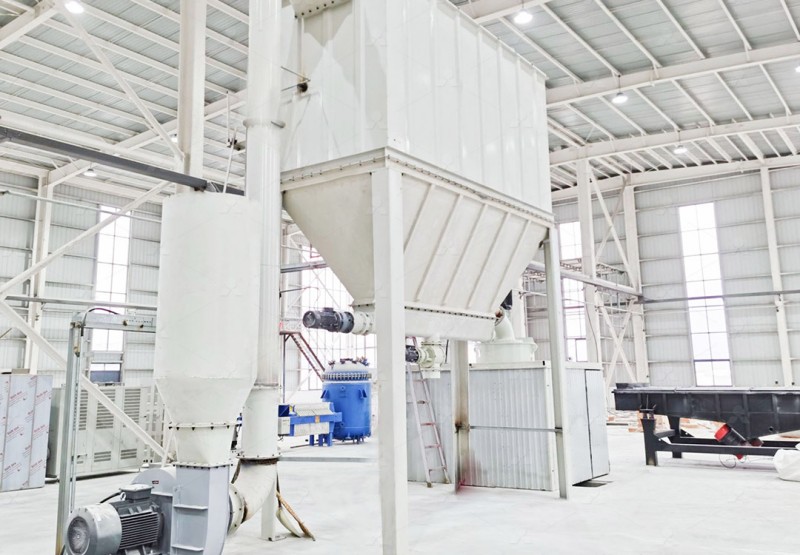
For producing ultra-fine besan or other pulse flours with superior quality, we highly recommend considering our MW Ultrafine Grinding Mill. This machine is specifically engineered for customers who need to make ultra-fine powder efficiently. With an input size of 0-20 mm and a capacity range of 0.5-25 tph, it is perfectly scalable for a mini dal plant looking to add a flour production line. Its key advantage lies in its higher yield and lower energy consumption; it offers 40% higher production capacity than jet mills with system energy consumption being only 30%. Furthermore, its adjustable fineness between 325-2500 meshes allows for precise control over the flour’s texture, which is critical for culinary applications.
Manufacturing Process in Detail
- Cleaning and Grading: Raw pulses are cleaned to remove dust, stones, and other impurities. They are then graded by size to ensure uniform processing.
- De-husking and Splitting: Graded pulses are passed through emery rollers to remove the husk. An air aspirator separates the loose husk from the cotyledons, which are then split into halves.
- Polishing: The split dal is polished to achieve a smooth, shiny appearance, enhancing its marketability.
- Optional – Flour Milling: For besan production, dried chickpeas or other pulses can be routed to a grinding mill. Our LUM Ultrafine Vertical Grinding Mill is another excellent option here. It features higher yielding rates and better quality output due to its unique roller shell design, which improves whiteness and cleanliness. With an input size of 0-10 mm and capacity of 5-18 tph, it integrates grinding, grading, and transporting for a streamlined operation.
- Packaging: The final dal or besan is weighed and packaged for distribution.
Both the MW and LUM mills are designed with environmental and operational sustainability in mind. They are equipped with efficient pulse dust collectors and mufflers, ensuring a dust-free and low-noise operation that complies with national environmental protection standards.
Frequently Asked Questions (FAQ)
What is the minimum space required for a mini dal mill?
A small-scale plant with a 1-ton per day capacity can typically be set up in an area of 1000 to 1500 square feet, including processing and storage.
What is the shelf life of the finished dal?
When stored in cool, dry conditions in airtight packaging, de-husked and split dal can have a shelf life of 6 to 12 months.
Can the same mill be used for different types of pulses?
Yes, most dal mills are versatile and can process various pulses like chickpeas, pigeon peas, lentils, and green gram. Minor adjustments to roller pressure and speed may be required.
Why should I consider adding a grinding mill like the MW or LUM to my dal plant?
Adding a grinding mill allows you to diversify your product portfolio by producing high-value pulse flours (besan). This opens up new revenue streams from the same raw materials, increasing overall plant profitability and making your business more resilient to market fluctuations.