
Millmast Grinding Mill: Key Features and Industrial Applications
We provide a wide range of mills — including Raymond mill, trapezoidal mill, vertical mill, ultrafine mill, and ball mill, obtained ISO9001 international quality certification, EU CE certification, and Customs Union CU-TR certification. Suitable for processing minerals such as limestone, phosphate, quicklime, kaolin, talc, barite, bentonite, calcium carbonate, dolomite, coal, gypsum, clay, carbon black, slag, cement raw materials, cement clinker, and more.
The discharge range of these mills can be adjusted to meet specific processing needs, typically from 80-400 mesh, 600-3250 mesh, and can achieve the finest particle size of up to 6000 mesh(D50).
If you are looking for a reliable grinding solution to turn stone or minerals into fine powder, please feel free to contact our online customer service.
Millmast Grinding Mill: Key Features and Industrial Applications
In today’s demanding industrial landscape, achieving precise particle size distribution and maintaining operational efficiency are paramount concerns for processing facilities worldwide. The evolution of grinding technology has brought forth sophisticated solutions that address these challenges while simultaneously reducing environmental impact. Among these advancements, Millmast Grinding Mills stand out as a testament to engineering excellence and practical innovation.
Engineering Excellence in Modern Grinding Technology
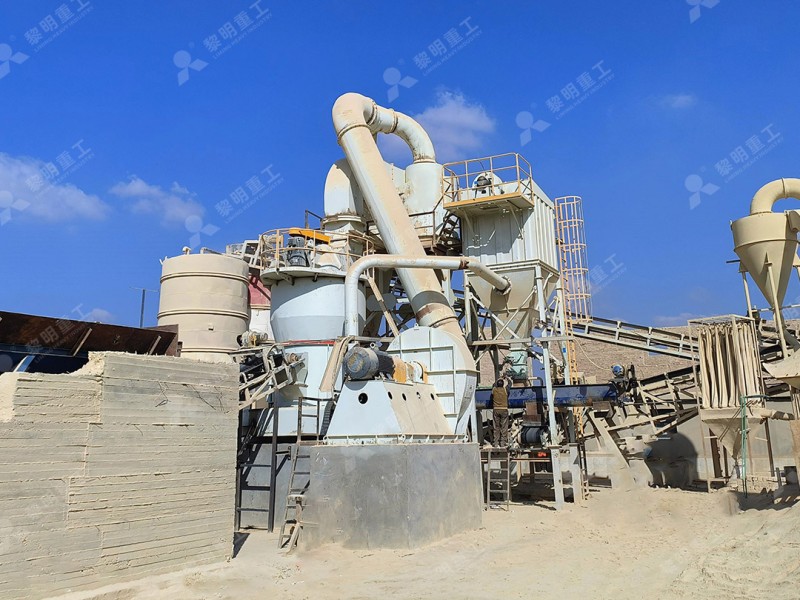
The fundamental design philosophy behind Millmast Grinding Mills centers on creating robust, efficient systems that deliver consistent performance under varying operational conditions. These mills incorporate advanced grinding mechanisms that significantly outperform traditional ball mills and older grinding technologies. The integration of digital control systems and precision manufacturing ensures that each unit operates at optimal parameters, providing manufacturers with unprecedented control over their production processes.
One of the standout performers in this category is the MW Ultrafine Grinding Mill, which represents a significant leap forward in ultrafine powder production. Engineered for customers requiring superior fineness control, this machine handles input sizes from 0-20 mm with capacities ranging from 0.5 to 25 tons per hour. What truly distinguishes this equipment is its innovative approach to common grinding challenges, including dust management and noise reduction, making it an environmentally conscious choice for modern facilities.
Revolutionary Features Driving Operational Efficiency
The technological advancements embedded in Millmast Grinding Mills translate directly to tangible benefits for operators. The MW Ultrafine Grinding Mill, for instance, boasts newly designed grinding curves for its roller and ring components, enhancing grinding efficiency to remarkable levels. Comparative analyses demonstrate that with identical fineness and power consumption, this mill achieves production capacities 40% higher than jet grinding mills and stirred grinding mills, while doubling the output of conventional ball grinding mills. Perhaps most impressively, the system energy consumption registers at just 30% of comparable jet grinding mills.
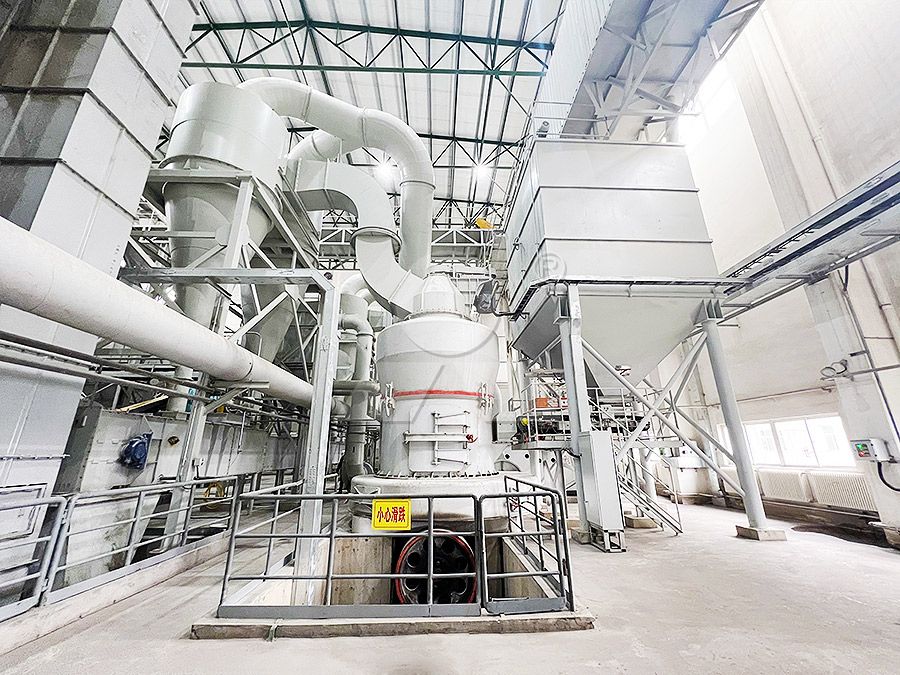
Fineness adjustment represents another area where these mills excel. The MW Ultrafine Grinding Mill incorporates German-engineered cage-type powder selector technology that dramatically improves powder separation precision. Configurable with multi-head cage-type powder selectors tailored to specific yield, fineness, and sieving rate requirements, this system enables product fineness adjustment between 325-2500 meshes, achieving an impressive screening rate of d97≤5μm in a single pass.
Industrial Applications Spanning Multiple Sectors
The versatility of Millmast Grinding Mills makes them suitable for diverse industrial applications. From processing limestone, calcite, and dolomite to handling petroleum coal, gypsum, barite, marble, talc, and coal powder, these systems demonstrate remarkable adaptability. Beyond traditional mineral processing, they serve critical roles in chemical industries, paint production, cosmetics manufacturing, pharmaceutical applications, and food additive processing.
Another exceptional solution for specialized applications is the LUM Ultrafine Vertical Grinding Mill, which combines Taiwanese grinding roller technology with German powder separating expertise. This vertically-oriented system handles input sizes of 0-10 mm with capacities between 5-18 tph, making it ideal for superfine dry powder production of non-metal ores. Its unique roller shell and lining plate grinding curve design prevents material lingering and repeated grinding issues common in traditional mills, resulting in higher whiteness and cleanliness in finished products.
Design Innovations Addressing Operational Challenges
Millmast engineers have systematically addressed common pain points in grinding operations through thoughtful design innovations. The elimination of rolling bearings and screws within the grinding chamber of the MW Ultrafine Grinding Mill exemplifies this approach. This design decision eliminates concerns about bearing damage or seal failures while preventing machine damage from loose screws. The strategic placement of lubricating devices outside the main shaft enables external lubrication without shutdowns, supporting continuous 24-hour production schedules.
Environmental considerations have been integral to the design process. The incorporation of efficient pulse dust collectors ensures dust-free operation throughout the entire milling system. Complemented by silencers and noise elimination rooms, these mills operate well within national environmental protection standards, addressing both air quality and noise pollution concerns that often plague industrial operations.
Precision Manufacturing and Reliable Support
The manufacturing process for Millmast Grinding Mills leverages digital precision across dozens of numerical control machine tool lines. From steel plate cutting, bending, and planing to milling and paint spraying, every operation benefits from numerically controlled processes that ensure exceptional accuracy, particularly for core components. This commitment to precision manufacturing translates to reliable performance and extended equipment lifespan.
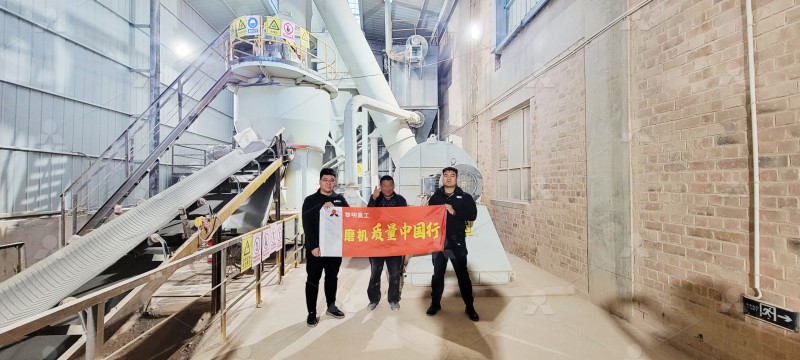
Beyond the initial sale, comprehensive support structures ensure worry-free operation. With businesses covering both production and sales, the manufacturer assumes responsibility for every machine produced. Customers receive technical services and access to original spare parts, minimizing downtime and maximizing productivity throughout the equipment’s operational life.
Future-Proofing Industrial Processing
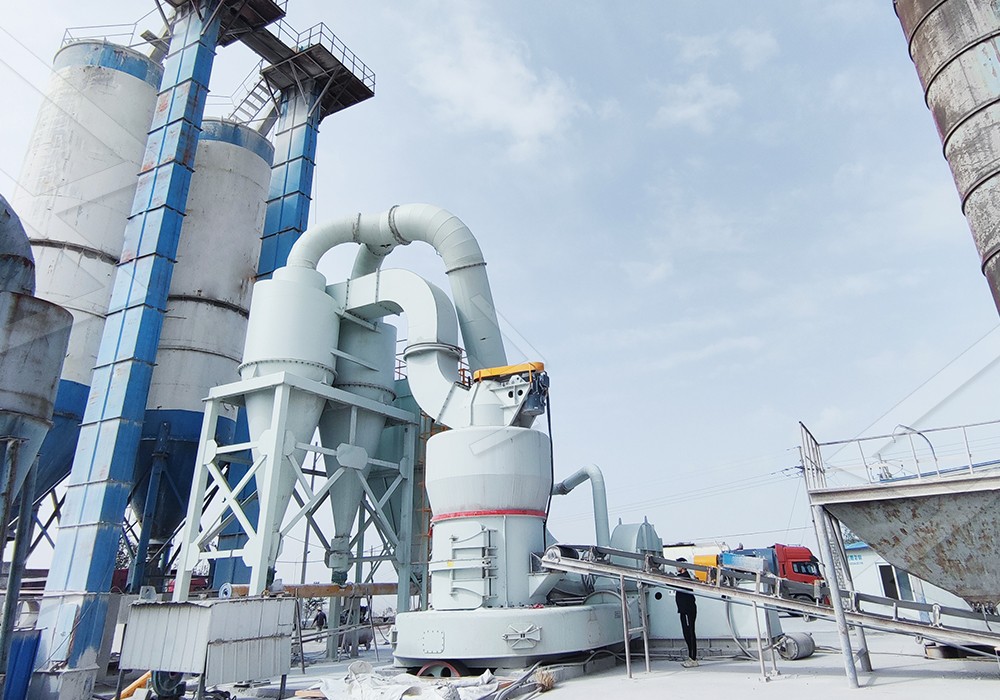
As industrial requirements continue evolving toward greater efficiency, environmental responsibility, and precision control, Millmast Grinding Mills provide a foundation for future-ready operations. The integration of advanced technologies like PLC control systems, multi-head powder separating mechanisms, and automated adjustment capabilities positions these systems at the forefront of grinding technology. Whether processing materials for construction, manufacturing, or specialized chemical applications, these mills deliver consistent, high-quality results while optimizing operational costs.
The continued innovation in grinding technology, as exemplified by Millmast Grinding Mills, ensures that industrial processors can meet increasingly stringent quality requirements while maintaining profitability and environmental compliance. Through thoughtful engineering and customer-focused design, these systems represent not just tools for today’s challenges, but platforms for tomorrow’s opportunities.
Frequently Asked Questions
What maintenance requirements should I expect with the MW Ultrafine Grinding Mill?
The MW Ultrafine Grinding Mill is designed for minimal maintenance. With no rolling bearings or screws in the grinding chamber, many common failure points are eliminated. External lubrication points allow for maintenance without shutdowns, and the robust construction ensures long intervals between scheduled maintenance.
How does the fineness adjustment mechanism work on these grinding mills?
Both the MW and LUM mills feature advanced cage-type powder selectors that enable precise fineness control. Through adjustable rotor speeds and configurable multi-head selectors, operators can achieve fineness between 325-2500 meshes with screening rates reaching d97≤5μm in a single pass.
What industries are best suited for Millmast Grinding Mills?
These mills serve diverse sectors including mining, chemicals, construction materials, pharmaceuticals, food processing, and cosmetics. They effectively process materials ranging from limestone and calcite to coal powder and specialized industrial minerals.
How do these mills address environmental concerns like dust and noise?
Integrated pulse dust collectors effectively contain particulate matter, while silencers and noise elimination rooms reduce operational noise. The systems operate under negative pressure to prevent dust escape and comply with stringent environmental standards.
What advantages do these mills offer over traditional ball mills?
Key advantages include 30-50% lower energy consumption, 40% higher production capacity, superior fineness control, reduced footprint, and integrated drying capabilities. The absence of direct metal-to-metal contact in the grinding process also reduces iron contamination in finished products.
Can these mills handle abrasive materials without excessive wear?
Yes, the grinding rollers and rings are manufactured from specialized wear-resistant alloys developed through collaboration with scientific institutes. These materials offer 1.7-2.5 times longer service life compared to traditional high manganese steel components.
What technical support is available after purchase?
Comprehensive support includes technical咨询服务, original spare parts supply, and operational guidance. The manufacturer’s integrated production and sales structure ensures direct responsibility for equipment performance and customer satisfaction.