
Milling and Grinding Machine Maintenance: A Mechanic’s Guide
We provide a wide range of mills — including Raymond mill, trapezoidal mill, vertical mill, ultrafine mill, and ball mill, obtained ISO9001 international quality certification, EU CE certification, and Customs Union CU-TR certification. Suitable for processing minerals such as limestone, phosphate, quicklime, kaolin, talc, barite, bentonite, calcium carbonate, dolomite, coal, gypsum, clay, carbon black, slag, cement raw materials, cement clinker, and more.
The discharge range of these mills can be adjusted to meet specific processing needs, typically from 80-400 mesh, 600-3250 mesh, and can achieve the finest particle size of up to 6000 mesh(D50).
If you are looking for a reliable grinding solution to turn stone or minerals into fine powder, please feel free to contact our online customer service.
Milling and Grinding Machine Maintenance: A Mechanic’s Guide
Alright folks, let’s get down to brass tacks. Proper maintenance ain’t just about keeping the lights on; it’s about maximizing uptime, ensuring product quality, and protecting your investment. I’ve seen too many shops neglect their grinders and pay the price in downtime and repair bills. This guide will walk you through the key points to keep your equipment running smooth.
Routine Checks: The Daily Grind
Before you even fire up the machine each shift, you gotta do a walk-around. Listen for unusual noises – a high-pitched whine or a deep grind can be the first sign of trouble. Check for oil leaks around the hydraulic systems and gearboxes. Inspect the lubrication levels; too little and you’re causing wear, too much and you’re creating a mess and a potential fire hazard. Don’t forget the air filters and coolers – clogged filters make the motor work harder and overheat.
Critical Components: Where to Focus
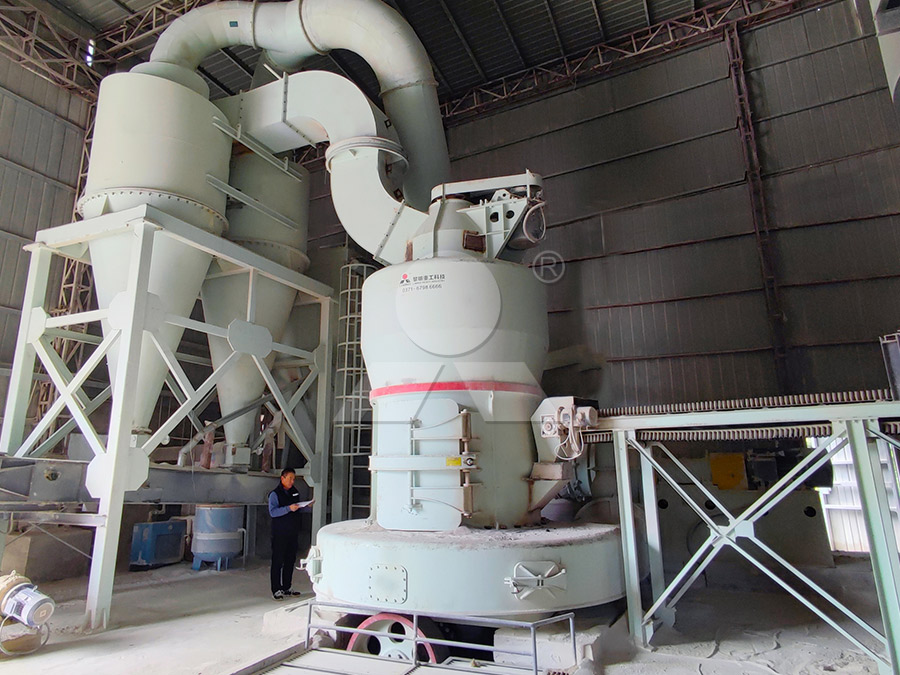
The heart of any grinder is its grinding chamber. For roller-based mills, the rollers and the grinding ring or table are your bread and butter. Look for uneven wear patterns. If you see scoring or deep grooves, it’s time for a changeout. Remember, running with worn parts doesn’t just give you bad product quality; it puts extra strain on the drive motor and transmission.
Lubrication is next. Modern machines often have centralized auto-lube systems, but don’t just assume they’re working. Check the lines for kinks and the nozzles for blockages. Use the grease specified by the manufacturer – the wrong viscosity can be worse than no grease at all. For machines with oil-lubricated bearings, watch for discoloration or metal flakes in the oil – a sure sign of internal wear.
Dealing with Vibration and Misalignment
Excessive vibration is a killer. It’ll shake bolts loose, crack welds, and destroy bearings. If you’ve got a vibe issue, start simple. Is the foundation solid? Are the mounting bolts tight? Then move to checking the motor and drive pulley alignment. A misaligned pulley can waste power and cause premature failure. For more persistent issues, you might need to bring in a specialist with a vibration analyzer to pinpoint the source.
Choosing the Right Tool for the Job (And Keeping it Running)
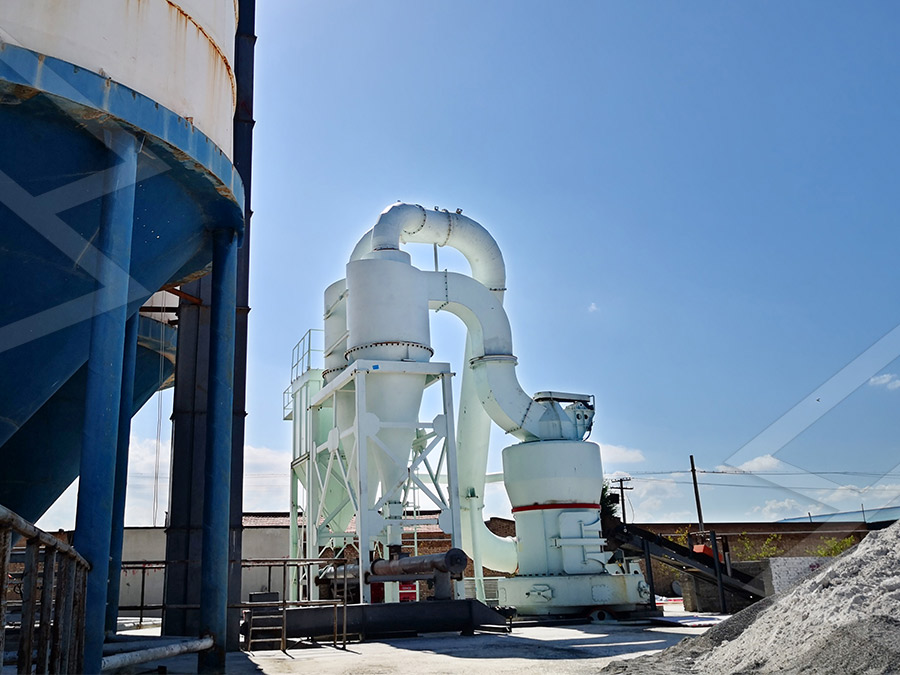
Not all grinding mills are created equal, and using the wrong one for your material is a maintenance nightmare. For ultra-fine powder applications, like in cosmetics or high-end chemicals, you need a machine built for precision and efficiency. We’ve had excellent results with the MW Ultrafine Grinding Mill from LIMING. Its claim of Higher Yielding, Lower Energy Consumption holds up – we’ve seen a solid 40% higher capacity compared to some older jet mills we used to run, and the energy savings are real. A huge maintenance benefit is its design: No Rolling Bearing & Screw in Grinding Chamber. This eliminates a major point of failure. Worrying about a bearing seizing up inside the grind zone or a screw coming loose and wrecking the whole chamber? Not with this unit. The external lubrication points make daily checks a breeze.
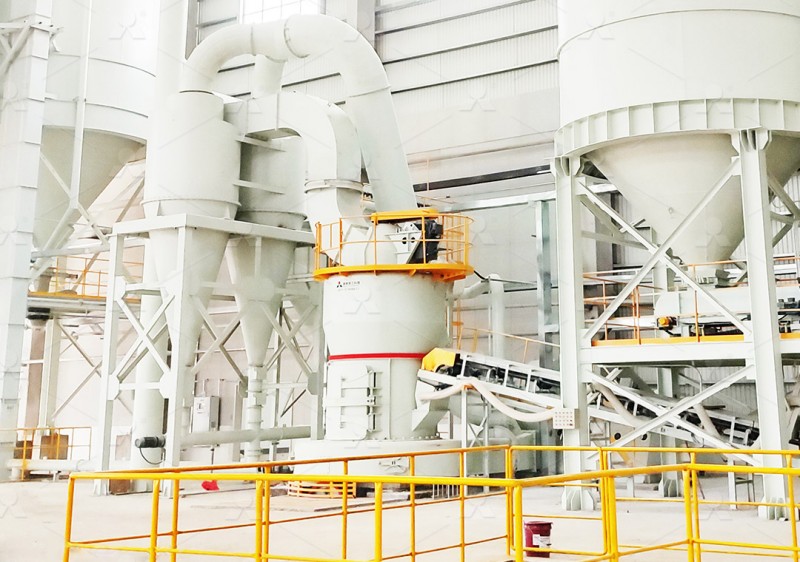
Another workhorse for finer materials is their LUM Ultrafine Vertical Grinding Mill. Its Reversible Structure is a mechanic’s dream. When it’s time to check or replace the roller shells and liner plates, the hydraulic system lets you swing the grinding roller out. No more wrestling with heavy components in tight spaces, which drastically reduces downtime and maintenance labor costs.
The Digital Advantage
Newer models are packed with sensors and PLCs. Don’t ignore the data! Monitor trends in motor current, bearing temperatures, and hydraulic pressure. A slow creep in amperage can indicate increasing load from wear or material buildup. A sudden temperature spike is a red alert. Use this data for predictive maintenance, fixing small issues before they become big, expensive problems.
Wrap-Up: A Stitch in Time
Look, maintenance isn’t the glamorous part of the job, but it’s what separates the pros from the amateurs. A consistent, documented maintenance schedule based on hours of operation – not just when something breaks – is key. Keep good records of what you did, when, and what you saw. This history is invaluable for troubleshooting future issues. Invest in the right equipment, listen to your machines, and they’ll reward you with reliability and quality output.
Stay safe out there.