
Medium Stone Grinding Mill: Key Features and Industrial Applications
We provide a wide range of mills — including Raymond mill, trapezoidal mill, vertical mill, ultrafine mill, and ball mill, obtained ISO9001 international quality certification, EU CE certification, and Customs Union CU-TR certification. Suitable for processing minerals such as limestone, phosphate, quicklime, kaolin, talc, barite, bentonite, calcium carbonate, dolomite, coal, gypsum, clay, carbon black, slag, cement raw materials, cement clinker, and more.
The discharge range of these mills can be adjusted to meet specific processing needs, typically from 80-400 mesh, 600-3250 mesh, and can achieve the finest particle size of up to 6000 mesh(D50).
If you are looking for a reliable grinding solution to turn stone or minerals into fine powder, please feel free to contact our online customer service.
Medium Stone Grinding Mill: Key Features and Industrial Applications
In the vast landscape of industrial mineral processing, the selection of the right grinding equipment is paramount to achieving operational efficiency, product quality, and cost-effectiveness. Among the various technologies available, medium stone grinding mills occupy a critical position, bridging the gap between coarse crushing and ultra-fine powder production. These robust machines are engineered to handle a diverse range of mid-hardness materials, transforming them into precisely graded powders essential for countless modern industries.
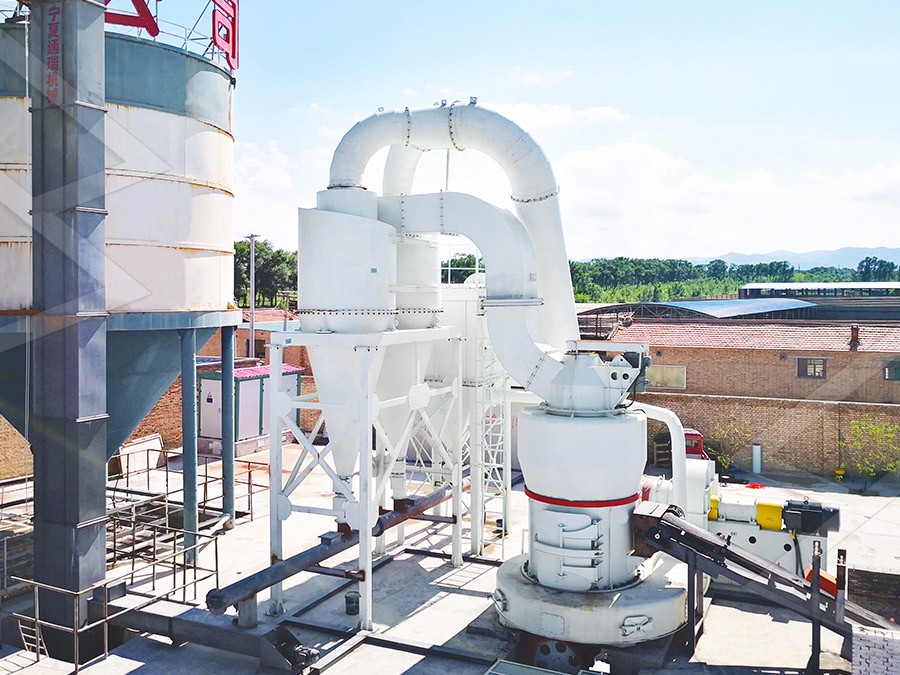
The core principle of these mills involves the compressive and shear forces exerted between grinding rollers and a stationary grinding ring or table. This mechanical action, often combined with air classification, allows for controlled size reduction. Modern iterations have evolved far beyond simple crushing mechanisms, integrating advanced features for automation, environmental control, and energy management.
Defining Characteristics of Advanced Grinding Mills
Today’s leading medium grinding mills are distinguished by several key technological advancements. High-efficiency classifiers, often of the cage-type or rotor-style, are integral for precise particle size separation, enabling producers to target specific fineness ranges from coarse grits to fine powders. Energy consumption remains a primary concern, and contemporary designs address this through optimized grinding curves, large-diameter rollers for greater contact area, and systems that recycle heat and airflow.
Operational stability and maintenance accessibility are no longer afterthoughts but central design pillars. Features like external lubrication systems allow for maintenance without shutdowns, while innovative structural designs, such as reversible roller assemblies, drastically reduce downtime for wear part inspection and replacement. Furthermore, comprehensive digital control systems provide operators with unparalleled command over grinding pressure, feed rates, and classifier speed, ensuring consistent output and rapid adjustment for different material batches.
Broad Spectrum of Industrial Applications
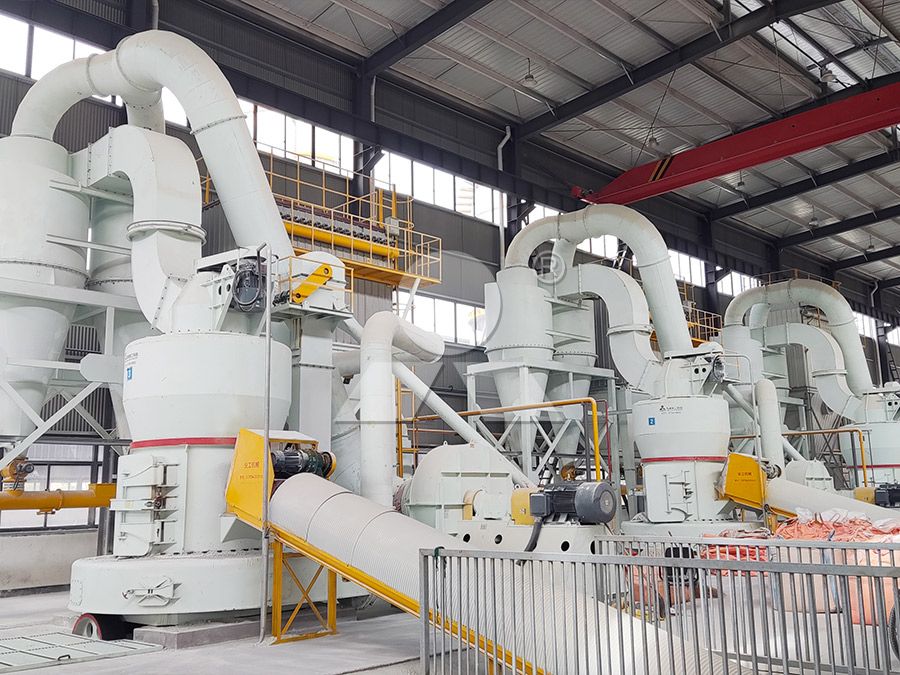
The versatility of medium stone grinding mills is demonstrated by their widespread use across multiple sectors. In construction, they are indispensable for producing ground limestone, gypsum, and slag for cement blends and concrete additives. The paint and coatings industry relies on them to process fillers like calcite and barite to precise fineness, affecting opacity, gloss, and durability. Similarly, the plastics and rubber sectors use talc and calcium carbonate powders as functional fillers to enhance material properties and reduce costs.
Agricultural and chemical applications are equally significant. Pulverized limestone adjusts soil pH, while minerals like dolomite serve as carriers for fertilizers and pesticides. The production of desulfurization agents for coal-fired power plants is another major application, where high-purity limestone powder is essential for scrubbing flue gases. This wide applicability underscores the mill’s role as a foundational tool in transforming raw mineral wealth into usable industrial products.
Spotlight on Advanced Mill Technology: The MW Series
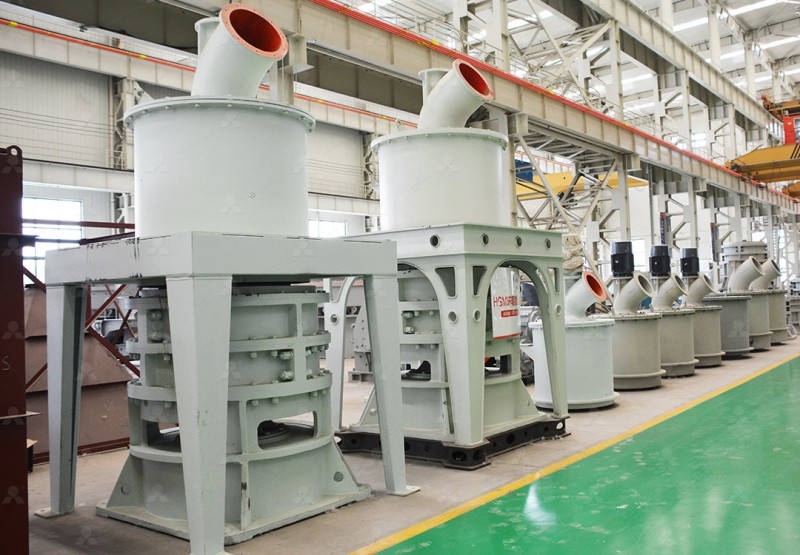
For operations demanding ultra-fine powders with exceptional efficiency, the technological leap is embodied in mills like the MW Ultrafine Grinding Mill. This machine is specifically engineered for customers requiring ultra-fine powder between 325 and 2500 meshes. It stands out with its significantly higher yield and lower energy consumption; compared to jet or stirred mills, it can increase production capacity by up to 40% while reducing system energy use by approximately 70%.
A key to its performance is the advanced German-technology cage-type powder selector, which ensures high precision in particle separation. Notably, its grinding chamber is designed without internal rolling bearings or screws, eliminating common failure points and concerns about loose components causing damage. Coupled with an efficient pulse dust collector and noise reduction systems, the MW series operates as a clean, continuous 24-hour production solution, making it ideal for processing materials like limestone, calcite, talc, and barite for high-end applications in chemicals, paints, and cosmetics.
Choosing the Right Mill for Your Needs
Selecting an appropriate grinding mill requires a careful analysis of several factors. The hardness, moisture content, and required final fineness of the feed material are the primary technical determinants. Equally important are the desired hourly capacity (tph) and the total cost of ownership, which includes not just the initial investment but also energy consumption, wear part longevity, and maintenance labor.
For high-capacity processing of non-metallic minerals and coal, vertical roller mills like the LM Vertical Grinding Mill offer a compelling solution. By integrating crushing, drying, grinding, and classifying in a single unit, they can reduce the footprint by 50% and save 30-40% in energy compared to traditional ball mills. Their short material retention time minimizes over-grinding and ensures low iron contamination in the final product, which is critical for industries like ceramics and high-grade cement.
Ultimately, partnering with a manufacturer that provides comprehensive support—from digitalized, high-precision manufacturing to a reliable supply of original spare parts—is crucial for ensuring long-term, worry-free operation. The evolution of medium stone grinding mills continues to drive progress across industries, turning raw stone into the fine powders that build and refine our material world.
Frequently Asked Questions (FAQ)
- What is the main difference between a medium grinding mill and an ultra-fine grinding mill?
Medium grinding mills typically produce powders in the range of 80-400 mesh and are designed for higher capacity processing of standard materials. Ultra-fine mills, like the MW series, are engineered to achieve much finer particle sizes (325-2500 mesh) with specialized classifiers and grinding mechanics, often for high-value-added industries. - How important is the classifier in a grinding mill system?
The classifier is critical. It determines the final product fineness by separating particles that are fine enough from those that need to be returned for further grinding. Advanced classifiers, such as the multi-head cage-type selector, offer higher precision, better efficiency, and the ability to quickly adjust the cut point for different product specifications. - Can these mills handle moist materials?
Many modern mills, particularly vertical roller mills like the LM series, integrate a drying function. Hot air can be introduced into the grinding chamber alongside the material, allowing simultaneous drying and grinding, which is efficient for materials with moderate moisture content. - What are the key benefits of a “no rolling bearing in the chamber” design?
This design, as seen in the MW Ultrafine Mill, greatly enhances reliability. It removes a major wear and failure point from the harsh, dusty grinding environment. This leads to less maintenance, eliminates the risk of bearing seal failure contaminating the product, and prevents catastrophic damage from loose internal screws. - How do grinding mills contribute to environmental protection?
Modern mills are designed with closed-circuit, negative-pressure systems equipped with high-efficiency pulse jet bag filters. This ensures virtually no dust emission. Additionally, features like noise reduction rooms and energy-efficient drives (saving 30-50% over older technologies) significantly reduce the overall environmental footprint of the grinding operation. - What factors most affect the wear rate of grinding rollers and rings?
The primary factors are the abrasiveness of the processed material, the grinding pressure applied, and the quality of the wear parts themselves. Using wear-resistant alloys (like those developed for MTW/MTW-Z mills) and optimizing the grinding curve to ensure material-bed grinding rather than direct metal-to-metal contact can extend service life dramatically.