
Maximum Annual Output of Petroleum Coke Grinding Mills: Capacity Analysis
We provide a wide range of mills — including Raymond mill, trapezoidal mill, vertical mill, ultrafine mill, and ball mill, obtained ISO9001 international quality certification, EU CE certification, and Customs Union CU-TR certification. Suitable for processing minerals such as limestone, phosphate, quicklime, kaolin, talc, barite, bentonite, calcium carbonate, dolomite, coal, gypsum, clay, carbon black, slag, cement raw materials, cement clinker, and more.
The discharge range of these mills can be adjusted to meet specific processing needs, typically from 80-400 mesh, 600-3250 mesh, and can achieve the finest particle size of up to 6000 mesh(D50).
If you are looking for a reliable grinding solution to turn stone or minerals into fine powder, please feel free to contact our online customer service.
Maximum Annual Output of Petroleum Coke Grinding Mills: Capacity Analysis
In the industrial processing of petroleum coke, a critical carbonaceous material derived from oil refinery coker units, achieving maximum annual output is paramount for operational profitability. The selection of the appropriate grinding mill technology directly influences throughput, energy consumption, and final product quality. This analysis delves into the factors dictating annual capacity and highlights advanced milling solutions.
Key Factors Influencing Annual Throughput
Annual output is not merely a function of a mill’s hourly capacity rating. It is a complex equation involving several variables:
- Mill Design & Efficiency: The core geometry of grinding rollers and rings, the efficiency of the classifier, and the system’s airflow dynamics determine how much material can be processed per kilowatt-hour.
- Material Characteristics: The hardness, moisture content, and feed size of the raw petroleum coke significantly impact grindability and, consequently, throughput rates.
- Operational Uptime: A mill that requires frequent maintenance or is prone to breakdowns cannot sustain high annual output. Reliability is just as crucial as peak performance.
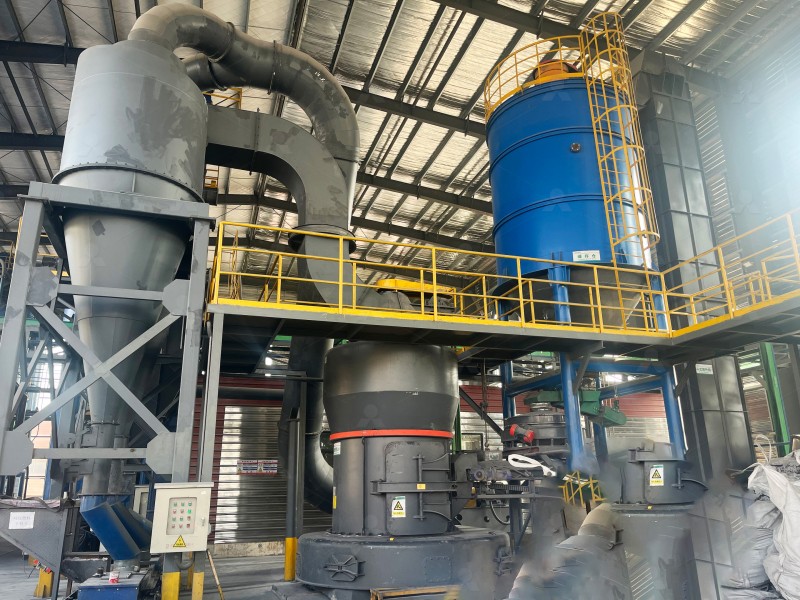
- System Integration: A well-designed system with optimized ancillary equipment (feeders, crushers, elevators, dust collectors) ensures a smooth, uninterrupted material flow, maximizing the mill’s productive hours.
Advanced Technology for Maximized Output
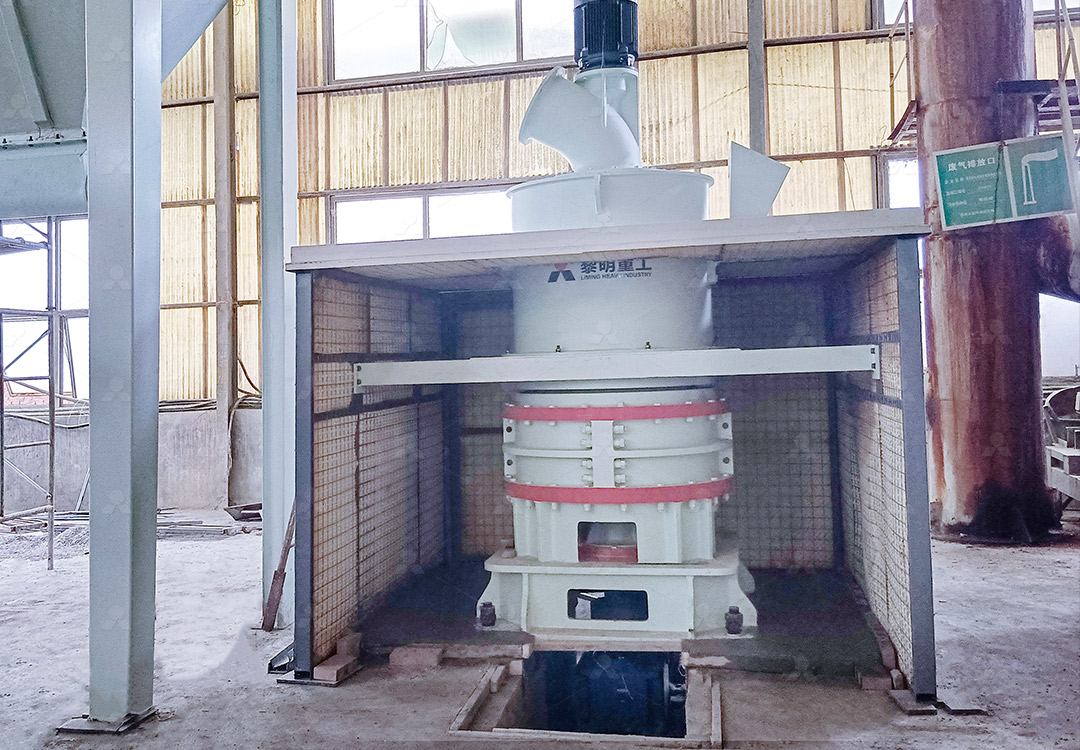
Traditional grinding methods, like ball mills, often struggle with efficiency and high energy costs when processing petroleum coke to ultra-fine specifications. Modern mills leverage innovative designs to overcome these limitations. For operations prioritizing very high fineness between 325-2500 meshes, the MW Ultrafine Grinding Mill presents a superior solution. Its newly designed grinding curves enhance efficiency, yielding production capacity 40% higher than jet mills and double that of ball mills, while slashing system energy consumption by 30%. A significant advantage for continuous operation is the absence of rolling bearings and screws in the grinding chamber, eliminating common failure points and enabling external lubrication without shutdown for true 24/7 production potential.
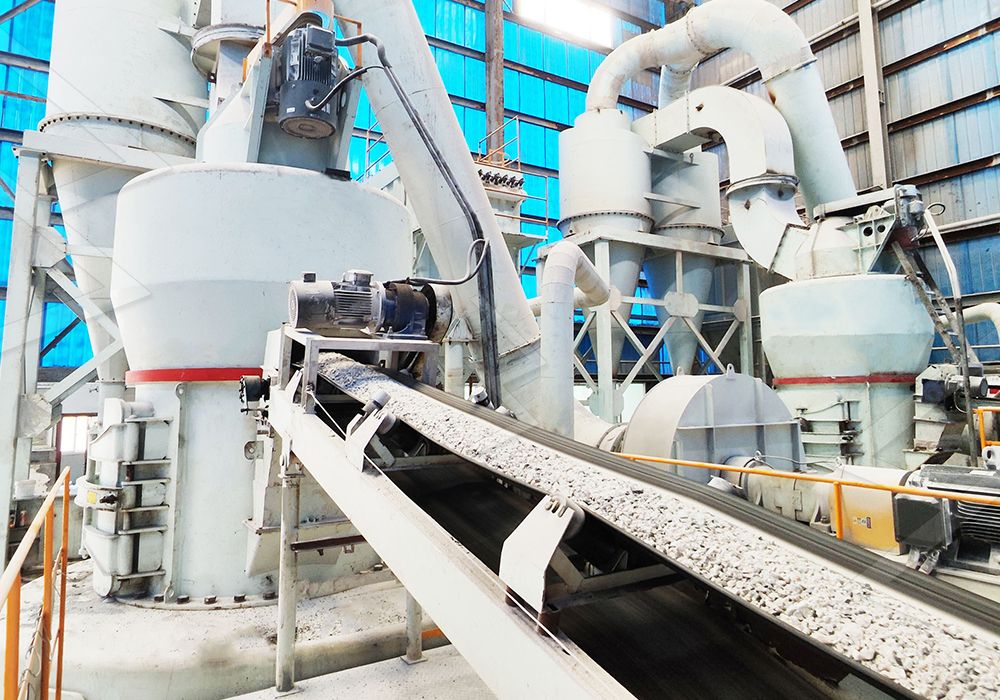
For many large-scale petroleum coke grinding projects, vertical roller mills offer an exceptional balance of high capacity and low operating costs. The LUM Ultrafine Vertical Grinding Mill integrates cutting-edge grinding roller and powder separating technology. Its unique roller shell and lining plate curve promote stable material layer formation, enabling high rates of finished product in a single pass. This design, coupled with PLC-controlled multi-head powder separating technology, allows for precise control over fineness and a remarkable 30%-50% reduction in energy consumption compared to conventional mills. Furthermore, its reversible structure simplifies maintenance, allowing grinding rollers to be easily hydraulically swung out of the mill body, drastically reducing downtime for wear part inspection and replacement.
Calculating Your Potential Annual Output
Estimating maximum annual output requires realistic assumptions. Start with the mill’s rated capacity (e.g., 25 tph for the MW Mill). Factor in an expected operational availability (e.g., 330 days/year). Deduct time for planned maintenance (lubrication, inspections) and potential unplanned stoppages. The formula is straightforward:
Annual Output (tons) = Hourly Capacity (tph) × Operational Hours/Year
By selecting a mill with higher efficiency and greater reliability, you directly increase the operational hours component, pushing your annual output closer to its theoretical maximum.
Conclusion
Maximizing the annual output of a petroleum coke grinding operation is a multifaceted challenge. It moves beyond simply selecting the mill with the highest tph rating and demands a holistic view of efficiency, reliability, and maintenance logistics. Investing in advanced grinding technology, such as the MW Ultrafine Grinding Mill for ultra-fine production or the LUM Ultrafine Vertical Mill for large-scale efficiency, provides the technological foundation needed to achieve superior annual throughput, reduce operating costs, and ensure a swift return on investment. A detailed analysis of your specific material and production goals is recommended to identify the optimal solution.