
Maximum Annual Output of Coal Mills in Guangxi Power Plants: Capacity Analysis and Optimization
We provide a wide range of mills — including Raymond mill, trapezoidal mill, vertical mill, ultrafine mill, and ball mill, obtained ISO9001 international quality certification, EU CE certification, and Customs Union CU-TR certification. Suitable for processing minerals such as limestone, phosphate, quicklime, kaolin, talc, barite, bentonite, calcium carbonate, dolomite, coal, gypsum, clay, carbon black, slag, cement raw materials, cement clinker, and more.
The discharge range of these mills can be adjusted to meet specific processing needs, typically from 80-400 mesh, 600-3250 mesh, and can achieve the finest particle size of up to 6000 mesh(D50).
If you are looking for a reliable grinding solution to turn stone or minerals into fine powder, please feel free to contact our online customer service.
Maximum Annual Output of Coal Mills in Guangxi Power Plants: Capacity Analysis and Optimization
Coal-fired power generation remains a cornerstone of Guangxi’s energy matrix, and the efficieny of its coal pulverization process is paramount to overall plant performance. The annual output of a power plant’s coal mills is not merely a function of raw horsepower; it is a complex interplay of grindability, moisture content, desired fineness, and, most critically, the technological sophistication of the milling equipment itself. Many facilities in the region continue to operate with legacy systems like Raymond Mills or even older ball mills, which are hamstrung by lower throughput, higher energy consumption per ton, and significant maintenance downtime. Optimizing this segment offers a direct path to enhanced capcity and reduced operational expenditure.
Current Capacity Constraints and Bottlenecks
A typical constraint in Guangxi plants involves handling the varying moisture and grindability of sourced coal. Traditional mills struggle with high-moisture content, requiring pre-drying systems that add complexity and cost. Furthermore, achieving the optimal fineness for complete combustion (often around 200 meshes) can be a challenge, with inefficient separation leading to recirculation of coarse particles, wasting energy and reducing effective throughput. Mechanical limitations, such as rolling bearings within the grinding chamber or complex shovel blade systems, are frequent points of failure, leading to unplanned shutdowns that drastically cut into annual production targets.
Technological Solutions for Output Maximization
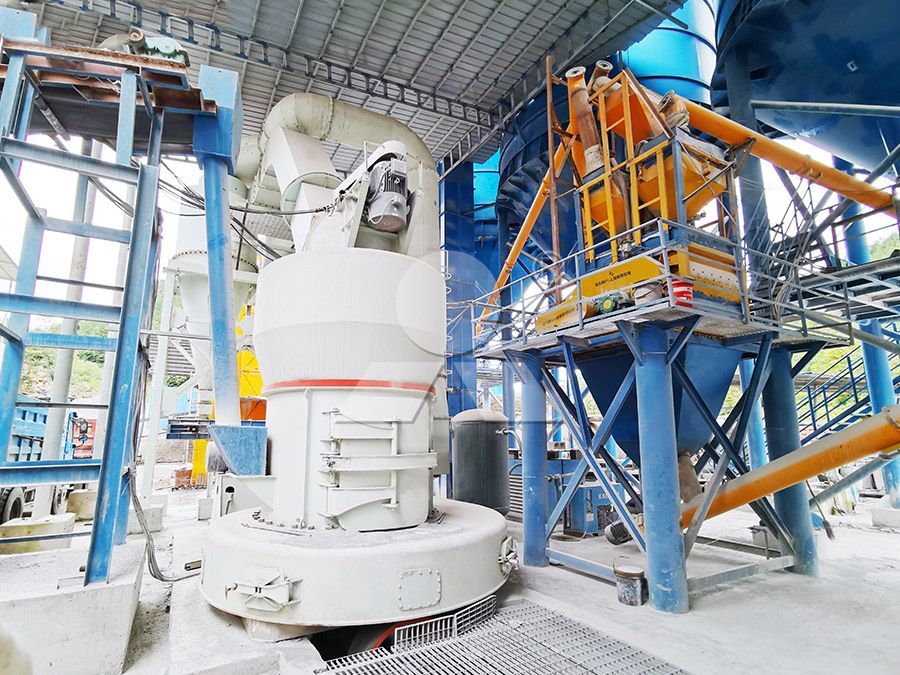
The transition to modern, vertical roller mill (VRM) technology represents the most significant leap forward. VRMs integrate grinding, drying, and classification in a single unit, offering superior efficiency. For instance, our LM Vertical Coal Mill is specifically engineered for this application. It features a hydraulic system to adjust grinding pressure, accommodating different coal hardness without sacrificing efficiency. Its integrated drying capability using kiln exhaust gasses eliminates the need for a separate dryer. Crucially, its design avoids direct contact between grinding rollers and the table during operation, preventing destructive vibrations and allowing for continuous, stable output, which is essential for maximizing annual tonnage.
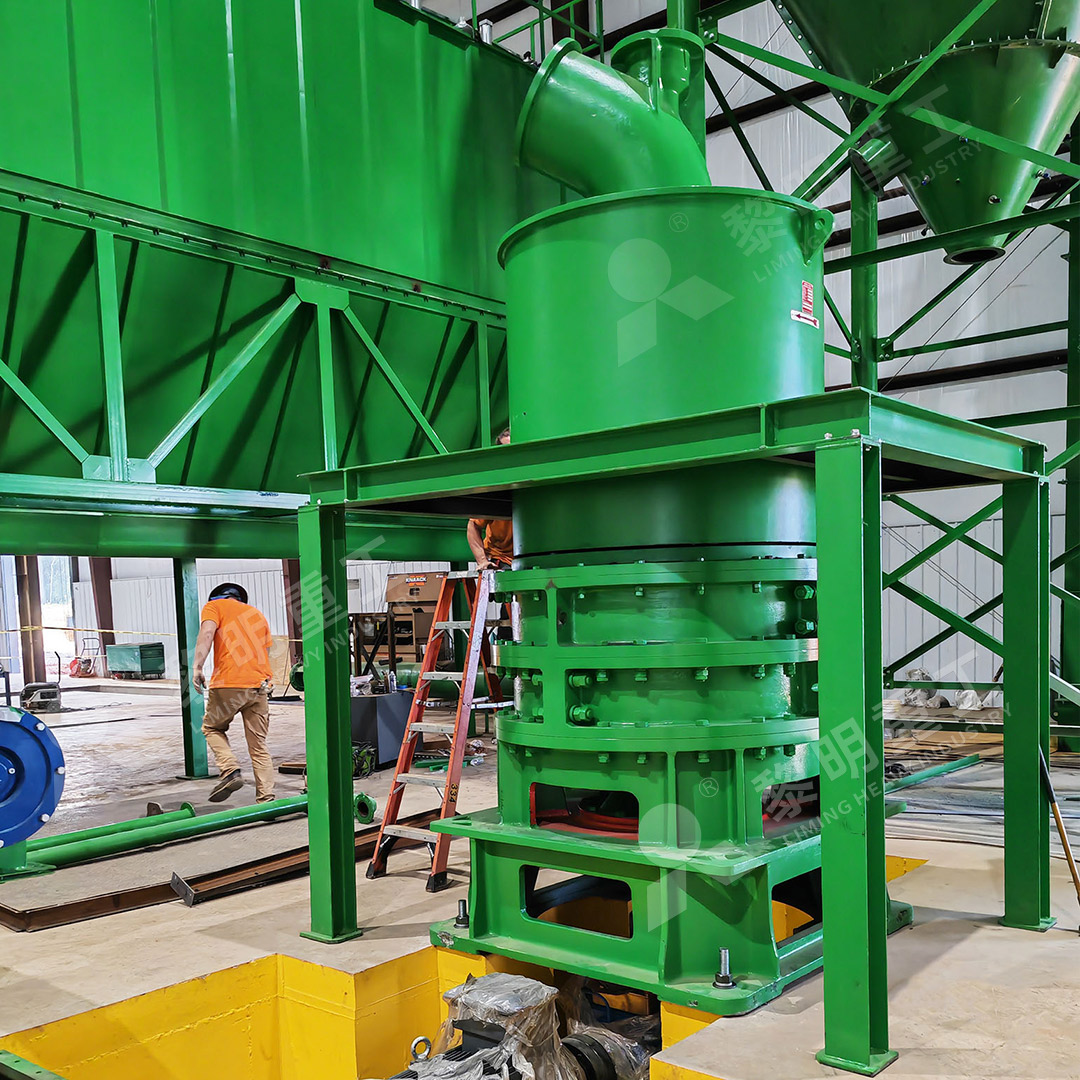
For plants seeking the absolute pinnacle of fineness and efficiency for specialized applications or to extract every bit of energy value, ultrafine grinding technology presents an opportunity. Our MW Ultrafine Grinding Mill is a standout solution here. Designed to produce powders between 325-2500 meshes, its advanced cage-type powder selector ensures precise classification with a high sieve rate, minimizing wasteful re-grinding. A key design advantage is the absence of rolling bearings and screws inside the grinding chamber. This eliminates a major source of mechanical failure and allows for external lubrication without shutdown, supporting 24/7 operation that is critical for hitting maximum annual output figures. Its efficient pulse dust collector also ensures the process meets stringent environmental standards.
Implementing an Optimization Strategy
Optimization begins with a holistic audit of the current coal milling circuit—from feedstock consistency and crusher performance to mill settings and classifier efficiency. Replacing a key bottleneck unit, like an outdated ball mill, with a modern LM Vertical Coal Mill can yield immediate gains: capacity increases of 50-100%, energy savings of 30-40%, and drastically reduced maintenance pauses. For a plant running 8,000 hours annually, this translates to hundreds of thousands of additional tons of pulverized coal produced, directly boosting power generation potential.
Furthermore, embracing digitalization is key. Modern mills come equipped with PLC-based control systems that allow for precise adjustment of grinding pressure, rotor speed, and feed rates. This data-driven approach enables operators to fine-tune the process in real-time for the specific coal blend being used, ensuring the mill consistently operates at its peak efficiency point, thereby safeguarding the annual output target.
Conclusion
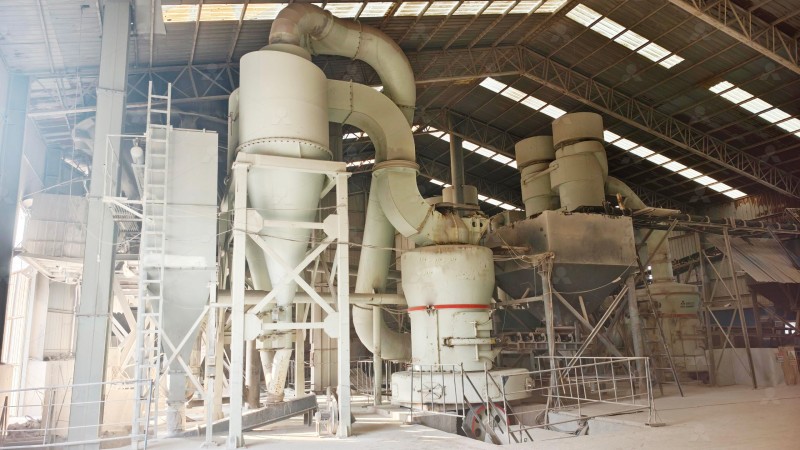
Maximizing the annual output of coal mills in Guangxi’s power plants is an achievable goal through technological modernization. Moving beyond inefficient, high-maintenance legacy equipment to advanced vertical roller mills and ultrafine grinders is the most effective strategy. Solutions like our LM Vertical Coal Mill and MW Ultrafine Grinding Mill offer the reliability, energy efficiency, and high throughput necessary to not only meet but exceed production targets, ensuring a more profitable and sustainable operation for years to come.