
Material Selection for Crusher and Hammer Mill Hammers: A Comprehensive Guide
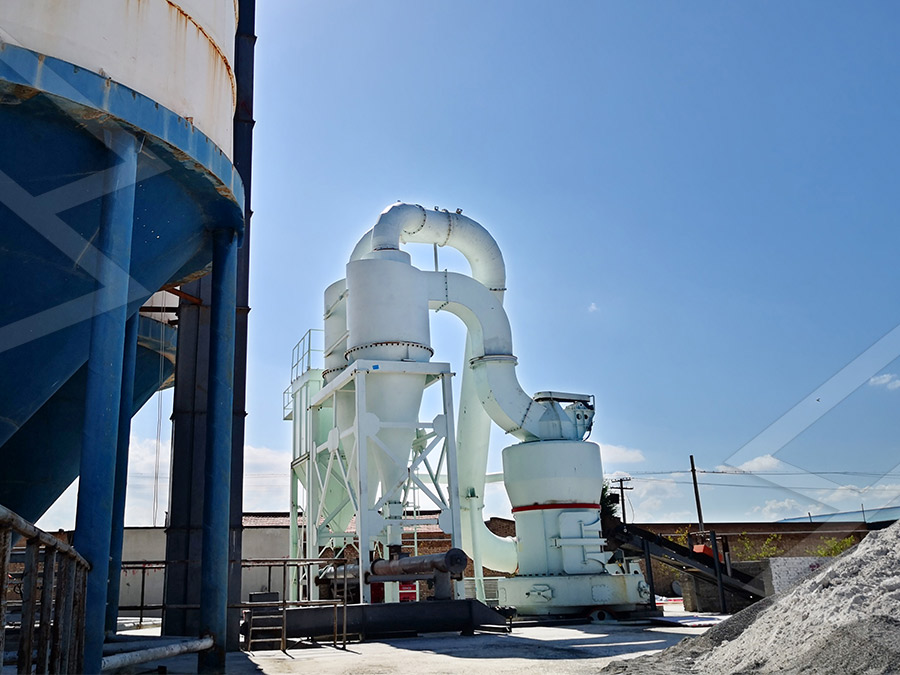
We provide a wide range of mills — including Raymond mill, trapezoidal mill, vertical mill, ultrafine mill, and ball mill, obtained ISO9001 international quality certification, EU CE certification, and Customs Union CU-TR certification. Suitable for processing minerals such as limestone, phosphate, quicklime, kaolin, talc, barite, bentonite, calcium carbonate, dolomite, coal, gypsum, clay, carbon black, slag, cement raw materials, cement clinker, and more.
The discharge range of these mills can be adjusted to meet specific processing needs, typically from 80-400 mesh, 600-3250 mesh, and can achieve the finest particle size of up to 6000 mesh(D50).
If you are looking for a reliable grinding solution to turn stone or minerals into fine powder, please feel free to contact our online customer service.
Material Selection for Crusher and Hammer Mill Hammers: A Comprehensive Guide
The selection of appropriate materials for crusher and hammer mill hammers is a critical decision that directly impacts operational efficiency, maintenance costs, and overall productivity. These components are subjected to extreme impact, abrasion, and fatigue, making material properties such as hardness, toughness, and wear resistance paramount.
Key Factors in Hammer Material Selection
When selecting materials for hammers, several factors must be considered:
- Material Hardness: Determines resistance to abrasion and penetration.
- Impact Toughness: Ability to withstand repeated impact without fracturing.
- Work Hardening Capability: Some materials become harder through impact during operation.
- Cost Effectiveness: Balance between initial cost and service life.
- Manufacturability: Ease of fabrication and repair.
Common Hammer Materials and Their Applications
The industry utilizes various materials depending on the specific application:
High Manganese Steel
Traditional choice for impact crushers, known for its exceptional work-hardening properties. Under impact loading, the surface hardness increases significantly while maintaining a tough core.
High Chromium Iron
Superior abrasion resistance makes this material ideal for processing highly abrasive materials. The high chromium content forms hard carbides that resist wear exceptionally well.
Medium Carbon Low Alloy Steel
Provides a balance between toughness and wear resistance, often used in hammer mills where both properties are required.
Advanced Material Technologies
Recent advancements include composite materials with ceramic inserts, bi-metallic hammers with wear-resistant tips welded to tough bodies, and specialized heat treatments that optimize both surface hardness and core toughness.
Integration with Grinding Systems
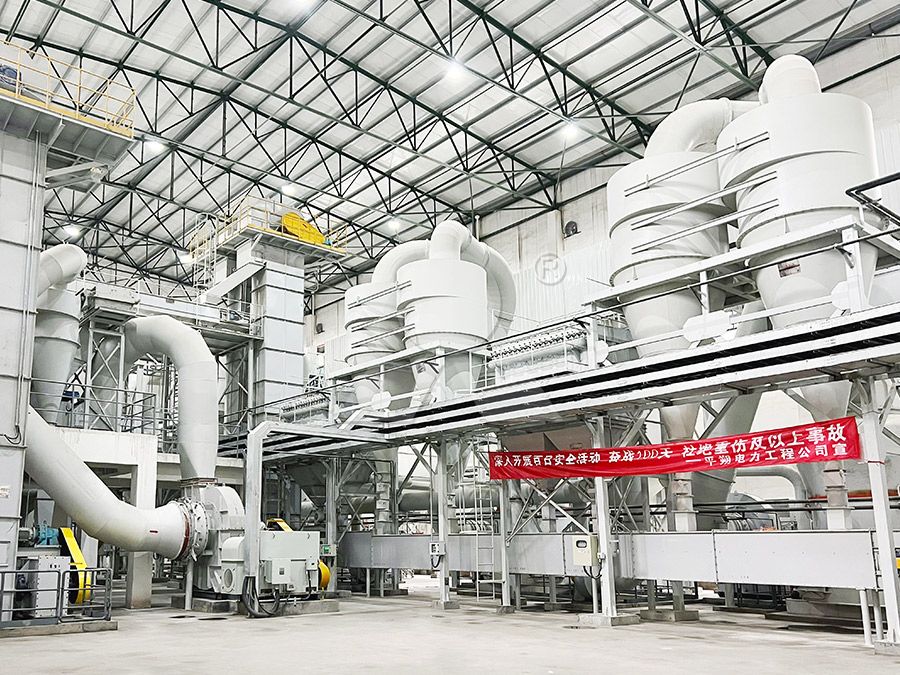
The efficiency of crusher and hammer mill hammers is intrinsically linked to the overall grinding system performance. Proper material selection ensures consistent feed size distribution to downstream processes, optimizing the entire production line.
For operations requiring ultra-fine powder production, the initial crushing stage becomes even more critical. This is where advanced grinding systems like our MW Ultrafine Grinding Mill demonstrate exceptional capabilities. With an input size of 0-20 mm and capacity ranging from 0.5-25 tph, this mill efficiently processes materials pre-crushed by properly selected hammers. Its innovative design features higher yielding with lower energy consumption, producing fineness between 325-2500 meshes while maintaining eco-friendly operation through efficient pulse dust collection.
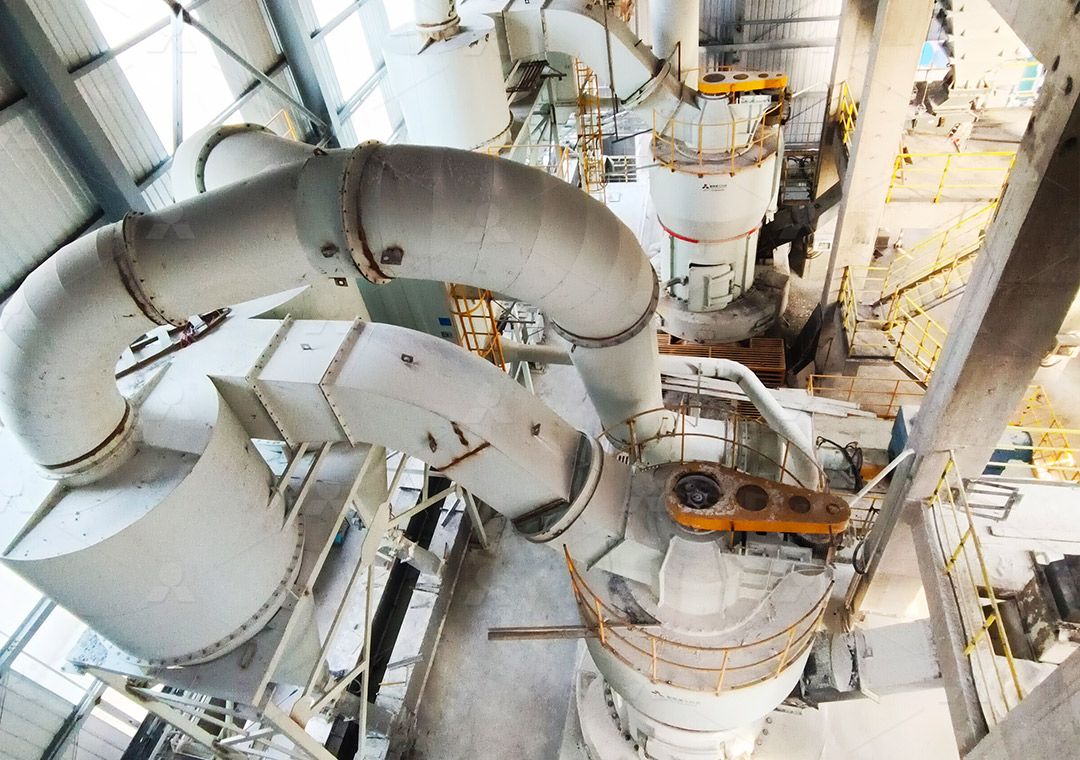
For vertical grinding applications, our LUM Ultrafine Vertical Grinding Mill offers remarkable performance with input size of 0-10 mm and capacity of 5-18 tph. This mill integrates the latest grinding roller technology and German powder separating technology, providing higher yielding rates and better quality output while reducing energy consumption by 30%-50% compared to conventional mills.
Maintenance and Operational Considerations
Proper hammer maintenance includes regular inspection for wear patterns, timely rotation or replacement, and monitoring of power consumption which can indicate wear conditions. The selection of hammer materials should also consider the availability of replacement parts and the ease of maintenance procedures.
Frequently Asked Questions
What is the typical service life for crusher hammers?
Service life varies significantly based on material processed, but high-chromium hammers typically last 3-5 times longer than standard manganese steel in abrasive applications.
How often should hammers be rotated?
Hammers should be rotated when wear reaches approximately 1/3 of the original weight to maintain balance and efficiency.
Can hammer materials be refurbished or hard-faced?
Yes, many hammer materials can be rebuilt through welding procedures, though the feasibility depends on the base material and extent of wear.
How does hammer material affect downstream processes?
Proper hammer material selection ensures consistent particle size distribution, which optimizes the performance of grinding mills and reduces energy consumption throughout the system.
What factors determine whether to choose manganese steel or high-chromium iron?
The choice depends on the abrasiveness of the material being processed, impact conditions, and economic considerations regarding initial cost versus service life.