
Marble Powder Grinding Mill: Complete Production Line Solutions
We provide a wide range of mills — including Raymond mill, trapezoidal mill, vertical mill, ultrafine mill, and ball mill, obtained ISO9001 international quality certification, EU CE certification, and Customs Union CU-TR certification. Suitable for processing minerals such as limestone, phosphate, quicklime, kaolin, talc, barite, bentonite, calcium carbonate, dolomite, coal, gypsum, clay, carbon black, slag, cement raw materials, cement clinker, and more.
The discharge range of these mills can be adjusted to meet specific processing needs, typically from 80-400 mesh, 600-3250 mesh, and can achieve the finest particle size of up to 6000 mesh(D50).
If you are looking for a reliable grinding solution to turn stone or minerals into fine powder, please feel free to contact our online customer service.
Marble Powder Grinding Mill: Complete Production Line Solutions
In the world of industrial mineral processing, marble powder production represents one of the most demanding applications for grinding technology. The transformation of raw marble blocks into fine powders requires precision engineering, robust machinery, and comprehensive system integration. For processors seeking to establish or upgrade their marble powder production facilities, understanding the complete production line solution is crucial for achieving optimal efficiency, product quality, and return on investment.
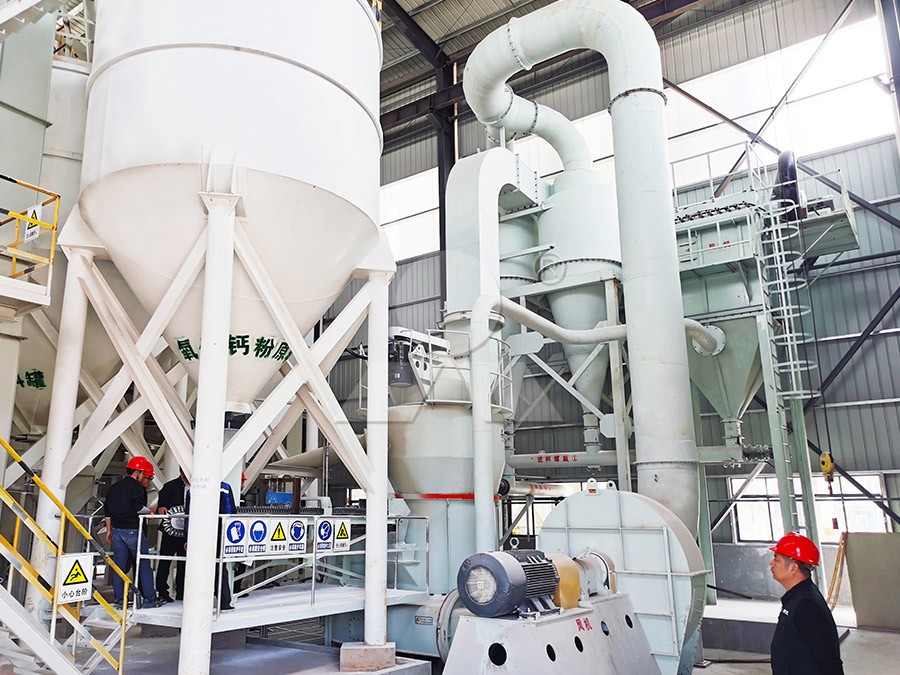
The Challenges of Marble Powder Production
Marble, composed primarily of calcite or dolomite crystals, presents unique challenges in powder processing. The material’s moderate hardness (3-4 on Mohs scale) and crystalline structure require careful handling to achieve the desired particle size distribution without compromising the whiteness and chemical purity that make marble powder valuable across numerous industries. From construction materials to pharmaceuticals, cosmetics to plastics, the quality requirements for marble powder vary significantly, demanding flexible grinding solutions capable of producing powders ranging from coarse fillers to ultra-fine functional additives.
The complete production line begins with primary crushing of quarried marble blocks, typically reduced to 0-20mm fragments suitable for feeding into grinding systems. This preparatory stage is followed by the heart of the operation: the grinding mill itself, where the actual transformation into powder occurs. Subsequent stages include classification to ensure precise particle size control, collection of the finished product, and packaging for distribution. Each component must work in perfect harmony to create an efficient, reliable production system.
Advanced Grinding Technology for Superior Results
Modern marble powder production has moved beyond traditional ball mills and Raymond mills to embrace more efficient, precise grinding technologies. The evolution of grinding systems has focused on reducing energy consumption while increasing production capacity and improving product quality. Today’s advanced mills incorporate intelligent control systems, precision classification technology, and environmentally conscious designs that minimize dust emissions and noise pollution.
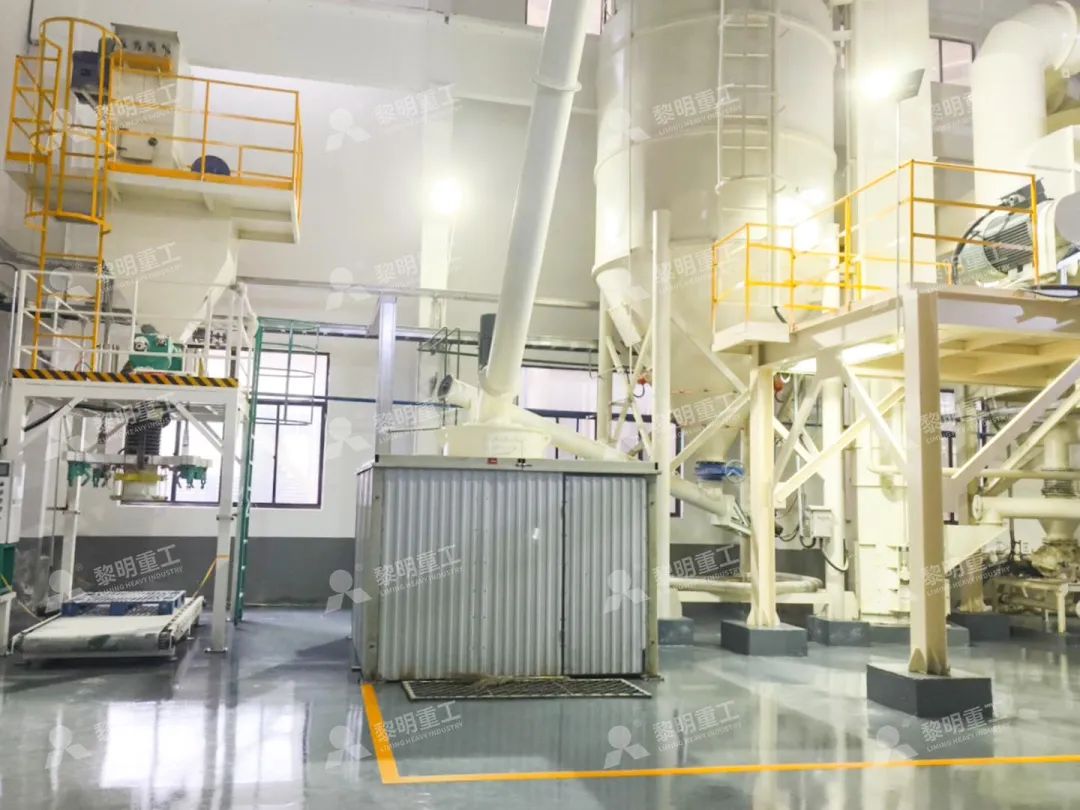
For operations requiring ultra-fine marble powders, our MW Ultrafine Grinding Mill represents the pinnacle of grinding technology. Designed specifically for customers who need to produce ultra-fine powder with precision control, this advanced system handles input sizes of 0-20 mm with production capacities ranging from 0.5 to 25 tons per hour. The MW series stands out for its exceptional efficiency, producing powders with fineness adjustable between 325-2500 meshes while consuming significantly less energy than conventional mills.
Key Advantages of Modern Grinding Systems
The technological advancements in grinding mill design have yielded substantial benefits for marble processors. Higher production yields with lower energy consumption have become the industry standard, with modern mills achieving 40% higher capacity than jet mills and double the output of traditional ball mills while using only 30% of the energy of jet grinding systems. This dramatic improvement in efficiency directly translates to lower operating costs and improved profitability.
Another critical advancement lies in the precision of particle size control. Advanced cage-type powder selectors, incorporating German technology, enable exact control over final product fineness. The multi-head cage-type powder selector can be configured according to specific production requirements for yield, fineness, and sieving rate, ensuring that processors can consistently meet their customers’ exact specifications.
Reliability and maintenance considerations have also seen significant improvements. The elimination of rolling bearings and screws within the grinding chamber of mills like our MW series removes common failure points that traditionally caused downtime. With lubricating devices installed externally, lubrication can be performed without shutdown, enabling continuous 24-hour operation that maximizes production uptime.

Environmental Compliance and Operational Safety
Modern marble powder production must adhere to increasingly stringent environmental regulations. Advanced grinding systems address these requirements through integrated pulse dust collectors that effectively contain powder throughout the milling process, eliminating dust pollution. Combined with silencers and noise elimination rooms, these systems operate well within national environmental protection standards, making them suitable for installation in diverse locations without concerns about environmental impact.
For operations requiring vertical grinding solutions, our LUM Ultrafine Vertical Grinding Mill offers another excellent option for marble processing. With an input size of 0-10 mm and capacity of 5-18 tph, this mill integrates the latest grinding roller technology with advanced German powder separating technology. The LUM series excels in producing superfine dry powder of non-metal ores including marble, with features that ensure high whiteness and cleanliness of finished products.
Comprehensive Production Line Integration
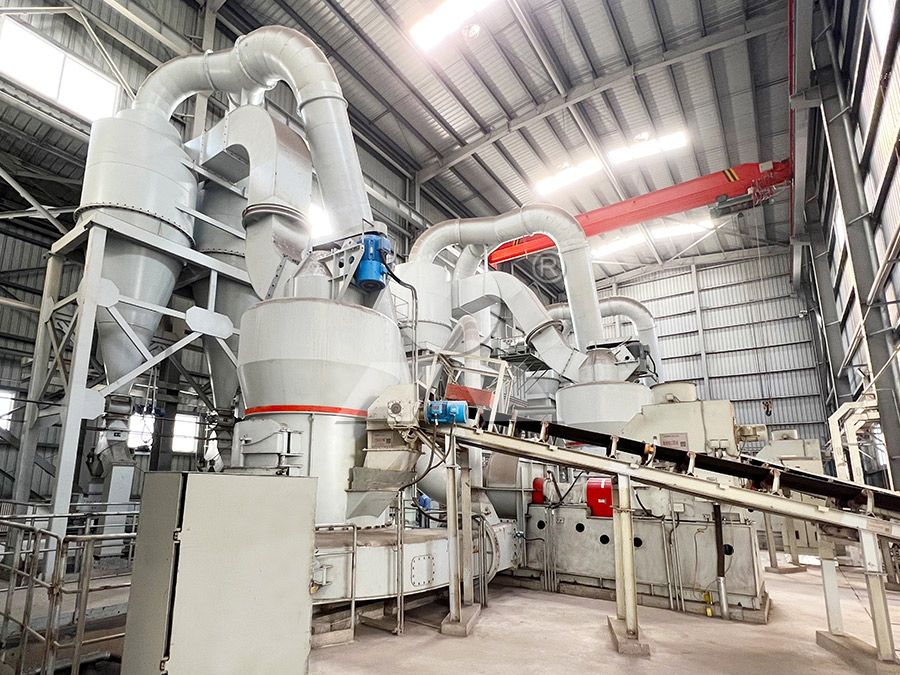
A successful marble powder production operation depends on more than just the grinding mill. Complete production lines incorporate coordinated systems for material handling, grinding, classification, and product collection. From the initial jaw crusher that reduces marble blocks to manageable sizes, through vibrating feeders that ensure consistent material flow, to the final packaging systems that prepare the finished powder for shipment, each component must be carefully selected and integrated.
The digital revolution has transformed grinding mill operation and maintenance. Modern numerical control manufacturing ensures high precision in core components, while PLC control systems enable precise adjustment of grinding pressure, rotational speed, and other critical parameters. These advancements not only improve product quality but also simplify operation and reduce the skill level required for effective mill management.
After-sales support represents another critical consideration in selecting a marble powder production system. Comprehensive technical services and genuine spare parts availability ensure worry-free operation over the long term. Manufacturers with integrated production and sales operations can provide the responsive support necessary to minimize downtime and maintain consistent product quality.
Selecting the Right Solution for Your Needs
Choosing the appropriate grinding system for marble powder production requires careful analysis of specific requirements. Production capacity, target fineness, energy availability, space constraints, and budget considerations all influence the selection process. For high-volume production of coarse to medium-fine marble powders, vertical roller mills offer excellent efficiency and reliability. For ultra-fine applications requiring precise particle size control, specialized ultrafine grinding mills provide the necessary technology.
The future of marble powder production continues to evolve toward greater efficiency, higher automation, and improved environmental performance. By partnering with experienced grinding technology providers and implementing complete, integrated production lines, processors can position themselves for success in competitive markets while meeting the increasingly demanding requirements of end-users across multiple industries.
Frequently Asked Questions
What is the typical production capacity for a complete marble powder grinding line?
Production capacity varies significantly based on the specific grinding mill selected and the target fineness. Our MW Ultrafine Grinding Mill offers capacities from 0.5 to 25 tons per hour, while our LUM Vertical Grinding Mill provides 5-18 tph capacity. The final output is influenced by factors including material hardness, feed size, and desired product fineness.
How fine can marble powder be ground with your equipment?
Our MW Ultrafine Grinding Mill can produce marble powder with fineness adjustable between 325-2500 meshes, with the capability to achieve d97≤5μm in a single pass. The precise fineness can be tailored to specific application requirements through adjustment of the powder selection system.
What are the energy consumption characteristics of modern marble grinding mills?
Advanced grinding mills like our MW series consume approximately 30% of the energy required by traditional jet mills while providing 40% higher production capacity. The energy efficiency results from optimized grinding curves, precision classification systems, and reduced mechanical resistance in the grinding chamber.
How does your equipment address environmental concerns regarding dust and noise?
Our grinding mills incorporate efficient pulse dust collectors that prevent dust emissions throughout the entire milling process. Additionally, silencers and noise elimination rooms are configured to reduce operational noise, ensuring compliance with national environmental protection standards.
What maintenance requirements should we expect with these grinding systems?
Modern designs significantly reduce maintenance needs. The MW series, for example, eliminates rolling bearings and screws within the grinding chamber, removing common failure points. External lubrication systems enable maintenance without shutdown, and wear-resistant materials extend component life. Regular maintenance primarily involves inspection of grinding elements and classification components.
Can the same equipment process materials other than marble?
Yes, our grinding mills are versatile and can process various non-metallic minerals including limestone, calcite, dolomite, talc, barite, and gypsum. The specific configuration may be optimized for different materials to achieve maximum efficiency and product quality.
What technical support do you provide after installation?
We offer comprehensive technical services including installation guidance, operational training, troubleshooting support, and supply of genuine spare parts. Our integrated production and sales approach ensures responsibility for every machine we produce and continuous support throughout the equipment lifecycle.