
Manufacturing Process of Cement Mill Plant: From Raw Materials to Finished Product
We provide a wide range of mills — including Raymond mill, trapezoidal mill, vertical mill, ultrafine mill, and ball mill, obtained ISO9001 international quality certification, EU CE certification, and Customs Union CU-TR certification. Suitable for processing minerals such as limestone, phosphate, quicklime, kaolin, talc, barite, bentonite, calcium carbonate, dolomite, coal, gypsum, clay, carbon black, slag, cement raw materials, cement clinker, and more.
The discharge range of these mills can be adjusted to meet specific processing needs, typically from 80-400 mesh, 600-3250 mesh, and can achieve the finest particle size of up to 6000 mesh(D50).
If you are looking for a reliable grinding solution to turn stone or minerals into fine powder, please feel free to contact our online customer service.
Manufacturing Process of Cement Mill Plant: From Raw Materials to Finished Product
The journey of cement, the fundamental building block of modern infrastructure, begins long before it reaches the construction site. It’s a sophisticated dance of geology, engineering, and precise manufacturing. The process within a cement mill plant transforms raw, quarried materials into the fine, reactive powder we know as cement. Here’s a detailed look at this intricate process.
1. Quarrying and Pre-Homogenization: The Starting Point
The primary raw materials for cement are limestone (calcium), clay or shale (silica, alumina, iron), and sometimes sand or iron ore. These are extracted from quarries, often located adjacent to the plant to minimize transport costs. The extracted rock is crushed by massive crushers to a size manageable for further processing, typically less than 75mm. Given the natural variation in raw material composition, the crushed rock is then stacked and reclaimed in a pre-homogenization yard. This ‘blending’ process, often using a circular or longitudinal stockpile, ensures a consistent chemical mix is fed to the raw mill, which is crucial for the quality of the final cement.
2. Raw Material Grinding: Creating Raw Meal
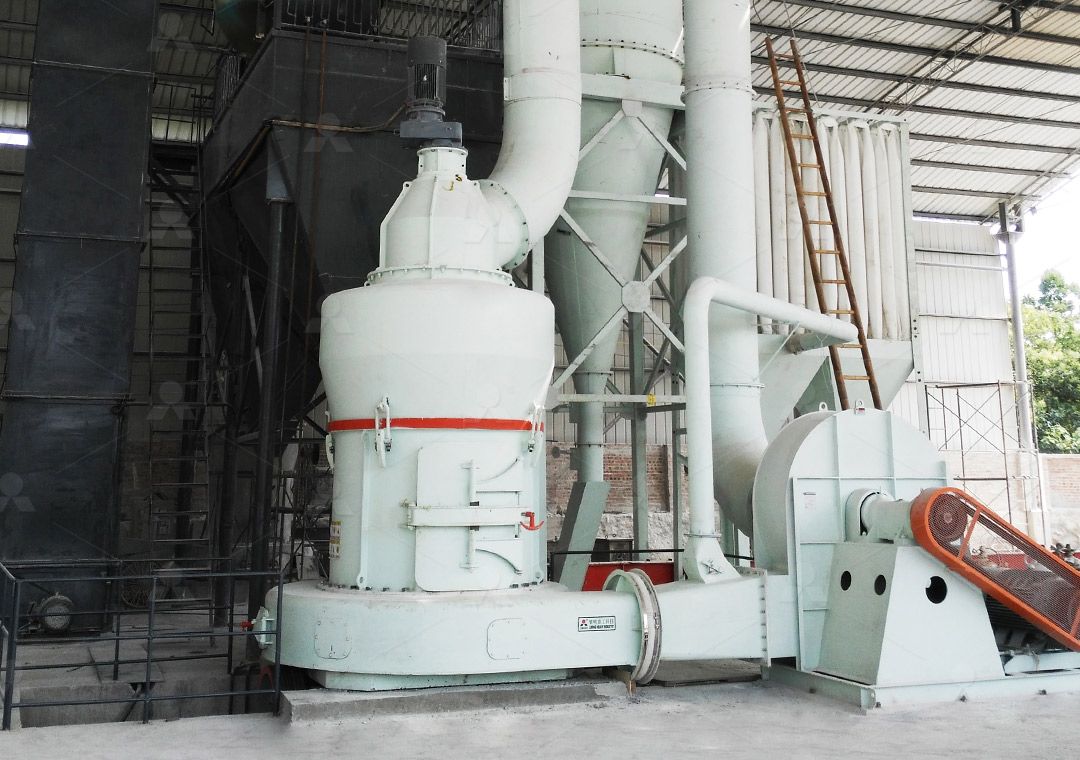
The homogenized mix of crushed materials is now fed into a raw grinding mill. This is a critical step where the materials are dried and ground into an extremely fine powder called ‘raw meal’. The grinding can be done in ball mills, vertical roller mills, or other grinding systems. Hot gases from the kiln system are often used here to dry the materials during grinding, improving efficiency. The fineness of the raw meal is vital as it ensures the subsequent chemical reactions in the kiln are complete and efficient.
3. Pyroprocessing: The Heart of the Process – The Kiln
The raw meal is then fed into the immense cement kiln, a large, rotating cylindrical furnace slightly inclined on its axis. This is where the magic of chemistry happens. As the meal moves slowly down the kiln, it is subjected to increasingly intense heat, peaking at around 1450°C. This process, called clinkering, causes a series of complex chemical reactions. Key among them is the formation of calcium silicates, the primary minerals responsible for cement’s strength. The output of the kiln is ‘clinker’ – dark, grey, marble-sized nodules.
4. Clinker Cooling and Storage
The red-hot clinker exiting the kiln must be cooled rapidly. This is done in a clinker cooler, which uses air to bring the temperature down. Rapid cooling is important as it stabilizes the desired compounds and improves the cement’s grindability. The cooled clinker is then transported to storage silos, where it can be held until needed for the final grinding stage.
5. Cement Grinding: The Final Touch
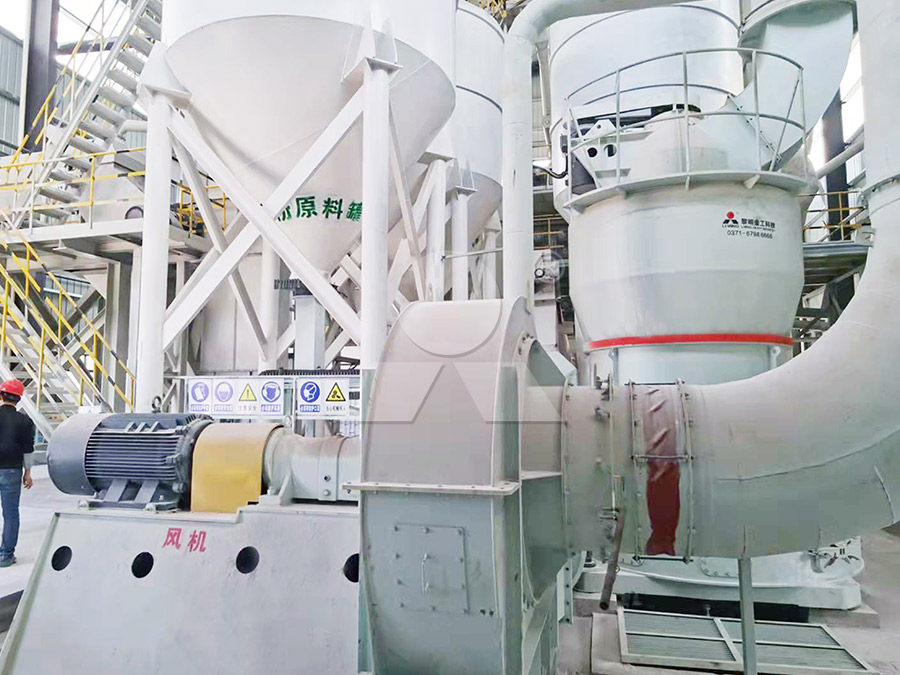
This is the final and crucial step where clinker is ground into the fine powder we recognize as cement. A small amount of gypsum (3-5%) is added to the clinker before grinding to control the setting time of the final product. This grinding process demands precision and efficiency. This is where advanced grinding technology makes a monumental difference. For plants looking to produce ultra-fine or specialized cements with exceptional efficiency, our MW Ultrafine Grinding Mill is an ideal solution. Engineered for customers requiring ultra-fine powder, this mill boasts higher yielding and lower energy consumption—up to 40% higher capacity than jet mills with system energy consumption only 30% of them. Its adjustable fineness between 325-2500 meshes allows for precise product control, while its innovative design with no rolling bearings or screws in the grinding chamber eliminates common failure points. Furthermore, its efficient pulse dust collector ensures the entire milling operation is eco-friendly, aligning with modern environmental standards.
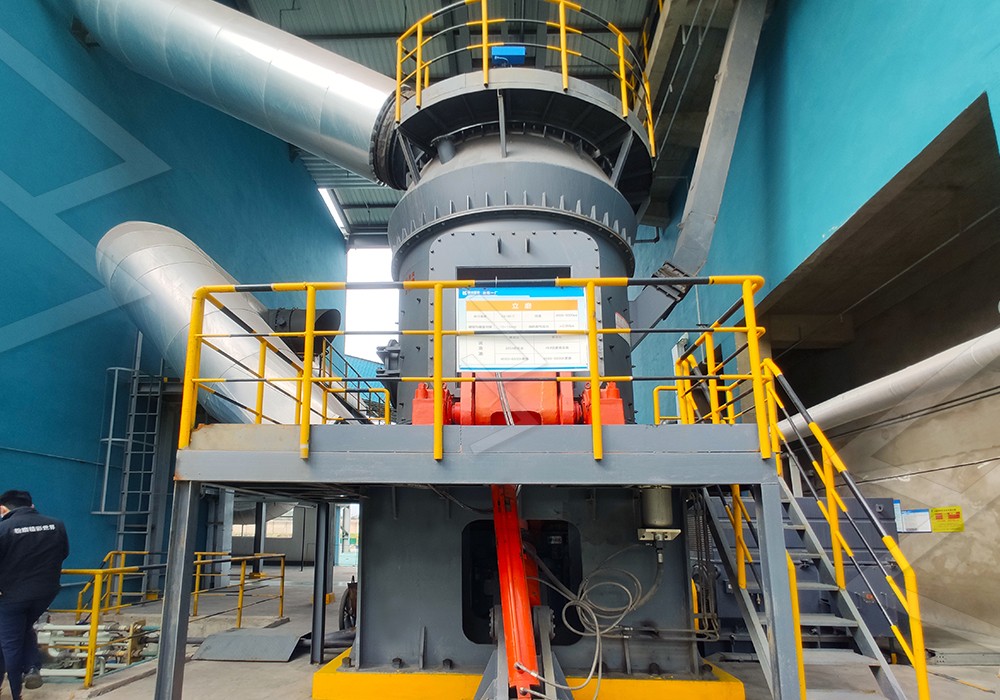
For high-volume production of standard cement grades, another excellent workhorse in our lineup is the LM Vertical Grinding Mill. It integrates crushing, drying, grinding, classifying and conveying together, reducing its coverage area by 50% compared to a ball mill and saving energy consumption by 30%-40%. Its short grinding time and stable, automated operation make it a cornerstone of modern, efficient cement plants.
6. Storage, Packing, and Dispatch
The finely ground cement is pneumatically conveyed to massive storage silos. Here, it is kept until it is either loaded into bulk tanker trucks for large-scale deliveries or packed into bags (typically 25kg or 50kg) for retail distribution. Sophisticated automated packing machines ensure accuracy and speed before the bags are palletized and shipped out, ready to become part of the world’s structures.
From raw, quarried rock to the engineered powder that holds our world together, the cement manufacturing process is a testament to industrial precision and technological advancement, ensuring the strength and durability of the built environment.