
Manufacturing Process of Ball Mills: Step-by-Step Guide
We provide a wide range of mills — including Raymond mill, trapezoidal mill, vertical mill, ultrafine mill, and ball mill, obtained ISO9001 international quality certification, EU CE certification, and Customs Union CU-TR certification. Suitable for processing minerals such as limestone, phosphate, quicklime, kaolin, talc, barite, bentonite, calcium carbonate, dolomite, coal, gypsum, clay, carbon black, slag, cement raw materials, cement clinker, and more.
The discharge range of these mills can be adjusted to meet specific processing needs, typically from 80-400 mesh, 600-3250 mesh, and can achieve the finest particle size of up to 6000 mesh(D50).
If you are looking for a reliable grinding solution to turn stone or minerals into fine powder, please feel free to contact our online customer service.
Manufacturing Process of Ball Mills: Step-by-Step Guide
Ball mills are a cornerstone of the industrial grinding and milling sector, used extensively for reducing ores and other materials into fine powders. The manufacturing process of these robust machines requires precision engineering, high-quality materials, and strict quality control to ensure reliability and efficiency in demanding environments. Here’s a step-by-step breakdown of how a typical ball mill is manufactured.
Step 1: Design and Engineering
The process begins with meticulous design and engineering. Using advanced CAD software, engineers create detailed blueprints that specify every component, from the massive cylindrical shell to the intricate gear systems. This phase involves calculating stresses, rotational speeds, capacity, and power requirements to meet the desired specifications for input size (typically <25mm) and capacity (ranging from 0.65 to 50 tph).
Step 2: Material Selection and Preparation
High-quality steel is paramount. The mill’s shell, end caps, and trunnions are usually fabricated from high-tensile carbon or alloy steel. Plates are cut to size using CNC plasma cutters or shearing machines. For critical wear parts like liners, high-chromium or manganese steel is selected for its exceptional abrasion resistance.
Step 3: Shell and Head Fabrication
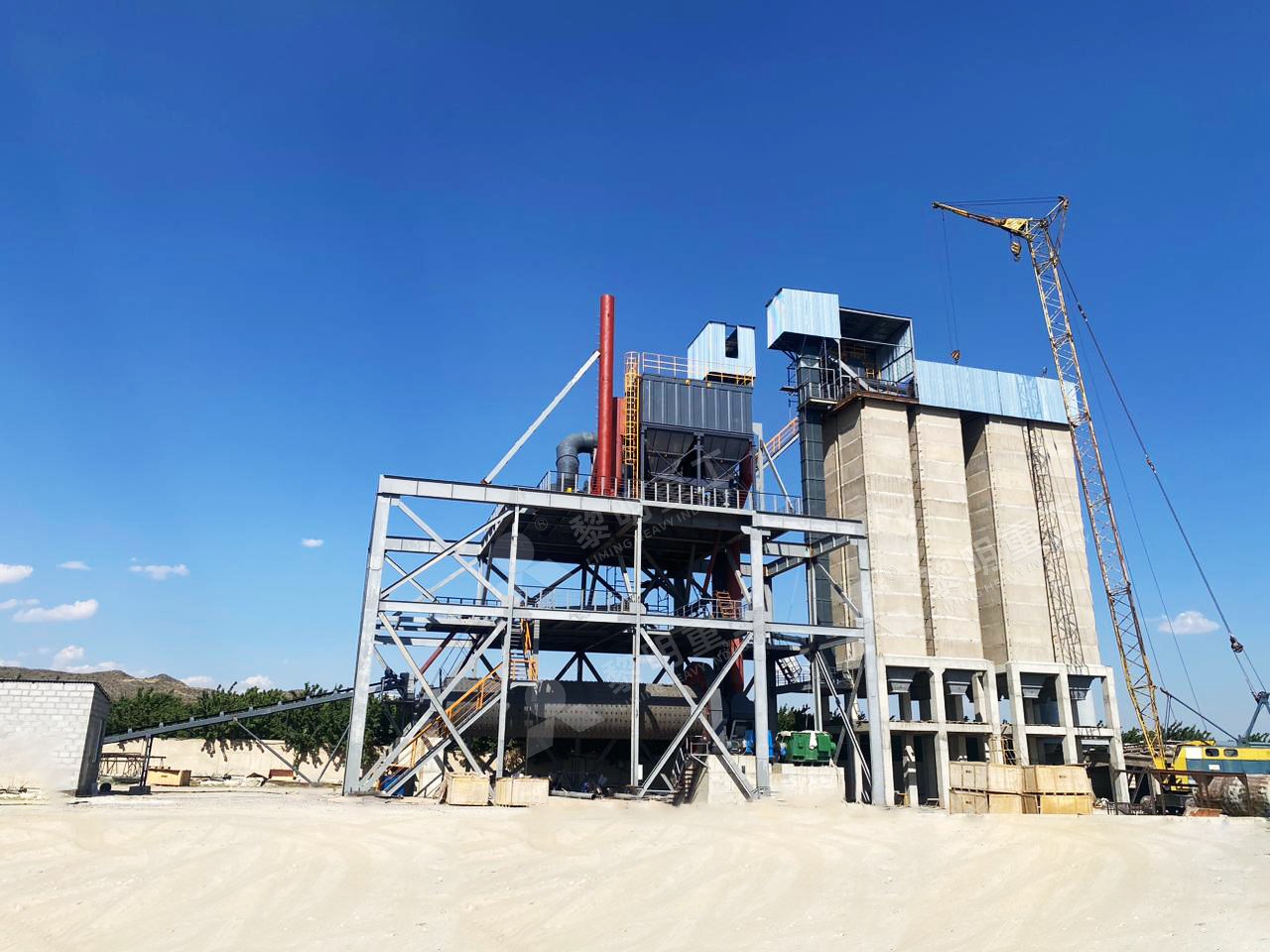
The cylindrical shell is formed by rolling the cut steel plate and welding the longitudinal seam. The end heads (or trunnion ends) are forged or fabricated separately and then meticulously welded to the shell. This is a critical stage, as the alignment must be perfect to ensure smooth rotation. All welds are tested using non-destructive methods like ultrasonic or X-ray testing.
Step 4: Machining of Critical Components
Key components like the girth gear, pinion gear, and trunnion bearings undergo precision machining. Large lathes and boring mills are used to machine the mounting surfaces for the girth gear and the journals for the trunnion bearings to extremely tight tolerances. This ensures perfect alignment and minimizes vibration during operation.
Step 5: Assembly
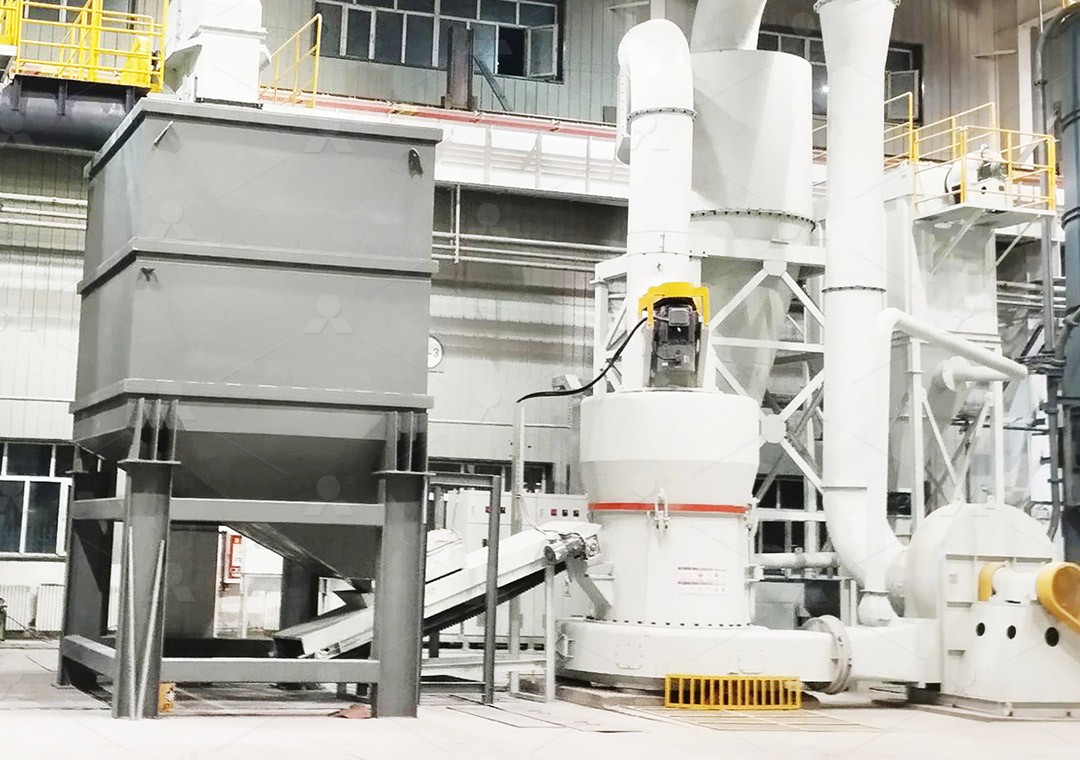
The mill is assembled in a large facility. The shell is mounted onto the already-installed trunnion bearings. The girth gear is fitted and aligned with the pinion gear, which is connected to the main drive motor and reducer. Internal components like the ladder liners, ripple liners, and classifying liners are bolted into place inside the shell.
Step 6: Painting and Finishing
After assembly, the entire mill is sandblasted to remove rust and scale and then painted with several coats of industrial-grade paint to protect it from harsh environmental conditions in plants and mines.
Step 7: Quality Control and Testing
Before shipment, the mill undergoes rigorous testing. This includes running the empty mill to check for unusual vibrations or noises, verifying alignment, and testing the lubrication and drive systems. This ensures every unit meets performance and safety standards.
Considering an Upgrade? Modern Alternatives Offer Superior Efficiency
While ball mills are reliable workhorses, modern grinding technology has leapfrogged in terms of energy efficiency and fine-powder production. For operations requiring ultra-fine powders (325-2500 meshes) with higher yields and significantly lower energy consumption, traditional ball mills can be a costly choice.
For these advanced applications, we highly recommend considering our MW Ultrafine Grinding Mill. This machine is engineered for customers who need to make ultra-fine powder efficiently. It boasts features that address common pain points:
- Higher Yielding, Lower Energy Consumption: Offers 40% higher capacity than jet mills and double the yield of ball mills, while using only 30% of the energy of a jet mill.
- Eco-Friendly Operation: Equipped with an efficient pulse dust collector and muffler, ensuring no dust pollution and reduced noise, fully complying with national environmental standards.
- Worry-Free Maintenance: A unique design with no rolling bearings or screws in the grinding chamber eliminates failures related to these components.
Another exceptional solution for fine and ultra-fine grinding is our LUM Ultrafine Vertical Grinding Mill. Integrating grinding, classifying, and transporting, it’s a masterpiece of efficiency featuring advanced grinding roller technology and multi-head powder separating technology for precise fineness control and energy savings of 30%-50%.
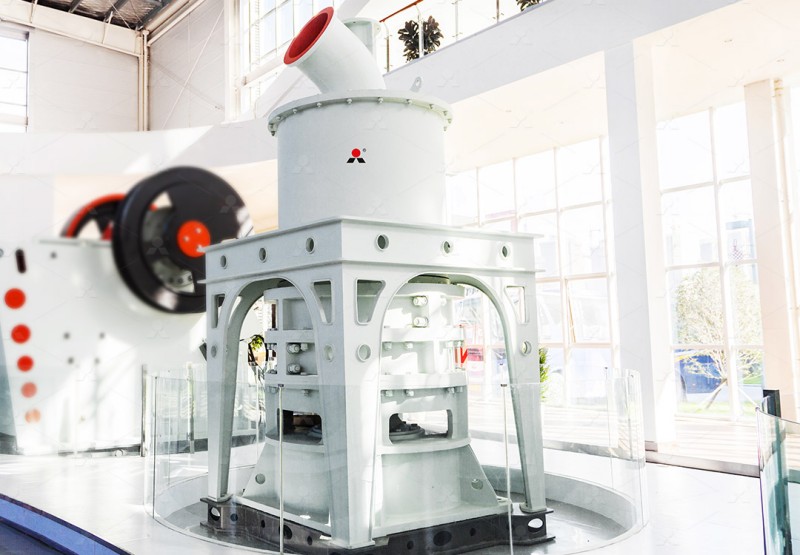
Both the MW and LUM mills represent the next generation of grinding technology, offering digitalized processing for higher precision and reliable, worry-free operation backed by our comprehensive supply of original spare parts.
In conclusion, while the manufacturing of ball mills is a complex art form of heavy fabrication, technological progress continues to offer smarter, more efficient solutions for the modern industry.