
Manufacturers of Grinding Mills for Oxygen-Enriched Side-Blown Furnace Applications
We provide a wide range of mills — including Raymond mill, trapezoidal mill, vertical mill, ultrafine mill, and ball mill, obtained ISO9001 international quality certification, EU CE certification, and Customs Union CU-TR certification. Suitable for processing minerals such as limestone, phosphate, quicklime, kaolin, talc, barite, bentonite, calcium carbonate, dolomite, coal, gypsum, clay, carbon black, slag, cement raw materials, cement clinker, and more.
The discharge range of these mills can be adjusted to meet specific processing needs, typically from 80-400 mesh, 600-3250 mesh, and can achieve the finest particle size of up to 6000 mesh(D50).
If you are looking for a reliable grinding solution to turn stone or minerals into fine powder, please feel free to contact our online customer service.
Optimizing Material Processing for Enhanced Metallurgical Operations
In the demanding world of metallurgy, particularly within oxygen-enriched side-blown furnace applications, the efficiency of the entire process hinges on the quality and consistency of the feed material. The preparation of fluxes, additives, and even certain fuel sources through fine and ultra-fine grinding is a critical step that directly impacts furnace performance, slag fluidity, and overall reaction kinetics. Selecting the right grinding equipment is paramount for manufacturers seeking to maximize yield, minimize energy consumption, and ensure operational reliability.
The Critical Role of Grinding in Furnace Efficiency
Oxygen-enriched side-blown furnaces operate under extreme conditions, requiring precisely prepared materials to facilitate optimal chemical reactions. Uniform particle size distribution ensures consistent melting rates and thorough mixing within the molten bath. Inconsistent or coarse materials can lead to channeling, uneven reactions, and increased energy consumption as the furnace works harder to process the feed. Furthermore, certain additives, like limestone for fluxing or coal for carburization, require specific surface areas to react efficiently within the short residence time of the furnace. This is where advanced grinding technology from experienced manufacturers becomes indispensable.
Introducing a Premier Solution: The MW Ultrafine Grinding Mill
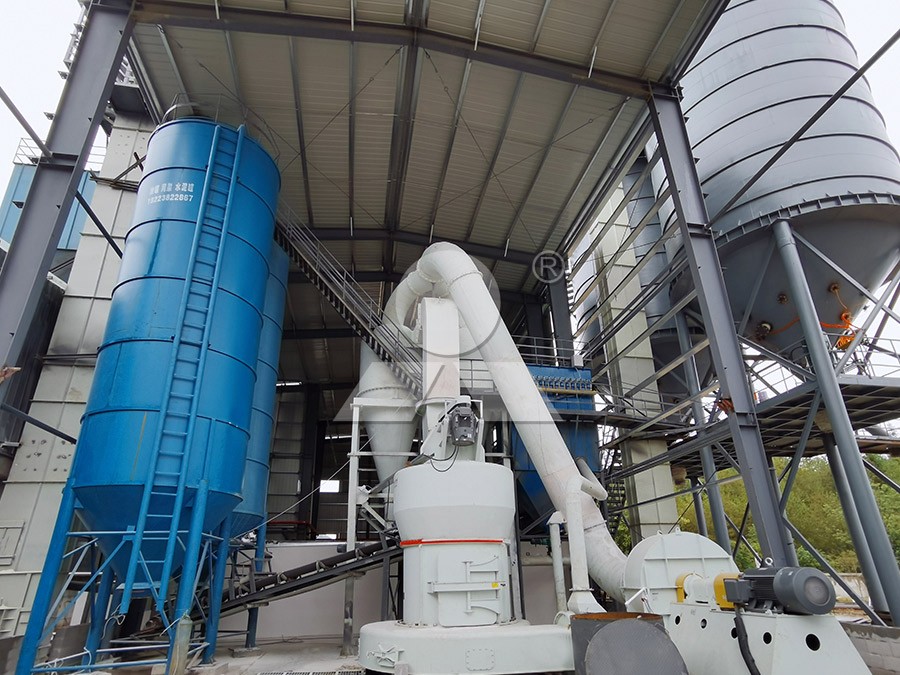
For operations where ultra-fine powders are required to enhance reaction speeds and material assimilation, the MW Ultrafine Grinding Mill presents an exceptional solution. This machine is specifically engineered for customers who need to produce high-purity, ultra-fine powder with remarkable efficiency.
- Key Specifications: Input Size: 0-20 mm | Capacity: 0.5-25 tph
- Higher Yielding, Lower Energy Consumption: Its newly designed grinding curves of the roller and ring enhance grinding efficiency, offering production capacity 40% higher than jet mills and twice that of ball mills, while slashing system energy consumption to just 30% of a jet mill’s usage.
- Adjustable Fineness (325-2500 meshes): A German-technology, cage-type powder selector allows for precise control over product fineness, achieving a superb screening rate of d97≤5μm in a single pass.
- Eco-Friendly Operation: Equipped with an efficient pulse dust collector and muffler, the MW Mill significantly reduces dust and noise pollution, ensuring full compliance with national environmental protection standards.
Its unique design, featuring no rolling bearings or screws in the grinding chamber, eliminates common failure points and allows for external lubrication without shutdown, supporting continuous 24/7 production crucial for furnace feed systems.

Beyond Ultrafine: The Versatile LM Vertical Grinding Mill
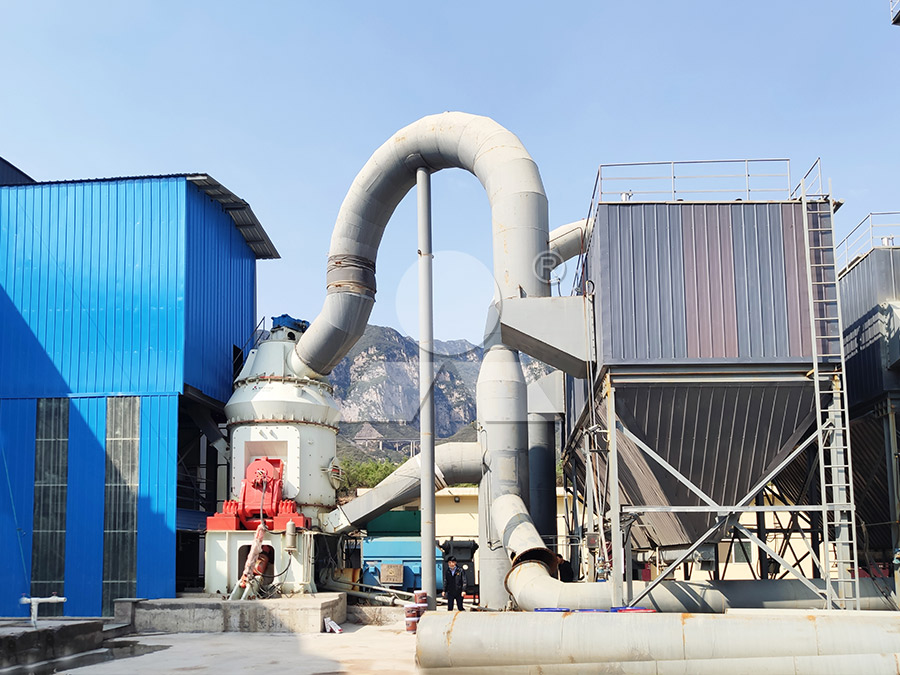
For applications requiring the processing of larger feed sizes or a broader range of materials like slag or pulverized coal for injection, the LM Vertical Grinding Mill is a robust and versatile workhorse. It integrates crushing, drying, grinding, classifying, and conveying into a single, compact unit.
- Key Specifications: Input Size: 0-70 mm | Capacity: 3-340 tph
- Less Comprehensive Investment: Its compact design reduces the occupational area by 50% compared to ball mill systems, potentially allowing for outdoor installation and drastically cutting construction and investment costs.
- Short Grinding Time & Low Iron Content: Materials have a short residence time, reducing over-grinding. The non-contact grinding principle ensures minimal iron contamination, which is critical for maintaining the chemistry and quality of the final metal product.
- Greener & More Automated: Operating under negative pressure with a sealed system, it prevents dust spillage. Expert-level automatic control allows for simple, labor-saving operation and remote monitoring.
This mill is particularly adept at handling the by-products from furnace operations, such as granulated slag, turning waste into valuable supplementary cementitious materials, thereby contributing to a more sustainable and profitable operation.
Conclusion: Partnering with the Right Manufacturer
The choice of grinding mill is a strategic decision that affects the bottom line of any metallurgical operation. It requires a partner with proven expertise in designing mills that are not only high-performing but also reliable, energy-efficient, and environmentally sound. With options ranging from the ultra-fine precision of the MW Mill to the high-capacity versatility of the LM Vertical Mill, manufacturers are equipped to provide tailored solutions that meet the specific and rigorous demands of oxygen-enriched side-blown furnace applications. Investing in the right technology ensures a smoother, more efficient, and more profitable production process from feed preparation to final tap.