
Main Technical Parameters of Ball Mills and SAG Mills for Mineral Processing
We provide a wide range of mills — including Raymond mill, trapezoidal mill, vertical mill, ultrafine mill, and ball mill, obtained ISO9001 international quality certification, EU CE certification, and Customs Union CU-TR certification. Suitable for processing minerals such as limestone, phosphate, quicklime, kaolin, talc, barite, bentonite, calcium carbonate, dolomite, coal, gypsum, clay, carbon black, slag, cement raw materials, cement clinker, and more.
The discharge range of these mills can be adjusted to meet specific processing needs, typically from 80-400 mesh, 600-3250 mesh, and can achieve the finest particle size of up to 6000 mesh(D50).
If you are looking for a reliable grinding solution to turn stone or minerals into fine powder, please feel free to contact our online customer service.
Main Technical Parameters of Ball Mills and SAG Mills for Mineral Processing
In the world of mineral processing, the selection of the right grinding equipment is paramount to operational efficiency, cost-effectiveness, and final product quality. Two of the most common workhorses in any concentrator are the Ball Mill and the Semi-Autogenous Grinding (SAG) Mill. Understanding their key technical parameters is essential for any process engineer or plant manager.
Ball Mills: The Reliable Staple
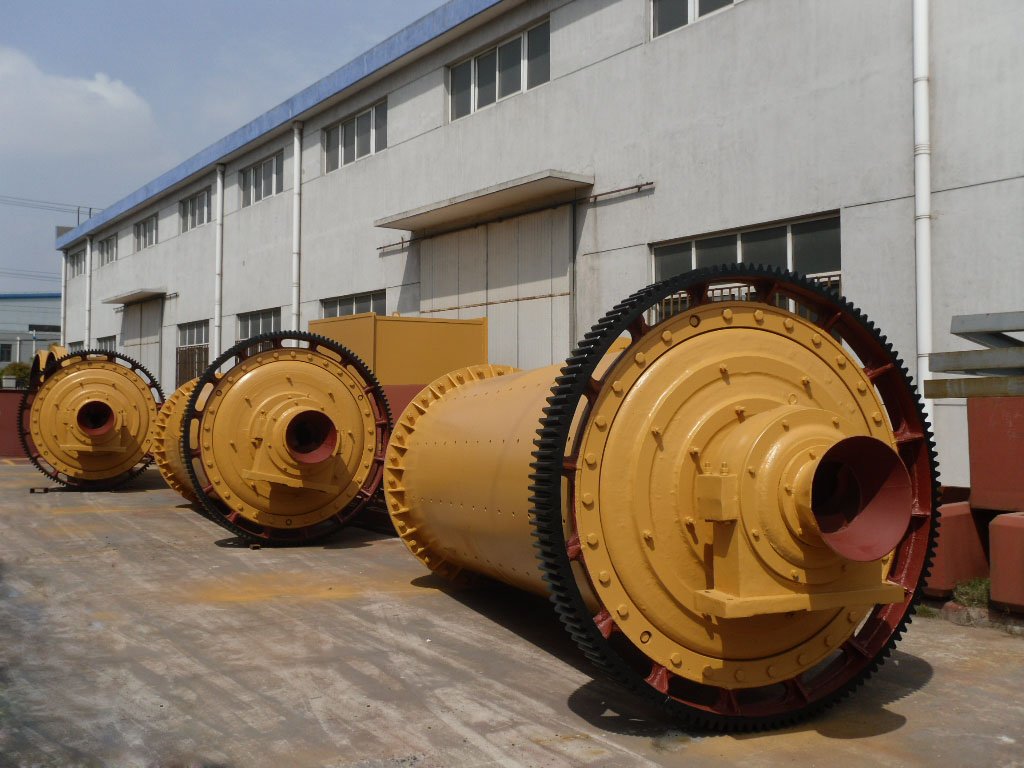
Ball mills are ubiquitous in the industry for fine and regrind applications. Their operation is relatively straightforward: material is fed into a rotating shell filled with grinding media (steel balls). The key parameters to consider include:
- Diameter & Length (D x L): Dictates the mill’s capacity and the product size distribution. The length-to-diameter ratio is critical for classifying the mill’s purpose (e.g., primary vs. secondary grinding).
- Rotation Speed: Usually expressed as a percentage of the critical speed (the speed at which centrifugal force pins the media to the shell). Optimal operation is typically 65-80% of critical speed.
- Grinding Media: The size, density, and composition of the balls significantly impact grinding efficiency and wear rates.
- Power Draw: A direct indicator of the energy being consumed for comminution, often the single largest operating cost.
- Capacity (tph): Ranges widely based on size and application, from small pilot-scale units at <1 tph to massive mills exceeding 50 tph.
SAG Mills: The Primary Workhorses
SAG mills represent a significant evolution, combining crushing and grinding in a single unit. They use a combination of ore itself as grinding media (autogenous) supplemented with a small charge of steel balls. Their parameters share some similarities but have distinct differences:
- Size: SAG mills are typically much larger in diameter relative to their length compared to ball mills. They are the largest rotating equipment in a mining operation.
- Feed Size: Can accept much larger feed directly from the primary crusher (up to 300mm), eliminating the need for secondary crushing stages.
- Ball Charge: Usually between 6-15% of the mill volume, a critical parameter for controlling the grind and preventing liner damage.
- Power & Throughput: Have a very high specific energy consumption but can process enormous tonnages, making overall circuit efficiency the key metric.
Beyond Tradition: The Ultrafine Grinding Solution
While SAG and Ball mills are fantastic for many duties, certain applications demand a leap in technology for ultra-fine powders. For projects requiring fineness between 325-2500 meshes, traditional mills often fall short on efficiency and energy consumption. This is where advanced, purpose-built machinery shines.
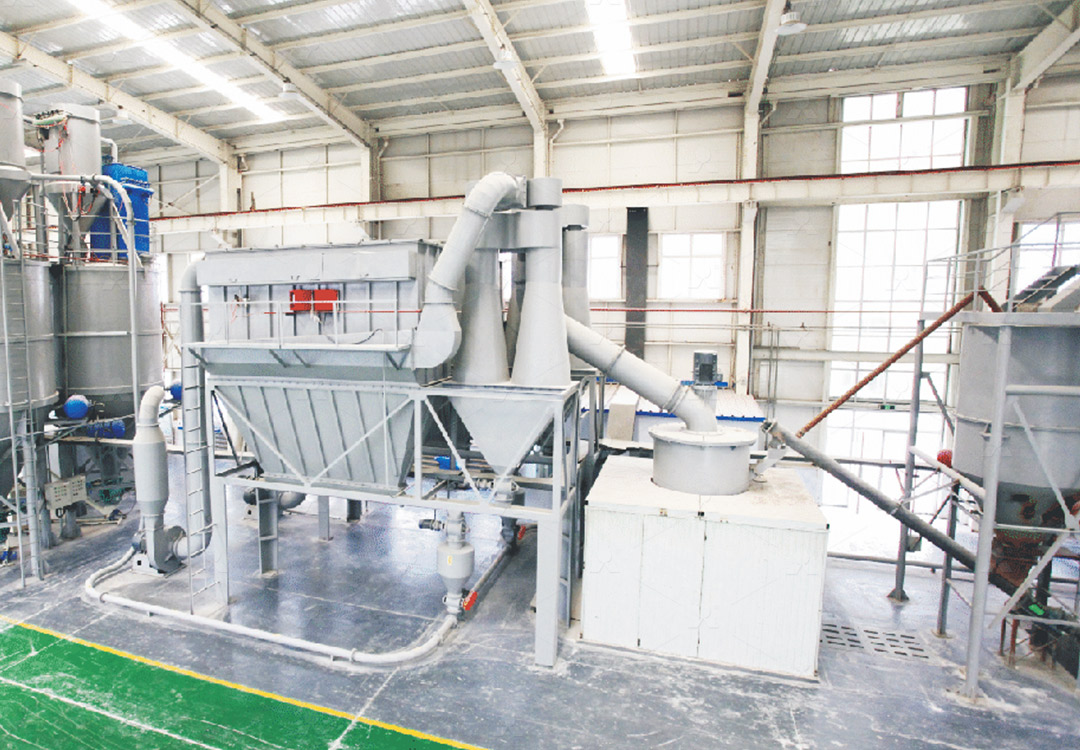
For instance, our MW Ultrafine Grinding Mill is engineered specifically for these challenges. It boasts an impressive capacity range of 0.5-25 tph from a sub-20mm feed and is designed for higher yielding at lower energy consumption. A key advantage is its innovative design which eliminates rolling bearings and screws inside the grinding chamber, virtually eradicating maintenance worries associated with those components failing. Equipped with an efficient pulse dust collector, it ensures the entire milling operation is eco-friendly, meeting stringent environmental standards without sacrificing performance.
Choosing the Right Tool for the Job
The choice between a SAG mill, a ball mill, or a specialized ultrafine mill like our MW series is never a one-size-fits-all decision. It depends on a complex interplay of factors:
- Ore characteristics (hardness, abrasiveness, moisture content)
- Desired final product size (P80)
- Plant throughput requirements
- Capital (CAPEX) and Operational (OPEX) expenditure constraints
- Available footprint and plant layout
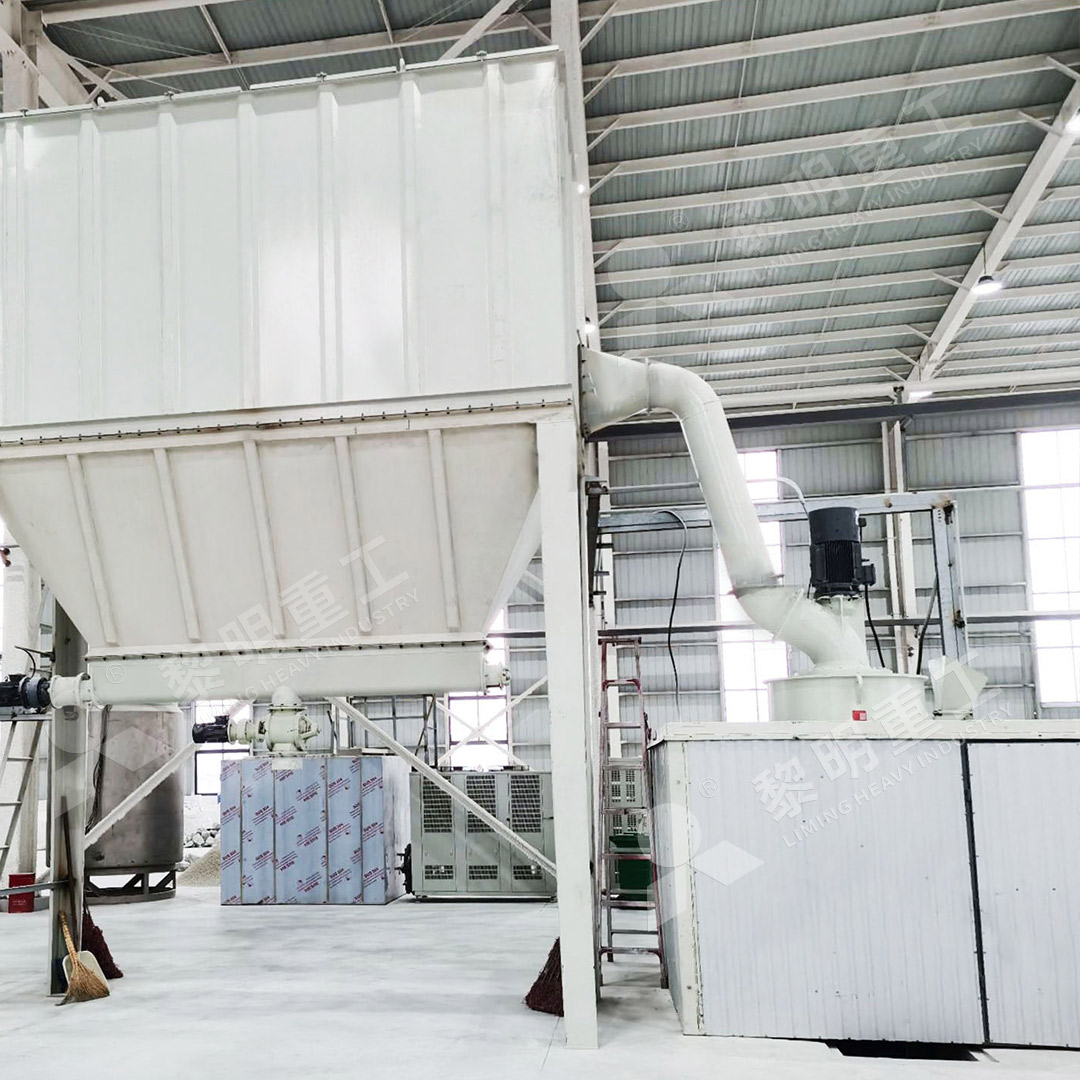
For many operations, a SAG mill followed by a ball mill circuit remains the standard. However, for specific ultra-fine applications, bypassing traditional technologies for a dedicated solution like the LUM Ultrafine Vertical Grinding Mill can be a game-changer. The LUM mill integrates grinding, classifying, and transporting with higher efficiency and lower energy consumption—up to 50% less than common grinding mills. Its reversible structure also makes maintenance significantly easier and faster, reducing costly downtime.
In conclusion, a deep understanding of the technical parameters of Ball and SAG mills provides a solid foundation for mineral processing. But truly optimizing a grinding circuit often means looking at the entire process and knowing when a specialized, high-efficiency solution can provide a superior return on investment, both economically and environmentally.