
M Series Non-Ferrous Metal Ore Grinding Mill: Key Features and Applications
We provide a wide range of mills — including Raymond mill, trapezoidal mill, vertical mill, ultrafine mill, and ball mill, obtained ISO9001 international quality certification, EU CE certification, and Customs Union CU-TR certification. Suitable for processing minerals such as limestone, phosphate, quicklime, kaolin, talc, barite, bentonite, calcium carbonate, dolomite, coal, gypsum, clay, carbon black, slag, cement raw materials, cement clinker, and more.
The discharge range of these mills can be adjusted to meet specific processing needs, typically from 80-400 mesh, 600-3250 mesh, and can achieve the finest particle size of up to 6000 mesh(D50).
If you are looking for a reliable grinding solution to turn stone or minerals into fine powder, please feel free to contact our online customer service.
M Series Non-Ferrous Metal Ore Grinding Mill: Key Features and Applications
In the demanding world of mineral processing, achieving optimal particle size distribution while maintaining operational efficiency remains a persistent challenge. For non-ferrous metal ores—including copper, lead, zinc, and aluminum—the grinding process represents a critical stage that significantly impacts downstream recovery rates and final product quality. The M Series grinding mills have been specifically engineered to address these challenges, offering advanced technological solutions for modern mineral processing operations.
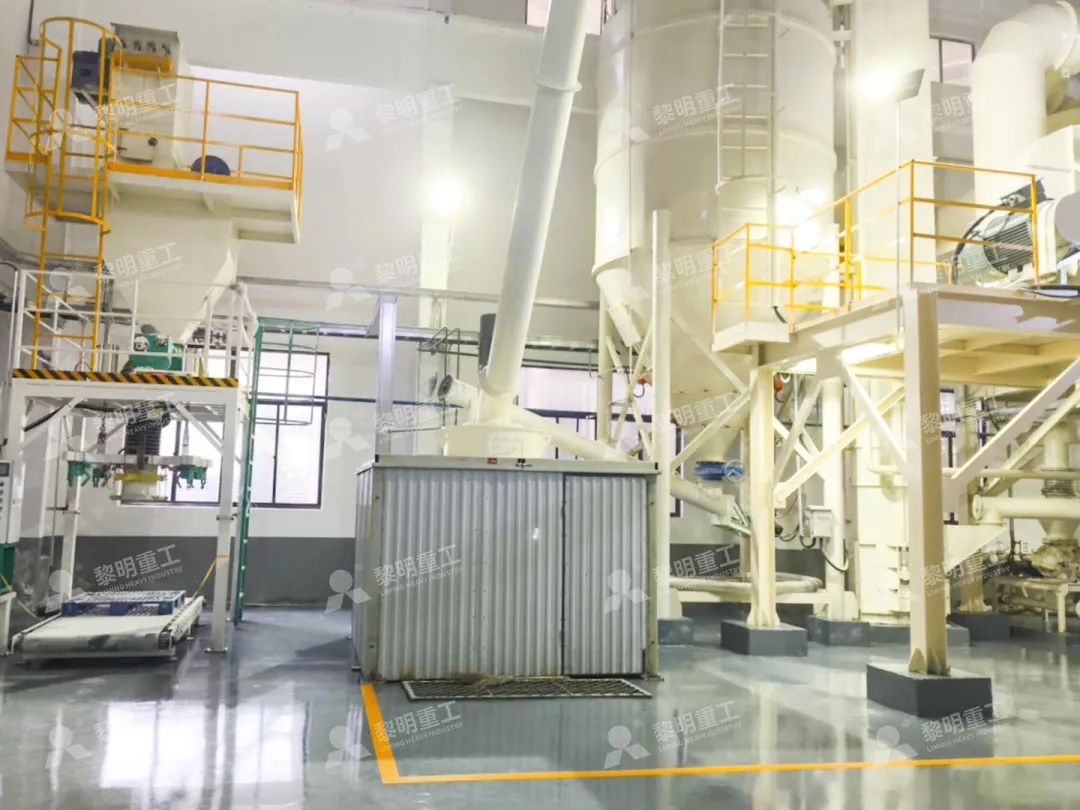
Advanced Grinding Technology for Superior Performance
The fundamental design philosophy behind the M Series revolves around maximizing grinding efficiency while minimizing energy consumption. Traditional grinding methods often suffer from inconsistent particle distribution, excessive wear part replacement frequency, and substantial energy waste. The M Series addresses these issues through innovative engineering solutions that have been proven in numerous industrial applications worldwide.
One of the standout performers in this series is the MW Ultrafine Grinding Mill, which represents a significant leap forward in ultrafine powder processing technology. With an input size capability of 0-20 mm and capacity ranging from 0.5 to 25 tph, this machine demonstrates remarkable versatility across various non-ferrous metal applications. What truly sets this equipment apart is its ability to produce powders with fineness adjustable between 325-2500 meshes while achieving a remarkable screening rate of d97≤5μm in a single pass.
Key Engineering Innovations
The MW Ultrafine Grinding Mill incorporates several proprietary technologies that contribute to its superior performance. The newly designed grinding curves of the grinding roller and ring significantly enhance grinding efficiency, resulting in production capacity that exceeds conventional jet mills by 40% and ball mills by 100% under comparable power consumption. Meanwhile, the system energy consumption is reduced to just 30% of equivalent jet grinding mill systems.
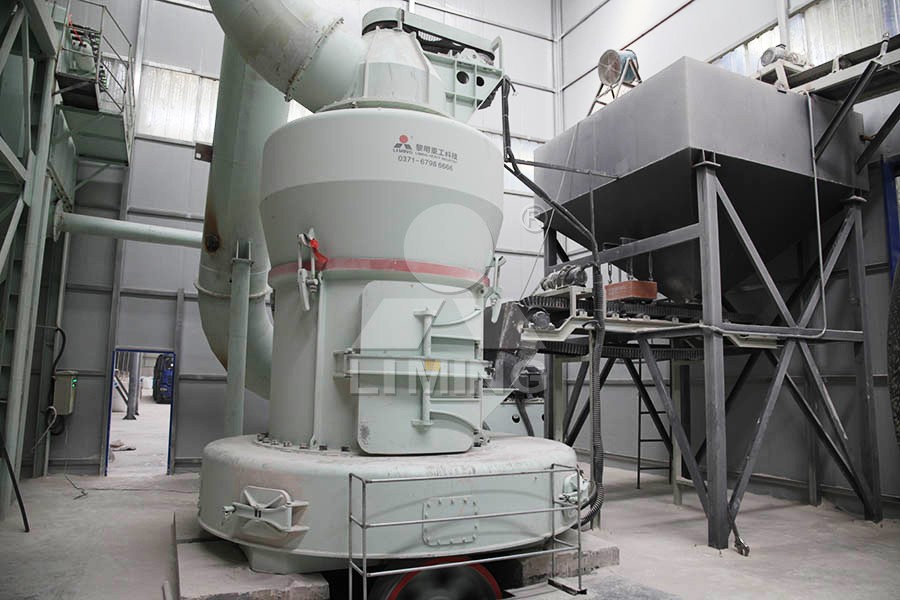
Another critical innovation lies in the elimination of rolling bearings and screws within the grinding chamber. This design decision eliminates common failure points that plague traditional grinding equipment, substantially reducing maintenance requirements and unexpected downtime. The external lubrication system enables continuous 24-hour operation without shutdowns for maintenance, a crucial feature for operations requiring uninterrupted production.
Environmental Considerations and Operational Safety
Modern mineral processing operations face increasing regulatory pressure regarding environmental compliance. The M Series mills address these concerns through integrated dust collection and noise reduction systems. The efficient pulse dust collector ensures no dust pollution during operation, while specially configured silencers and noise elimination rooms maintain workplace noise at acceptable levels. These features allow operations to consistently meet national environmental protection standards without compromising productivity.
For operations requiring vertical grinding solutions, the LUM Ultrafine Vertical Grinding Mill offers exceptional capabilities with its input size of 0-10 mm and capacity of 5-18 tph. This mill integrates the latest Taiwanese grinding roller technology with German powder separating technology, creating a comprehensive solution for ultrafine powder grinding, grading, and transporting. Its unique roller shell and lining plate grinding curve design prevents material lingering time issues and repeated grinding problems common in traditional mills.
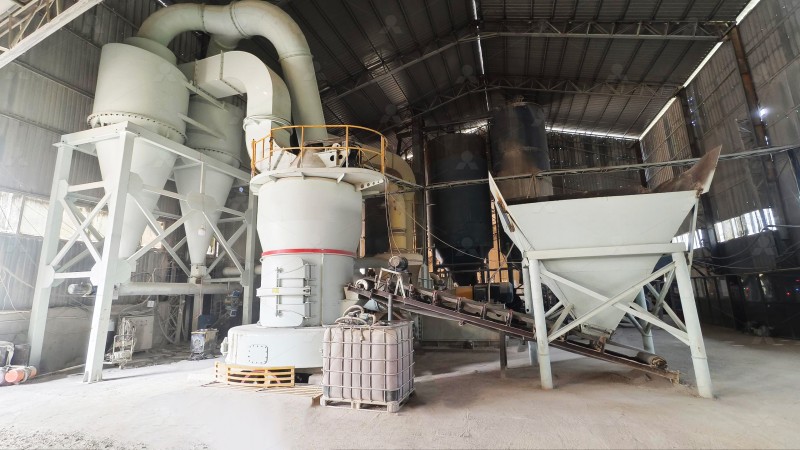
Application Spectrum Across Non-Ferrous Metal Processing
The versatility of the M Series grinding mills extends across numerous non-ferrous metal processing applications. From primary ore grinding to specialized applications in chemical industries, these mills demonstrate consistent performance across varied material characteristics. The ability to precisely control grinding parameters makes them suitable for processing everything from copper and zinc ores to more specialized materials like barite, marble, and talc used in various industrial applications.
In practical terms, operations utilizing the MW Ultrafine Grinding Mill report significantly reduced operating costs due to lower energy consumption, reduced maintenance requirements, and higher overall equipment effectiveness. The combination of German-designed cage-type powder selector technology and precision digital manufacturing ensures consistent product quality batch after batch, a critical factor for operations supplying materials to exacting specifications.
Future-Proof Design and Operational Reliability
The digital manufacturing processes employed in producing M Series mills deserve special mention. With tens of lines of numerical controlling machine tools handling operations from steel plate cutting to final paint spraying, the machining precision—particularly for core components—far exceeds industry standards. This manufacturing excellence translates directly to operational reliability and extended service life.
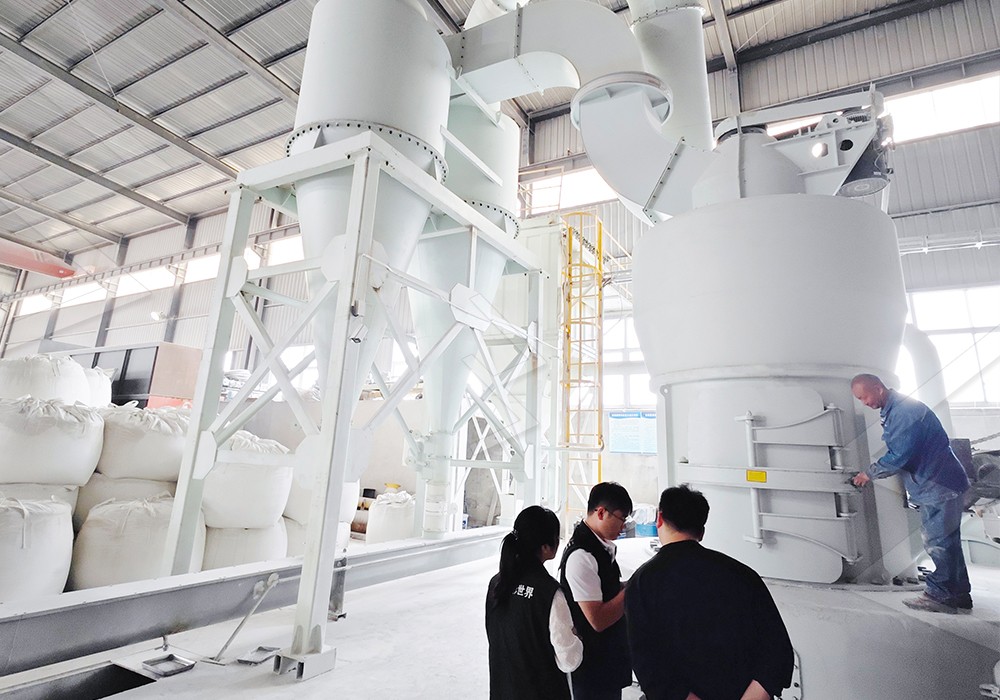
Furthermore, the comprehensive spare parts support system ensures worry-free operation. With responsibility covering both production and sales, the manufacturer stands behind every machine with technical services and original spare parts, minimizing operational risks and ensuring long-term equipment viability.
Conclusion
The M Series Non-Ferrous Metal Ore Grinding Mills represent the culmination of decades of grinding technology development. Through innovative engineering, precision manufacturing, and thoughtful design, these machines deliver unprecedented performance in non-ferrous metal processing applications. Whether selecting the MW Ultrafine Grinding Mill for its remarkable efficiency in producing ultrafine powders or the LUM Ultrafine Vertical Grinding Mill for its integrated vertical grinding solution, operations can expect significant improvements in productivity, cost efficiency, and environmental compliance.
Frequently Asked Questions
What is the typical energy consumption reduction compared to traditional ball mills?
The MW Ultrafine Grinding Mill typically reduces energy consumption by approximately 30-40% compared to traditional ball mills while achieving double the production capacity at the same fineness level.
How does the absence of rolling bearings in the grinding chamber affect maintenance?
Eliminating rolling bearings and screws from the grinding chamber significantly reduces maintenance requirements and prevents common failure points. The external lubrication system allows for continuous operation without shutdowns for bearing maintenance.
What range of fineness can be achieved with the MW Ultrafine Grinding Mill?
The mill can produce powders with fineness adjustable between 325-2500 meshes, with the capability to achieve a screening rate of d97≤5μm in a single pass operation.
How does the environmental performance of these mills compare to conventional equipment?
Integrated pulse dust collectors ensure no dust pollution during operation, while silencers and noise elimination rooms reduce operational noise. The systems are designed to meet stringent national environmental protection standards.
What types of non-ferrous metal ores are suitable for processing with these mills?
The mills effectively process various non-ferrous metal ores and associated materials including limestone, calcite, dolomite, gypsum, barite, marble, talc, and numerous other minerals used in industrial applications.
How does the digital manufacturing process impact mill performance?
Digital manufacturing using numerical control machine tools ensures high precision, particularly for core components, resulting in improved operational reliability, extended service life, and consistent product quality.
What is the typical operational lifespan of the grinding rollers and rings?
The wear-resistant alloy grinding rollers and rings typically last 1.7-2.5 times longer than traditional high manganese steel components, significantly reducing replacement frequency and operating costs.