
LUM Ultra Fine Vertical Mill for 80 Mesh Powder Production
We provide a wide range of mills — including Raymond mill, trapezoidal mill, vertical mill, ultrafine mill, and ball mill, obtained ISO9001 international quality certification, EU CE certification, and Customs Union CU-TR certification. Suitable for processing minerals such as limestone, phosphate, quicklime, kaolin, talc, barite, bentonite, calcium carbonate, dolomite, coal, gypsum, clay, carbon black, slag, cement raw materials, cement clinker, and more.
The discharge range of these mills can be adjusted to meet specific processing needs, typically from 80-400 mesh, 600-3250 mesh, and can achieve the finest particle size of up to 6000 mesh(D50).
If you are looking for a reliable grinding solution to turn stone or minerals into fine powder, please feel free to contact our online customer service.
LUM Ultra Fine Vertical Mill for 80 Mesh Powder Production
In the demanding world of industrial powder processing, achieving consistent, high-quality output at a specific fineness like 80 mesh (approximately 177 microns) is a critical benchmark. It requires equipment that blends precision engineering with operational efficiency and reliability. The LUM Ultra Fine Vertical Grinding Mill stands as a premier solution engineered to meet this exacting standard, offering a superior alternative to traditional horizontal mills and older grinding technologies.
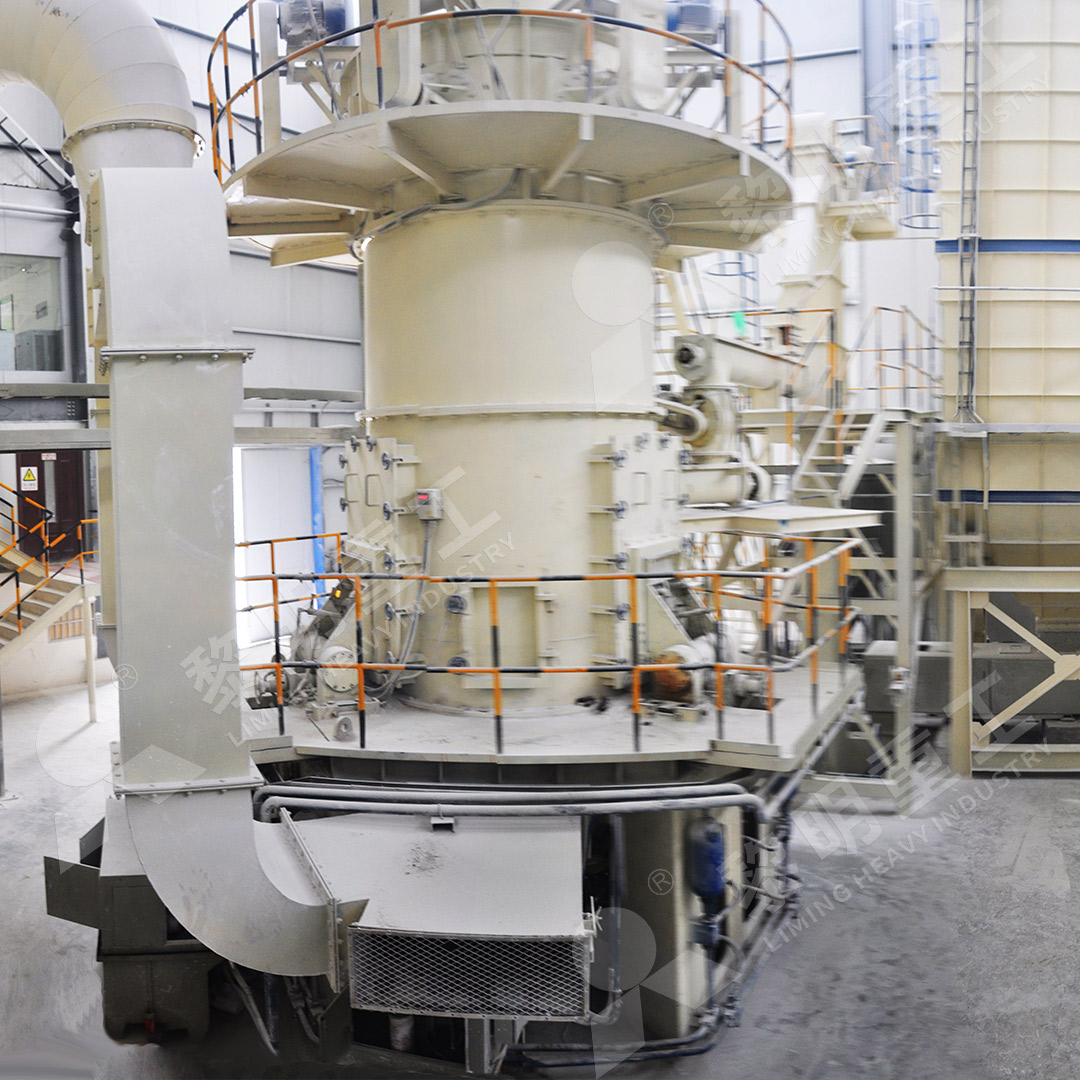
Designed and manufactured by LIMING Heavy Industry, the LUM series represents the culmination of decades of expertise in grinding technology. It incorporates advanced Taiwanese grinding roller technology and German powder separation principles into a robust vertical structure. This design is not merely an iteration but a significant evolution, specifically addressing the common pain points of traditional mills, such as inefficient energy use, inconsistent product quality, and cumbersome maintenance procedures.
Engineered for Precision and Efficiency at 80 Mesh
Producing powder at 80 mesh requires a mill capable of precise particle size control without sacrificing throughput. The LUM mill excels here through its innovative multi-head powder separating system. Driven by a PLC control system, this technology allows for accurate and rapid adjustment of the cut point, ensuring a sharp particle size distribution. Operators can dial in the exact parameters needed for 80 mesh production, and the system responds with stability, eliminating the issue of excessive fines or oversize particles that plague less sophisticated equipment.
Furthermore, the mill’s unique grinding curve, engineered into the roller shell and lining plate, is pivotal. This design promotes the formation of a stable material bed on the grinding table, facilitating efficient inter-particle comminution. The result is a higher rate of finished product in a single pass. Compared to a conventional ball mill or Raymond mill targeting the same 80 mesh fineness, the LUM vertical mill can achieve significantly higher yields while reducing energy consumption by 30% to 50%. This translates directly to lower operating costs and a smaller carbon footprint for your operation.
Unmatched Operational Stability and Ease of Maintenance
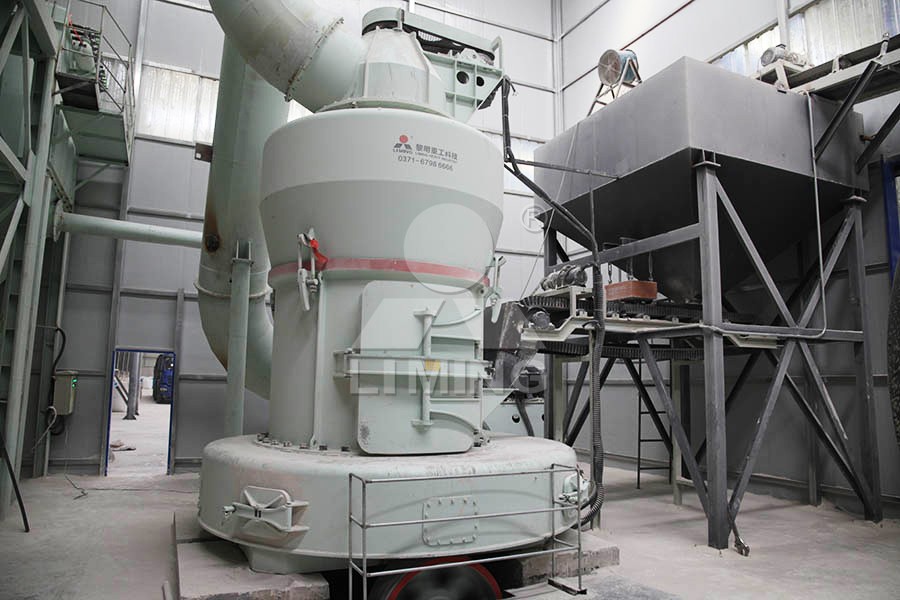
Downtime is the enemy of productivity. The LUM mill is built to maximize uptime through intelligent design features. A standout innovation is its double position-limiting technology. This system employs both electronic and mechanical safeguards to prevent the grinding rollers from making destructive contact with the millstone during unexpected events like feed fluctuations or minor explosions. This protection is crucial for preventing catastrophic damage and ensuring long-term, stable operation.
When maintenance is required, the LUM mill’s reversible structure shines. Recognizing that grinding rollers are heavy components, LIMING engineers developed a system that allows the rollers to be easily swung out of the mill body using a hydraulic device. This provides maintenance personnel with clear, safe access for inspecting or replacing wear parts like roller shells and liner plates, dramatically reducing the time and labor involved in routine servicing.
A Commitment to Quality and Environmental Stewardship
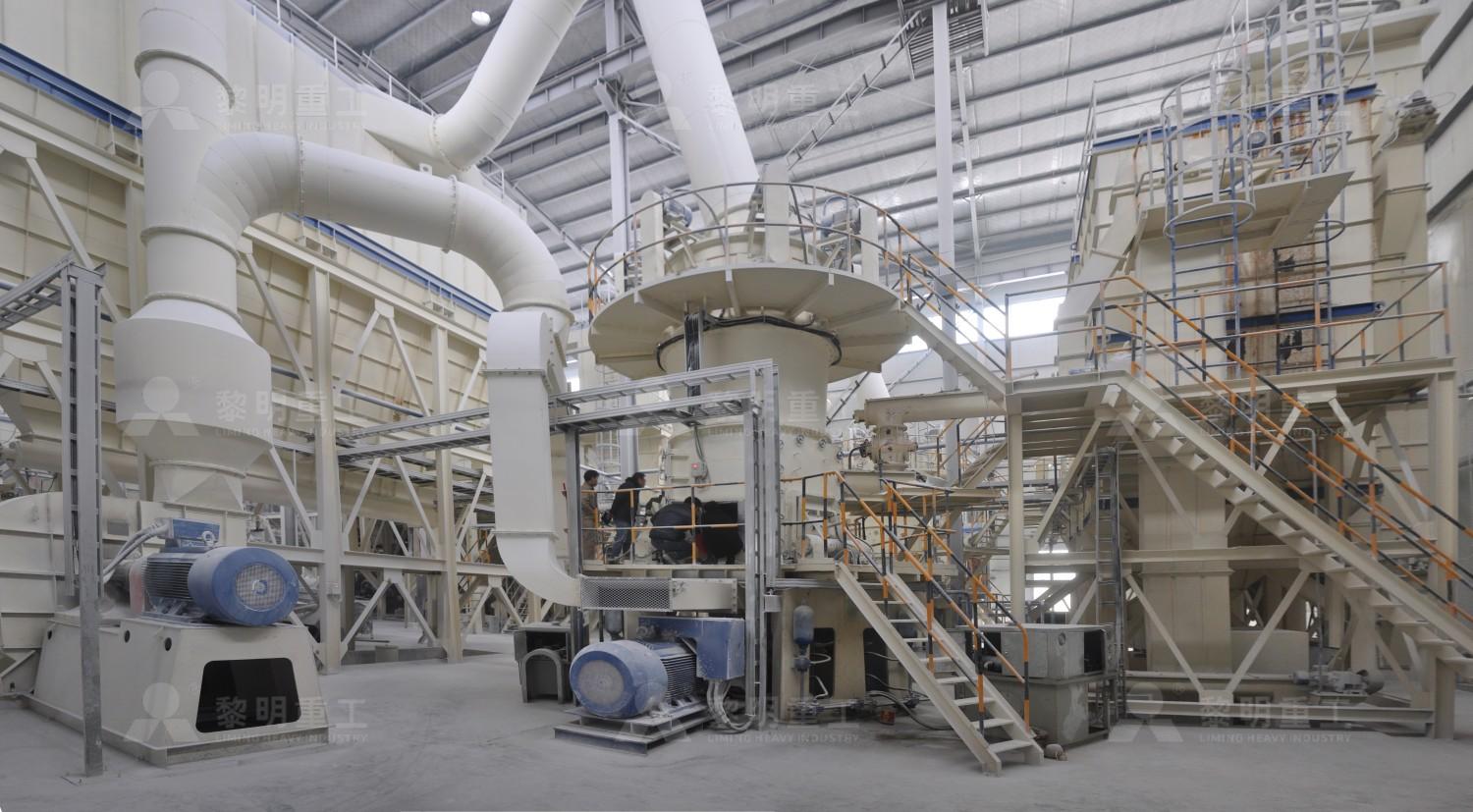
Every LUM mill benefits from LIMING’s commitment to digitalized, high-precision manufacturing. Core components are machined on CNC lines, ensuring perfect tolerances and reliable performance. The mill operates under negative pressure and is equipped with a high-efficiency pulse dust collector, guaranteeing a dust-free workshop that meets stringent international environmental standards. Noise is minimized through integrated silencers, making for a safer and more pleasant working environment.
Choosing the Right Tool for Your Application
While the LUM Ultrafine Vertical Mill is ideal for high-precision, medium-capacity grinding (5-18 tph) of non-metallic minerals down to 80 mesh and far beyond, it’s part of a broader, purpose-built family from LIMING. For operations requiring the production of ultra-fine powder in the range of 325 to 2500 meshes from materials like limestone, calcite, or talc, the MW Ultrafine Grinding Mill is an exceptional choice. It features a unique cage-type powder selector for unparalleled fineness control and a design that eliminates rolling bearings and screws in the grinding chamber for ultimate reliability.
For larger-scale projects involving materials like slag or coal, where drying and grinding must be integrated, the LM Vertical Slag Mill and LM Vertical Coal Mill are specialized workhorses. They combine crushing, drying, grinding, and conveying into a single, space-saving unit, offering tremendous savings in investment and energy consumption—up to 40% compared to ball mill systems—while maintaining excellent product quality.
In conclusion, for consistent, efficient, and clean 80 mesh powder production, the LUM Ultra Fine Vertical Grinding Mill offers a compelling technological advantage. Its blend of precision separation, energy efficiency, operational safety, and ease of maintenance makes it a smart long-term investment for processors aiming to enhance their product quality and bottom line.
Frequently Asked Questions (FAQ)
1. What is the main advantage of a vertical mill like the LUM over a traditional ball mill for 80 mesh production?
The primary advantages are significantly higher energy efficiency (30-50% less power consumption), a smaller physical footprint, integrated drying capability, and superior product quality with lower iron contamination due to minimal direct metal-to-metal contact in the grinding zone.
2. How does the LUM mill ensure consistent 80 mesh fineness?
Consistency is achieved through the advanced multi-head powder separator with PLC control. It allows precise, real-time adjustment of the separation parameters, ensuring a sharp cut and a uniform final product. The stable material bed created by the optimized grinding curve also contributes to consistent grinding results.
3. What materials are suitable for grinding to 80 mesh in the LUM mill?
The LUM mill is excellent for a wide range of non-metallic minerals, including limestone, calcite, dolomite, gypsum, barite, marble, talc, and petroleum coke. It is widely used in industries such as paints, plastics, rubber, and construction materials.
4. How difficult is it to maintain the grinding rollers?
Maintenance is designed to be straightforward. The mill features a reversible hydraulic system that allows the heavy grinding rollers to be easily turned out of the mill body externally. This provides safe and convenient access for inspection and replacement of wear parts without complex internal disassembly.
5. What environmental features does the LUM mill have?
The entire milling system operates under negative pressure and is equipped with a high-efficiency pulse jet bag filter, ensuring no dust emission. It also includes silencers and sound insulation measures to keep noise pollution well below regulated limits, making it an environmentally friendly solution.
6. Can the LUM mill produce powder finer than 80 mesh?
Absolutely. The LUM Ultrafine Vertical Mill is capable of producing powder from coarse grades up to superfine sizes exceeding 325 mesh. The fineness is easily adjustable via the PLC-controlled separator system to meet various product specifications.