
LUM Ultra Fine Vertical Mill for 500 Mesh Powder Production
We provide a wide range of mills — including Raymond mill, trapezoidal mill, vertical mill, ultrafine mill, and ball mill, obtained ISO9001 international quality certification, EU CE certification, and Customs Union CU-TR certification. Suitable for processing minerals such as limestone, phosphate, quicklime, kaolin, talc, barite, bentonite, calcium carbonate, dolomite, coal, gypsum, clay, carbon black, slag, cement raw materials, cement clinker, and more.
The discharge range of these mills can be adjusted to meet specific processing needs, typically from 80-400 mesh, 600-3250 mesh, and can achieve the finest particle size of up to 6000 mesh(D50).
If you are looking for a reliable grinding solution to turn stone or minerals into fine powder, please feel free to contact our online customer service.
LUM Ultra Fine Vertical Mill: Precision Engineering for High-Fineness Powder Production
In the demanding world of ultrafine powder processing, achieving consistent, high-quality output at 500 mesh (approximately 25 microns) and beyond is a significant technical challenge. It requires a mill that combines precision grinding, efficient classification, and operational stability. The LUM Series Ultrafine Vertical Grinding Mill, developed with deep industry expertise, stands as a premier solution engineered specifically to meet these rigorous demands for superior fineness and product quality.
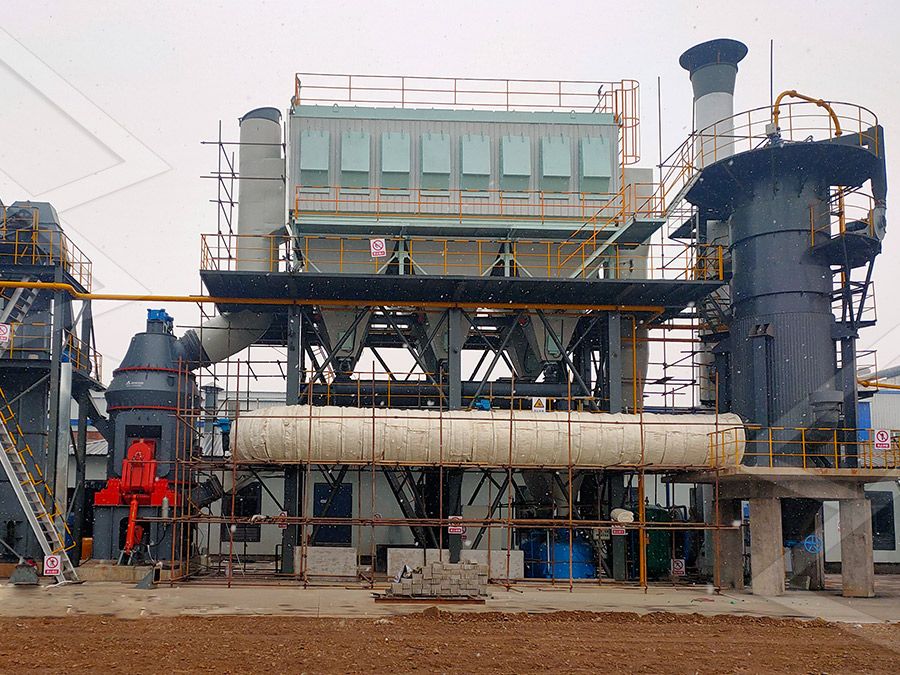
Core Technology for Unmatched Fineness Control
The journey to 500-mesh powder begins with precise grinding mechanics. The LUM mill incorporates advanced grinding roller technology and a uniquely designed roller shell and lining plate grinding curve. This design promotes the formation of a stable material bed, enabling efficient inter-particle comminution. The result is a higher rate of qualified finished product from a single pass, directly enhancing yield while improving the whiteness and purity of the output—a critical factor for applications in paints, cosmetics, and high-grade fillers.
At the heart of its fineness control is the multi-head powder separating system, leveraging German technology. This system provides exceptional precision in particle size classification, allowing operators to accurately target a 500-mesh product with a narrow particle size distribution. The fineness is seamlessly adjustable, often achieving a d97 ≤ 5μm, ensuring your product consistently meets the most stringent specifications.
Engineered for Efficiency and Reliability
Beyond precision, operational efficiency defines the LUM mill’s value proposition. Its design integrates several features that reduce downtime and lower the total cost of ownership. A standout innovation is the reversible structure of the grinding roller. Combined with a hydraulic adjustment system, this allows for easy and rapid roll-out of the grinding roller from the mill body for inspection, maintenance, or replacement of wear parts, drastically reducing service time and associated production losses.
Stability is ensured through double position-limiting technology. This system employs both electronic and mechanical limits to prevent destructive contact between the grinding roller and millstone during unexpected vibration, safeguarding the mill’s core components and ensuring continuous, stable operation.
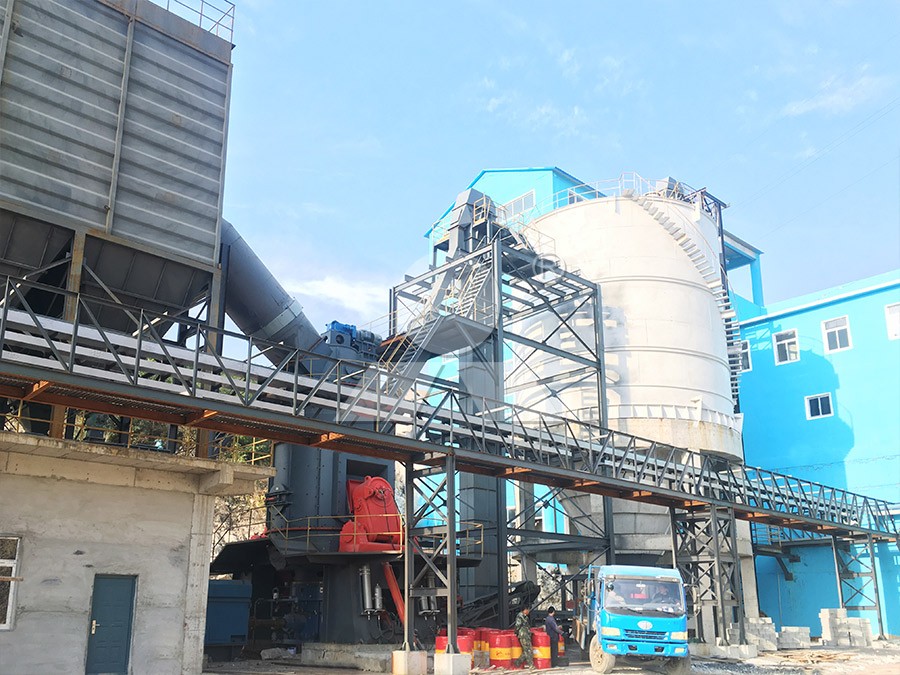
Commitment to Sustainable and Automated Operation
Modern manufacturing demands environmental responsibility. The LUM mill operates under negative pressure and is equipped with a high-efficiency pulse dust collector, ensuring a dust-free workshop environment that complies with international emission standards. Furthermore, its optimized grinding process consumes 30%-50% less energy compared to traditional grinding mills like ball mills or Raymond mills, making it a leader in energy-efficient powder production.
Automation is integral to its design. A PLC control system allows for precise regulation of grinding pressure, rotational speed, and classifier parameters. This digital control enables reproducible product quality, simple adjustment for different materials, and the option for remote monitoring, reducing manual intervention and enhancing overall plant efficiency.
Ideal Applications and Material Versatility
The LUM Ultrafine Vertical Grinding Mill excels in processing a wide range of non-metallic minerals into superfine powders. Key materials include:
- Calcite & Limestone
- Marble & Dolomite
- Talc & Barite
- Gypsum
- Coal Powder (for specialized applications)
Its ability to produce high-purity, high-whiteness powder makes it indispensable for the chemical industry, advanced plastics, high-quality paints and coatings, and functional filler production.
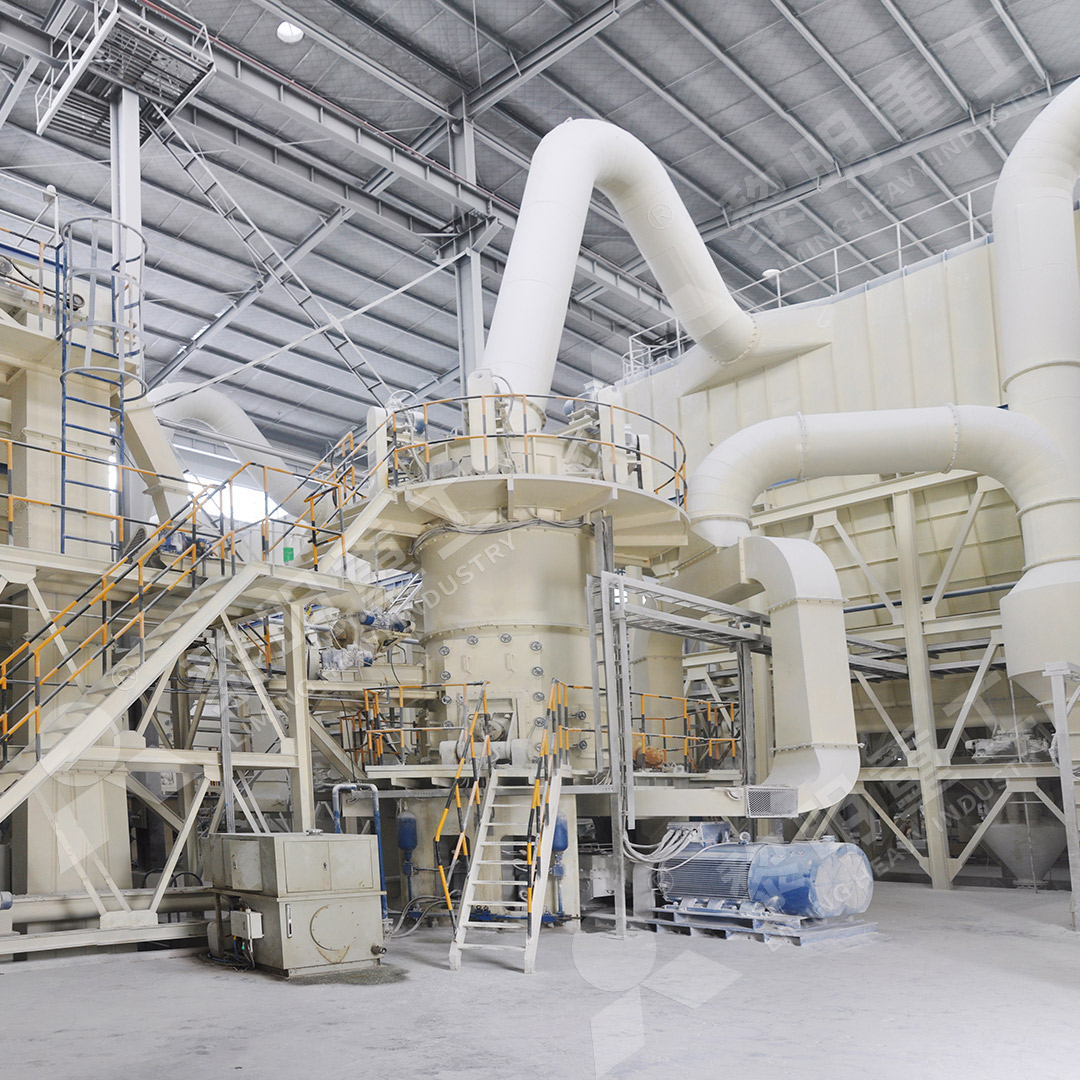
A Complementary Solution for Broader Capacity Needs
For operations requiring a different throughput range or processing slightly larger feed sizes while still targeting fine powders, the MW Series Ultrafine Grinding Mill presents an excellent alternative or complementary solution. With an input size of 0-20 mm and a capacity range of 0.5-25 tph, the MW Mill is renowned for its robust design and higher yield at lower energy consumption. It features a cage-type powder selector for precise separation between 325-2500 meshes and is engineered for worry-free operation with no rolling bearings or screws in the grinding chamber. For projects where versatility in feed size and high capacity are priorities alongside fine grinding, the MW Mill is a formidable choice.
Conclusion
The LUM Ultrafine Vertical Grinding Mill represents the culmination of focused engineering for the ultrafine powder sector. It delivers precise 500-mesh production through intelligent design, prioritizes operational stability and ease of maintenance, and upholds commitments to energy savings and environmental care. For manufacturers seeking to elevate their product quality, optimize production costs, and future-proof their grinding operations, the LUM mill offers a proven, high-performance pathway.
Frequently Asked Questions (FAQ)
- What is the typical energy consumption of the LUM mill compared to a ball mill for producing 500-mesh powder?
The LUM Ultrafine Vertical Mill is significantly more energy-efficient, typically reducing energy consumption by 30% to 50% compared to a traditional ball mill system producing powder of similar fineness, due to its advanced grinding principle and efficient classifier. - How is the final product fineness adjusted and controlled?
Fineness is primarily controlled by adjusting the rotational speed of the multi-head cage-type powder separator via the PLC system. Changes in speed alter the centrifugal force, precisely cutting the particle size. Grinding pressure can also be hydraulically adjusted for optimal results with different material hardness. - What is the maintenance interval for the grinding rollers and liner plates?
The service life depends on the material’s abrasiveness. However, the LUM mill’s reversible structure allows quick roller access for measurement and maintenance. Wear can be monitored, and due to the symmetrical design, roller sleeves can often be turned over to utilize the opposite side, extending service life. - Can the LUM mill handle moist materials?
The standard LUM mill is designed for grinding dry materials. For materials with inherent moisture, the integrated drying capability is limited. For significantly wet feedstocks, a pre-drying stage or a system with a dedicated hot air source would be required, which can be engineered into the overall plant design. - What is the difference between the LUM mill and the MW Ultrafine Grinding Mill?
While both produce ultrafine powder, the LUM is a vertical roller mill with a grinding table and rollers, excelling in energy efficiency and stability for slightly smaller feed sizes (0-10mm). The MW Mill often has a different internal grinding mechanism (ring and rollers) and accepts a larger feed size (0-20mm) with a very wide capacity range. The choice depends on specific material characteristics, required throughput, and plant layout preferences. - How does the dust collection system work?
The mill operates under negative pressure. Airflow carrying fine powder passes through a high-efficiency pulse jet bag filter. The dust collector periodically cleans the bags with compressed air pulses, collecting the product in a hopper below. Clean air is exhausted or recirculated, ensuring no dust emission.