
Low-Noise Kaolin Grinding System: Design and Benefits for Mineral Processing Plants
We provide a wide range of mills — including Raymond mill, trapezoidal mill, vertical mill, ultrafine mill, and ball mill, obtained ISO9001 international quality certification, EU CE certification, and Customs Union CU-TR certification. Suitable for processing minerals such as limestone, phosphate, quicklime, kaolin, talc, barite, bentonite, calcium carbonate, dolomite, coal, gypsum, clay, carbon black, slag, cement raw materials, cement clinker, and more.
The discharge range of these mills can be adjusted to meet specific processing needs, typically from 80-400 mesh, 600-3250 mesh, and can achieve the finest particle size of up to 6000 mesh(D50).
If you are looking for a reliable grinding solution to turn stone or minerals into fine powder, please feel free to contact our online customer service.
Low-Noise Kaolin Grinding System: Design and Benefits for Mineral Processing Plants
In the mineral processing industry, kaolin grinding presents unique challenges, particularly concerning noise pollution, energy consumption, and product quality. Traditional grinding systems often generate excessive noise, leading to operational inefficiencies and environmental concerns. This article explores the design principles and significant benefits of modern low-noise kaolin grinding systems, highlighting advanced technological solutions that address these critical issues.
The Noise Challenge in Kaolin Processing
Kaolin processing plants typically operate grinding equipment that generates noise levels exceeding 85 dB, creating hazardous working conditions and requiring extensive soundproofing measures. The conventional ball mills and Raymond mills, while effective for coarse grinding, produce significant acoustic emissions due to mechanical impacts, gear transmissions, and material collisions within the grinding chamber.
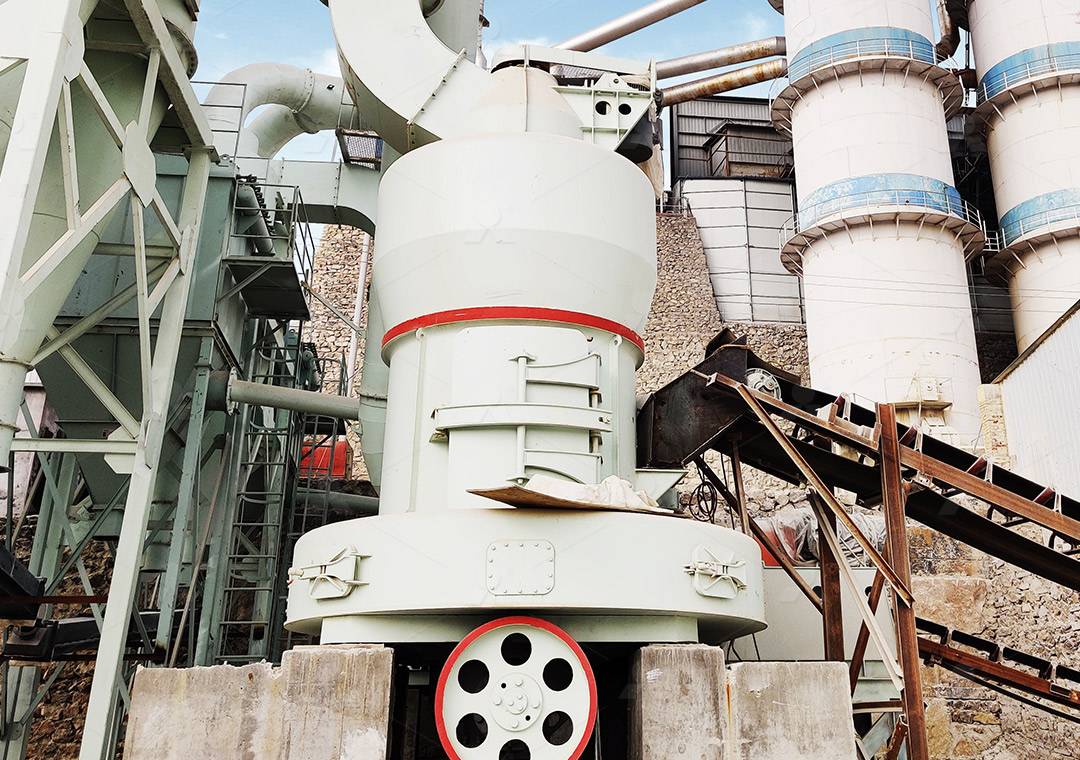
Modern low-noise systems address these challenges through innovative engineering solutions: vibration damping materials, advanced muffler designs, enclosed grinding chambers, and precision-balanced rotating components. These features collectively reduce noise emissions by 20-30 dB compared to conventional systems.
Advanced Grinding Technology for Kaolin
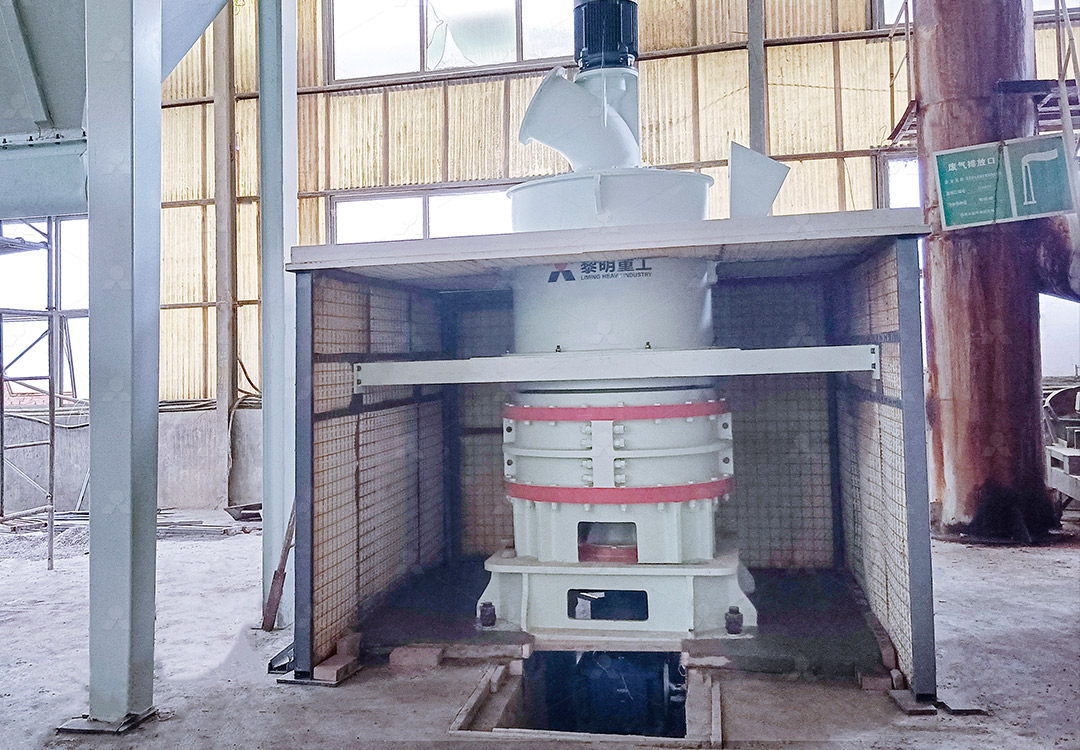
For ultrafine kaolin grinding applications, we recommend our MW Ultrafine Grinding Mill, specifically engineered for low-noise operation while maintaining exceptional grinding performance. This system features:
- Input Size: 0-20 mm
- Capacity: 0.5-25 tph
- Adjustable fineness between 325-2500 meshes
- Integrated pulse dust collector and silencer system
- No rolling bearings or screws in grinding chamber
The MW Ultrafine Grinding Mill incorporates German cage-type powder selector technology that enhances classification precision while minimizing air turbulence noise. The absence of internal rolling bearings eliminates a significant noise source, while the external lubrication system allows maintenance without shutdowns.
Environmental and Operational Benefits
Low-noise kaolin grinding systems provide substantial advantages beyond acoustic comfort. The reduced vibration extends equipment lifespan, minimizes structural stress on supporting structures, and decreases maintenance requirements. Additionally, these systems typically consume 30-40% less energy than conventional grinding mills, contributing to lower operational costs and reduced carbon footprint.
The integrated dust collection systems in modern grinding mills ensure that kaolin processing meets stringent environmental regulations. Our MW Ultrafine Grinding Mill features an efficient pulse dust collector that captures 99.9% of particulate matter, creating a cleaner working environment and preventing product loss.
Economic Considerations
While the initial investment in low-noise grinding technology may be higher than conventional systems, the long-term economic benefits are significant. Reduced energy consumption, lower maintenance costs, extended equipment life, and improved working conditions contribute to a faster return on investment. Furthermore, the ability to produce higher-value ultrafine kaolin products enhances revenue potential.
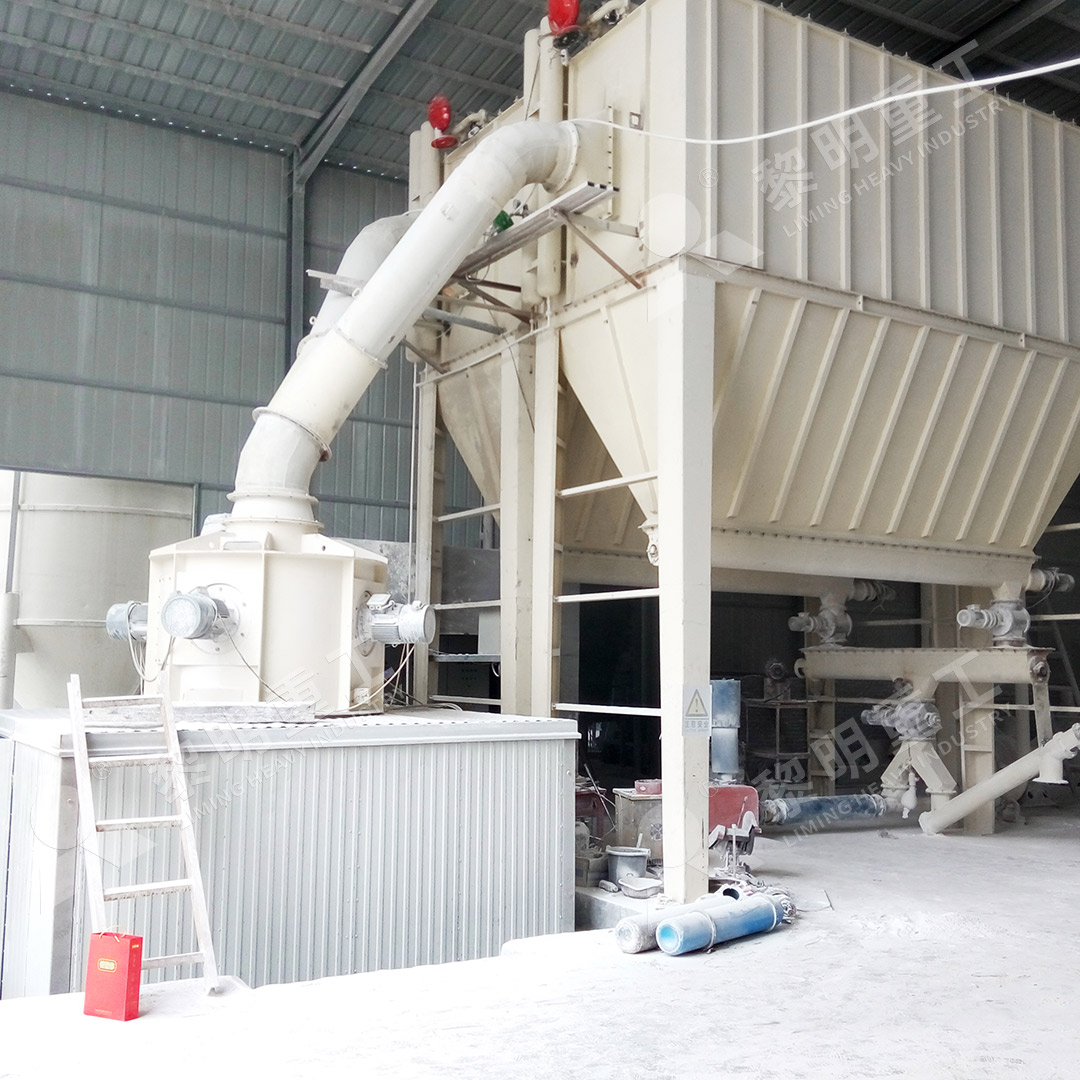
For operations requiring vertical grinding solutions, our LUM Ultrafine Vertical Grinding Mill offers exceptional performance with input size of 0-10 mm and capacity of 5-18 tph. This system incorporates the latest Taiwanese grinding roller technology and German powder separating technology, providing superior energy efficiency and minimal noise generation.
Conclusion
The adoption of low-noise kaolin grinding systems represents a significant advancement in mineral processing technology. By integrating advanced noise reduction features with high-efficiency grinding mechanisms, modern systems like our MW Ultrafine Grinding Mill deliver superior performance while addressing environmental and workplace safety concerns. As kaolin applications continue to expand into higher-value markets, investing in advanced grinding technology becomes increasingly essential for maintaining competitive advantage and sustainable operations.