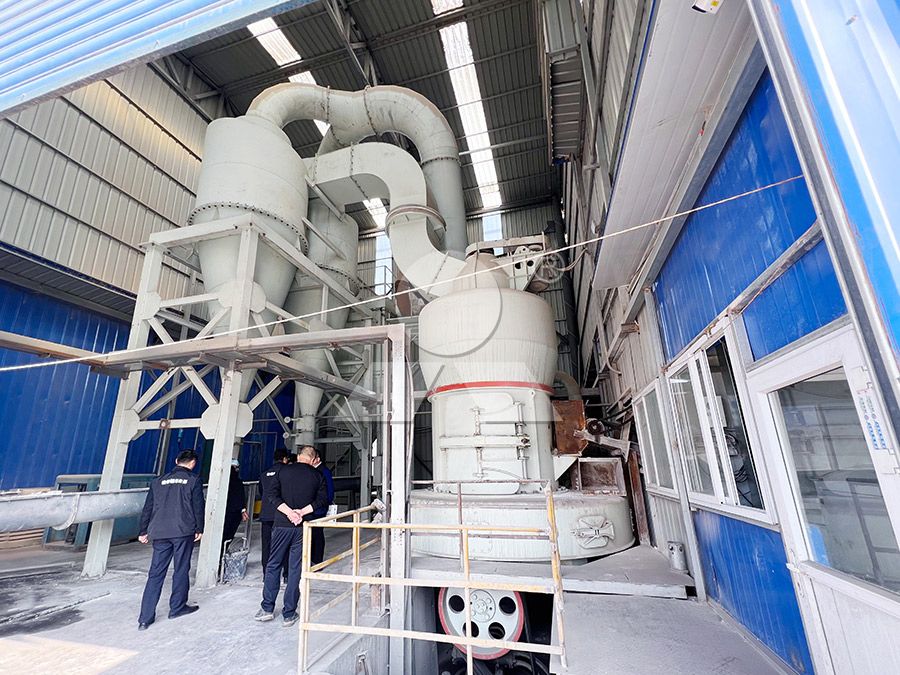
Low-Noise Gangue Pulverizing Unit: A Comprehensive Guide to Selection and Operation
We provide a wide range of mills — including Raymond mill, trapezoidal mill, vertical mill, ultrafine mill, and ball mill, obtained ISO9001 international quality certification, EU CE certification, and Customs Union CU-TR certification. Suitable for processing minerals such as limestone, phosphate, quicklime, kaolin, talc, barite, bentonite, calcium carbonate, dolomite, coal, gypsum, clay, carbon black, slag, cement raw materials, cement clinker, and more.
The discharge range of these mills can be adjusted to meet specific processing needs, typically from 80-400 mesh, 600-3250 mesh, and can achieve the finest particle size of up to 6000 mesh(D50).
If you are looking for a reliable grinding solution to turn stone or minerals into fine powder, please feel free to contact our online customer service.
Low-Noise Gangue Pulverizing Unit: A Comprehensive Guide to Selection and Operation
Hey there, fellow engineers and plant managers. Let’s talk about a real pain point in mineral processing: gangue pulverization. It’s messy, it’s noisy, and if you get it wrong, it’s a maintinence nightmare. We’ve all been there – the deafening roar of a poorly insulated mill, the dust clouds that seem to get everywhere, and the constant worry about bearing failures or screw loosening causing catastrophic downtime. Selecting the right equipment isn’t just about throughput; it’s about building a system that runs smoothly, quietly, and reliably for years to come.
Key Considerations for Selection
When you’re in the market for a gangue grinder, don’t just look at the price tag and the capacity chart. You gotta dig deeper. First, consider the input size of your raw gangue. Is it chunky, 0-50mm stuff, or is it pre-crushed finer? This will immediately narrow down your options. Next, think about your desired output fineness. Are you aiming for a coarse powder or an ultra-fine product for specialized applications? This dictates the grinding mechanism you need.
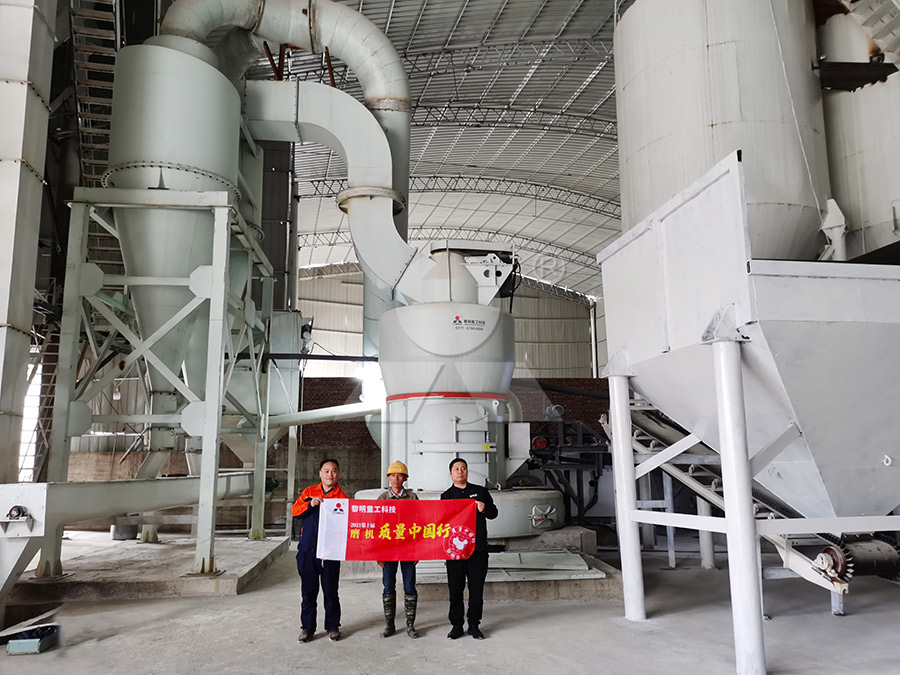
But here’s the kicker, the stuff that really hits your operational budget: noise and dust. Traditional ball mills are infamous for their high decibel levels and dusty operations. Modern mills adress this with integrated pulse dust collectors and sound-dampening technologies. Look for units that boast features like “no rolling bearings in the grinding chamber” – this is a game-changer for reducing maintenance and eliminating a major source of potential failure. Also, check the energy consumption specs. A mill that saves 30-40% on power isn’t just greener; it’s saving you a ton of money every month.
Operation Best Practices
So you’ve bought a top-tier mill. Now how do you keep it that way? Operation is key. Always, and I mean always, ensure your feed size is within the manufacturer’s specifications. Overloading the mill with oversized material is the fastest way to wear out rollers and rings. Regularly monitor the vibration levels; a sudden change often signals an imbalance or a problem with a grinding roller.
Lubrication is another critical point. While some mills require frequent greasing, others, like those with external lubrication systems, allow for lubrication without shutdown. This means you can keep the production line running for 24/7 operations without interuption for maintinence, dramatically boosting your overall output. Keep a close eye on your dust collector filters and replace them as needed to maintain peak efficiency and a clean working environment.
Our Recommended Solution: The MW Ultrafine Grinding Mill
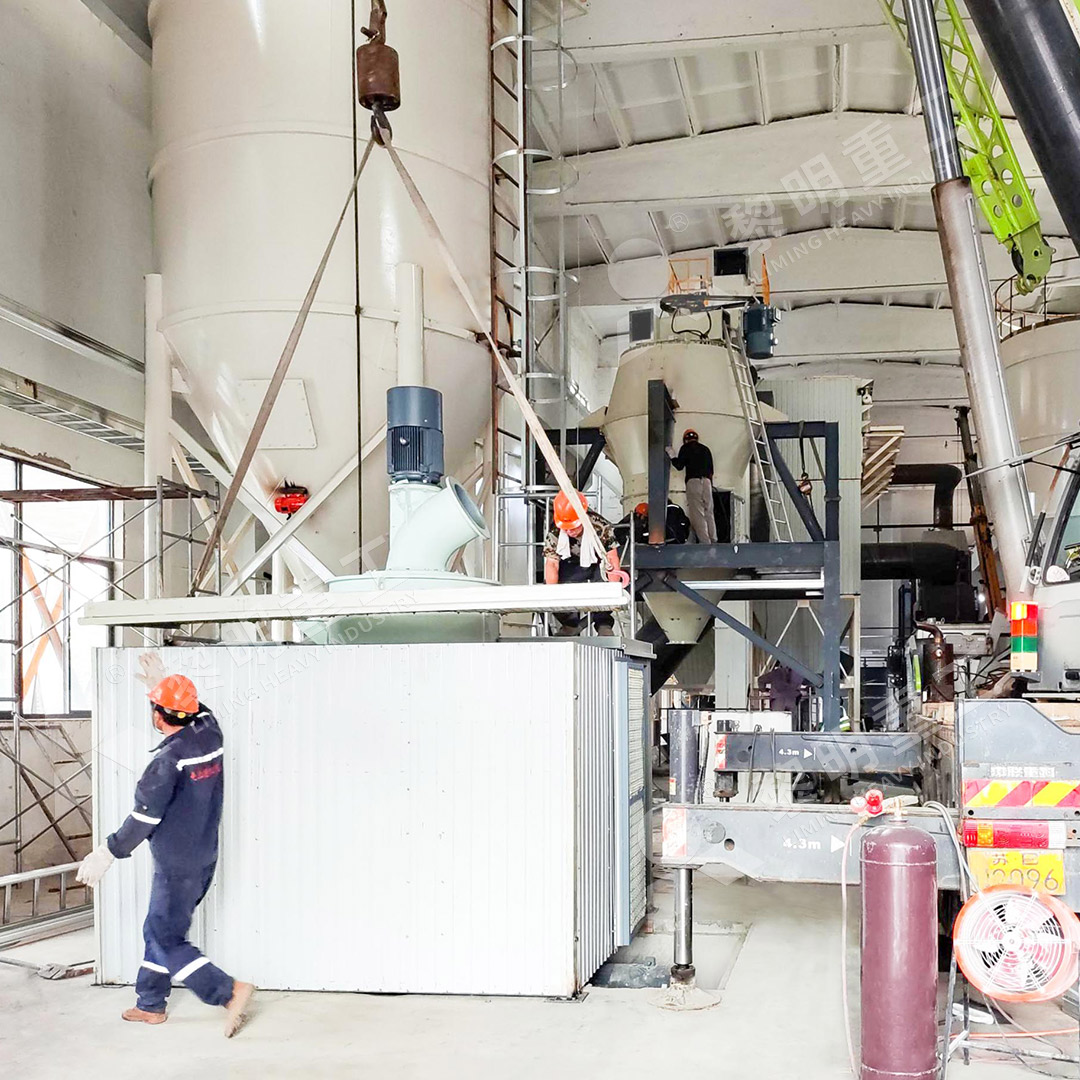
Based on years of feedback and the challenges we see in the field, one of our flagship products stands out for gangue processing: the MW Ultrafine Grinding Mill. This machine is a beast designed for making ultra-fine powder but handles gangue with incredible efficiency.
Why do we love it for this job? First, its input size (0-20mm) and capacity (0.5-25 tph) are perfectly suited for most gangue processing lines. But the real magic is in its design. It’s equipped with an efficient pulse dust collector and muffler, making it a truly low-noise, low-dust unit. Remember that worry about bearings and screws? Gone. There are no rolling bearings or screws in the grinding chamber, so you’re free from those specific failure points. The cage-type powder selector allows you to dial in the fineness you need, from 325 to 2500 meshes, giving you incredible flexibility. For operations that need to run continuously and cleanly, the MW Series is an outstanding choice that checks all the boxes.
Conclusion
Choosing and operating a gangue pulverizer doesn’t have to be a noisy, dusty headache. By focusing on key specs like feed size, desired output, and critically, built-in noise and dust suppression features, you can select a unit that maximizes uptime and minimizes operational hassles. Investing in a modern, efficient mill like our MW Ultrafine Grinding Mill translates directly to lower energy bills, a safer and quieter workplace, and a more reliable production process. Do your homework, choose wisely, and operate with care.