
Looking for Reliable Mill Board Machinery Manufacturers in Indonesia?
We provide a wide range of mills — including Raymond mill, trapezoidal mill, vertical mill, ultrafine mill, and ball mill, obtained ISO9001 international quality certification, EU CE certification, and Customs Union CU-TR certification. Suitable for processing minerals such as limestone, phosphate, quicklime, kaolin, talc, barite, bentonite, calcium carbonate, dolomite, coal, gypsum, clay, carbon black, slag, cement raw materials, cement clinker, and more.
The discharge range of these mills can be adjusted to meet specific processing needs, typically from 80-400 mesh, 600-3250 mesh, and can achieve the finest particle size of up to 6000 mesh(D50).
If you are looking for a reliable grinding solution to turn stone or minerals into fine powder, please feel free to contact our online customer service.
Navigating Indonesia’s Mill Board Machinery Landscape
Indonesia’s rapidly growing industrial sector, particularly in paper, packaging, and construction materials, has created significant demand for high-quality mill board production machinery. For businesses seeking reliable equipment, the choice of manufacturer is critical to ensuring operational efficiency, product quality, and long-term profitability. The Indonesian market offers various options, but identifying partners who combine technical expertise with robust after-sales support remains challenging for many companies.
Key Considerations When Selecting Machinery
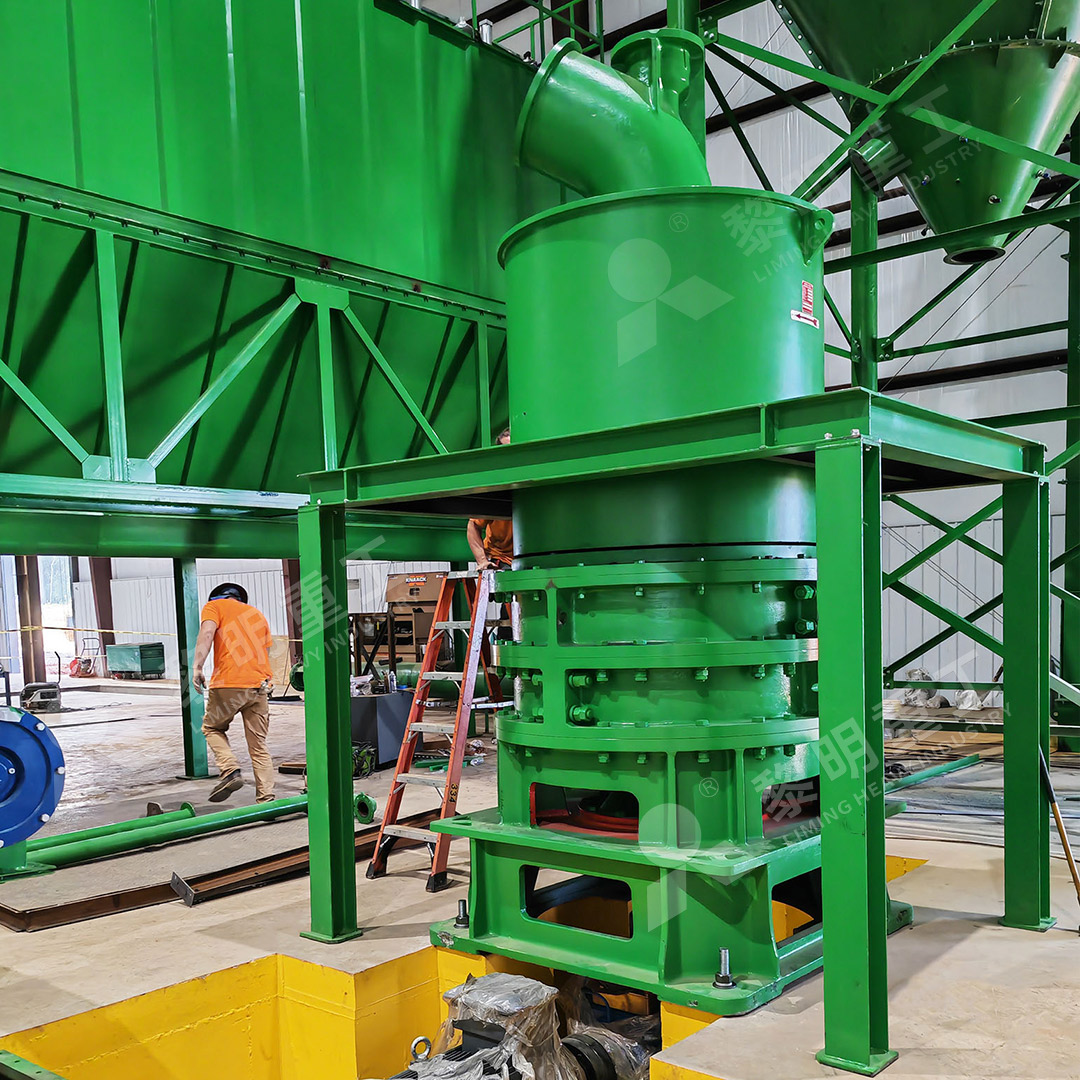
When evaluating mill board machinery manufacturers, several factors deserve careful attention. Production capacity requirements must align with your business goals, while energy efficiency directly impacts operating costs. The ability to handle specific raw materials used in Indonesian mills—whether wood pulp, recycled paper, or agricultural residues—is equally important. Additionally, local service availability, spare parts supply, and technical training provisions can significantly reduce downtime and maintenance challenges.
One standout solution gaining traction in the region is the MW Ultrafine Grinding Mill, which offers exceptional performance for operations requiring precise particle size control. With an input size capacity of 0-20 mm and production rates ranging from 0.5 to 25 tons per hour, this machine adapts well to various mill board production requirements. Its innovative design eliminates rolling bearings and screws within the grinding chamber, addressing common failure points that plague conventional equipment in humid Indonesian conditions.
Advanced Technology for Superior Results
The most successful mill board operations in Indonesia leverage technology that balances productivity with sustainability. Modern grinding mills should incorporate efficient dust collection systems to meet increasingly stringent environmental regulations. The MW Ultrafine Grinding Mill exemplifies this approach with its integrated pulse dust collector and muffler, reducing both particulate emissions and noise pollution—a significant advantage for facilities located near residential areas.
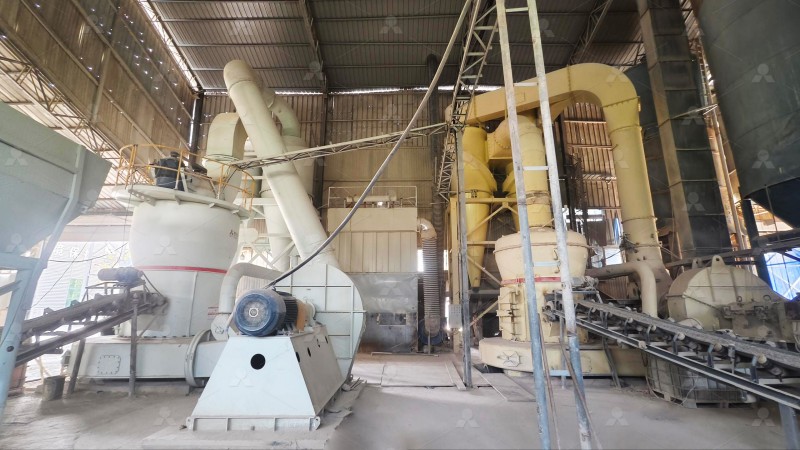
What sets advanced machinery apart is precision control over product specifications. The MW series features German-derived cage-type powder selector technology, allowing operators to adjust fineness between 325-2500 meshes with remarkable consistency. This capability ensures mill board manufacturers can meet exact customer requirements for thickness, density, and surface characteristics.
Operational Efficiency and Maintenance
Indonesian manufacturers particularly appreciate equipment that minimizes operational complexities. The external lubrication system of the MW Ultrafine Grinding Mill enables maintenance without production stoppages, supporting continuous 24-hour operations that are essential for competitive mill board production. Compared to traditional ball mills, this technology demonstrates 40% higher production capacity with 30% lower energy consumption—a crucial advantage given Indonesia’s industrial electricity costs.
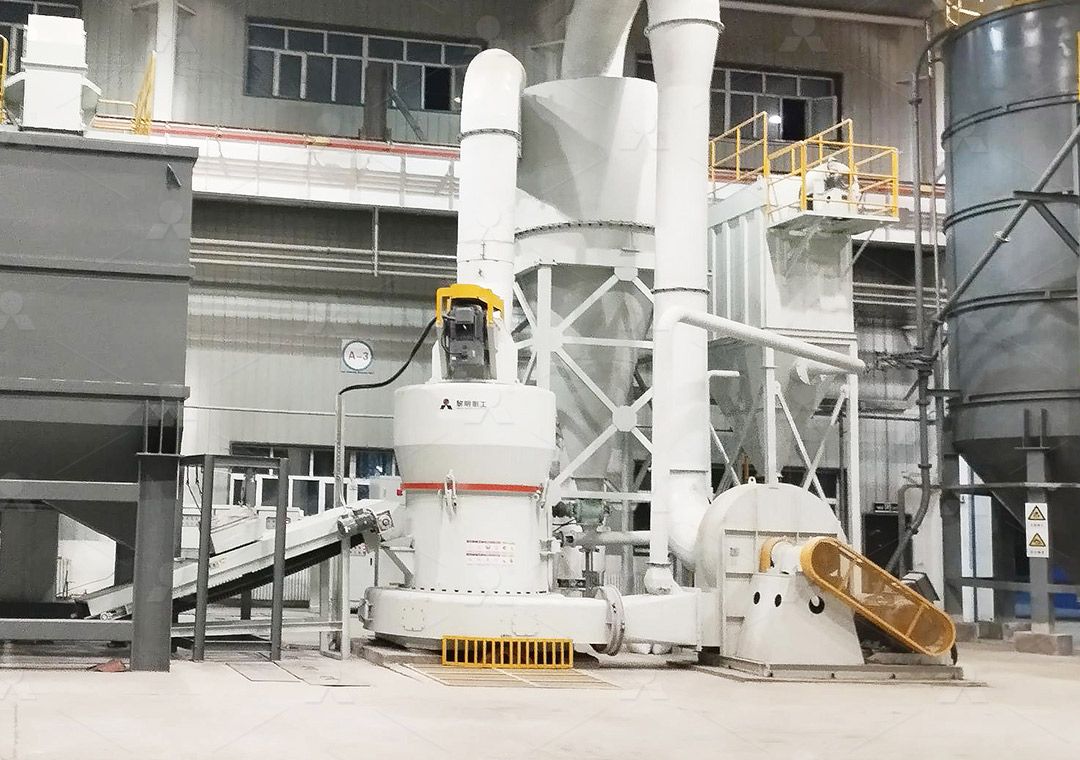
For operations requiring vertical grinding solutions, the LUM Ultrafine Vertical Grinding Mill presents another compelling option. Handling input sizes up to 10 mm with capacities of 5-18 tph, this mill incorporates advanced powder separating technology and reversible roller structures that simplify maintenance. Its double position-limiting technology ensures stable operation even with variations in raw material quality, a common challenge in Indonesian manufacturing environments.
Making the Right Partnership Decision
Beyond technical specifications, successful machinery selection hinges on manufacturer reliability. Established suppliers with comprehensive service networks across Indonesia provide distinct advantages, offering prompt technical support and genuine spare parts. Companies should verify manufacturers’ track records with similar applications and request references from existing clients in the mill board sector.
The digital processing capabilities of modern grinding mills represent another critical consideration. Numerical control systems ensure consistent machining precision, particularly for core components subject to heavy wear. When evaluating manufacturers, inquire about their quality control processes and whether they maintain adequate spare parts inventories to minimize production interruptions.
Frequently Asked Questions
What grinding mill capacity is suitable for medium-sized mill board production in Indonesia?
For medium-scale operations, capacities between 5-25 tph typically balance investment costs with production requirements. The MW Ultrafine Grinding Mill offers a range from 0.5-25 tph, making it adaptable to various production scales.
How important is energy efficiency in selecting mill board machinery?
Extremely important, as energy costs can constitute up to 40% of total operating expenses. Advanced mills like the MW series consume 30% less energy than conventional jet mills while delivering higher output.
What environmental considerations should Indonesian manufacturers address?
Modern mills must incorporate effective dust collection and noise reduction systems. The MW Ultrafine Grinding Mill’s pulse dust collector and silencer options help facilities comply with Indonesian environmental standards.
How does humidity affect grinding mill performance in Indonesia’s climate?
High humidity can cause material clogging and corrosion. Equipment with sealed grinding chambers and external lubrication systems, like the MW series, performs better in tropical conditions.
What after-sales support should I expect from reliable manufacturers?
Look for providers offering installation supervision, operator training, readily available spare parts, and responsive technical support teams familiar with Indonesian operational challenges.