
Long-term Performance and Maintenance Guide for Limestone Grinding Mills
We provide a wide range of mills — including Raymond mill, trapezoidal mill, vertical mill, ultrafine mill, and ball mill, obtained ISO9001 international quality certification, EU CE certification, and Customs Union CU-TR certification. Suitable for processing minerals such as limestone, phosphate, quicklime, kaolin, talc, barite, bentonite, calcium carbonate, dolomite, coal, gypsum, clay, carbon black, slag, cement raw materials, cement clinker, and more.
The discharge range of these mills can be adjusted to meet specific processing needs, typically from 80-400 mesh, 600-3250 mesh, and can achieve the finest particle size of up to 6000 mesh(D50).
If you are looking for a reliable grinding solution to turn stone or minerals into fine powder, please feel free to contact our online customer service.
Long-term Performance and Maintenance Guide for Limestone Grinding Mills
Maintaining optimal performance in limestone grinding operations requires a comprehensive understanding of both operational parameters and maintenance protocols. As industry professionals know, the difference between a mill that delivers consistent results for decades versus one that requires frequent intervention often comes down to proper long-term care and strategic equipment selection.
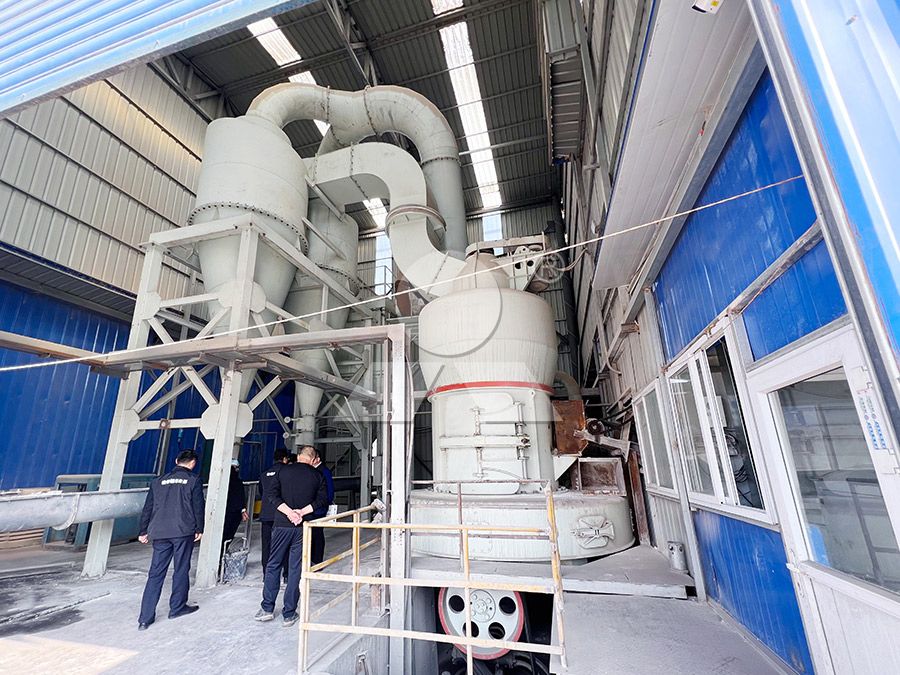
Foundational Maintenance Principles
Regular inspection routines form the backbone of any successful maintenance program. For limestone grinding applications, particular attention should be paid to wear patterns on grinding elements, as limestone’s abrasive nature can accelerate component degradation. Establishing baseline performance metrics during initial operation provides valuable reference points for detecting deviations that might indicate developing issues.
Vibration analysis has proven particularly effective in predicting mechanical problems before they cause unscheduled downtime. Modern monitoring systems can track bearing conditions, imbalance issues, and misalignment problems, allowing maintenance teams to address concerns during planned shutdowns rather than during critical production periods.
Advanced Grinding Solutions for Limestone Processing
When considering equipment for limestone grinding operations, the MW Ultrafine Grinding Mill represents a significant technological advancement. With an input size capacity of 0-20 mm and throughput ranging from 0.5-25 tph, this machine addresses many traditional challenges in limestone processing. Its innovative design eliminates rolling bearings and screws within the grinding chamber, removing common failure points that plague conventional mills.
The MW Ultrafine Grinding Mill’s cage-type powder selector, incorporating German technology, provides exceptional precision in particle separation. Operators can adjust fineness between 325-2500 meshes while achieving screening rates of d97≤5μm in a single pass. This capability is particularly valuable for limestone applications requiring consistent particle size distribution for downstream processes.
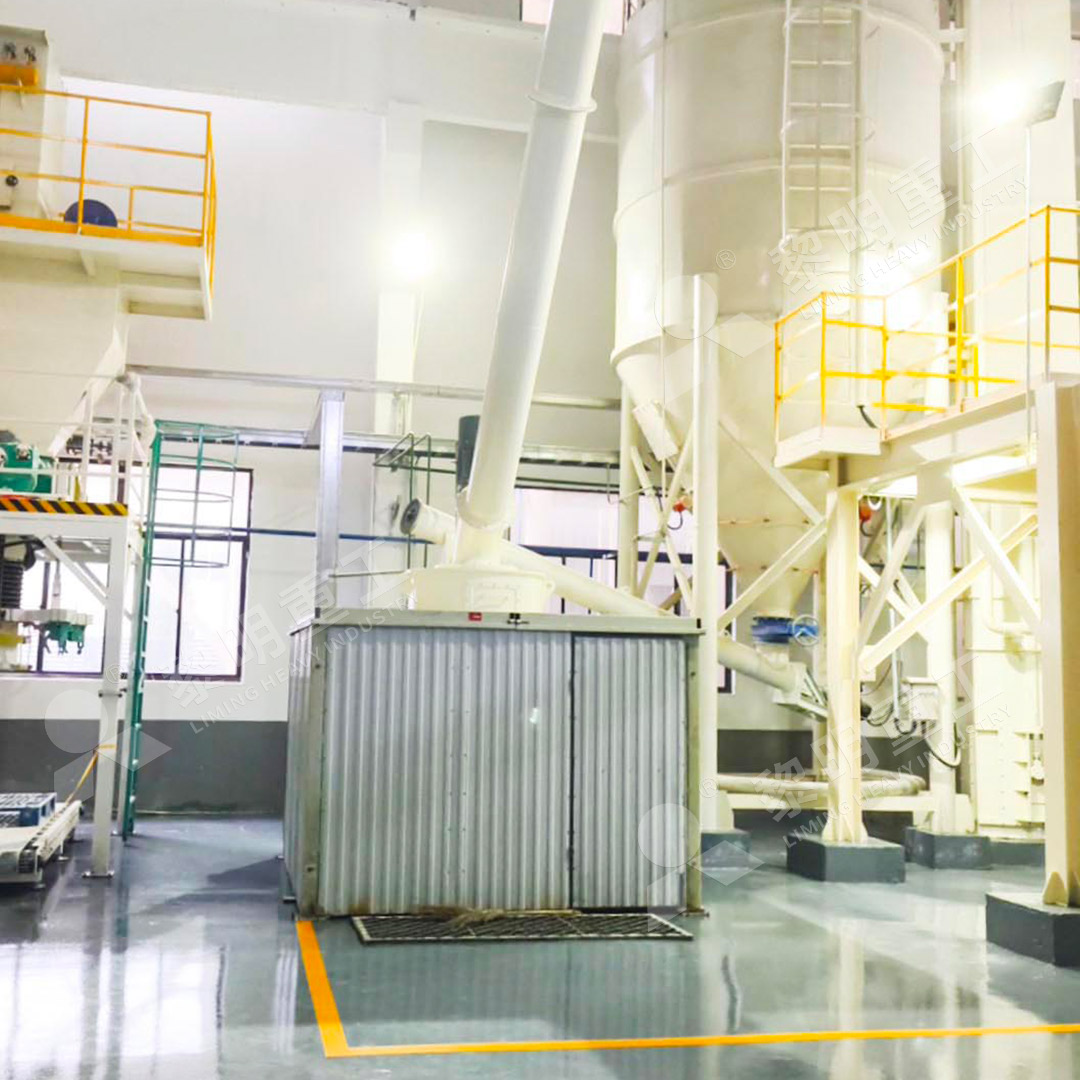
Lubrication Strategies for Extended Service Life
Proper lubrication represents one of the most critical aspects of grinding mill maintenance. For limestone applications, where fine dust presents constant contamination risks, lubrication system integrity becomes paramount. The external lubrication configuration of advanced mills like the MW series allows for maintenance without production interruption, a feature that significantly enhances operational efficiency.
Establishing strict oil analysis protocols enables predictive maintenance rather than reactive responses. Regular oil sampling can detect increasing contamination levels or the presence of wear metals, providing early warning of developing component issues. For limestone grinding operations, implementing desiccant breathers on lubrication reservoirs helps combat moisture ingress, a common problem in mineral processing environments.
Environmental Considerations and Dust Management
Modern grinding operations must address environmental concerns while maintaining production efficiency. Limestone grinding generates significant dust, requiring robust collection systems. The integrated pulse dust collector in mills like the MW Ultrafine Grinding Mill demonstrates how contemporary designs tackle this challenge effectively while meeting stringent environmental standards.
Noise reduction represents another critical consideration, particularly for operations near residential areas. The combination of mufflers and noise elimination rooms in advanced grinding systems can reduce operational noise by up to 30 decibels compared to conventional equipment, creating better working conditions while maintaining community relations.
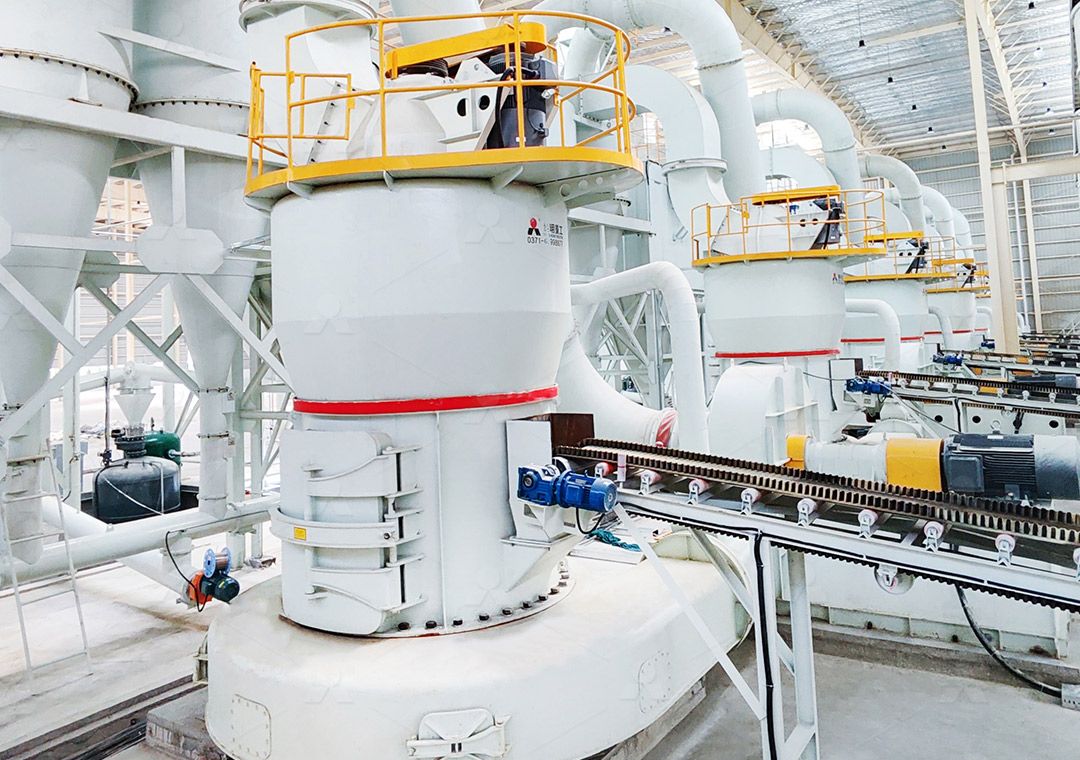
Digital Integration for Performance Optimization
The transition to digitally controlled processing has revolutionized grinding mill maintenance. Numerical control systems provide unprecedented precision in component manufacturing, particularly for core grinding elements. This manufacturing accuracy translates directly to extended service life and more predictable wear patterns in limestone applications.
Remote monitoring capabilities allow maintenance teams to track performance parameters in real-time, enabling data-driven decision making for maintenance scheduling. The integration of PLC systems in modern grinding mills facilitates precise control over grinding pressure and rotational speed, optimizing energy consumption while maintaining product quality.
Strategic Spare Parts Management
Effective spare parts inventory management balances availability against capital investment. For critical wear components in limestone grinding operations, maintaining strategic stock levels prevents extended production interruptions. Working with manufacturers who guarantee original spare parts availability ensures compatibility and performance consistency.
The reversible structure found in advanced mill designs significantly simplifies maintenance procedures. This engineering approach allows operators to easily remove grinding rollers for inspection and replacement, reducing typical maintenance downtime by up to 60% compared to traditional designs.
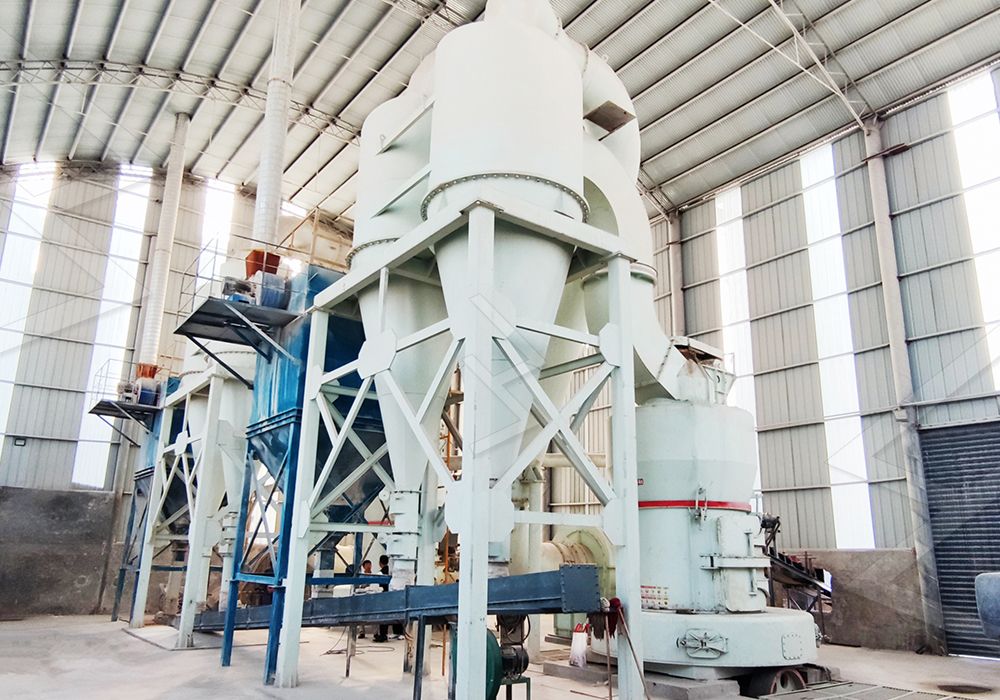
Energy Efficiency as a Maintenance Metric
Monitoring energy consumption provides valuable insights into grinding mill condition. Gradual increases in power requirements often indicate developing issues such as bearing wear or material buildup. Advanced mills like the MW Ultrafine Grinding Mill achieve energy consumption reductions of 30-50% compared to conventional equipment, while the integrated multi-head powder separating technology further optimizes power usage.
Regular thermal imaging of electrical components and drive systems can identify developing problems before they cause failures. This proactive approach to maintenance helps preserve the substantial energy efficiency advantages designed into modern grinding systems.
Conclusion: Building a Sustainable Operation
Long-term success in limestone grinding depends on selecting appropriate equipment and implementing comprehensive maintenance strategies. Advanced grinding solutions like the MW Ultrafine Grinding Mill provide the technological foundation, while disciplined maintenance protocols ensure sustained performance. By embracing digital monitoring, predictive maintenance, and strategic spare parts management, operations can achieve decades of reliable service while maintaining product quality and operational efficiency.
Frequently Asked Questions
What is the typical service life for grinding rollers in limestone applications?
With proper maintenance, grinding rollers in advanced mills typically last between 8,000 and 12,000 operating hours in limestone applications. Factors influencing service life include material hardness, operating pressure, and maintenance practices.
How often should lubrication systems be inspected?
Lubrication systems should receive visual inspection daily, with comprehensive analysis of lubricant condition conducted monthly. Systems with continuous monitoring capabilities can extend comprehensive inspection intervals to quarterly.
What are the primary indicators that mill liners need replacement?
Key indicators include reduced throughput, increased energy consumption, changes in product particle size distribution, and visible wear exceeding manufacturer recommendations. Regular thickness measurements provide the most accurate assessment.
Can grinding mills handle variations in limestone hardness?
Modern grinding mills with adjustable grinding pressure and rotational speed can accommodate significant variations in limestone hardness. Advanced control systems automatically adjust parameters to maintain consistent product quality.
What safety precautions are essential during maintenance operations?
Critical safety measures include proper lockout/tagout procedures, confirmation of zero energy state, use of appropriate personal protective equipment, and implementation of confined space protocols when working inside mill components.
How does ambient temperature affect grinding mill performance?
Extreme temperatures can affect lubrication viscosity, material flow characteristics, and electrical system performance. Operating within manufacturer-specified temperature ranges ensures optimal efficiency and component life.
What training is recommended for maintenance personnel?
Comprehensive training should include manufacturer-specific technical training, general mechanical maintenance principles, vibration analysis, thermal imaging interpretation, and safety certification for working with industrial equipment.