Long-Term Operation Stability of Limestone Mills: Key Factors and Maintenance Strategies
We provide a wide range of mills — including Raymond mill, trapezoidal mill, vertical mill, ultrafine mill, and ball mill, obtained ISO9001 international quality certification, EU CE certification, and Customs Union CU-TR certification. Suitable for processing minerals such as limestone, phosphate, quicklime, kaolin, talc, barite, bentonite, calcium carbonate, dolomite, coal, gypsum, clay, carbon black, slag, cement raw materials, cement clinker, and more.
The discharge range of these mills can be adjusted to meet specific processing needs, typically from 80-400 mesh, 600-3250 mesh, and can achieve the finest particle size of up to 6000 mesh(D50).
If you are looking for a reliable grinding solution to turn stone or minerals into fine powder, please feel free to contact our online customer service.
Long-Term Operation Stability of Limestone Mills: Key Factors and Maintenance Strategies
Maintaining long-term operational stability in limestone milling operations is crucial for productivity, cost efficiency, and consistent product quality. Several factors influence this stability, including equipment design, maintenance practices, and the selection of appropriate grinding technology.
Key Factors Affecting Operational Stability
One of the primary factors is the grinding mechanism and structural integrity of the mill. Mills with robust designs that minimize vibration and reduce wear on critical components tend to offer superior long-term performance. For instance, the absence of rolling bearings and screws in the grinding chamber, as seen in some advanced models, significantly reduces the risk of mechanical failure and unplanned downtime.
Another critical aspect is energy efficiency and heat management. Overheating can lead to premature wear of components, especially in high-capacity operations. Mills designed with optimized grinding curves and efficient air flow systems not only conserve energy but also maintain lower operating temperatures, enhancing longevity.
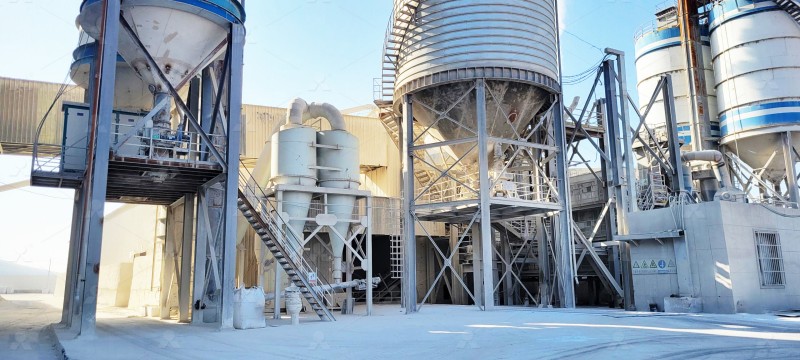
Material feed consistency also plays a vital role. Inconsistent feed size or moisture content can cause fluctuations in grinding pressure and output, leading to instability. Using feeders with precise control mechanisms helps maintain a steady flow, reducing stress on the mill.
Maintenance Strategies for Enhanced Longevity
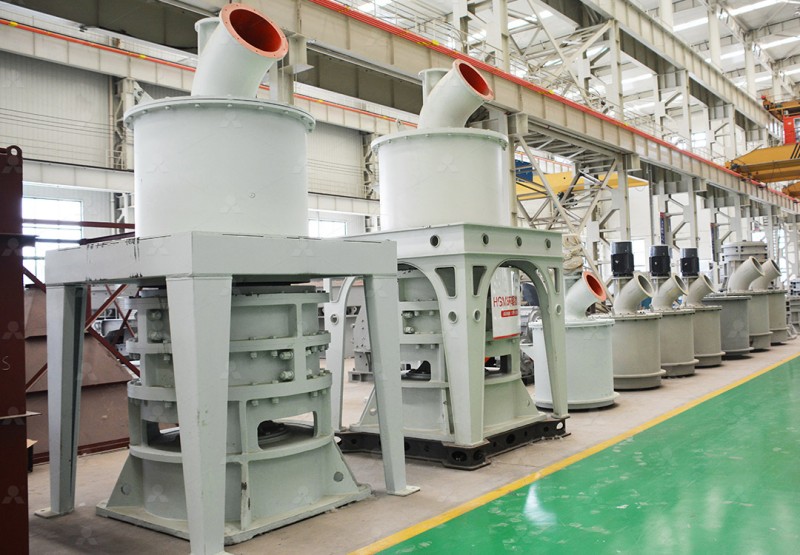
Proactive maintenance is essential. Regular inspection of wear parts like grinding rollers, rings, and liners allows for timely replacements before failures occur. Lubrication systems that enable external lubrication without shutdown, such as those in the MW Ultrafine Grinding Mill, are particularly beneficial for continuous operations.
This mill is an excellent choice for operations prioritizing stability and efficiency. With an input size of 0-20 mm and capacity ranging from 0.5-25 tph, it is designed for ultra-fine powder production. Its features include higher yielding with lower energy consumption (40% higher capacity than jet mills), adjustable fineness between 325-2500 meshes, and no rolling bearings in the grinding chamber, eliminating concerns about bearing damage. Additionally, the pulse dust collector ensures eco-friendly operation by minimizing dust pollution.
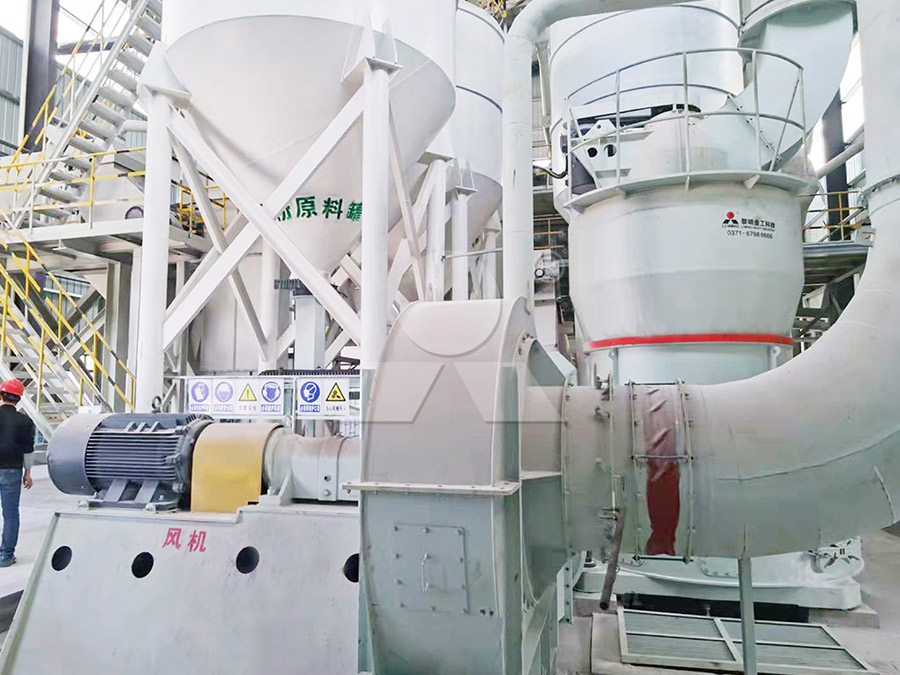
Another reliable option is the LUM Ultrafine Vertical Grinding Mill, which integrates advanced grinding roller and powder separating technologies. It offers higher yielding rates, energy savings of 30%-50%, and double position-limiting technology for enhanced stability. Its reversible structure simplifies maintenance, allowing easy access to grinding rollers for inspection and replacement.
Implementing a digital monitoring system can further enhance stability. Real-time data on parameters like pressure, temperature, and vibration enable predictive maintenance, addressing issues before they escalate. Training operators to recognize early signs of wear or misalignment also contributes to sustained performance.
Conclusion
Long-term stability in limestone milling hinges on selecting the right equipment and adhering to disciplined maintenance practices. Investing in advanced mills like the MW or LUM series, with their focus on durability, energy efficiency, and ease of maintenance, can significantly reduce downtime and operational costs, ensuring consistent output over time.