Locally Made Mill Machines in Nigeria: Prices and Suppliers for 2024
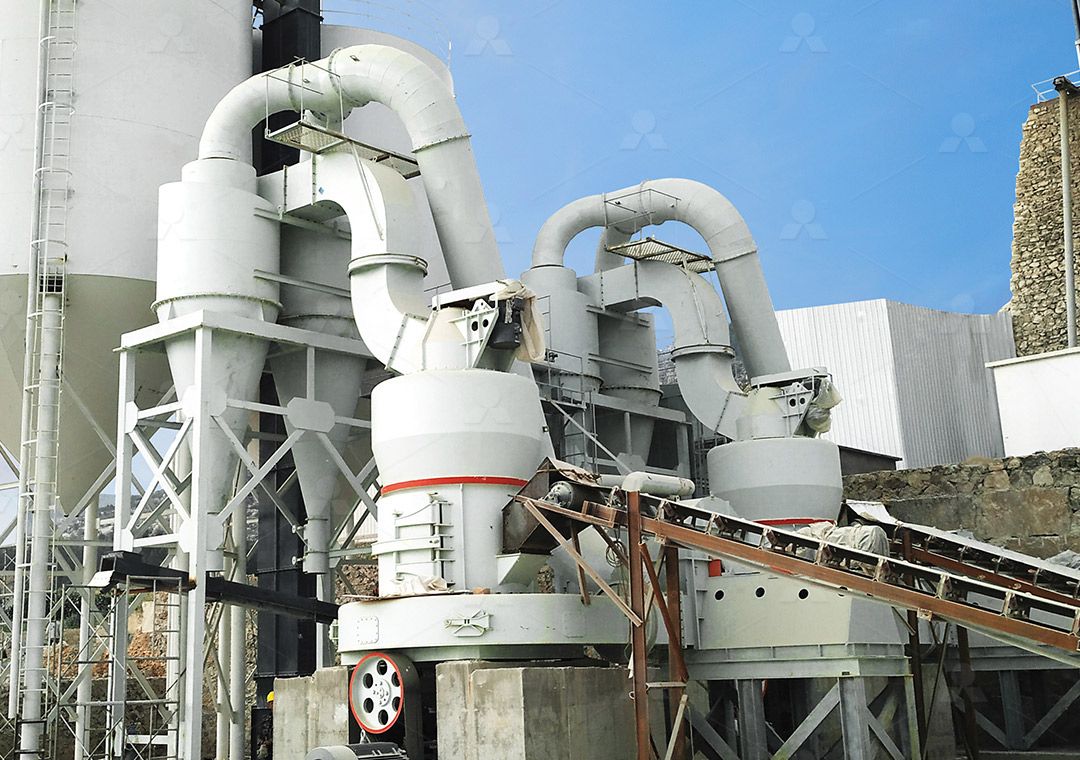
We provide a wide range of mills — including Raymond mill, trapezoidal mill, vertical mill, ultrafine mill, and ball mill, obtained ISO9001 international quality certification, EU CE certification, and Customs Union CU-TR certification. Suitable for processing minerals such as limestone, phosphate, quicklime, kaolin, talc, barite, bentonite, calcium carbonate, dolomite, coal, gypsum, clay, carbon black, slag, cement raw materials, cement clinker, and more.
The discharge range of these mills can be adjusted to meet specific processing needs, typically from 80-400 mesh, 600-3250 mesh, and can achieve the finest particle size of up to 6000 mesh(D50).
If you are looking for a reliable grinding solution to turn stone or minerals into fine powder, please feel free to contact our online customer service.
Locally Made Mill Machines in Nigeria: Prices and Suppliers for 2024
The Nigerian industrial sector is witnessing a significant transformation, with a growing emphasis on local manufacturing and processing capabilities. The demand for reliable, efficient, and cost-effective milling machinery has never been higher, driven by sectors such as mining, construction, agriculture, and food processing. This article provides an overview of the locally manufactured mill machine market in Nigeria for 2024, including key suppliers and indicative pricing.
The Growing Market for Mill Machines in Nigeria
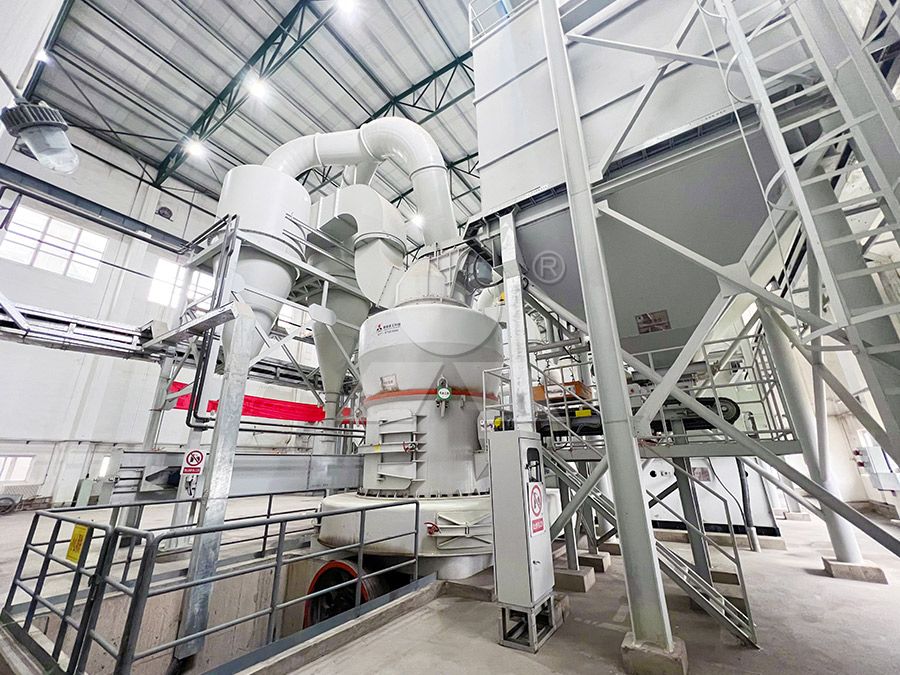
Nigeria’s vast natural resources, including limestone, barite, coal, and various agricultural products, require efficient processing. Local manufacturing of mill machines has become a strategic priority, reducing reliance on expensive imports, minimizing downtime for spare parts, and creating jobs. Companies are now producing a range of equipment, from hammer mills for grain processing to sophisticated grinding mills for industrial minerals.
Key Suppliers and Price Ranges
Several established companies and new entrants are making waves in the local market. While prices can vary significantly based on capacity, configuration, and material of construction, here is a general overview for 2024:
- Small-Scale Hammer Mills (1-3 TPH): Ideal for agricultural cooperatives and small businesses. Prices typically range from ₦1.8 million to ₦4.5 million.
- Medium-Capacity Grinding Mills (5-15 TPH): Used for limestone, cement, and grain processing. Expect to invest between ₦8 million and ₦20 million.
- Large Industrial Grinding Mills (20+ TPH): For large-scale mining and cement production. These are often custom-built, with prices starting from ₦35 million and going upwards.
It’s crucial to partner with suppliers who offer robust after-sales support, technical training, and a reliable supply of spare parts.
Spotlight on Advanced Technology: The MW Ultrafine Grinding Mill
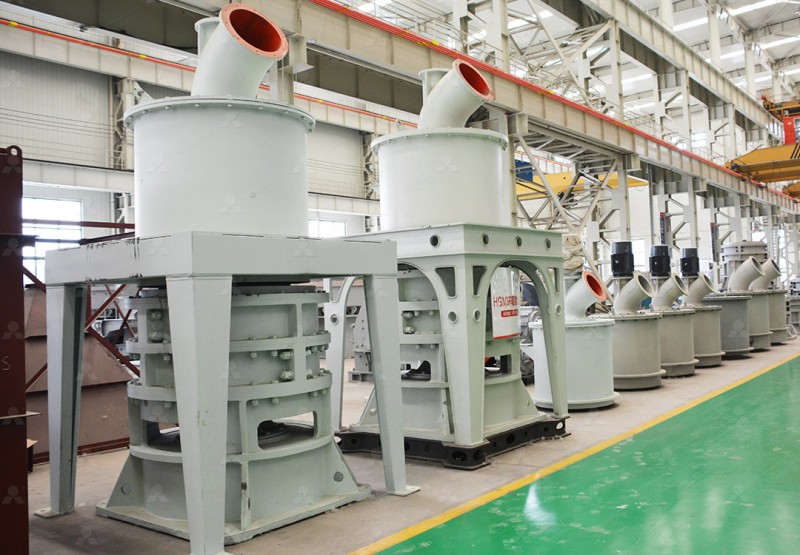
For operations requiring ultra-fine powder production, locally available advanced technologies are a game-changer. A standout peice of equipment we recommend is the MW Ultrafine Grinding Mill. This machine is engineered for customers who need to make ultra-fine powder between 325-2500 meshes. It’s perfect for processing materials like limestone, calcite, dolomite, petroleum coal, and gypsum, with applications extending to chemicals, paint, and cosmetics.
Key advantages of the MW Mill include its higher yielding and lower energy consumption – it’s 40% more efficient than jet mills and uses 30% less energy. Its innovative design features no rolling bearings or screws in the grinding chamber, eliminating common failure points and allowing for external lubrication without shutdown. Furthermore, its efficient pulse dust collector ensures eco-friendly, pollution-free operation, aligning with global environmental standards.
Choosing the Right Machine for Your Needs
Selecting the appropriate mill depends on your raw material, desired fineness, and required capacity. Don’t just look at the initial purchase price; consider the total cost of ownership, including energy consumption, maintenance, and part availability. Locally manufactured machines like the MW Ultrafine Grinding Mill offer a compelling value proposition with their combination of modern efficiency, robust design, and local service support.
Conclusion
The landscape for locally made mill machines in Nigeria in 2024 is promising. With a focus on quality, innovation, and after-sales service, Nigerian manufacturers are well-positioned to support the country’s industrial growth. Investing in reliable, efficient technology from reputable local suppliers is a strategic move for any business looking to enhance its processing capabilities and gain a competitive edge in the market.