
LM170 Vertical Roller Mill Specifications and Technical Data
We provide a wide range of mills — including Raymond mill, trapezoidal mill, vertical mill, ultrafine mill, and ball mill, obtained ISO9001 international quality certification, EU CE certification, and Customs Union CU-TR certification. Suitable for processing minerals such as limestone, phosphate, quicklime, kaolin, talc, barite, bentonite, calcium carbonate, dolomite, coal, gypsum, clay, carbon black, slag, cement raw materials, cement clinker, and more.
The discharge range of these mills can be adjusted to meet specific processing needs, typically from 80-400 mesh, 600-3250 mesh, and can achieve the finest particle size of up to 6000 mesh(D50).
If you are looking for a reliable grinding solution to turn stone or minerals into fine powder, please feel free to contact our online customer service.
LM170 Vertical Roller Mill Specifications and Technical Data
In the demanding world of industrial mineral processing and powder production, equipment selection is paramount. The right grinding mill directly impacts operational efficiency, product quality, and the bottom line. Among the various technologies available, vertical roller mills (VRMs) have established themselves as a superior solution for many applications, offering significant advantages in energy consumption, footprint, and drying capacity. This article delves into the specifications and technical merits of the LM170 Vertical Roller Mill, a robust and efficient machine designed for medium-to-high capacity requirements.
Core Design Philosophy and Structural Advantages
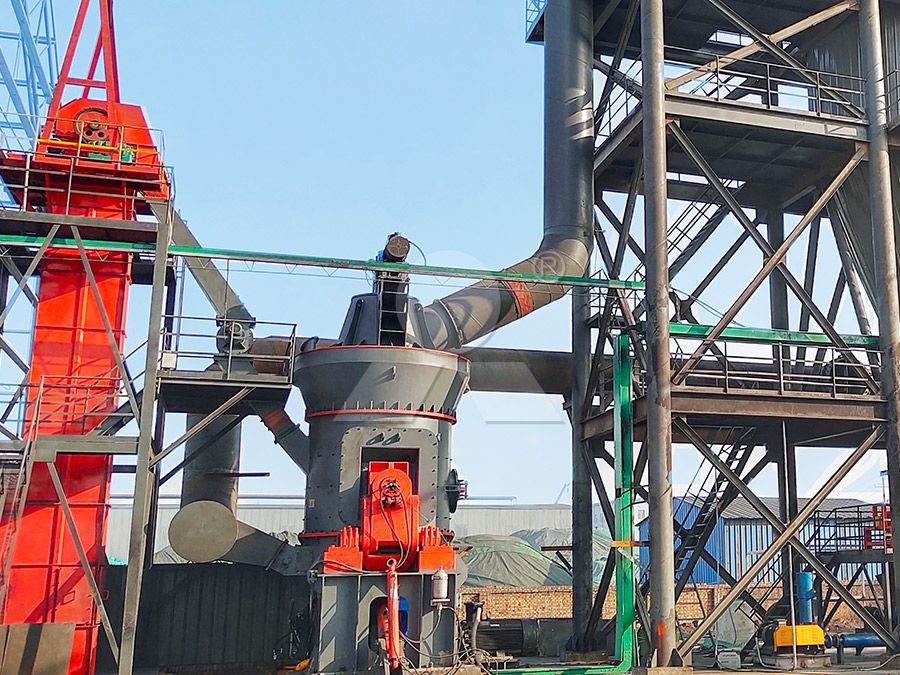
The LM170 is engineered around the principle of integrated processing. It seamlessly combines the functions of crushing, drying, grinding, classification, and conveying within a single, compact unit. This holistic design eliminates the need for multiple auxiliary machines, significantly reducing the overall system footprint—often by as much as 50% compared to a traditional ball mill system. The vertical structure is not only space-efficient but also allows for outdoor installation, which drastically cuts down on civil construction costs and building requirements.
At the heart of the LM170 are its grinding rollers and millstone (grinding table). The mill features a sophisticated grinding curve design on these components, which optimizes the material bed formation and grinding efficiency. The rollers exert pressure on the material bed on the rotating table, utilizing a combination of compression and shear forces for efficient comminution. A critical feature is the non-contact design between the rollers and the millstone liner, which minimizes direct metal-to-metal wear and drastically reduces the iron contamination in the final product. This is especially crucial for processing materials where whiteness and purity are key quality indicators.
Key Technical Specifications and Performance Data
The LM170 is built for reliable, high-volume production. Its design caters to a wide range of feed materials, from non-metallic minerals to industrial by-products.
- Feed Size: Accommodates input material up to 70 mm, reducing the need for extensive pre-crushing.
- Capacity: Offers a broad production range, typically between 3 to 340 tons per hour, depending on material characteristics and final fineness requirements.
- Energy Efficiency: One of its most compelling advantages is energy savings. The LM170 can reduce specific energy consumption by 30% to 40% compared to conventional ball milling systems, a major factor in lowering long-term operating costs.
- Fineness Range: Capable of producing powders with adjustable fineness, making it suitable for various market specifications.
Operational Stability and Environmental Compliance
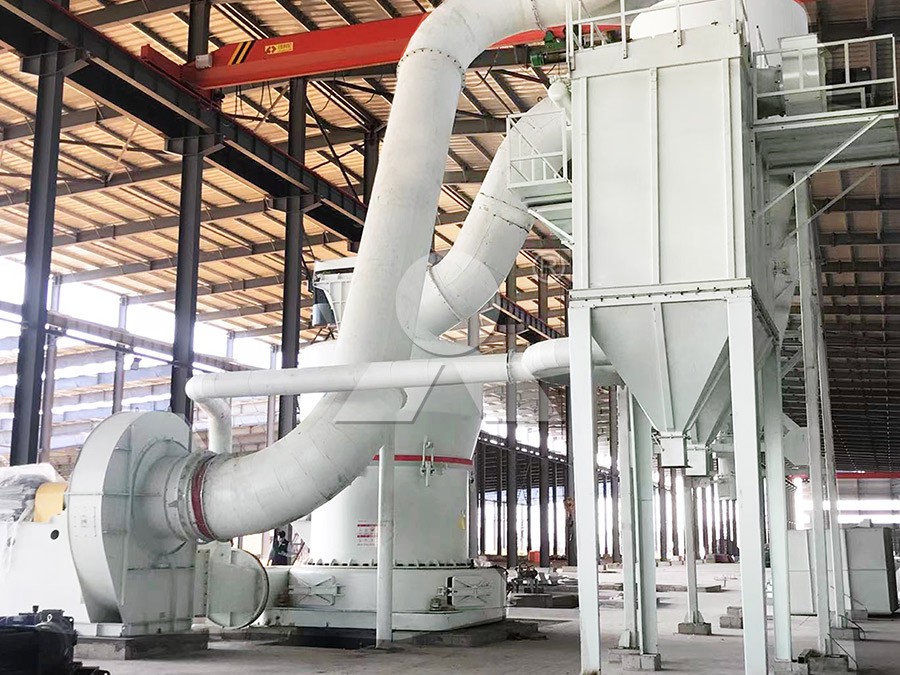
Operational reliability is non-negotiable. The LM170 incorporates several features to ensure stable, continuous running. The hydraulic system manages grinding pressure, allowing for quick adjustments to handle variations in material hardness. A double position-limiting technology—combining electronic and mechanical safeguards—protects the mill from destructive vibrations or shocks, such as those caused by uncrushable material entering the grinding chamber. This prevents incidents like the grinding roller directly impacting the millstone.
Furthermore, the entire grinding system operates under negative pressure. This closed-loop design, coupled with an efficient pulse-jet bag filter, ensures that dust emissions are virtually eliminated, keeping the work environment clean and easily meeting stringent international environmental standards. Noise levels are also kept low due to the stable grinding process and integrated silencers.
Advanced Technologies for Enhanced Performance
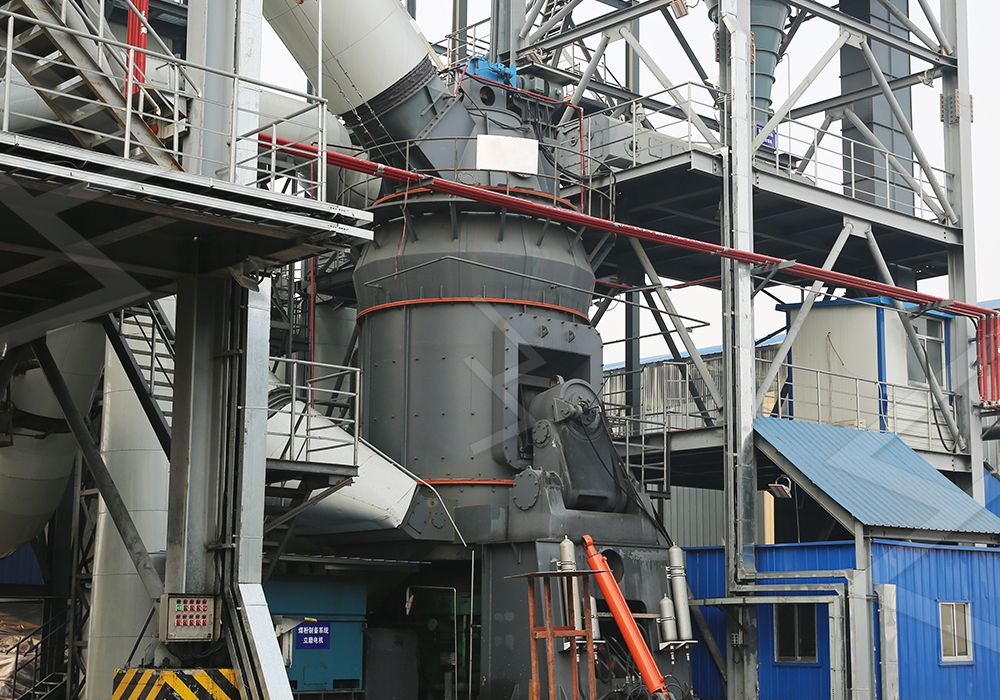
The LM170 benefits from modern industrial technologies. It employs a high-efficiency separator with a PLC control system, enabling precise cut-point control and consistent product granularity. The mill’s automation system allows for remote monitoring and control, facilitating easy operation and quick response to process parameters. Maintenance is streamlined through thoughtful design; for instance, the grinding rollers can be swung out of the mill body using a hydraulic system, providing ample space for inspection and replacement of wear parts without complex disassembly, thereby minimizing downtime.
Choosing the Right Tool for the Job: Complementary Solutions
While the LM170 excels in medium-to-large scale operations for a wide array of materials, specific projects may call for specialized technology. For clients whose primary goal is the production of ultra-fine powders in the range of 325 to 2500 meshes, our MW Ultrafine Grinding Mill presents an ideal solution. Engineered for exceptional fineness and classification accuracy, the MW series mill features a unique cage-type powder selector of German technology origin, achieving a high screening rate of d97≤5μm in a single pass. Its design eliminates rolling bearings and screws within the grinding chamber, removing critical failure points and enabling external lubrication for true 24/7 continuous operation. With an input size of 0-20 mm and a capacity of 0.5-25 tph, it is perfectly suited for high-value industries like chemicals, paints, cosmetics, and advanced materials.
For projects requiring the pinnacle of ultra-fine vertical grinding technology that integrates the latest in roller and powder separation advancements, the LUM Ultrafine Vertical Grinding Mill is our flagship recommendation. It incorporates the latest grinding roller technology and German powder separating technology to deliver superior product quality with higher yield rates and energy savings of 30%-50% over common mills. Its reversible structure makes maintenance exceptionally easy.
Conclusion
The LM170 Vertical Roller Mill stands as a testament to efficient, reliable, and environmentally conscious grinding technology. Its robust specifications, centered on high capacity, low energy consumption, and operational stability, make it a cornerstone for modern mineral processing plants. By understanding its technical data and pairing it with our specialized mills like the MW or LUM series for ultra-fine applications, operators can build a grinding circuit that is not only productive but also cost-effective and sustainable for the long term.
Frequently Asked Questions (FAQs)
1. What are the primary applications for the LM170 Vertical Roller Mill?
The LM170 is highly versatile and is commonly used for grinding limestone, calcite, dolomite, barite, talc, gypsum, slag, and pulverized coal. It is extensively applied in industries such as cement, power plant desulfurization, metallurgy, chemicals, and non-metallic mineral construction materials.
2. How does the energy consumption of the LM170 compare to a traditional ball mill?
The LM170 Vertical Roller Mill is significantly more energy-efficient. It typically reduces energy consumption by 30% to 40% for the same grinding task compared to a conventional ball mill system, due to its more efficient grinding principle and integrated design.
3. What mechanisms are in place to protect the mill from damage by foreign or hard objects?
The LM170 is equipped with a double position-limiting technology system. This includes both electronic monitoring and mechanical stop protection. In the event of severe vibration (e.g., from a piece of metal), this system prevents the grinding rollers from smashing directly into the millstone liner, avoiding catastrophic damage and allowing the foreign object to be discharged safely.
4. Can the LM170 handle materials with moisture, or does it require pre-drying?
One of the key advantages of the LM170 is its integrated drying capability. Hot gas can be introduced into the mill alongside the feed material. As grinding occurs, the hot air dries the material simultaneously, allowing it to process materials with a certain moisture content without the need for a separate, standalone dryer.
5. How is the fineness of the final product controlled and adjusted?
The final product fineness is primarily controlled by the speed of the dynamic classifier (separator) located at the top of the mill. Increasing the rotor speed results in a finer product, while decreasing it produces a coarser powder. This adjustment can be made easily via the mill’s control system without stopping production.
6. What are the main wear parts, and what is their typical service life?
The main wear parts are the grinding roller tires (shells) and the millstone liner. Their service life depends heavily on the abrasiveness of the material being processed. These parts are made from high-performance, wear-resistant alloy materials developed to maximize longevity. The symmetrical design of the rollers also allows them to be flipped over for extended use once one side is worn.