
Liuzhou Calcite Ultrafine Grinding Mill: Price, Features, and Applications
We provide a wide range of mills — including Raymond mill, trapezoidal mill, vertical mill, ultrafine mill, and ball mill, obtained ISO9001 international quality certification, EU CE certification, and Customs Union CU-TR certification. Suitable for processing minerals such as limestone, phosphate, quicklime, kaolin, talc, barite, bentonite, calcium carbonate, dolomite, coal, gypsum, clay, carbon black, slag, cement raw materials, cement clinker, and more.
The discharge range of these mills can be adjusted to meet specific processing needs, typically from 80-400 mesh, 600-3250 mesh, and can achieve the finest particle size of up to 6000 mesh(D50).
If you are looking for a reliable grinding solution to turn stone or minerals into fine powder, please feel free to contact our online customer service.
Liuzhou Calcite Ultrafine Grinding Mill: Price, Features, and Applications
For industries requiring ultra-fine calcite powder, selecting the right grinding technology is a critical decision impacting product quality, operational costs, and environmental compliance. Calcite, a versatile mineral with widespread use in plastics, paints, coatings, and construction materials, demands milling equipment capable of delivering precise particle sizes with high efficiency and reliability. This article explores the key considerations for calcite ultrafine grinding, highlights advanced technological solutions, and provides insights into market-leading equipment.
The Challenge of Ultrafine Calcite Production
Producing consistent, high-purity calcite powder in the 325 to 2500 mesh range presents distinct challenges. Traditional ball mills often struggle with energy inefficiency, excessive heat generation, and contamination from grinding media wear. Jet mills, while capable of fine grinding, can incur high operational costs due to significant energy consumption for compressed air. The ideal solution must balance superior fineness control with robust construction, low maintenance, and a small environmental footprint. Key performance indicators include yield per kilowatt-hour, the ability to adjust fineness seamlessly, system stability for continuous 24/7 operation, and integrated dust and noise suppression.
Core Technological Features for Superior Performance
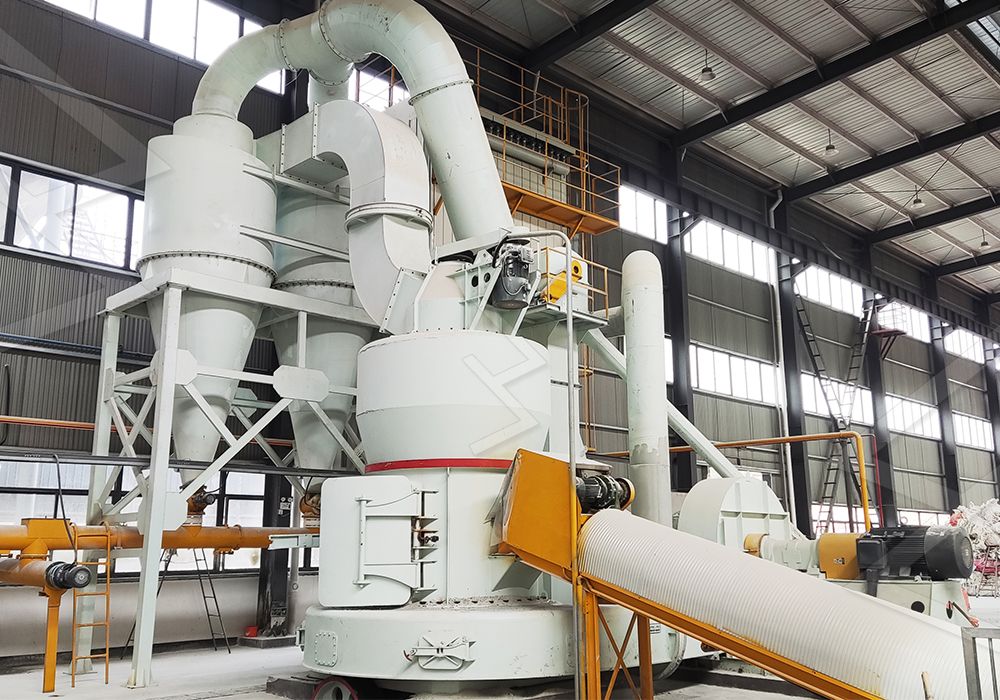
Modern ultrafine grinding mills incorporate several patented technologies to overcome historical limitations. A primary advancement is in the grinding geometry. Specifically engineered curves for grinding rollers and rings create a more efficient material bed compaction and shear zone, directly translating to higher throughput for the same power input. For instance, some next-generation mills demonstrate a production capacity increase of up to 40% over jet mills and double that of traditional ball mills for the same target fineness.
Precision classification is equally vital. Advanced cage-type powder selectors, often incorporating German engineering principles, allow for precise cut-point adjustments. Multi-head selector configurations enable operators to fine-tune the system for optimal yield, fineness (achieving d97 ≤5μm), and screening efficiency based on specific batch requirements. This flexibility is crucial for suppliers serving multiple sectors with different calcite specifications.
Operational Reliability and Environmental Stewardship
Downtime is the enemy of profitability. Leading mill designs eliminate common failure points. A significant innovation is the removal of rolling bearings and screws from the high-wear grinding chamber. This design philosophy prevents catastrophic failures related to bearing seizure or loose components, drastically improving mean time between failures. Furthermore, external lubrication systems allow for routine maintenance without shutting down the mill, supporting uninterrupted production cycles.
Environmental compliance is non-negotiable. State-of-the-art mills are equipped with high-efficiency pulse jet dust collectors that capture over 99.9% of particulate matter, ensuring a clean workshop environment. Integrated mufflers and sound-dampening enclosures reduce operational noise to levels well within international standards. The entire system operates under negative pressure, preventing any dust leakage and protecting both workers and machinery.
Introducing the LIMING MW Ultrafine Grinding Mill: A Purpose-Built Solution
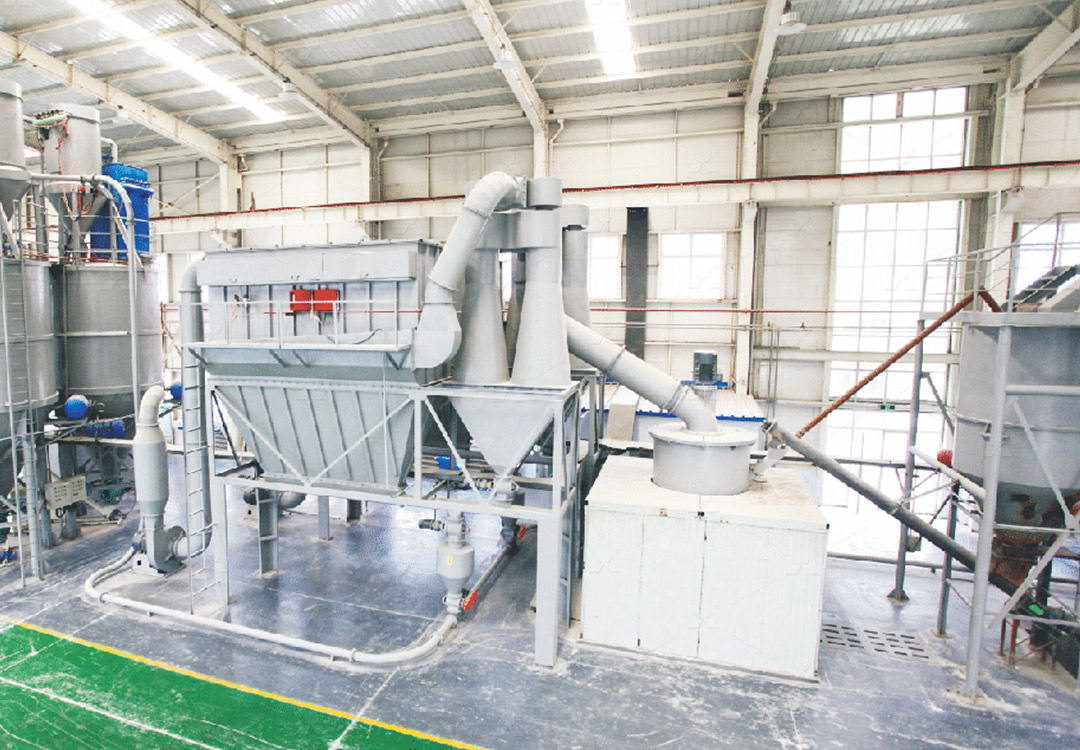
For operations focused on high-value, ultra-fine calcite powder, the MW Ultrafine Grinding Mill from LIMING Heavy Industry represents a benchmark in design. This machine is engineered explicitly for customers who need to produce ultra-fine powder efficiently and cleanly.
With an input size of 0-20 mm and a capacity range of 0.5-25 tons per hour, it offers remarkable versatility. Its core advantages align perfectly with the demands of calcite processing:
- Higher Yield with Lower Energy Consumption: Its newly designed grinding curves enhance efficiency, offering 40% higher capacity than jet or stirred mills at the same power and fineness. System energy consumption is just 30% of a comparable jet mill.
- Adjustable Fineness (325-2500 meshes): The German-technology cage-type powder selector ensures precise separation, capable of achieving a once-through screening rate of d97≤5μm.
- Unmatched Reliability: The absence of rolling bearings and screws in the grinding chamber eliminates associated failure risks. External lubrication enables 24-hour continuous operation.
- Eco-Friendly Operation: Equipped with an efficient pulse dust collector and muffler, the system minimizes dust and noise, with production fully organized according to national environmental standards.
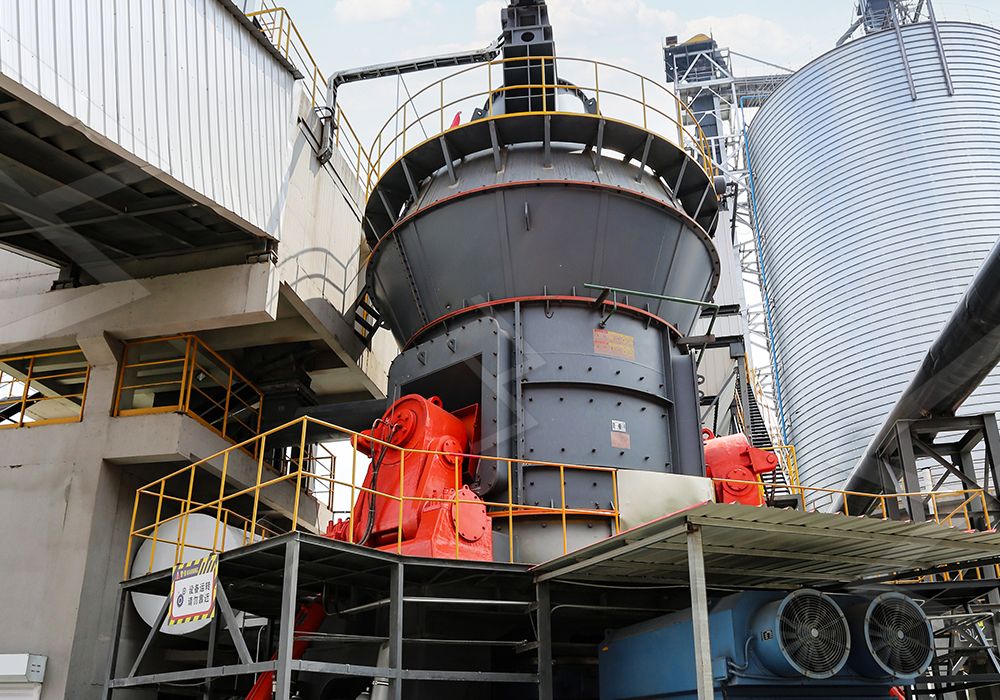
For larger-scale projects or applications requiring integrated drying, the LUM Ultrafine Vertical Grinding Mill is another excellent choice. It combines ultrafine grinding, grading, and transporting in a single vertical footprint. Featuring advanced grinding roller technology and a PLC-controlled multi-head powder separating system, the LUM mill can reduce energy consumption by 30%-50% compared to common grinding mills, making it ideal for processing calcite and other non-metallic minerals where high whiteness and low iron content are critical.
Applications Beyond Calcite
While exceptional for calcite, the technology underpinning mills like the MW and LUM series extends to a broad spectrum of materials. This includes other calcium-based minerals like limestone and dolomite, as well as barite, talc, marble, gypsum, and various chemical powders for industries such as paints, cosmetics, pharmaceuticals, and food additives. This versatility protects your capital investment, allowing the same platform to service evolving market needs.
Conclusion: Investing in Precision and Efficiency
The choice of an ultrafine grinding mill for calcite is a long-term strategic investment. Beyond the initial price, factors such as energy efficiency, maintenance costs, product consistency, and environmental compliance define the total cost of ownership. By selecting a technologically advanced solution like the LIMING MW or LUM series mills, producers gain a reliable partner for achieving superior product quality, maximizing throughput, and operating sustainably. With digitalized CNC machining ensuring high precision for core components and a comprehensive supply of original spare parts, these mills are designed for worry-free, profitable operation in the most demanding industrial environments.
Frequently Asked Questions (FAQ)
- What is the typical fineness range achievable for calcite with the MW Ultrafine Grinding Mill?
The MW mill is designed to produce powder with adjustable fineness between 325 and 2500 meshes. With its advanced cage-type powder selector, it can consistently achieve a fine product size of d97 ≤ 5μm in a single pass. - How does the energy consumption of the MW mill compare to a traditional ball mill or jet mill?
The MW mill is significantly more energy-efficient. It provides up to 40% higher production capacity than jet or stirred mills at the same power level, and its system energy consumption is approximately 30% of a comparable jet mill. Compared to a ball mill, it can double the yield for the same energy input. - What measures are in place to ensure environmentally friendly operation?
The mill system is equipped with a high-efficiency pulse jet dust collector that captures virtually all airborne particles, operating under negative pressure to prevent leaks. Integrated mufflers and noise reduction cabins control sound emissions. The entire system is designed to meet strict national and international environmental protection standards. - What are the main advantages of having no rolling bearings in the grinding chamber?
This design eliminates the risk of sudden bearing failure and the associated contamination from damaged sealing parts. It also removes the problem of screws loosening from vibration. This leads to dramatically increased operational reliability, reduced unplanned downtime, and lower long-term maintenance costs. - Can the MW mill handle materials other than calcite?
Absolutely. While excellent for calcite, it is also suitable for a wide range of non-metallic minerals and chemical materials, including dolomite, limestone, barite, talc, gypsum, marble, petroleum coal, and various industrial powders for chemicals, paints, and cosmetics. - What kind of after-sales support and spare parts availability can be expected?
LIMING Heavy Industry, as the manufacturer, takes full responsibility for every machine. They provide comprehensive technical services and guarantee the supply of original, high-quality spare parts to ensure continuous, worry-free operation and maximize the equipment’s lifespan.