Lister Grinding Mill Prices in Johannesburg: A Comprehensive Guide
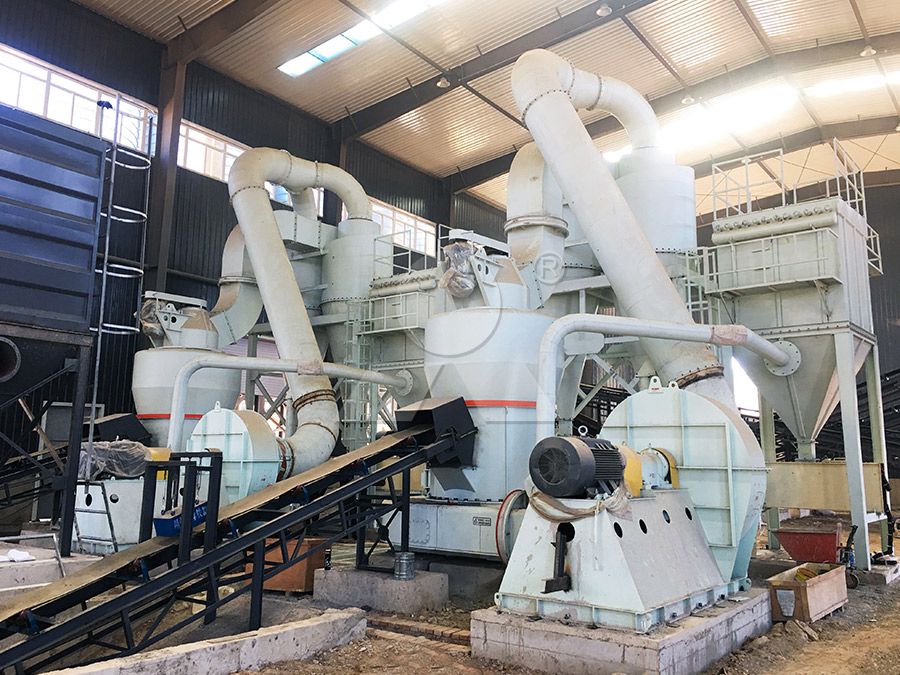
We provide a wide range of mills — including Raymond mill, trapezoidal mill, vertical mill, ultrafine mill, and ball mill, obtained ISO9001 international quality certification, EU CE certification, and Customs Union CU-TR certification. Suitable for processing minerals such as limestone, phosphate, quicklime, kaolin, talc, barite, bentonite, calcium carbonate, dolomite, coal, gypsum, clay, carbon black, slag, cement raw materials, cement clinker, and more.
The discharge range of these mills can be adjusted to meet specific processing needs, typically from 80-400 mesh, 600-3250 mesh, and can achieve the finest particle size of up to 6000 mesh(D50).
If you are looking for a reliable grinding solution to turn stone or minerals into fine powder, please feel free to contact our online customer service.
Lister Grinding Mill Prices in Johannesburg: A Comprehensive Guide
If you’re in the market for an industrial grinder in the Jo’burg area, you’ve probably heard the name Lister thrown around. Figuring out the actual price for a Lister mill, though, can feel like trying to find a specific grain of sand in a sandstorm. Prices fluctuate based on model, capacity, condition (new vs. used), and of course, who you’re buying from. This guide will help you navigate the landscape and understand what you’re really paying for.
Why the Price Confusion?
Let’s be real, the grinding mill market here is competitive. A basic, older model second-hand Lister might set you back anywhere from ZAR 50,000 to ZAR 150,000, depending on its state. But for a brand-new, high-capacity, modern mill? You’re looking at a serious investment, potentially running into the millions of Rand. The key is to look beyond the initial sticker price. A cheaper, outdated mill might guzzle electricity and require constant maintenance, costing you more in the long run. The real cost is Total Cost of Ownership: purchase price + energy consumption + maintenance + downtime.
Beyond Lister: Modern Alternatives for Jo’burg Industries
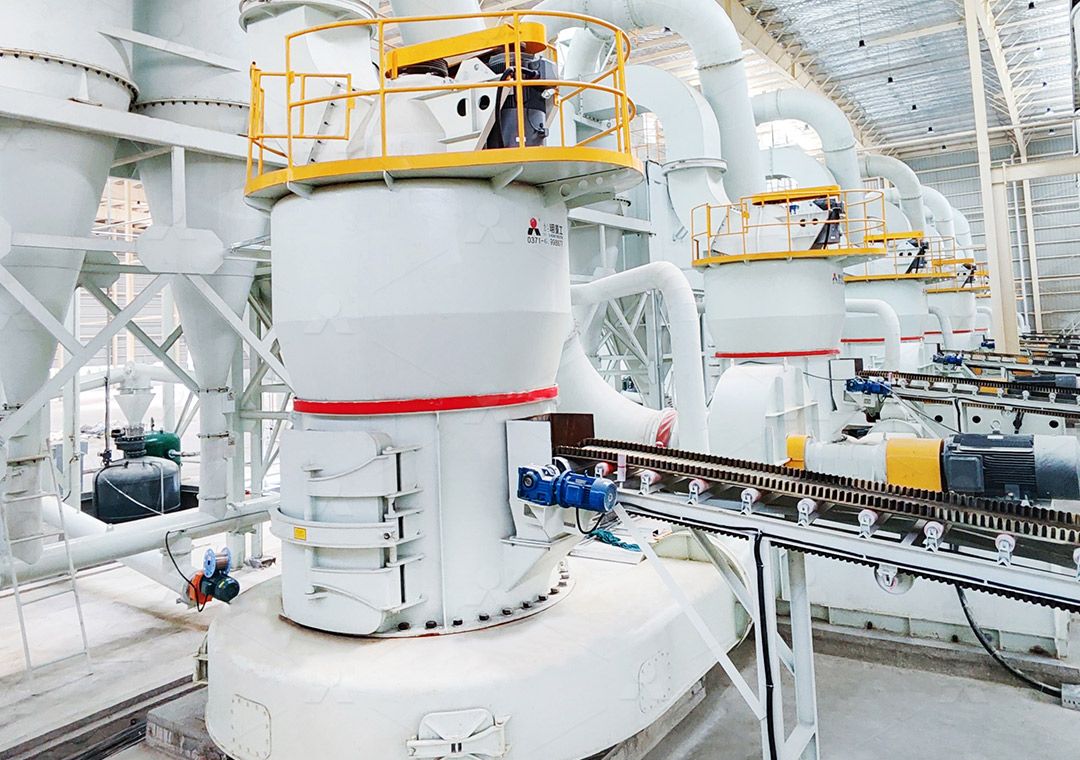
While Lister is a familiar name, technology has moved forward. Many operations in Gauteng are now switching to more efficient, environmentally friendly ultrafine grinding mills. These machines offer superior precision, higher yields, and are built to comply with modern environmental standards – a growing concern for businesses today.
For operations that need to produce ultra-fine powder between 325-2500 meshes, the MW Ultrafine Grinding Mill is a game-changer. It handles materials like limestone, calcite, dolomite, and even petroleum coal with an input size of 0-20 mm and a capacity ranging from 0.5 to 25 tons per hour. Its biggest advantages are its higher yield and lower energy consumption – it uses about 30% less energy than a jet mill. Plus, its clever design has no rolling bearings or screws in the grinding chamber, so you avoid a lot of common maintenance nightmares. The efficient pulse dust collector keeps things clean and eco-friendly, which is a massive plus for any facility conscious about its environmental impact.
Finding the Right Supplier
In Johannesburg, you’ve got options from major international brands to local machinery dealers. Do your homework. Look for a supplier that offers robust after-sales support, genuine spare parts, and local technical expertise. A slightly higher purchase price from a reputable company is often worth it to avoid production halting for weeks waiting for a specialist to fly in from overseas.
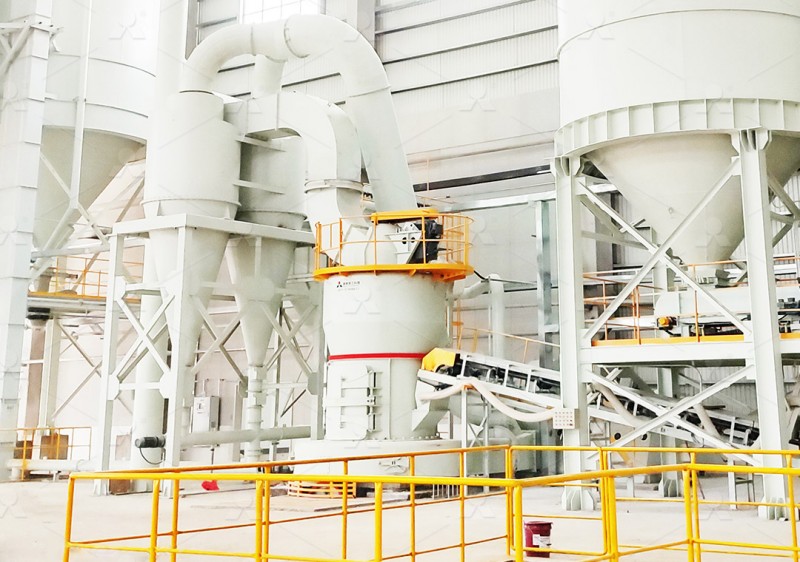
Another fantastic option for ultra-fine powder needs is the LUM Ultrafine Vertical Grinding Mill. It’s perfect for superfine dry powder of non-metal ores. It boasts more energy-saving multi-head powder separating technology, reducing energy use by 30-50% compared to common grinders. Its double position-limiting technology also makes operation incredibly stable, protecting the machine from destructive vibrations.
Final Thoughts
Don’t just buy a name. Buy the technology and support that will keep your operation running profitably. Assess your actual material, required fineness, and desired capacity. Get quotes that include installation and potential service contracts. Investing in a modern, efficient mill like the MW or LUM series might have a higher upfront cost than an old Lister, but the savings on energy and maintenance will likely pay for itself over time, making you more competitive in the long run.