
Limestone Vertical Mill for Soil pH Adjustment: 400 Mesh, 1 Ton Per Hour Capacity and Cost Analysis
We provide a wide range of mills — including Raymond mill, trapezoidal mill, vertical mill, ultrafine mill, and ball mill, obtained ISO9001 international quality certification, EU CE certification, and Customs Union CU-TR certification. Suitable for processing minerals such as limestone, phosphate, quicklime, kaolin, talc, barite, bentonite, calcium carbonate, dolomite, coal, gypsum, clay, carbon black, slag, cement raw materials, cement clinker, and more.
The discharge range of these mills can be adjusted to meet specific processing needs, typically from 80-400 mesh, 600-3250 mesh, and can achieve the finest particle size of up to 6000 mesh(D50).
If you are looking for a reliable grinding solution to turn stone or minerals into fine powder, please feel free to contact our online customer service.
Optimizing Agricultural Productivity Through Precision Limestone Grinding
In modern agriculture, soil pH management represents one of the most critical factors determining crop productivity and soil health. Acidic soils, which affect approximately 30% of the world’s arable land, significantly limit nutrient availability and microbial activity. The application of finely ground limestone has emerged as the most effective and economical solution for neutralizing soil acidity. However, the efficacy of limestone amendments depends heavily on particle size distribution, with 400-mesh fineness representing the optimal specification for rapid soil reaction and maximum surface area.
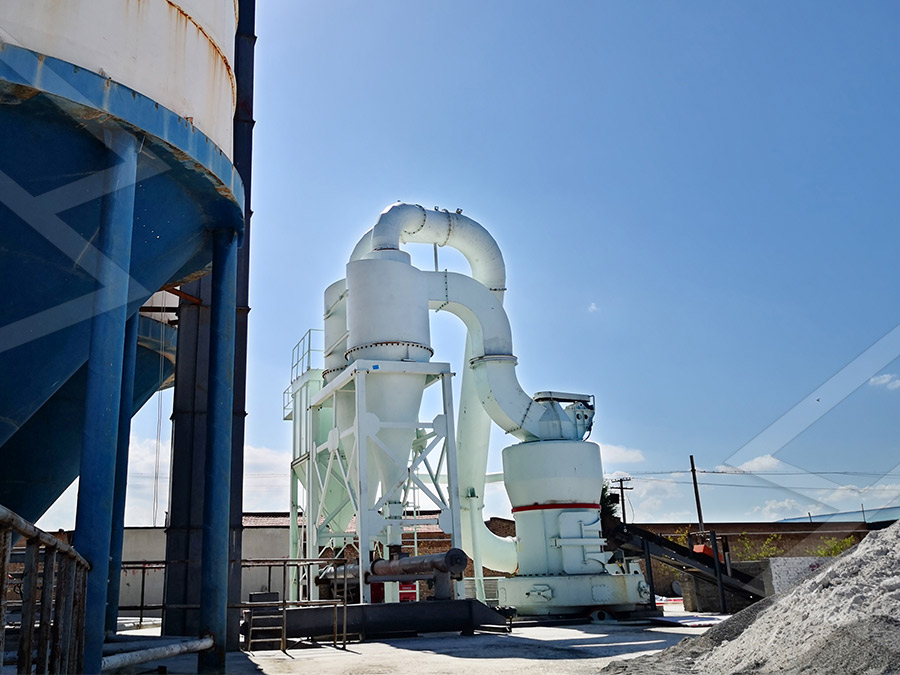
The Science Behind 400-Mesh Limestone for Soil Amendment
Agricultural research has consistently demonstrated that limestone particle size directly correlates with reactivity and neutralization speed. While coarse limestone particles may take years to fully dissolve and affect soil pH, 400-mesh limestone (approximately 38 microns) begins correcting acidity within weeks of application. This ultrafine powder provides maximum surface area contact with soil particles and moisture, enabling rapid chemical reactions that raise pH levels efficiently.
The 400-mesh specification represents the sweet spot between grinding energy consumption and agricultural effectiveness. Finer particles would require exponentially more energy to produce with diminishing returns in solubility, while coarser particles would significantly delay pH correction. For agricultural operations requiring 1 ton per hour of amendment material, this balance becomes crucial for both operational efficiency and crop yield optimization.
Technical Requirements for Agricultural Limestone Grinding
Producing consistent 400-mesh limestone powder demands specialized milling equipment capable of precise particle size control while maintaining economic viability. The ideal grinding system must achieve several key objectives simultaneously:
- Consistent output of 400-mesh material with minimal oversize or undersize particles
- Energy efficiency to maintain production costs competitive with commercial alternatives
- Production capacity of at least 1 ton per hour to service medium-scale agricultural operations
- Minimal maintenance requirements to ensure operational continuity during critical application seasons
- Environmental compliance with dust and noise emissions standards
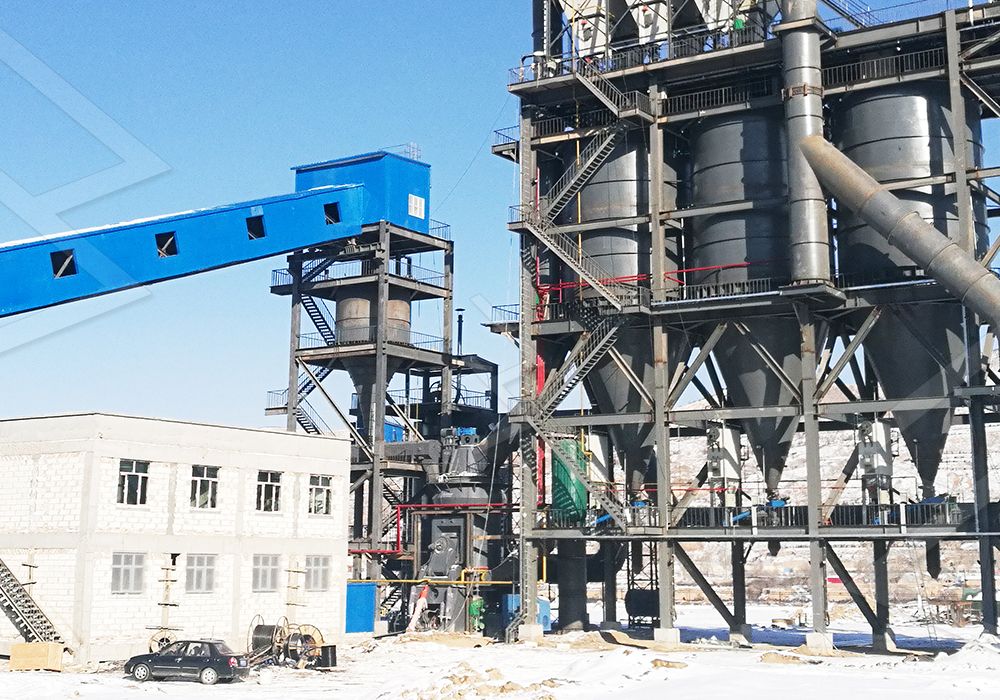
MW Ultrafine Grinding Mill: Precision Engineering for Agricultural Applications
For operations requiring exacting particle size specifications, the MW Ultrafine Grinding Mill represents an ideal solution for agricultural limestone production. With its adjustable fineness range between 325-2500 meshes, the MW series consistently delivers precisely controlled 400-mesh limestone powder perfect for soil amendment applications. The mill’s innovative cage-type powder selector, incorporating German technology, ensures exceptional particle size precision with screening rates achieving d97≤5μm in a single pass.
The MW Ultrafine Grinding Mill’s 0.5-25 tph capacity range comfortably accommodates the 1-ton-per-hour requirement while providing flexibility for future expansion. Its unique design eliminates rolling bearings and screws within the grinding chamber, addressing common failure points that plague conventional mills during continuous agricultural production cycles. The external lubrication system enables maintenance without shutdown, a critical feature during peak agricultural seasons when downtime translates directly to lost opportunities for soil amendment.
Economic Analysis: Vertical Mill Operation vs. Purchased Amendments
For agricultural operations considering in-house limestone grinding versus purchasing commercial amendments, the economic advantages become apparent when analyzing long-term operational costs. While purchased 400-mesh limestone typically ranges between $150-250 per ton depending on transportation distances, on-site grinding utilizing local limestone deposits can reduce material costs to $40-80 per ton.
| Cost Component | Purchased Amendment | On-site Grinding |
|---|---|---|
| Material Cost (per ton) | $180 | $60 |
| Processing Cost (per ton) | N/A | $25 |
| Annual Production (1,500 tons) | $270,000 | $127,500 |
| 5-Year Total Cost | $1,350,000 | $637,500 |
| Capital Investment | N/A | $350,000 |
| 5-Year Net Savings | N/A | $362,500 |
This analysis demonstrates a clear return on investment typically within 2-3 years of operation, with subsequent years realizing substantial cost savings. The calculation assumes 1,500 annual operating hours, accounting for seasonal application windows and maintenance periods.
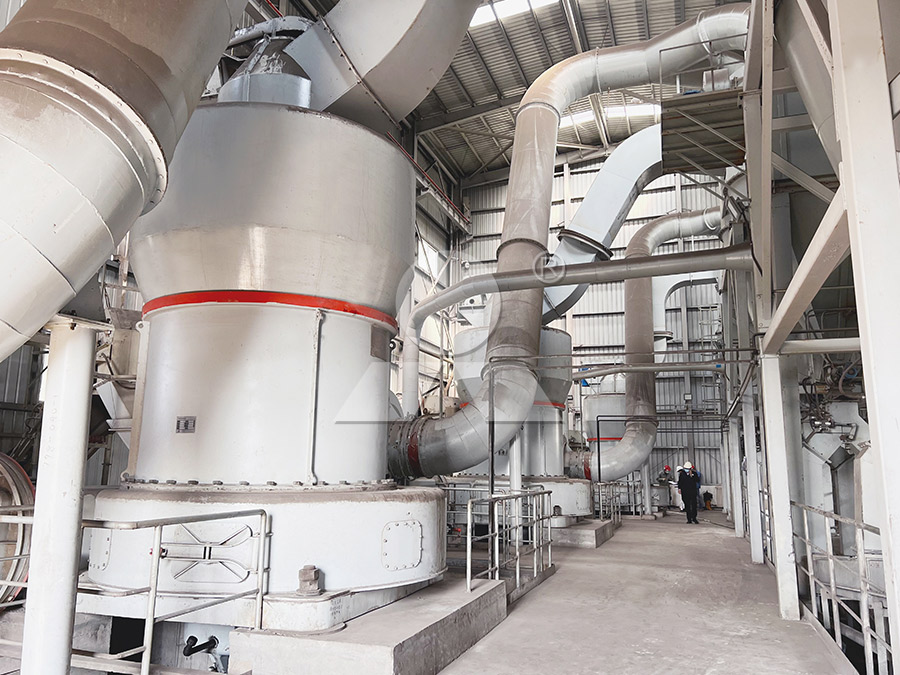
LUM Ultrafine Vertical Grinding Mill: Advanced Technology for Demanding Applications
For operations prioritizing energy efficiency and automated control, the LUM Ultrafine Vertical Grinding Mill offers sophisticated solutions for agricultural limestone production. Its PLC control system and multi-head powder separating technology enable precise management of grinding parameters, resulting in 30%-50% reduced energy consumption compared to conventional mills. The LUM series’ reversible structure simplifies maintenance procedures, allowing grinding roller removal without specialized equipment—a significant advantage for agricultural operations with limited technical staff.
With an input size of 0-10 mm and capacity range of 5-18 tph, the LUM mill comfortably exceeds the 1 tph requirement while providing substantial capacity headroom. The double position-limiting technology ensures operational stability even with variable feed materials, preventing destructive impacts that could interrupt production during critical application periods.
Environmental Considerations and Compliance
Modern vertical grinding mills incorporate comprehensive environmental protection features essential for agricultural operations. The MW series’ efficient pulse dust collector ensures no dust pollution during operation, while silencers and noise elimination rooms maintain compliance with agricultural zoning regulations. The fully sealed negative-pressure systems prevent material leakage, preserving air quality in sensitive farming environments.
These environmental safeguards align with sustainable agriculture principles while ensuring community acceptance of milling operations in rural areas. The closed-system designs minimize product loss while protecting operators from respiratory hazards associated with fine limestone dust.
Implementation Strategy for Agricultural Operations
Successful integration of limestone grinding capabilities requires careful planning around several operational factors:
- Raw Material Sourcing: Identify consistent limestone deposits with appropriate calcium carbonate content (>85% preferred)
- Site Preparation: Allocate space for milling equipment, raw material storage, and finished product inventory
- Seasonal Scheduling: Coordinate production with application timelines, typically pre-planting or post-harvest
- Quality Control: Implement regular particle size analysis to maintain 400-mesh specification
- Application Equipment: Ensure compatibility between fine limestone powder and existing spreader technology
With proper implementation, agricultural operations can achieve complete control over their soil amendment program, adjusting production according to specific field requirements and soil test results.
Conclusion
The integration of vertical grinding technology for agricultural limestone production represents a significant advancement in precision soil management. The ability to consistently produce 400-mesh limestone at 1-ton-per-hour capacity enables farmers and agricultural service providers to optimize soil pH correction while substantially reducing amendment costs. With advanced mills like the MW and LUM series combining precise particle control with operational efficiency, agricultural operations can achieve new levels of productivity and sustainability in soil health management.
Frequently Asked Questions
What makes 400-mesh limestone superior to coarser grades for soil pH adjustment?
400-mesh limestone provides significantly greater surface area, allowing faster reaction with soil acids. While coarser materials may take multiple growing seasons to fully dissolve, 400-mesh particles begin correcting pH within weeks, providing more immediate benefits for crop nutrition and soil biology.
How does operating our own grinding operation compare economically to purchasing pre-ground limestone?
On-site grinding typically achieves 40-60% cost savings compared to purchasing commercial amendments, with return on investment occurring within 2-3 years. Additional benefits include control over particle size distribution, availability during peak demand periods, and utilization of local limestone sources.
What infrastructure requirements are necessary for a 1-ton-per-hour grinding operation?
A complete system requires approximately 500-800 square feet for the mill, feed system, and product collection. Electrical requirements typically range from 150-250 kW depending on mill selection, along with appropriate material handling equipment for both raw and finished materials.
How often does the grinding mill require maintenance during continuous operation?
Modern vertical mills like the MW and LUM series are designed for extended operation with minimal maintenance. Grinding elements typically require inspection every 800-1,000 hours, with major overhauls occurring at 8,000-10,000 hour intervals under normal agricultural limestone processing conditions.
Can the same equipment process other agricultural minerals besides limestone?
Yes, these grinding systems can process various agricultural minerals including gypsum, phosphate rock, and potassium minerals. However, equipment settings may require adjustment to achieve optimal particle size distributions for different materials.
What safety considerations are important when operating a limestone grinding mill?
Key safety measures include comprehensive dust collection systems to prevent explosive dust concentrations, proper grounding to control static electricity, hearing protection for operators, and emergency shutdown systems accessible from multiple locations around the equipment.
How does moisture content in raw limestone affect grinding efficiency?
Optimal grinding occurs with moisture content below 3%. Higher moisture levels can reduce throughput and increase energy consumption. Some mill models incorporate drying capabilities, while others may require pre-drying of damp materials.