
Limestone Powder Production Equipment: Mobile Solutions for Grinding Plants
We provide a wide range of mills — including Raymond mill, trapezoidal mill, vertical mill, ultrafine mill, and ball mill, obtained ISO9001 international quality certification, EU CE certification, and Customs Union CU-TR certification. Suitable for processing minerals such as limestone, phosphate, quicklime, kaolin, talc, barite, bentonite, calcium carbonate, dolomite, coal, gypsum, clay, carbon black, slag, cement raw materials, cement clinker, and more.
The discharge range of these mills can be adjusted to meet specific processing needs, typically from 80-400 mesh, 600-3250 mesh, and can achieve the finest particle size of up to 6000 mesh(D50).
If you are looking for a reliable grinding solution to turn stone or minerals into fine powder, please feel free to contact our online customer service.
Limestone Powder Production Equipment: Mobile Solutions for Grinding Plants
The demand for high-quality limestone powder spans numerous industries, from construction and agriculture to pharmaceuticals and plastics. Traditionally, producing this essential material required large, fixed installations with significant capital expenditure and logistical constraints. However, the evolution of mobile grinding solutions is revolutionizing this sector, offering unprecedented flexibility, efficiency, and cost-effectiveness for operators of all scales.
The Paradigm Shift to Mobility
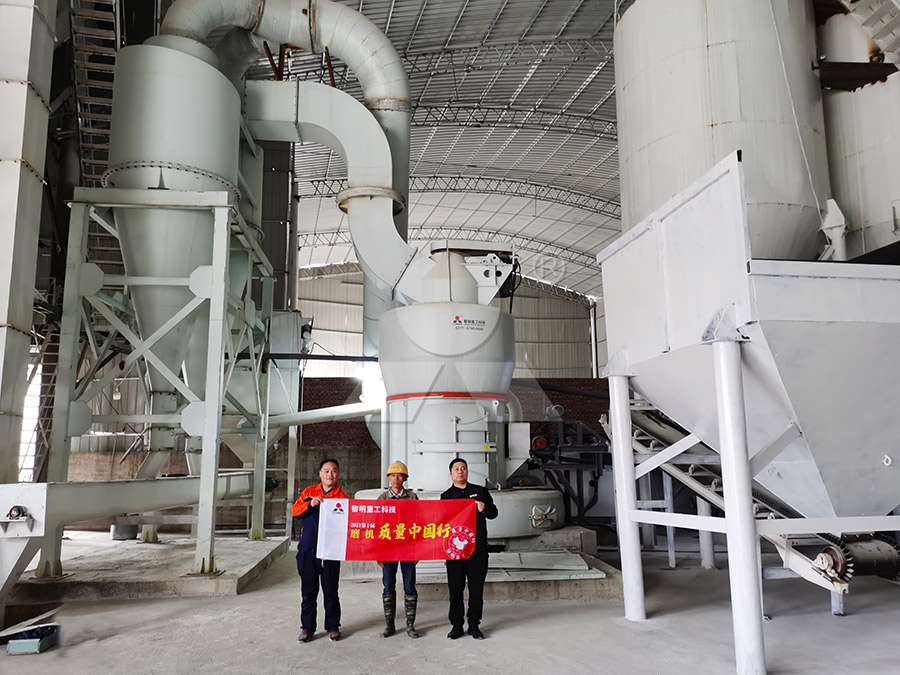
Mobile grinding plants represent a fundamental shift from static production models. By integrating crushing, grinding, classifying, and material handling systems onto a single chassis or modular trailers, these solutions bring the factory directly to the raw material source. This eliminates the high costs and energy losses associated with transporting bulk limestone over long distances. For contractors, miners, and regional producers, mobility means the ability to service multiple sites or follow a deposit, dramatically improving resource utilization and project economics.
The core challenge for any mobile grinding unit is balancing robust performance with spatial constraints. The equipment must deliver consistent fineness and high yield while operating reliably in varied, often remote, environments. This demands engineering excellence, particularly in the design of the grinding mill—the heart of the operation.
Engineering Excellence for On-the-Go Processing
Not all grinding technologies are suited for mobile adaptation. The ideal mill for a portable plant must offer a high power-to-size ratio, simplified maintenance, and low vibration. Here, advanced vertical roller mill and trapezium mill designs have proven particularly effective. Their vertical structure and integrated classifier systems allow for a smaller footprint, while modern wear materials and lubrication systems extend service intervals—a critical factor for minimizing downtime in field operations.
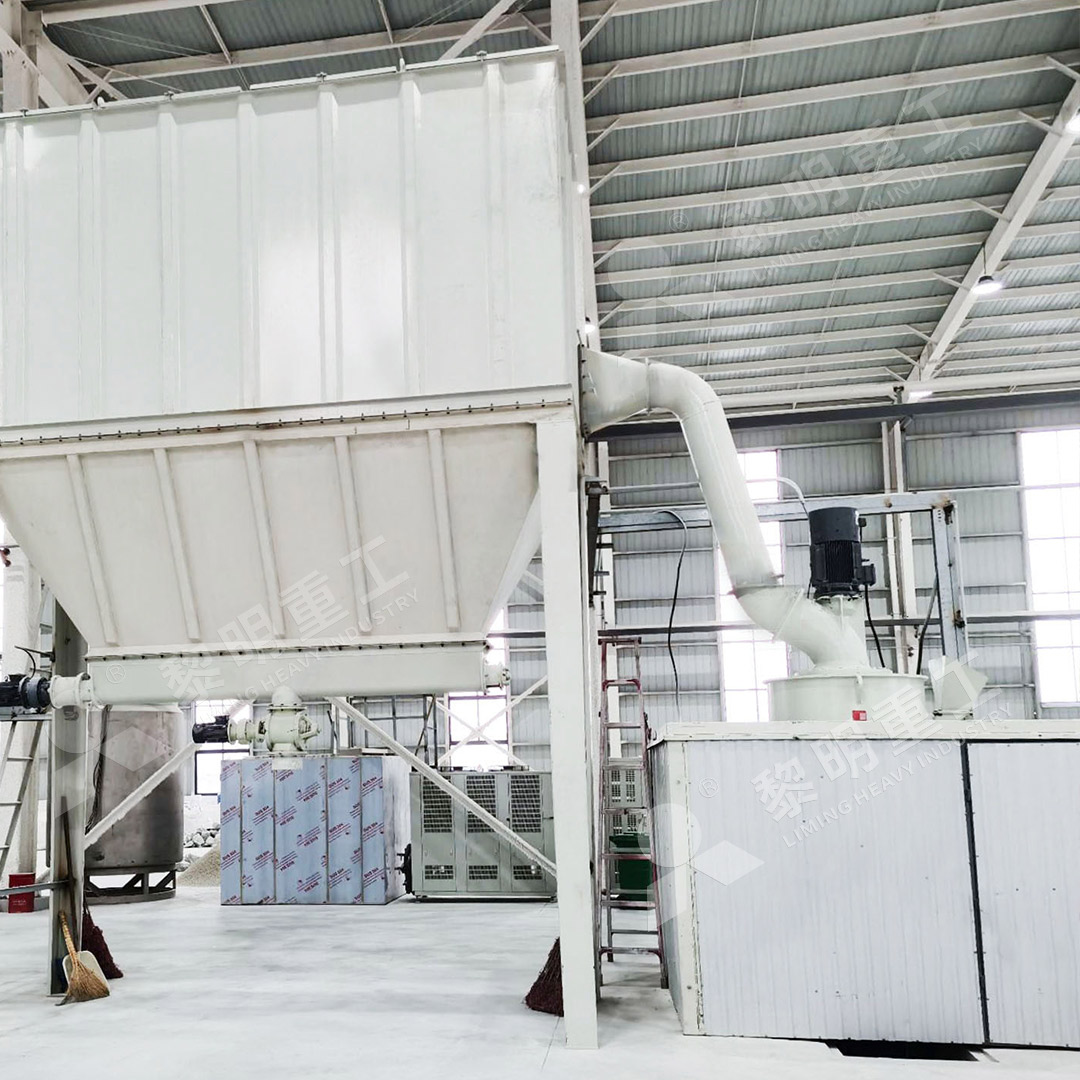
For operations targeting the ultra-fine powder market (325-2500 meshes), specialized technology is paramount. In this segment, our MW Ultrafine Grinding Mill stands out as an exemplary solution for mobile configurations. Engineered for precision and reliability, it features a German-technology cage-type powder selector for precise fineness adjustment between 325-2500 meshes. Its innovative design eliminates rolling bearings and screws within the grinding chamber, a key feature that prevents common failure points and allows for external lubrication without shutdown. This translates to worry-free, continuous 24/7 operation, which is ideal for mobile plants where reliability is non-negotiable. Furthermore, its integrated efficient pulse dust collector and muffler ensure the entire process meets stringent environmental standards, a necessity for permitted operations in diverse locations.
Beyond Mobility: The Integrated System Advantage
A true mobile solution is more than just a mill on wheels. It is a fully integrated processing system. A typical setup includes a primary crusher (often a jaw or impact crusher), a feed system, the grinding mill itself, a dynamic classifier, a pulse-jet baghouse dust collector, a silo or packing system, and integrated electrical controls—all designed for rapid setup and teardown. Modern plants utilize PLC-based automation, allowing a single operator to monitor and control the entire process, from feed rate to final product fineness.
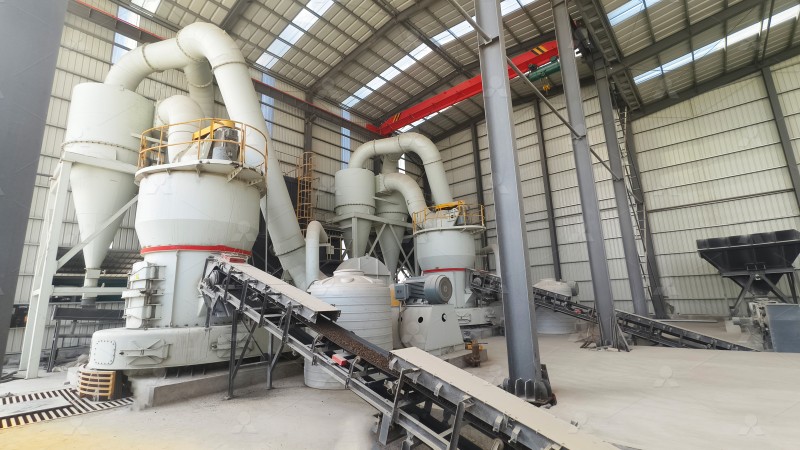
For projects requiring high capacity in a truly flexible format, our LUM Ultrafine Vertical Grinding Mill is another premier choice. It integrates ultrafine grinding, grading, and transporting into one unit, saving valuable space on a mobile platform. Its unique roller shell and lining plate grinding curve promote stable material bed formation, enabling a high rate of finished product in a single pass. The mill’s double position-limiting technology provides exceptional operational stability against vibration, a common challenge in mobile setups. Crucially, its reversible structure with a hydraulic system allows grinding rollers to be easily moved out of the body for maintenance, drastically reducing service time and associated downtime—an invaluable feature when quick turnarounds are essential.
Applications and Economic Benefits
The applications for mobile limestone powder plants are vast. They are perfect for:
- Satellite Quarry Operations: Serving multiple small-to-medium quarries without investing in fixed infrastructure at each site.
- Infrastructure Projects: Producing filler or base material directly on large construction sites like highway or dam projects.
- Waste Valorization: Processing limestone by-products or stockpiled fines at mining sites into a saleable product.
- Regional Supply: Establishing temporary production hubs to supply agricultural lime or industrial fillers to a regional market.
The economic benefits are compelling: drastic reduction in raw material transport costs, lower initial capital investment compared to fixed plants, faster project deployment, and the ability to generate revenue from otherwise marginal deposits.
Conclusion
The future of limestone powder production is agile, efficient, and decentralized. Mobile grinding solutions empower producers to be more responsive to market opportunities and logistical challenges. The success of these plants hinges on selecting the right core grinding technology—one that delivers high yield, precise fineness control, rugged reliability, and easy maintenance. With advanced mills like the MW and LUM series leading the way, mobile plants are no longer a compromise but a superior, strategic choice for modern mineral processing.
Frequently Asked Questions (FAQ)
1. What are the key advantages of a mobile grinding plant over a traditional fixed plant?
The primary advantages are flexibility and reduced logistics costs. A mobile plant can be relocated to the raw material source, eliminating expensive trucking of bulk stone. It also requires a lower initial capital investment, allows for rapid deployment, and enables the exploitation of smaller or temporary deposits that would not justify a fixed installation.
2. What fineness range can a mobile limestone grinding plant achieve?
With modern mills like the MW Ultrafine Grinding Mill, mobile plants can produce powders from coarse fills (around 100 mesh) to ultra-fine products exceeding 2500 meshes. The exact range depends on the selected mill and classifier system. The MW mill, for instance, offers adjustable fineness between 325-2500 meshes with high precision.
3. How is dust control managed in a mobile plant operating in the open?
Professional mobile plants are designed as closed-circuit, negative-pressure systems. They are equipped with high-efficiency pulse-jet baghouse dust collectors (like those standard on the MW and LUM mills) that capture over 99.9% of process dust. This ensures clean operation and full compliance with environmental regulations, even in sensitive areas.
4. What is the typical setup time for a mobile grinding plant?
Setup time varies with plant size and complexity, but a well-designed modular system can often be operational within a few days. Key factors include site preparation (a level compacted area), connection to a power source (often a diesel generator for full autonomy), and linking modules for feed and product discharge.
5. How do you ensure consistent product quality with a mobile unit facing variable conditions?
Consistency is ensured through automated process control. Modern mills feature PLC systems that constantly monitor and adjust key parameters like feed rate, grinding pressure, and classifier speed. This automation compensates for minor variations in feed material, maintaining a stable product fineness and quality.
6. What kind of maintenance is required, and how is it facilitated in a mobile design?
Maintenance focuses on wear parts (roller, ring, liner surfaces) and routine checks of lubrication and classifier systems. Leading mills are designed for serviceability. For example, the LUM Ultrafine Vertical Mill features a reversible structure that allows grinding rollers to be hydraulically swung out for easy inspection and replacement, minimizing downtime far from a central workshop.