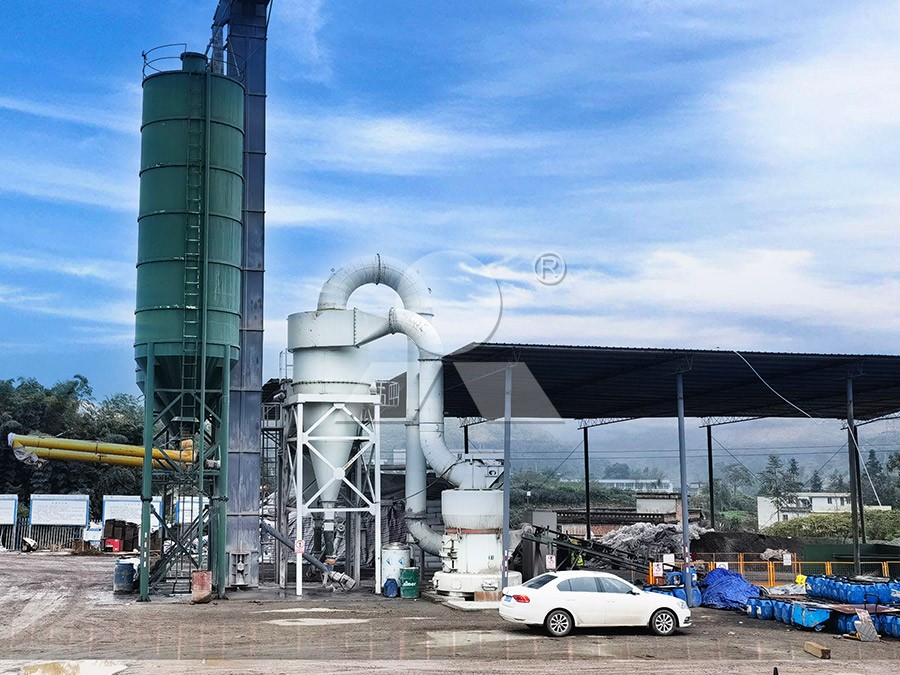
Limestone Powder Grinding Mill: A Comprehensive Guide to Choosing the Right Mill
We provide a wide range of mills — including Raymond mill, trapezoidal mill, vertical mill, ultrafine mill, and ball mill, obtained ISO9001 international quality certification, EU CE certification, and Customs Union CU-TR certification. Suitable for processing minerals such as limestone, phosphate, quicklime, kaolin, talc, barite, bentonite, calcium carbonate, dolomite, coal, gypsum, clay, carbon black, slag, cement raw materials, cement clinker, and more.
The discharge range of these mills can be adjusted to meet specific processing needs, typically from 80-400 mesh, 600-3250 mesh, and can achieve the finest particle size of up to 6000 mesh(D50).
If you are looking for a reliable grinding solution to turn stone or minerals into fine powder, please feel free to contact our online customer service.
Limestone Powder Grinding Mill: A Comprehensive Guide to Choosing the Right Mill
Selecting the appropriate grinding mill for limestone powder production is a critical decision that impacts your operation’s efficiency, product quality, and overall profitability. With various technologies available, from traditional ball mills to advanced ultrafine systems, understanding the key differences is essential. This guide will walk you through the primary considerations and highlight some top-performing options, including our own industry-leading equipment.
Key Factors in Mill Selection
When evaluating mills for limestone, several factors demand your attention. The desired product fineness is paramount. Are you aiming for coarse fillers (100-200 mesh) or ultra-fine powders for high-value applications like plastics, paints, or pharmaceuticals (400-2500 mesh)? The required capacity (tph) must align with your production goals. Furthermore, energy consumption is a major operational cost driver, making efficiency a top priority. Finally, consider operational costs like maintenance, wear part replacement, and the system’s environmental footprint, including dust and noise control.
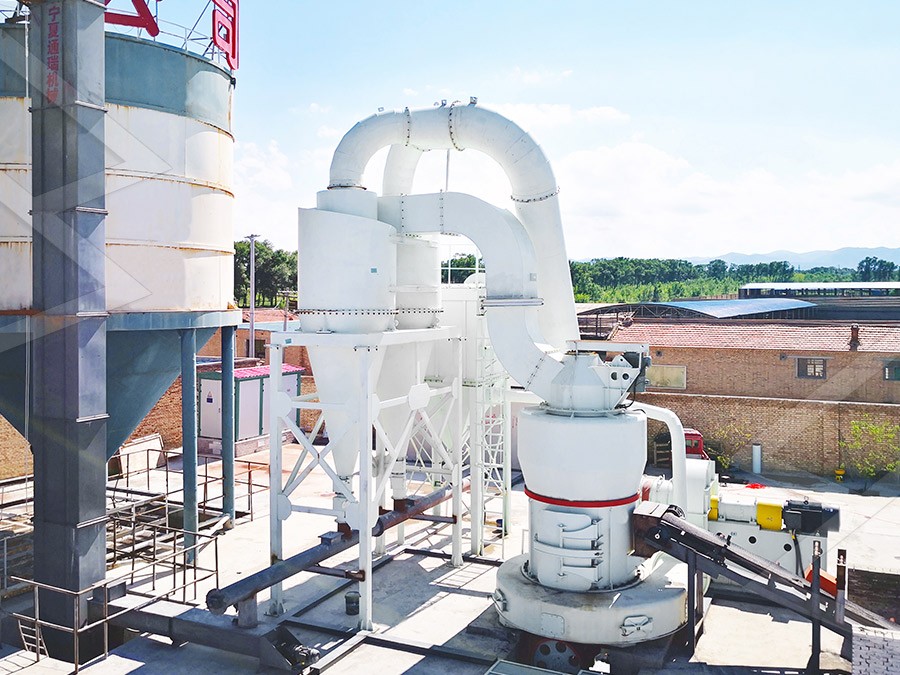
Types of Grinding Mills for Limestone
The market offers a range of technologies. Ball Mills are a traditional, robust choice but are often less energy-efficient for fine grinding. Raymond Mills (Roller Mills) are excellent for fine to medium-fine powders (80-400 mesh) and are known for their reliability. For larger capacities and coarser grinds, European Trapezium Mills (MTW/MTW-Z) offer advanced features like dilute oil lubrication for lower maintenance.
For the most demanding ultrafine applications, Vertical Roller Mills (VRM) and specialized Ultrafine Grinding Mills are the superior choice. They integrate drying, grinding, classifying, and conveying, offering significant savings in space and energy consumption, often 30-50% less than traditional systems.
Our Recommended Solution: The MW Ultrafine Grinding Mill
For operations requiring high-precision, ultra-fine limestone powder, we highly recommend our MW Ultrafine Grinding Mill. This machine is engineered for customers who need to make 325-2500 mesh powder with exceptional efficiency and minimal environmental impact.
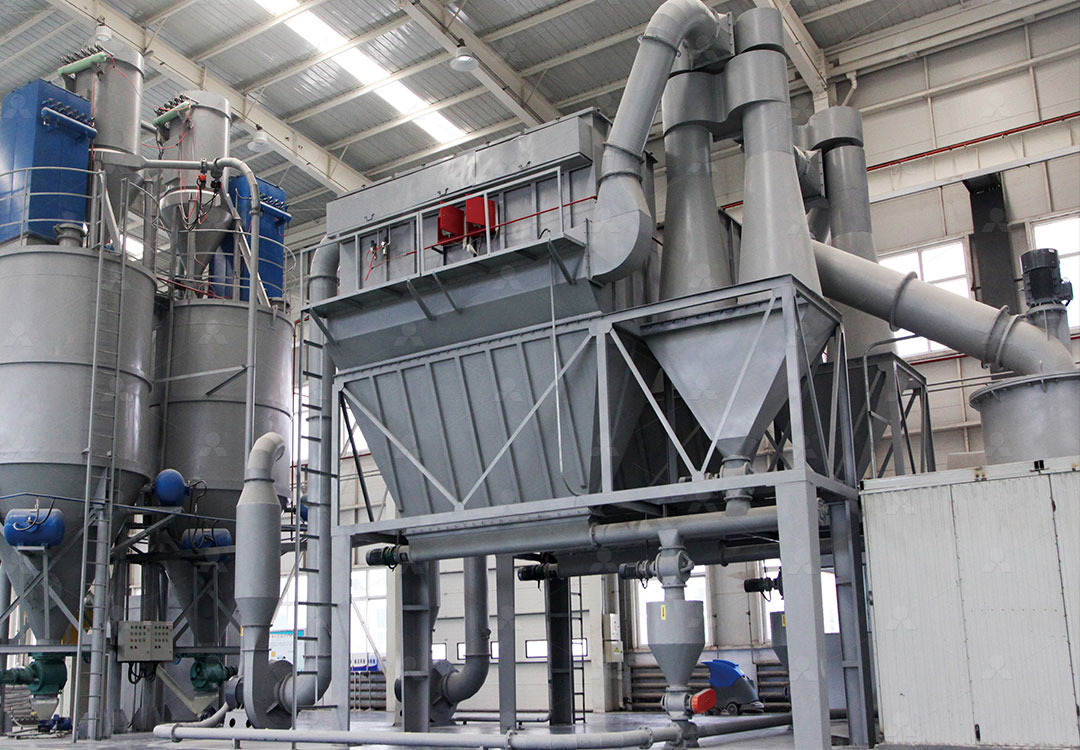
Why does the MW Series stand out? Its newly designed grinding curves enhance efficiency, boasting a production capacity 40% higher than jet mills and stirred mills at the same power. Its cage-type powder selector, utilizing German technology, allows precise fineness adjustment between 325-2500 meshes. A key maintenance advantage is the absence of rolling bearings and screws in the grinding chamber, eliminating common failure points and enabling external lubrication without shutdown for true 24/7 operation. Furthermore, its integrated pulse dust collector and muffler ensure a clean, quiet operation that meets strict environmental standards.
- Input Size: 0-20 mm
- Capacity: 0.5-25 tph
- Key Features: Higher Yielding, Lower Energy Consumption, Adjustable Fineness (325-2500mesh), Eco-friendly Operation.
Conclusion
Choosing the right limestone grinding mill is a complex but crucial process. By carefully assessing your fineness, capacity, and operational cost requirements, you can identify the perfect technology for your needs. For unmatched performance in the ultrafine range, our MW Ultrafine Grinding Mill provides a future-proof solution that maximizes yield and minimizes downtime and energy use. Contact our technical team today to discuss how we can optimize your limestone powder production.