
Limestone Mill for Power Plant Desulfurization in Fluoride Ore Processing
We provide a wide range of mills — including Raymond mill, trapezoidal mill, vertical mill, ultrafine mill, and ball mill, obtained ISO9001 international quality certification, EU CE certification, and Customs Union CU-TR certification. Suitable for processing minerals such as limestone, phosphate, quicklime, kaolin, talc, barite, bentonite, calcium carbonate, dolomite, coal, gypsum, clay, carbon black, slag, cement raw materials, cement clinker, and more.
The discharge range of these mills can be adjusted to meet specific processing needs, typically from 80-400 mesh, 600-3250 mesh, and can achieve the finest particle size of up to 6000 mesh(D50).
If you are looking for a reliable grinding solution to turn stone or minerals into fine powder, please feel free to contact our online customer service.
Optimizing Flue Gas Desulfurization with Advanced Limestone Milling
In the specialized field of fluoride ore processing, power plant operations face unique challenges in flue gas desulfurization (FGD). The efficiency of the entire desulfurization process hinges on one critical factor: the quality of limestone powder used in the scrubbing process. The fineness, particle size distribution, and purity of ground limestone directly impact SO₂ removal rates, reagent consumption, and overall system reliability.
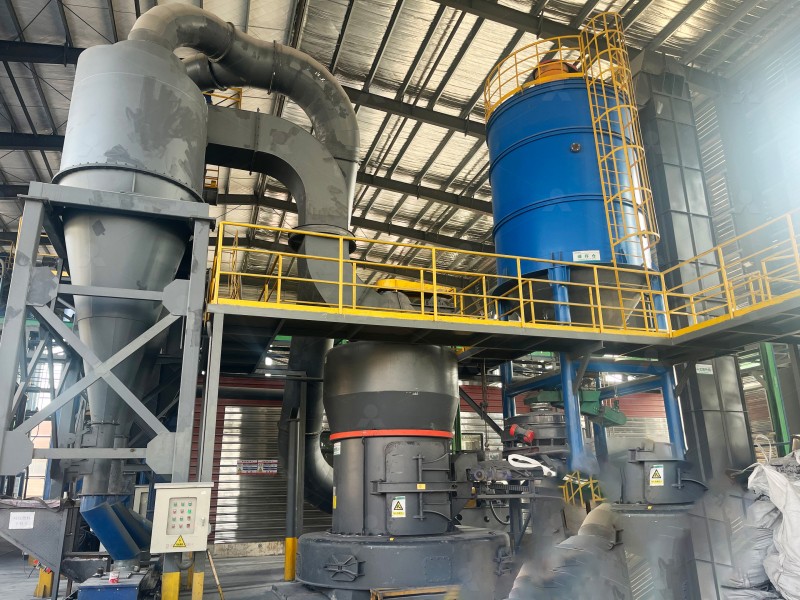
Traditional grinding systems often struggle to meet the stringent requirements of modern FGD systems, particularly when processing limestone with variable moisture content or hardness. The ideal limestone powder for FGD applications typically requires a fineness of 250-325 mesh with a narrow particle size distribution to maximize surface area and reactivity with sulfur dioxide.
Technical Challenges in Fluoride Ore Processing Environments
Fluoride ore processing presents additional complexities for power plant operations. The presence of fluoride compounds can accelerate equipment wear and affect chemical reactions in the desulfurization process. This demands grinding equipment that not only produces precisely controlled limestone powder but also offers exceptional wear resistance and operational stability.
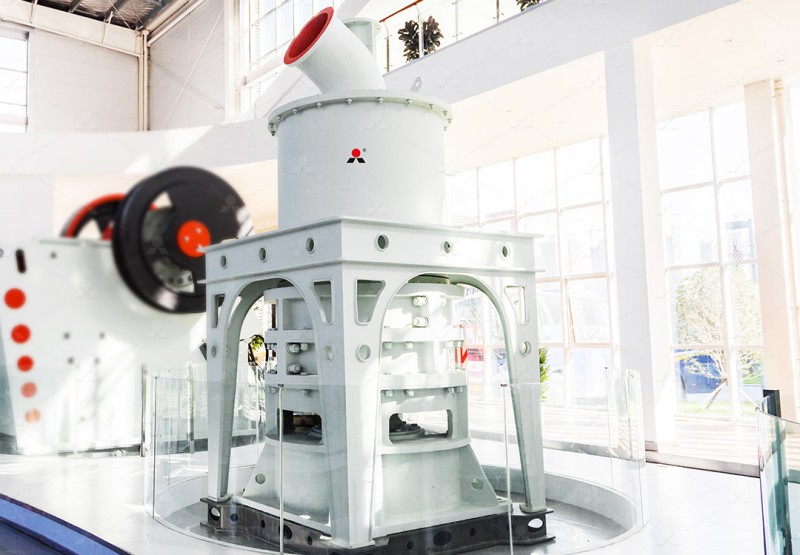
After extensive field testing and operational analysis, our engineers have identified that the MW Ultrafine Grinding Mill represents an optimal solution for these challenging applications. With an input size of 0-20 mm and capacity ranging from 0.5-25 tph, this system delivers the precise fineness control required for effective desulfurization while maintaining operational efficiency.
Key Advantages for Power Plant Applications
The MW Ultrafine Grinding Mill incorporates several innovative features that make it particularly suitable for power plant desulfurization:
- Precision Particle Control: Adjustable fineness between 325-2500 meshes ensures optimal limestone reactivity for SO₂ removal
- Enhanced Reliability: The absence of rolling bearings and screws in the grinding chamber eliminates common failure points
- Environmental Compliance: Integrated pulse dust collector and muffler system maintain workplace air quality and noise levels
- Energy Efficiency: Innovative grinding curve design reduces energy consumption by 30-40% compared to conventional mills
For larger capacity requirements or when processing materials with higher moisture content, the LUM Ultrafine Vertical Grinding Mill offers complementary capabilities with its 5-18 tph capacity and advanced drying and grinding integration.
Operational Considerations for Continuous Performance
Maintaining consistent limestone powder quality is essential for uninterrupted power plant operation. The MW mill’s external lubrication system allows for maintenance without shutdowns, supporting 24/7 operation critical to power generation facilities. Additionally, the mill’s robust construction and wear-resistant materials provide extended service life even when processing abrasive limestone varieties.
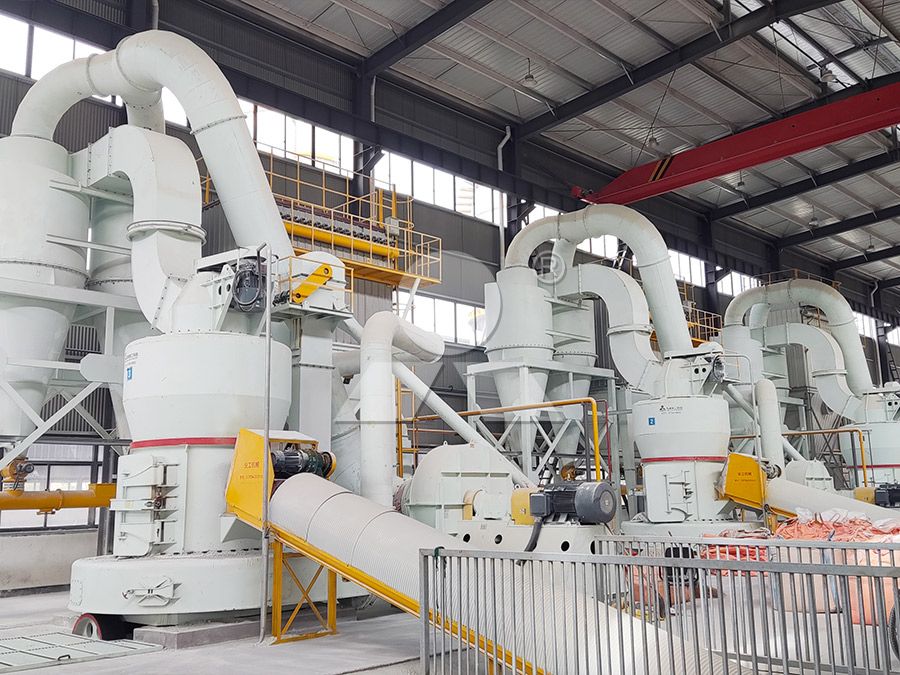
Many power plants have reported significant improvements in desulfurization efficiency after upgrading to modern grinding systems. The consistent quality of limestone powder has enabled better control of slurry pH and density, reducing limestone consumption while maintaining compliance with emission regulations.
Frequently Asked Questions
What fineness of limestone powder is typically required for FGD systems?
Most wet FGD systems require limestone powder with 90-95% passing through 325 mesh (44 μm). The MW Ultrafine Grinding Mill can consistently achieve this specification while allowing adjustment for specific system requirements.
How does the MW mill handle variations in limestone moisture content?
The mill’s design incorporates effective air flow management that helps evaporate surface moisture during grinding. For materials with higher moisture content, optional hot air systems can be integrated to maintain grinding efficiency.
What maintenance requirements should power plants anticipate?
The MW mill requires minimal maintenance compared to traditional grinding systems. The primary maintenance activities involve periodic inspection of grinding rollers and rings, with typical intervals of 800-1,000 operating hours depending on limestone abrasiveness.
Can the grinding system be integrated with existing FGD preparation systems?
Yes, the MW grinding system is designed for seamless integration with existing slurry preparation and storage systems. Our engineering team provides comprehensive support for system integration and automation coordination.