
Limestone Mill Equipment Price Guide: Factors Affecting Cost and Top Models Comparison
We provide a wide range of mills — including Raymond mill, trapezoidal mill, vertical mill, ultrafine mill, and ball mill, obtained ISO9001 international quality certification, EU CE certification, and Customs Union CU-TR certification. Suitable for processing minerals such as limestone, phosphate, quicklime, kaolin, talc, barite, bentonite, calcium carbonate, dolomite, coal, gypsum, clay, carbon black, slag, cement raw materials, cement clinker, and more.
The discharge range of these mills can be adjusted to meet specific processing needs, typically from 80-400 mesh, 600-3250 mesh, and can achieve the finest particle size of up to 6000 mesh(D50).
If you are looking for a reliable grinding solution to turn stone or minerals into fine powder, please feel free to contact our online customer service.
Limestone Mill Equipment Price Guide: Factors Affecting Cost and Top Models Comparison
When investing in limestone milling equipment, understanding the factors that influence pricing and comparing top models is crucial for making an informed decision. This guide explores key cost drivers and highlights industry-leading mills, including our flagship MW Ultrafine Grinding Mill and LUM Ultrafine Vertical Grinding Mill.
Key Factors Affecting Limestone Mill Prices
1. Production Capacity: Higher throughput machines (e.g., 25+ tph) command premium pricing due to larger components and robust construction.
2. Fineness Requirements: Equipment capable of ultra-fine grinding (2500+ meshes) requires advanced separator technology, increasing costs by 15-25% compared to standard models.
3. Energy Efficiency: Mills with energy-saving features like our MW series’ 30% lower consumption justify higher upfront costs through operational savings.
Top-Performing Limestone Mill Models
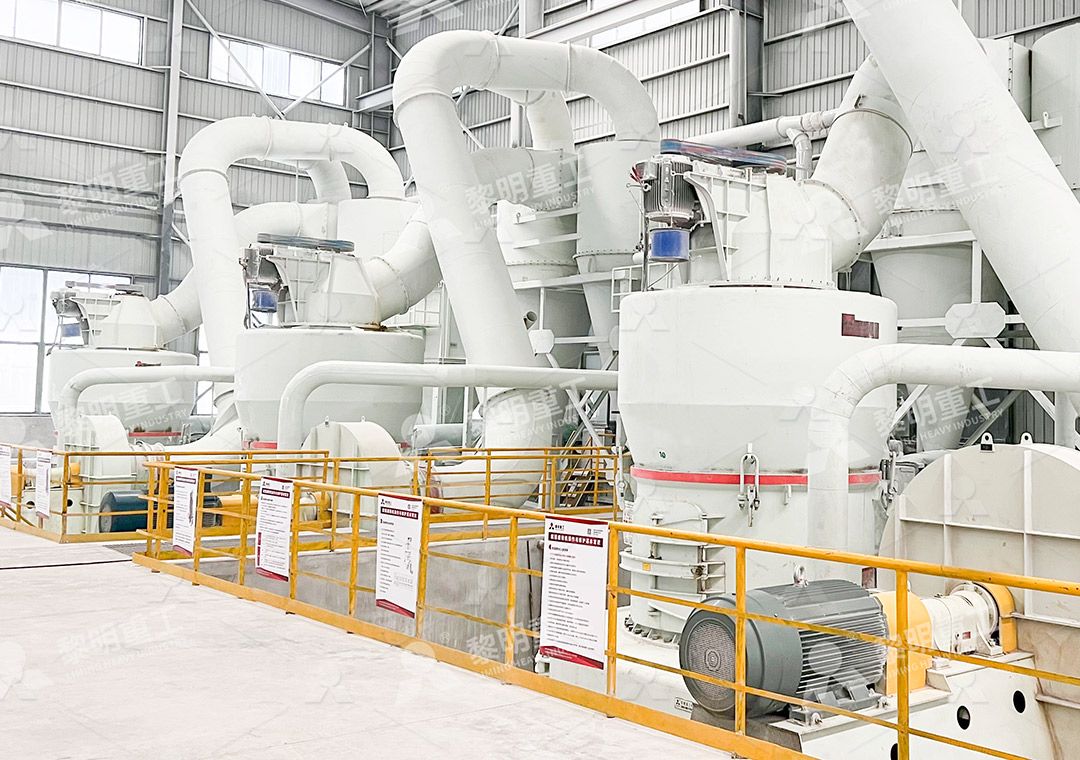
1. MW Ultrafine Grinding Mill
Our MW Ultrafine Grinding Mill stands out for high-yield, low-energy limestone processing:
- Capacity: 0.5-25 tph
- Fineness: Adjustable 325-2500 meshes
- Key Advantage: 40% higher output than jet mills with equivalent energy input
The patented roller-grinding ring design eliminates bearing failures while the German-derived powder selector ensures precise particle distribution. Environmental compliance comes standard with integrated pulse dust collection.
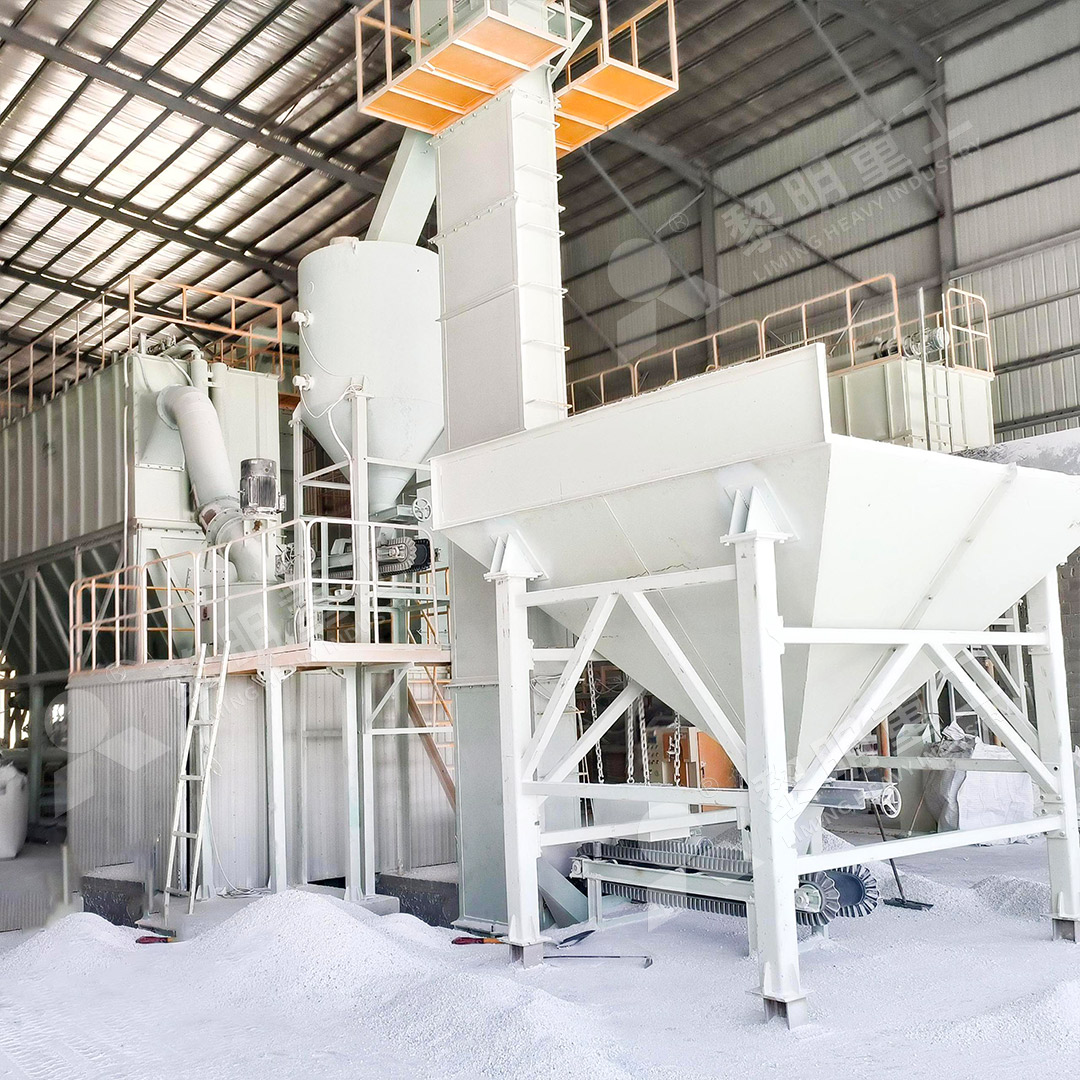
2. LUM Ultrafine Vertical Grinding Mill
For operations requiring compact footprint and advanced automation:
- Capacity: 5-18 tph
- Fineness: d97 ≤ 5μm achievable
- Key Advantage: 30-50% energy reduction via multi-head separating technology
The LUM series’ reversible roller design enables maintenance without full disassembly, minimizing downtime. Electronic position-limiting technology prevents destructive vibration events common in vertical mills.
Cost-Benefit Analysis
| Model | Avg. Price Range | Energy Cost/Ton | ROI Period |
|---|---|---|---|
| MW Ultrafine | $150,000-$350,000 | $2.10 | 18-24 months |
| LUM Vertical | $180,000-$400,000 | $1.85 | 16-22 months |
| Ball Mill (Comparable) | $100,000-$250,000 | $3.40 | 28-36 months |
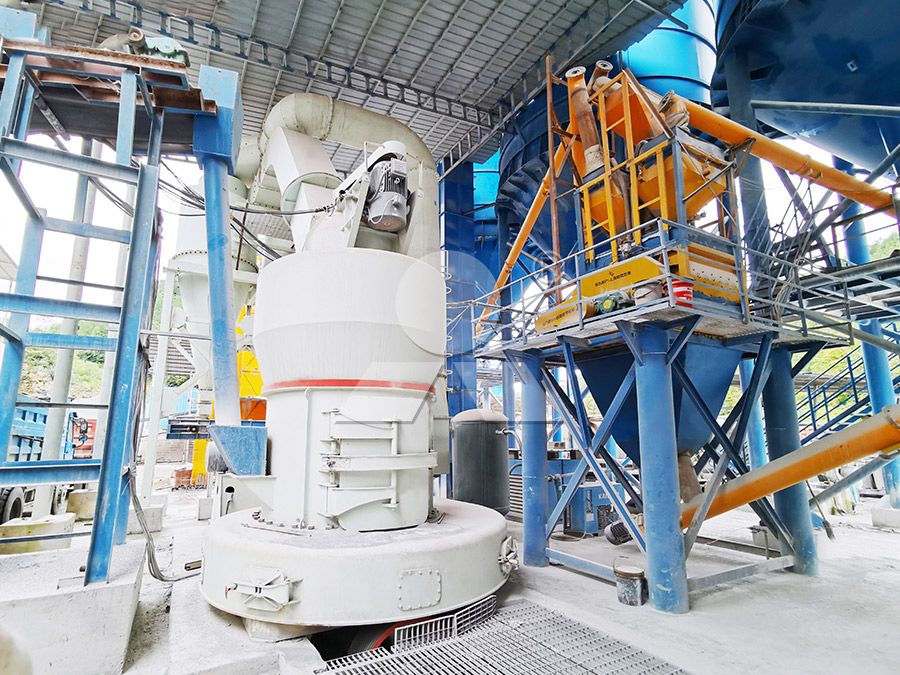
Why Choose Our Limestone Mills?
Beyond competitive pricing, our grinding solutions offer:
- 24/7 technical support with guaranteed spare parts availability
- Digitally manufactured components with ≤0.01mm precision tolerances
- Custom configurations for specific limestone characteristics (e.g., high-silica content)
For operations prioritizing both economy and performance, the MW Ultrafine Grinding Mill delivers exceptional value, particularly when processing 5-20tph of limestone to 800-1500 mesh specifications.