
Limestone Micro Powder Grinding Mill Price and Cost Analysis
We provide a wide range of mills — including Raymond mill, trapezoidal mill, vertical mill, ultrafine mill, and ball mill, obtained ISO9001 international quality certification, EU CE certification, and Customs Union CU-TR certification. Suitable for processing minerals such as limestone, phosphate, quicklime, kaolin, talc, barite, bentonite, calcium carbonate, dolomite, coal, gypsum, clay, carbon black, slag, cement raw materials, cement clinker, and more.
The discharge range of these mills can be adjusted to meet specific processing needs, typically from 80-400 mesh, 600-3250 mesh, and can achieve the finest particle size of up to 6000 mesh(D50).
If you are looking for a reliable grinding solution to turn stone or minerals into fine powder, please feel free to contact our online customer service.
Limestone Micro Powder Grinding Mill Price and Cost Analysis
For industries requiring ultra-fine limestone powder, selecting the right grinding mill is a critical decision that significantly impacts both operational efficiency and long-term profitability. The initial purchase price is just one component of the total cost of ownership, which also includes energy consumption, maintenance, spare parts, and overall productivity. A thorough analysis is essential for making an informed investment.
Key Factors Influencing Mill Pricing
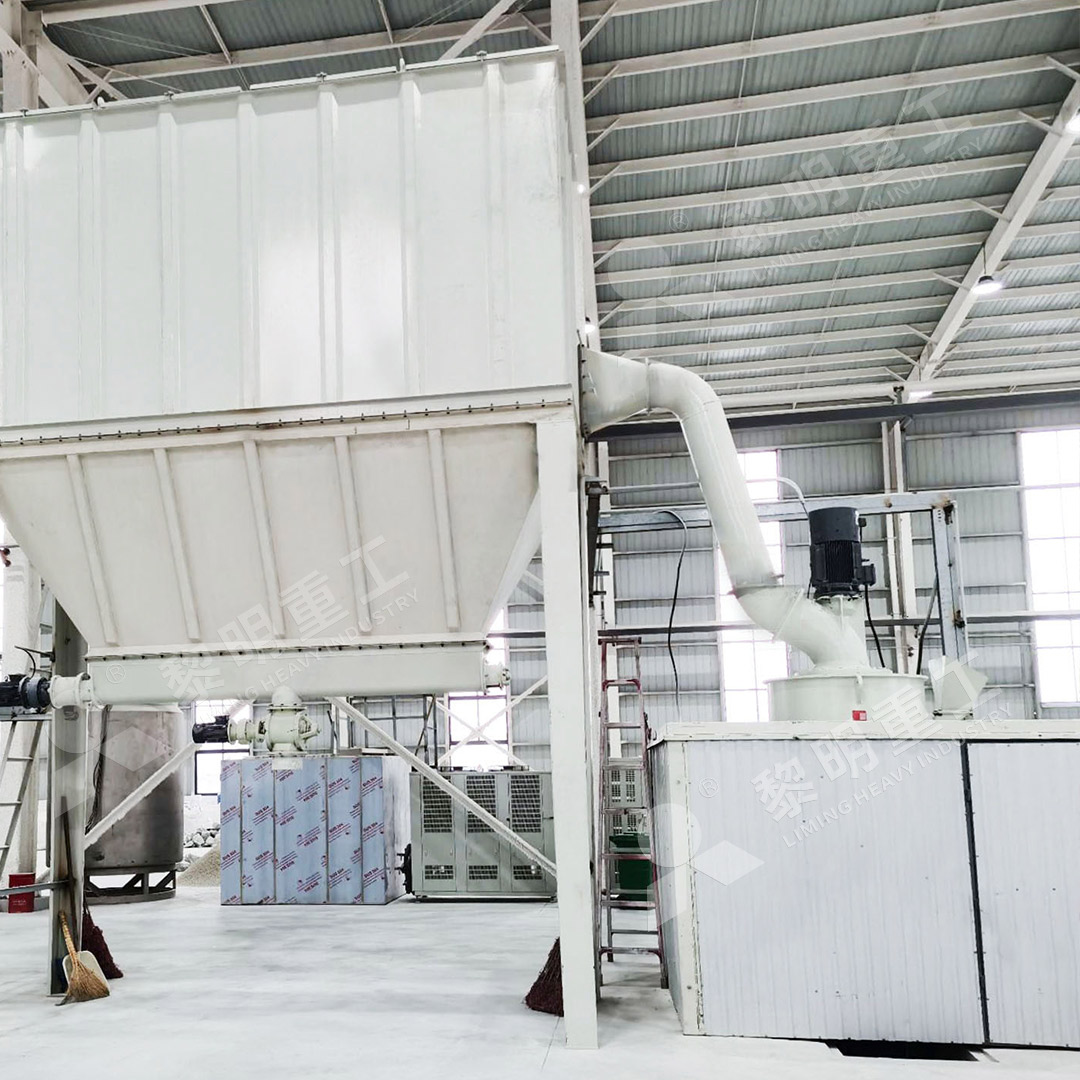
The capital cost of a limestone grinding mill is influenced by several factors. The mill’s capacity, construction materials, technological sophistication, and included features (such as advanced dust collectors and automated control systems) all contribute to the initial price tag. Furthermore, mills designed for higher fineness levels (e.g., 2500 meshes) often incorporate more precise engineering and superior components, commanding a higher price point.
Beyond the Price Tag: The Total Cost of Ownership
A savvy buyer looks beyond the initial invoice. The true cost of operating a grinding mill is dominated by energy consumption. Traditional ball mills, while sometimes cheaper to acquire, are notoriously inefficient, with a significant portion of energy wasted as heat and noise. Modern mills are engineered for energy savings, which can reduce power costs by 30% to 50% over the equipment’s lifespan, quickly offsetting a higher initial investment.
Maintenance and downtime represent another major cost center. Mills with complex internal bearings or numerous internal screws are prone to failure, leading to expensive repairs and lost production. A design that eliminates these vulnerable points can drastically reduce maintenance costs and ensure continuous, worry-free operation.
Recommended Solution: MW Ultrafine Grinding Mill
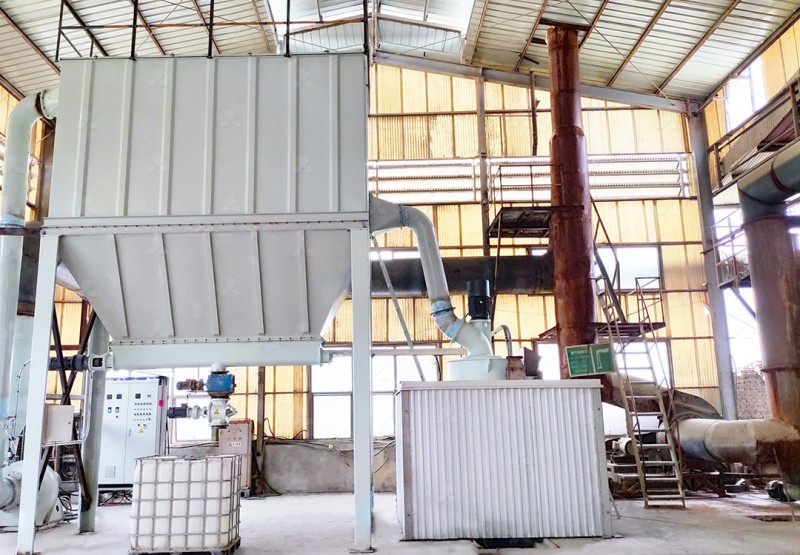
For operations focused on producing high-value, ultra-fine limestone powder, the MW Ultrafine Grinding Mill presents an optimal balance of performance and cost-effectiveness. It is specifically engineered for customers who need to make 325-2500 mesh ultra-fine powder efficiently.
Key advantages that reduce the total cost of ownership include:
- Higher Yielding, Lower Energy Consumption: Its newly designed grinding curves enhance efficiency, offering production capacity 40% higher than jet mills and twice that of ball mills, while using only 30% of the energy of a jet mill.
- No Rolling Bearing & Screw in Grinding Chamber: This innovative design eliminates concerns about bearing damage or loose screws, ensuring remarkable operational stability and reducing maintenance needs to simple external lubrication.
- Eco-friendly Operation: Equipped with an efficient pulse dust collector and muffler, the entire milling system operates without dust pollution and with reduced noise, meeting national environmental standards.
An Advanced Alternative: LUM Ultrafine Vertical Grinding Mill
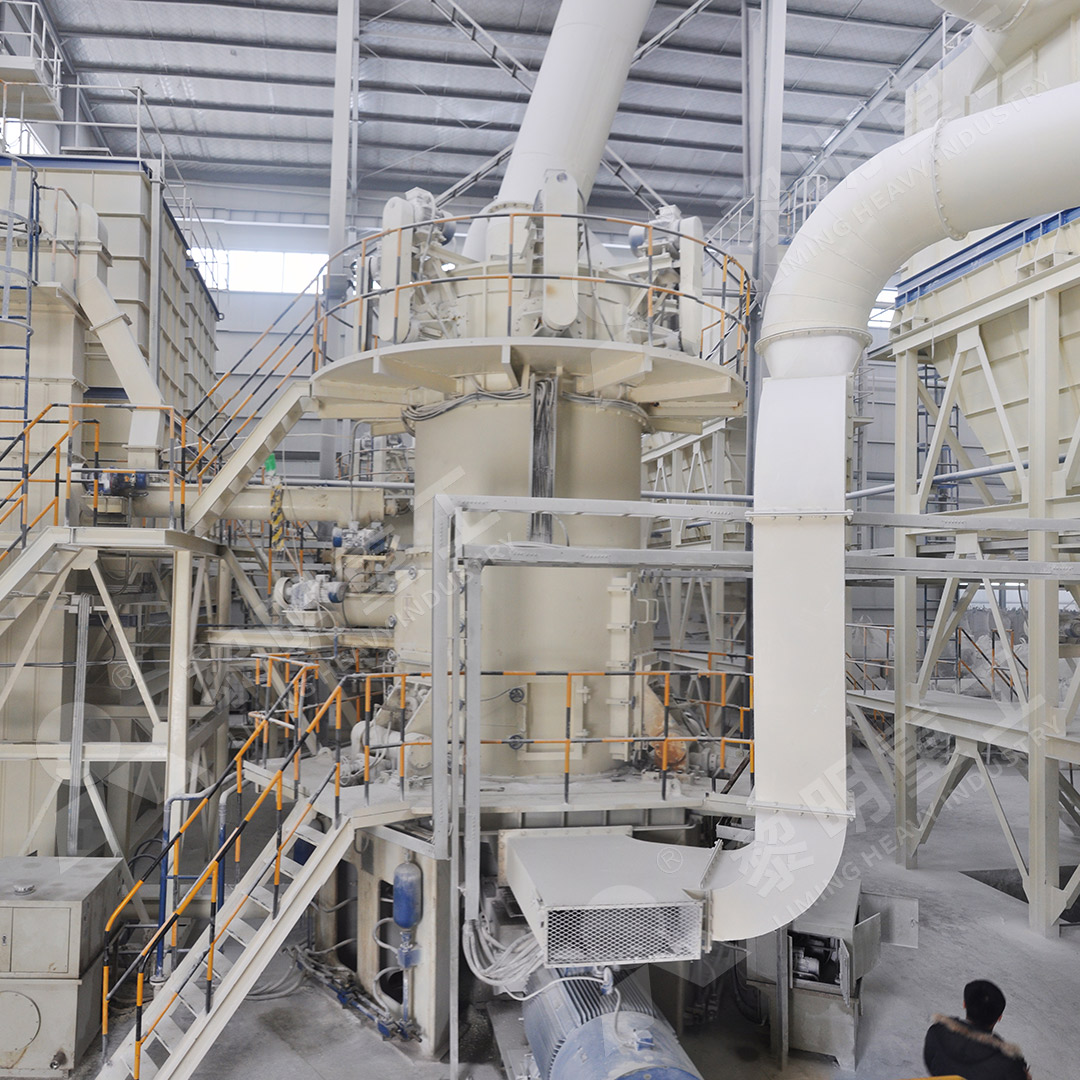
For projects requiring even more advanced technology and automation, the LUM Ultrafine Vertical Grinding Mill is a premier choice. Integrating the latest grinding roller and German powder separating technology, it excels in processing superfine dry powder of non-metal ores like limestone.
Its cost-saving features are notable:
- More Energy-Saving Multi-Head Powder Separating Technology: A PLC control system allows for precise control over grinding parameters, reducing energy consumption by 30%-50% compared to common grinding mills.
- Reversible Structure: Designed for easy maintenance, the grinding roller can be hydraulically turned out for quick checking and replacement of parts, minimizing shutdown losses and labor costs.
Conclusion
Investing in a limestone micro powder grinding mill is a strategic decision. The most economical choice is rarely the one with the lowest purchase price. Instead, it is the mill that delivers the lowest cost per ton of high-quality finished product over its entire service life. By prioritizing energy efficiency, minimal maintenance, high yield, and operational stability, mills like the MW Series and LUM Series provide superior long-term value, ensuring your operation remains competitive and profitable.
Frequently Asked Questions (FAQ)
- What is the typical output fineness range for limestone powder?
Our MW Ultrafine Grinding Mill can precisely adjust the product fineness between 325 and 2500 meshes, with the screening rate achieving d97≤5μm in a single pass. - How does the MW Mill achieve lower energy consumption?
It utilizes newly designed grinding curves for higher efficiency and a cage-type powder selector for precise separation, consuming up to 70% less energy than traditional jet mills for the same output. - Are these mills environmentally friendly?
Yes. Both the MW and LUM mills are equipped with efficient pulse dust collectors and noise reduction systems, ensuring full compliance with national environmental protection standards with no dust pollution. - What about the availability of spare parts and technical support?
As the manufacturer, we take full responsibility for every machine and guarantee a sufficient supply of original spare parts, backed by comprehensive technical services to ensure worry-free operation. - Can the mill handle materials other than limestone?
Absolutely. These mills are highly versatile and can also process calcite, dolomite, talc, barite, gypsum, and other non-flammable, non-explosive materials with similar hardness.