
Limestone Kiln Coal Mill Selection and Maintenance Guide
We provide a wide range of mills — including Raymond mill, trapezoidal mill, vertical mill, ultrafine mill, and ball mill, obtained ISO9001 international quality certification, EU CE certification, and Customs Union CU-TR certification. Suitable for processing minerals such as limestone, phosphate, quicklime, kaolin, talc, barite, bentonite, calcium carbonate, dolomite, coal, gypsum, clay, carbon black, slag, cement raw materials, cement clinker, and more.
The discharge range of these mills can be adjusted to meet specific processing needs, typically from 80-400 mesh, 600-3250 mesh, and can achieve the finest particle size of up to 6000 mesh(D50).
If you are looking for a reliable grinding solution to turn stone or minerals into fine powder, please feel free to contact our online customer service.
Limestone Kiln Coal Mill Selection and Maintenance Guide
Selecting the right coal mill for limestone kiln operations is a critical decision that impacts productivity, energy efficiency, and operational costs. The ideal mill must handle the specific grindability and moisture content of the coal while integrating seamlessly with the kiln system. This guide outlines key selection criteria and maintenance best practices to optimize your limestone production process.
Key Selection Criteria
When choosing a coal mill, consider the following factors:
- Feed Size and Capacity: Match the mill’s input size capability (e.g., 0–20 mm) and throughput (e.g., 0.5–25 tph) to your kiln’s coal demand.
- Grinding Efficiency: Opt for mills with advanced grinding curves and powder separation technologies to achieve higher yield with lower energy consumption.
- Durability and Maintenance: Designs without rolling bearings or screws in the grinding chamber reduce failure risks and simplify upkeep.
- Environmental Compliance: Ensure the mill includes pulse dust collectors and noise reduction features to meet regulatory standards.
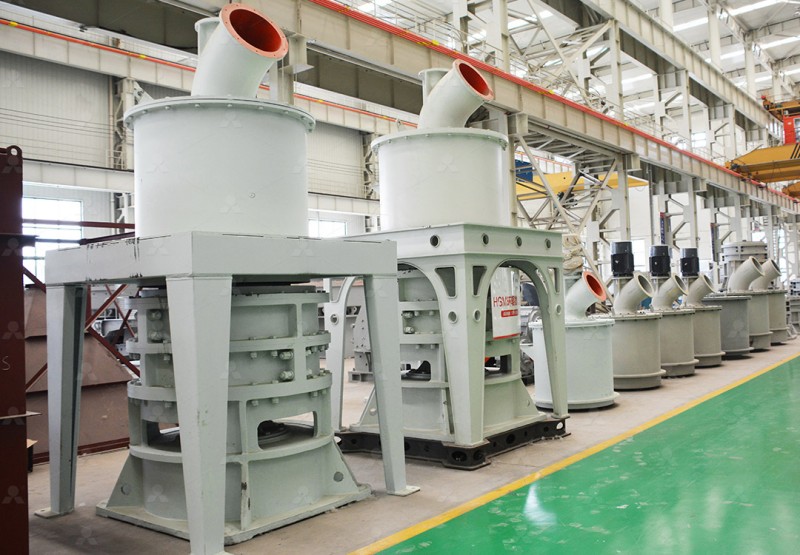
Recommended Solution: MW Ultrafine Grinding Mill
For operations requiring ultra-fine coal powder (325–2500 meshes), the MW Ultrafine Grinding Mill stands out. It combines high efficiency with eco-friendly operation, making it ideal for limestone kiln applications. Key advantages include:
- 40% higher capacity than jet mills and double the output of ball mills.
- Energy consumption reduced by 30% through optimized grinding curves.
- External lubrication system enabling 24/7 operation without shutdowns.
- Integrated pulse dust collector ensuring dust-free compliance.
With an input size of 0–20 mm and capacity up to 25 tph, this mill suits mid-to-large-scale kiln systems. Its cage-type powder selector, based on German technology, guarantees precise fineness control—critical for uniform kiln combustion.
Maintenance Best Practices
Regular maintenance is essential to maximize mill lifespan and avoid unplanned downtime:
- Inspect Grinding Components: Check rollers and rings quarterly for wear. Replace if thickness decreases by 20%.
- Monitor Lubrication: Use high-temperature grease for external lubrication points every 500 operating hours.
- Clean Dust Collection Systems: Clear pulse dust collector filters monthly to maintain airflow and efficiency.
- Calibration Checks: Verify powder separator settings biannually to ensure consistent fineness.
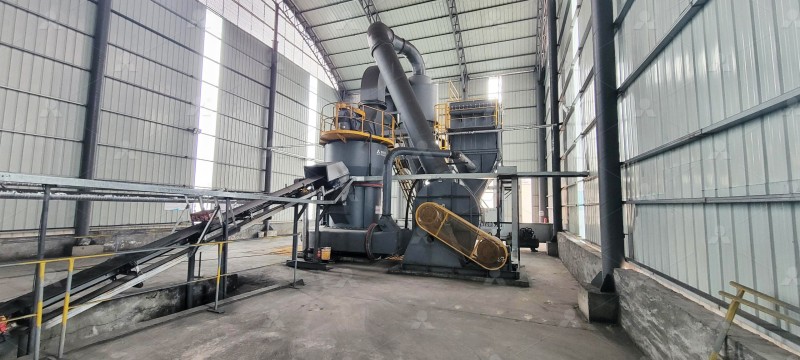
Alternative Option: LUM Ultrafine Vertical Grinding Mill
For finer feed materials (0–10 mm) and capacities up to 18 tph, the LUM Ultrafine Vertical Grinding Mill offers exceptional stability. Its reversible structure allows easy roller maintenance, while multi-head powder separating technology enhances energy savings by 30–50%. This model is particularly effective for kilns requiring rapid fineness adjustments.
Operational Tips
- Avoid overloading the mill beyond 110% of rated capacity to prevent premature wear.
- Use moisture meters to ensure coal humidity stays below 10% for optimal grinding.
- Implement predictive maintenance with vibration sensors to detect imbalances early.
Frequently Asked Questions (FAQ)
What is the typical lifespan of grinding rollers in the MW Ultrafine Grinding Mill?
With proper maintenance, rollers last 6,000–8,000 hours. Using high-chromium alloy materials can extend this by 30%.
Can the MW mill handle high-moisture coal?
Yes, but pre-drying to below 12% moisture is recommended to maintain grinding efficiency and avoid clogging.
How often should the powder separator be serviced?
Inspect every 3 months and recalibrate annually. For high-abrasion coal, increase inspection frequency to bimonthly.
Is remote monitoring supported?
Both MW and LUM mills can integrate with PLC systems for real-time performance tracking and automated adjustments.