
Limestone Grinding System: Vertical Roller Mill for Efficient Powder Production
We provide a wide range of mills — including Raymond mill, trapezoidal mill, vertical mill, ultrafine mill, and ball mill, obtained ISO9001 international quality certification, EU CE certification, and Customs Union CU-TR certification. Suitable for processing minerals such as limestone, phosphate, quicklime, kaolin, talc, barite, bentonite, calcium carbonate, dolomite, coal, gypsum, clay, carbon black, slag, cement raw materials, cement clinker, and more.
The discharge range of these mills can be adjusted to meet specific processing needs, typically from 80-400 mesh, 600-3250 mesh, and can achieve the finest particle size of up to 6000 mesh(D50).
If you are looking for a reliable grinding solution to turn stone or minerals into fine powder, please feel free to contact our online customer service.
Limestone Grinding System: Vertical Roller Mill for Efficient Powder Production
The modern industrial landscape demands not only high productivity but also operational efficiency, environmental responsibility, and superior product quality. In the realm of mineral processing, particularly for materials like limestone, calcite, and dolomite, the choice of grinding technology is paramount. Among the various options, Vertical Roller Mills (VRMs) have emerged as the superior solution, offering a compelling combination of performance, energy savings, and eco-friendly operation.
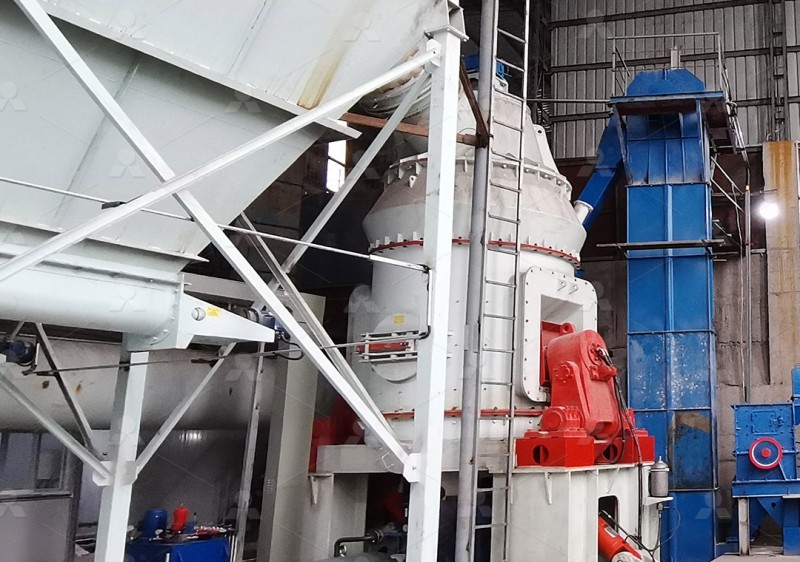
Traditional grinding systems, such as ball mills or Raymond mills, often struggle with high energy consumption, significant floor space requirements, and challenges in controlling product fineness and iron contamination. The vertical roller mill architecture fundamentally rethinks the grinding process by integrating drying, grinding, classification, and conveying into a single, compact unit. This integrated approach is the key to its widespread adoption across industries requiring fine and ultra-fine powders.
The Core Advantages of Vertical Roller Mill Technology
The superiority of the VRM system lies in its design principles. Material is fed onto a rotating grinding table and is ground under pressure by hydraulically loaded rollers. The ground material is then pneumatically conveyed to an integrated high-efficiency classifier. This process offers distinct benefits:
- Significant Energy Savings: By utilizing the roller-to-bed crushing principle rather than impact or attrition alone, VRMs consume 30% to 50% less energy than traditional ball mills for the same output.
- Compact Footprint: The vertical design and integrated functions reduce the plant’s occupied area by approximately 50% compared to a ball mill system with auxiliary equipment.
- Superior Product Quality: The short material residence time in the grinding zone minimizes over-grinding and reduces the risk of iron contamination from mechanical wear, ensuring higher whiteness and purity of the final limestone powder.
- Advanced Drying Capability: Hot gas can be introduced directly into the mill body, allowing simultaneous grinding and drying of materials with moisture content, eliminating the need for a separate dryer.
- Environmentally Friendly Operation: The entire system operates under negative pressure, preventing dust spillage. Combined with high-efficiency pulse jet bag filters and silencers, it ensures a clean and quiet working environment that meets stringent international emission standards.
Meeting the Demand for Ultra-Fine Powders
As applications in plastics, paints, coatings, and advanced composites evolve, the demand for precisely controlled, ultra-fine powders (below 10 microns) has skyrocketed. Standard vertical mills excel at producing powders in the range of 325 to 600 mesh. However, for specialized applications requiring fineness up to 2500 mesh, a more advanced solution is necessary.
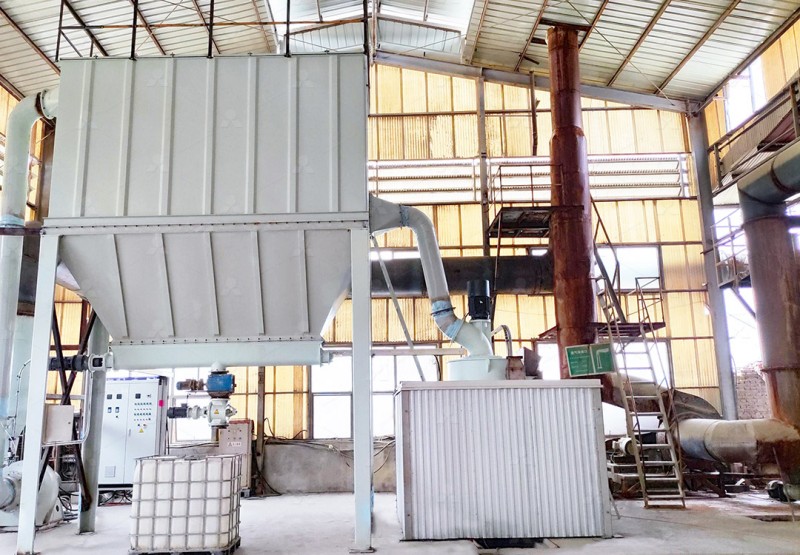
For these high-end requirements, our MW Ultrafine Grinding Mill represents the pinnacle of grinding technology. Engineered for customers who need to make ultra-fine powder, this mill incorporates a highly efficient cage-type powder selector based on German technology. It allows precise adjustment of product fineness between 325 and 2500 meshes, achieving a remarkable screening rate of d97≤5μm in a single pass. Its innovative design, featuring no rolling bearings or screws in the grinding chamber, eliminates common failure points and enables worry-free, continuous 24-hour operation. Equipped with an efficient pulse dust collector and muffler, the MW series ensures production has minimal effect on the environment.
A Robust Solution for High-Capacity Production
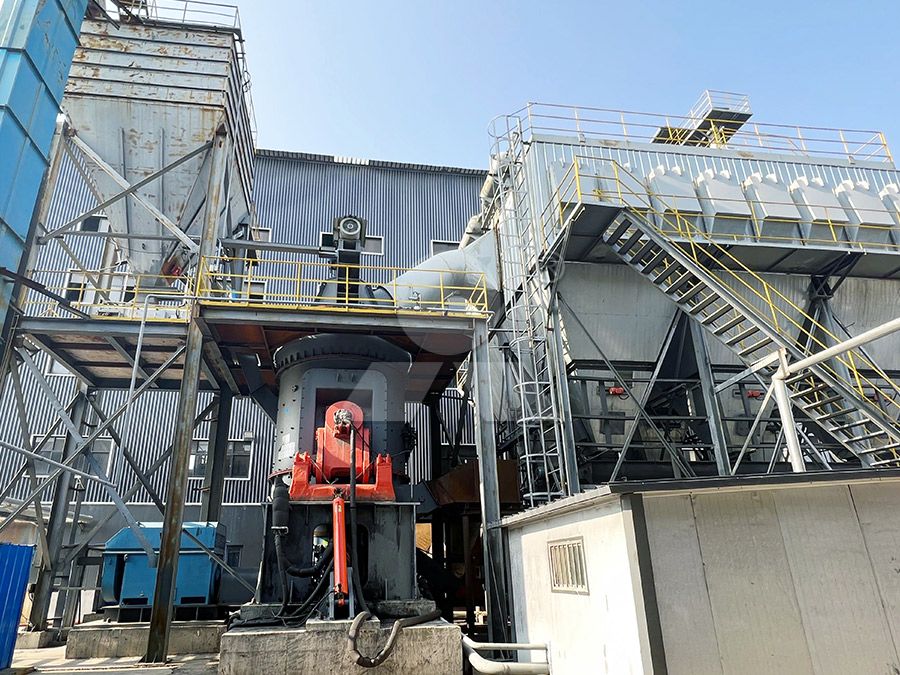
For large-scale projects requiring high throughput of limestone powder for industries like cement, power plant desulfurization, or construction materials, a robust and reliable workhorse is essential. The LM Vertical Grinding Mill is specifically designed for this role. With a capacity range of up to 340 tons per hour and the ability to handle feed sizes up to 70mm, it integrates crushing, drying, grinding, classifying, and conveying seamlessly.
Its key strength lies in comprehensive optimization for lower operating costs. The grinding roller and millstone do not contact directly, drastically reducing wear. The simple, compact layout and the ability to install the mill outdoors significantly reduce civil engineering and overall investment costs. Like all our premium equipment, it is manufactured using digitalized processing with tens of lines of CNC machine tools, ensuring high precision, especially for core components, and is backed by a sufficient supply of original spare parts for worry-free operation.
Conclusion: The Future of Powder Processing
The transition to vertical roller mill technology is more than an equipment upgrade; it is a strategic move towards sustainable and profitable production. By delivering higher yield with lower energy consumption, ensuring superior product quality, and operating within strict environmental guidelines, VRM systems like our MW and LM series set the new standard. For any operation focused on grinding limestone and similar non-metallic minerals, investing in an advanced vertical grinding system is the most effective path to achieving efficiency, quality, and environmental goals simultaneously.
Frequently Asked Questions (FAQ)
1. What is the main advantage of a Vertical Roller Mill over a traditional ball mill for limestone grinding?
The primary advantages are dramatically lower energy consumption (30-50% savings), a much smaller physical footprint, superior drying capability within the mill, better control over product fineness, and significantly lower noise and dust emissions, making it a more efficient and environmentally friendly solution.
2. How fine a powder can your mills produce from limestone?
Our mill range covers a broad spectrum. Standard LM vertical mills efficiently produce powder from 325 to 600 mesh. For ultra-fine applications, our specialized MW Ultrafine Grinding Mill can achieve a adjustable fineness between 325 and 2500 meshes, with the capability to produce powder where 97% of particles are below 5 microns (d97≤5μm).
3. Can your mills handle moist limestone feedstock?
Yes, this is a key strength of vertical roller mills. Hot air can be introduced into the grinding chamber, allowing simultaneous drying and grinding. The LM Vertical Mill, for instance, integrates drying as a core function, eliminating the need for a separate, energy-intensive drying step before grinding.
4. How do you ensure consistent powder fineness?
Consistency is achieved through advanced, integrated dynamic classifiers. Mills like the MW series use a multi-head cage-type powder selector for high-precision separation. The fineness is easily adjusted by changing the rotor speed of the classifier, allowing quick response to different product specifications without stopping the mill.
5. Are these mills complex and expensive to maintain?
On the contrary, the design prioritizes easy maintenance. Features like the reversible roller structure in our LUM series and the external lubrication system on the MW series allow for easy inspection and replacement of wear parts. The absence of complex mechanical linkages inside the grinding chamber (like in the MW mill) reduces failure points. Furthermore, we guarantee a sufficient supply of original spare parts to minimize downtime.
6. What about dust control and environmental compliance?
Environmental protection is built into the system design. All our recommended mills operate under negative pressure, ensuring no dust escapes the housing. They are equipped with high-efficiency pulse jet bag filter dust collectors that capture over 99.9% of particulates. Combined with silencers, the system operates cleanly and quietly, far exceeding typical national and international environmental standards.