
Limestone Grinding Mills for Small Scale Operations
We provide a wide range of mills — including Raymond mill, trapezoidal mill, vertical mill, ultrafine mill, and ball mill, obtained ISO9001 international quality certification, EU CE certification, and Customs Union CU-TR certification. Suitable for processing minerals such as limestone, phosphate, quicklime, kaolin, talc, barite, bentonite, calcium carbonate, dolomite, coal, gypsum, clay, carbon black, slag, cement raw materials, cement clinker, and more.
The discharge range of these mills can be adjusted to meet specific processing needs, typically from 80-400 mesh, 600-3250 mesh, and can achieve the finest particle size of up to 6000 mesh(D50).
If you are looking for a reliable grinding solution to turn stone or minerals into fine powder, please feel free to contact our online customer service.
Navigating the World of Small-Scale Limestone Milling
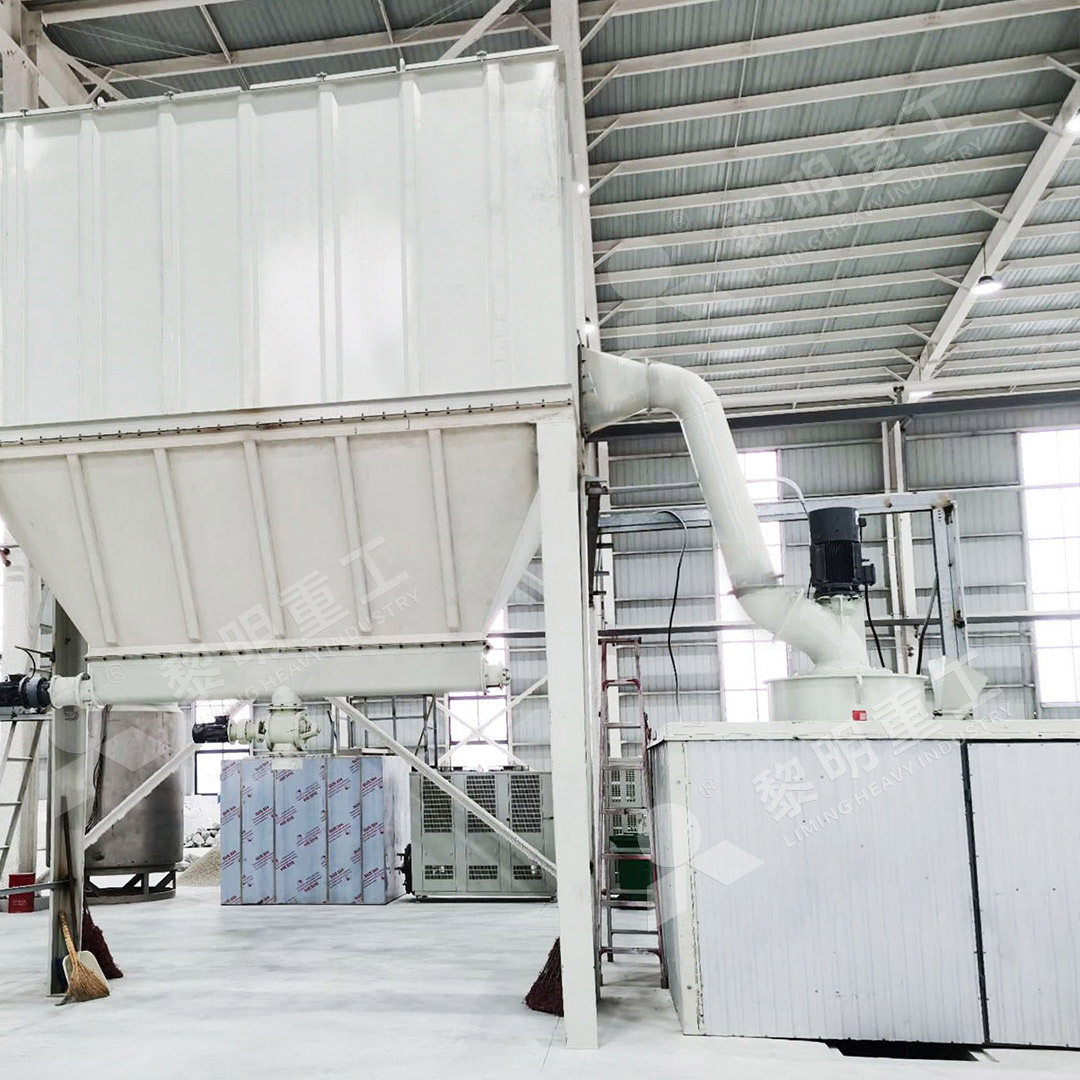
For small to medium-sized operations, selecting the right limestone grinding equipment is a critical decision that impacts productivity, operational costs, and final product quality. Unlike large-scale industrial projects, smaller operations require mills that are not only efficient and precise but also relatively compact, easier to maintain, and cost-effective to run. The challenge lies in finding a machine that delivers a fine, consistent powder without the massive footprint and energy appetite of its industrial-sized counterparts.
Key Considerations for Smaller Grinding Setups
When your operation doesn’t call for processing hundreds of tons per hour, different factors come into play. Upfront investment is often a primary concern, but it shouldn’t be the only one. Reliability is paramount; a single breakdown can halt your entire production line. Energy consumption directly eats into your profit margins. Finally, the flexibility to produce different finenesses for various applications—from agricultural lime to filler for paints or plastics—can open up multiple revenue streams from the same quarry face.
Many smaller operations start with traditional solutions like Raymond mills or even ball mills. While servicable, these older technologies often struggle with efficiency, noise, and dust control, making them less than ideal for modern, environmentally conscious businesses. The market has evolved, offering far superior options designed with the smaller producer in mind.
A Standout Solution: The MW Ultrafine Grinding Mill
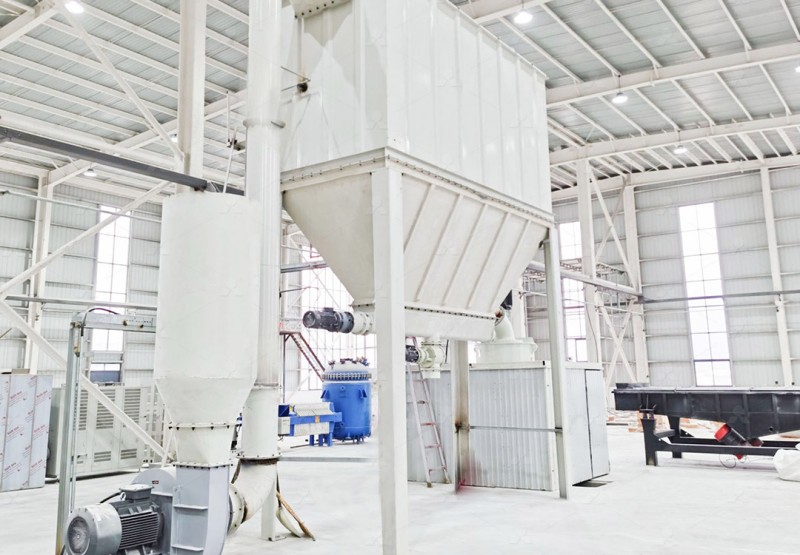
For operations needing to produce high-value, ultra-fine limestone powder, the MW Ultrafine Grinding Mill presents a compelling solution. This machine is engineered for customers who need to make ultra-fine powder between 325 and an impressive 2500 meshes. Its design philosophy prioritizes not just output, but also operational simplicity and environmental friendliness—a perfect fit for smaller teams.
Why the MW Mill Excels for Smaller Operations
- Higher Yielding, Lower Energy Consumption: Its newly designed grinding curves enhance efficiency dramatically. With the same fineness and power, its production capacity is 40% higher than jet mills and double that of a ball mill, while system energy consumption is just 30% of a jet mill. This directly translates to lower operating costs.
- Precision and Flexibility: Its German-technology, cage-type powder selector allows you to accurately adjust the product fineness to meet specific customer demands, all the way down to d97≤5μm.
- Simplified Maintenance: A brilliant design feature is the absence of rolling bearings and screws inside the grinding chamber. This eliminates common failure points and the machine damage caused by loose screws. Lubrication is done externally without shutdown, enabling continuous 24/7 production—a huge advantage for maximizing uptime.
- Eco-Friendly Operation: Equipped with an efficient pulse dust collector and muffler, the entire milling system operates with no dust pollution and significantly reduced noise, ensuring you meet environmental standards without extra investment.
With an input size of 0-20 mm and a capacity range of 0.5-25 tph, the MW Mill sits perfectly in the sweet spot for small to medium-scale production, offering industrial-grade fineness without an industrial-scale footprint.
Another Strong Contender: The LUM Ultrafine Vertical Mill
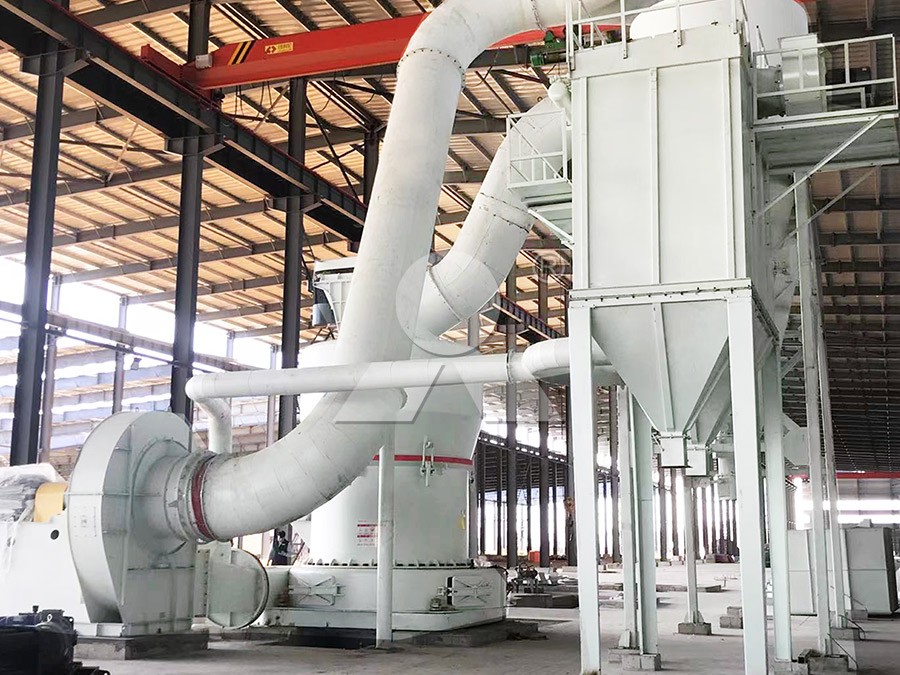
For those whose needs are slightly different, the LUM Ultrafine Vertical Grinding Mill is another excellent choice from our portfolio. It integrates grinding, grading, and transporting into a single, compact unit. Its standout feature for smaller operations is its reversible structure. This design, coupled with a hydraulic system, allows a single operator to easily swing the heavy grinding roller out of the body for inspection and maintenance. This drastically reduces downtime and the need for specialized tools or external technicians, keeping your operation self-sufficient and costs predictable.
Making the Right Choice for Your Business
Choosing between the MW and LUM ultimately depends on your specific product goals and site constraints. The MW series is unparalleled for achieving the very finest powders, while the LUM vertical mill offers exceptional ease of maintenance and a smaller physical footprint.
Investing in the right technology from the start is the key to building a profitable and sustainable small-scale limestone grinding operation. By focusing on mills that offer efficiency, reliability, and environmental compliance, you can ensure your business is built to last.