
Limestone Grinding Mill: Vertical Roller Mill for Limestone Powder Production
We provide a wide range of mills — including Raymond mill, trapezoidal mill, vertical mill, ultrafine mill, and ball mill, obtained ISO9001 international quality certification, EU CE certification, and Customs Union CU-TR certification. Suitable for processing minerals such as limestone, phosphate, quicklime, kaolin, talc, barite, bentonite, calcium carbonate, dolomite, coal, gypsum, clay, carbon black, slag, cement raw materials, cement clinker, and more.
The discharge range of these mills can be adjusted to meet specific processing needs, typically from 80-400 mesh, 600-3250 mesh, and can achieve the finest particle size of up to 6000 mesh(D50).
If you are looking for a reliable grinding solution to turn stone or minerals into fine powder, please feel free to contact our online customer service.
Limestone Grinding Mill: Vertical Roller Mill for Limestone Powder Production
In the world of industrial mineral processing, the production of high-quality limestone powder stands as a cornerstone for numerous applications, from construction materials to pharmaceuticals. The choice of grinding technology is paramount, directly influencing product quality, operational efficiency, and environmental footprint. Among the various technologies available, vertical roller mills (VRMs) have emerged as the premier solution for limestone grinding, offering a compelling blend of performance, economy, and sustainability.
The Evolution of Limestone Grinding Technology
Traditionally, limestone processing relied heavily on ball mills and Raymond mills. While effective to a degree, these systems often grapple with high energy consumption, significant floor space requirements, and challenges in achieving consistent ultra-fine particle sizes. The advent of vertical roller mill technology marked a paradigm shift. By integrating crushing, grinding, drying, classification, and conveying into a single, compact unit, VRMs address the core inefficiencies of their predecessors. The vertical orientation and grinding principle—where material is ground between a rotating table and rollers—create a more efficient particle-bed comminution process, leading to substantial energy savings and superior product control.
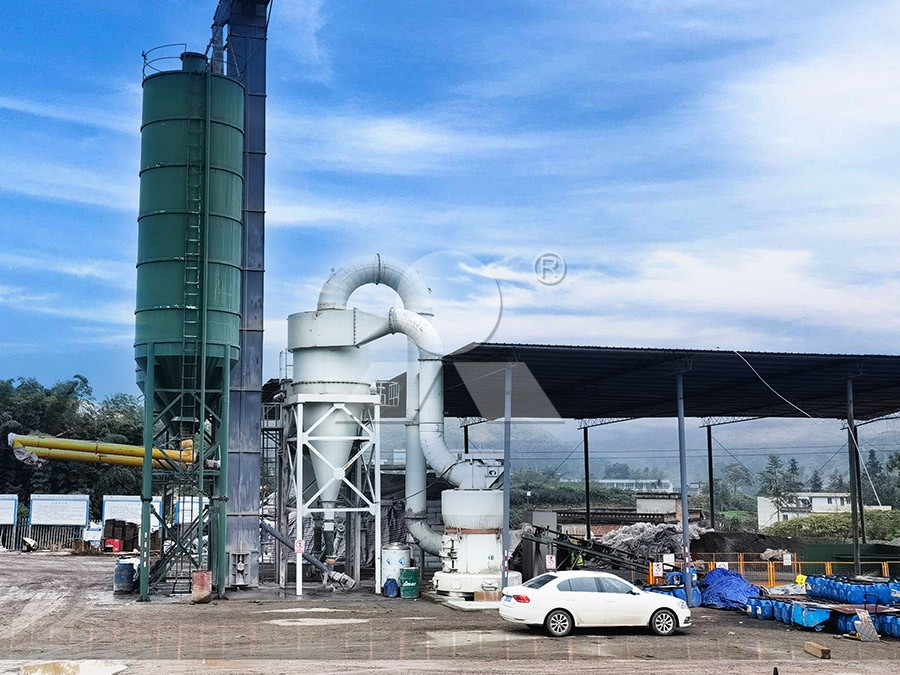
Why Vertical Roller Mills Dominate Limestone Processing
The superiority of VRMs for limestone is not accidental; it is engineered. Key advantages include:
- Exceptional Energy Efficiency: VRMs can reduce specific energy consumption by 30% to 50% compared to traditional ball mills. The grinding action requires less force, and integrated drying using waste heat from kilns or hot gases further optimizes energy use.
- Superior Product Quality: The ability to precisely control grinding pressure, table speed, and air classifier settings allows for tight particle size distribution (PSD). This is critical for applications like precipitated calcium carbonate (PCC) or fillers in plastics and paints, where consistent fineness and high whiteness are demanded.
- Compact Design & Lower Investment: With a footprint up to 50% smaller than a ball mill plant, VRMs reduce civil engineering costs. Their integrated design also minimizes the number of auxiliary components, simplifying the entire flow sheet.
- Environmental Leadership: Operating under negative pressure, VRMs contain dust effectively. When paired with high-efficiency pulse jet bag filters, dust emissions are kept far below international standards. Furthermore, their lower energy consumption directly translates to a reduced carbon footprint.
- Advanced Operational Stability: Modern VRMs feature sophisticated hydraulic systems for grinding pressure control and mechanical limiters to prevent metal-to-metal contact, ensuring smooth, vibration-free operation and protecting the mill from damage.
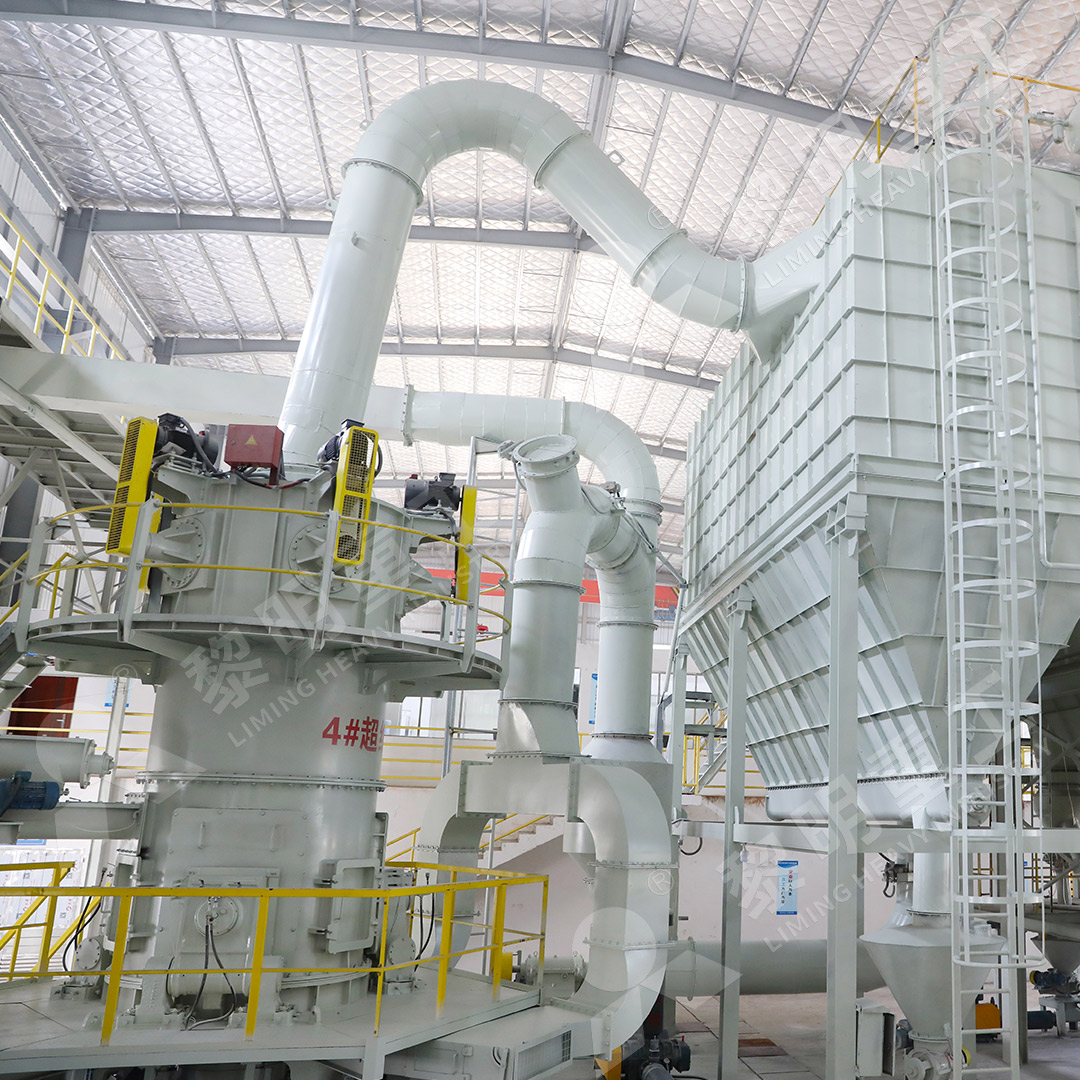
Pushing the Boundaries: The MW Ultrafine Grinding Mill
For projects demanding the very finest powders, conventional VRMs meet their match. This is where specialized ultrafine grinding technology takes center stage. Our MW Ultrafine Grinding Mill is engineered precisely for this challenge, designed for customers who need to produce ultra-fine powder from materials like limestone. It represents a significant leap in fine powder processing technology.
What sets the MW Mill apart is its exceptional ability to produce powders in the range of 325 to 2500 meshes with high precision. Its cage-type powder selector, incorporating advanced German technology, ensures a sharp cut point and high screening efficiency, achieving d97 ≤5μm in a single pass. The mill’s design eliminates rolling bearings and screws within the grinding chamber, a revolutionary feature that removes common failure points and allows for external lubrication without shutdown, enabling true 24/7 continuous production. With a capacity range of 0.5-25 tph and a system energy consumption reported to be only 30% of a jet mill, the MW Ultrafine Grinding Mill offers unparalleled efficiency for high-value limestone powder production in chemical, pharmaceutical, and advanced material industries.
A Robust Workhorse: The LM Vertical Grinding Mill
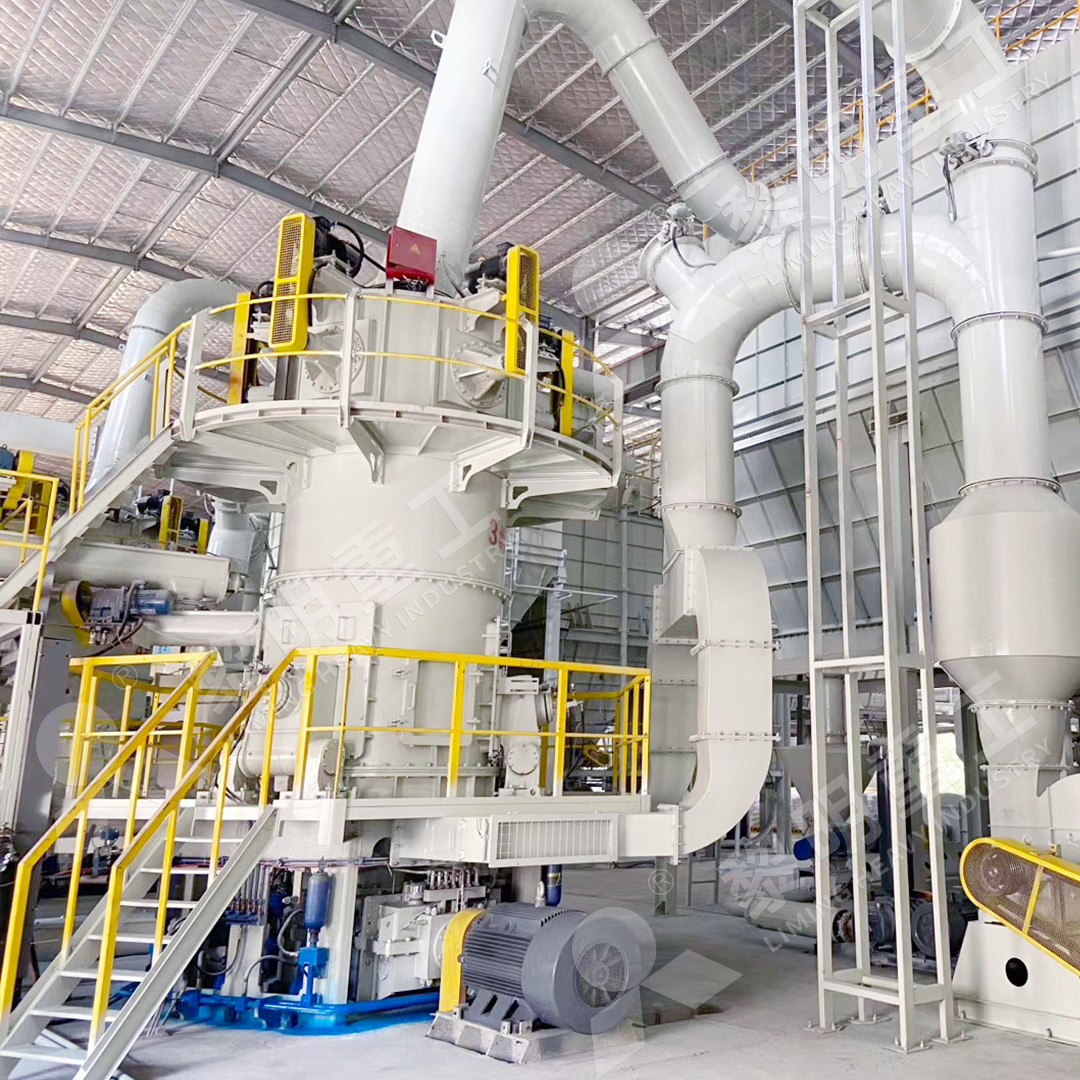
For large-scale production of limestone powder for cement, power plant desulfurization, or construction materials, reliability and capacity are king. The LM Vertical Grinding Mill stands as the industry’s robust workhorse. It expertly integrates crushing, drying, grinding, classifying, and conveying into one proven system. Handling feed sizes up to 70mm and capacities from 3 to an impressive 340 tph, it is built for heavy-duty, continuous operation.
The LM Vertical Mill’s strengths lie in its comprehensive optimization for lower operating costs. Its grinding curve design ensures a stable material bed with short retention time, reducing over-grinding and maintaining low iron content in the product—essential for whiteness. The mill’s fully automated control system allows for easy local or remote operation, while its sealed, negative-pressure operation guarantees an environmentally clean workspace. For operators seeking a balance of high output, proven reliability, and total cost-effectiveness for standard to medium-fine limestone powders, the LM Vertical Grinding Mill remains an unbeatable choice.
Conclusion: Matching Technology to Application
The journey from raw limestone to a precisely specified powder is a complex one, defined by the grinding equipment at its heart. Vertical roller mill technology, with its inherent efficiencies, provides the optimal foundation. The choice between a high-capacity stalwart like the LM Vertical Grinding Mill and a precision-focused innovator like the MW Ultrafine Grinding Mill ultimately depends on the target fineness, required capacity, and end-use application. By leveraging these advanced milling solutions, producers can achieve not only superior product quality but also significant gains in sustainability and profitability, solidifying their competitive edge in the global market for limestone products.
Frequently Asked Questions (FAQs)
- What is the main advantage of a Vertical Roller Mill over a traditional Ball Mill for limestone grinding?
The primary advantages are significantly lower energy consumption (30-50% savings), a much smaller physical footprint, integrated drying capability, better control over particle size distribution, and lower overall operating and maintenance costs. - How fine can limestone powder be produced with your mills?
Our mill range covers a broad spectrum. The LM Vertical Mill can produce powders suitable for cement and desulfurization. For ultra-fine applications, the MW Ultrafine Grinding Mill can consistently produce powders ranging from 325 to 2500 meshes (approximately 45 to 5 microns). - Is the grinding process environmentally friendly?
Yes. Our VRMs, including the LM and MW models, are designed for clean operation. They work under negative pressure with high-efficiency pulse jet dust collectors, virtually eliminating dust emissions. Their reduced energy consumption also directly lowers the carbon footprint of the grinding process. - What about wear and maintenance of the grinding rollers and table?
Wear parts are made from high-performance, wear-resistant alloys. Designs like the reversible roller structure in our LUM series and the absence of internal bearings in the MW series greatly simplify maintenance. Hydraulic systems allow rollers to be easily swung out for inspection or liner replacement, minimizing downtime. - Can the mill use hot gas for drying while grinding?
Absolutely. This is a key feature of vertical roller mills. They can effectively utilize waste hot gases (e.g., from a kiln or heater) to dry moist limestone feed simultaneously with grinding, eliminating the need for a separate, energy-intensive dryer. - How is the fineness of the final powder controlled?
Fineness is precisely controlled by adjusting the speed of the integrated dynamic air classifier (or powder separator). Increasing the classifier speed yields a finer product, while decreasing it produces a coarser powder. This adjustment is quick and can be done automatically via the control system.