
Limestone Grinding Mill: Versatile Solutions for Industrial Applications
We provide a wide range of mills — including Raymond mill, trapezoidal mill, vertical mill, ultrafine mill, and ball mill, obtained ISO9001 international quality certification, EU CE certification, and Customs Union CU-TR certification. Suitable for processing minerals such as limestone, phosphate, quicklime, kaolin, talc, barite, bentonite, calcium carbonate, dolomite, coal, gypsum, clay, carbon black, slag, cement raw materials, cement clinker, and more.
The discharge range of these mills can be adjusted to meet specific processing needs, typically from 80-400 mesh, 600-3250 mesh, and can achieve the finest particle size of up to 6000 mesh(D50).
If you are looking for a reliable grinding solution to turn stone or minerals into fine powder, please feel free to contact our online customer service.
Limestone Grinding Mill: Versatile Solutions for Industrial Applications
In today’s rapidly evolving industrial landscape, the demand for finely ground limestone has never been higher. From construction materials to chemical manufacturing, limestone powder serves as a critical component across numerous sectors. The challenge for modern operations lies in finding grinding equipment that delivers both exceptional performance and operational efficiency.
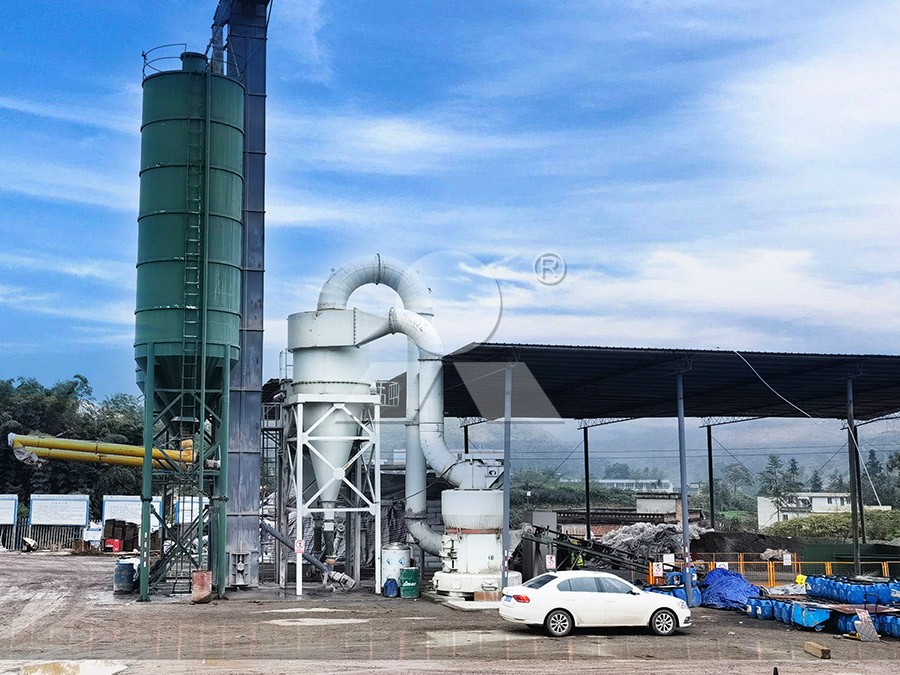
Traditional grinding methods often fall short when it comes to producing ultra-fine powders with consistent particle distribution. The limitations of conventional ball mills and early-generation Raymond mills become particularly apparent when operations require precise control over fineness and production capacity. This is where advanced grinding technology makes a significant difference.
The Evolution of Grinding Technology
Modern grinding mills have undergone substantial technological advancements, particularly in energy efficiency and environmental performance. Where older systems consumed excessive power and generated substantial dust pollution, contemporary designs integrate sophisticated dust collection and noise reduction features. The transformation has been particularly notable in ultra-fine grinding applications, where precision and consistency are paramount.
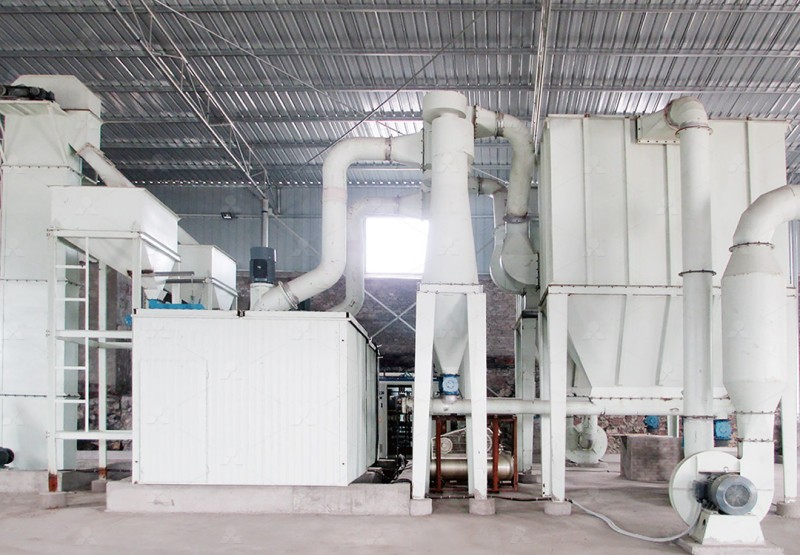
Among the standout solutions in this category is our MW Ultrafine Grinding Mill, engineered specifically for operations requiring superior fineness control. This advanced system processes materials with input sizes up to 20 mm and delivers production capacities ranging from 0.5 to 25 tons per hour. What truly sets this equipment apart is its ability to produce powders with fineness adjustable between 325-2500 meshes while maintaining exceptional energy efficiency.
Key Advantages in Modern Applications
The MW Ultrafine Grinding Mill incorporates several innovative features that address common challenges in limestone processing. Its newly designed grinding curves for rollers and rings enhance grinding efficiency significantly, achieving production capacity 40% higher than jet grinding mills and double that of traditional ball mills. Meanwhile, the system energy consumption is remarkably only 30% of comparable jet grinding systems.
Operational reliability is another critical consideration. The MW mill’s design eliminates rolling bearings and screws within the grinding chamber, removing concerns about bearing damage or loose screws causing mechanical failure. The external lubrication system enables continuous 24-hour operation without shutdowns for maintenance, a crucial advantage for operations requiring uninterrupted production.
Environmental Compliance and Operational Safety
Modern industrial operations face increasing pressure to minimize environmental impact. The integrated pulse dust collector in the MW Ultrafine Grinding Mill ensures dust-free operation throughout the entire milling process. Combined with silencers and noise elimination technology, the system operates well within national environmental protection standards, making it suitable for even the most stringent regulatory environments.
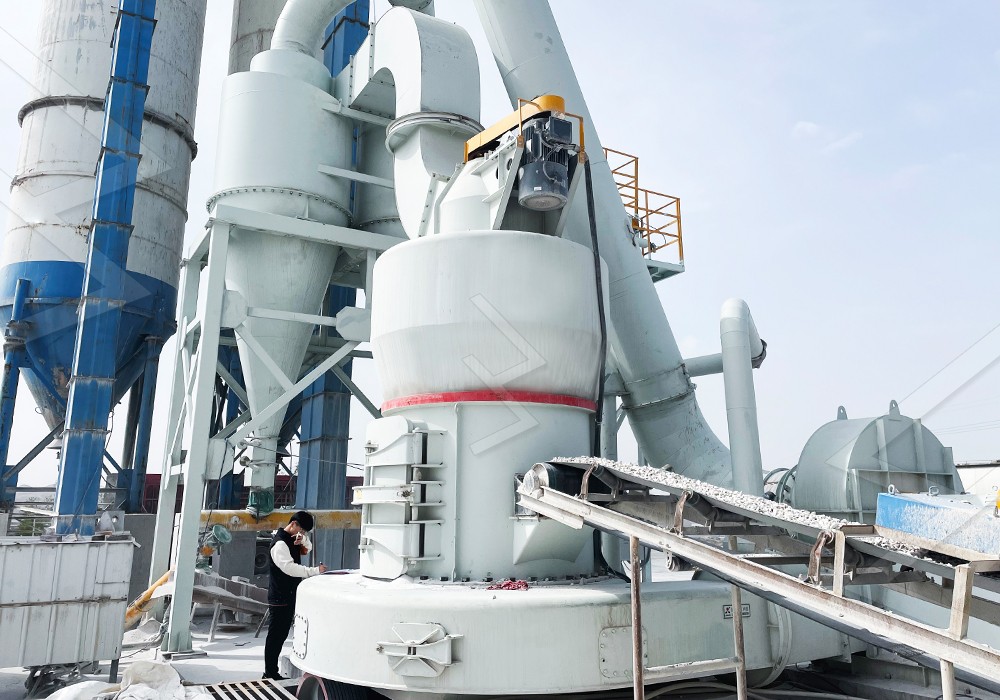
For operations requiring vertical grinding solutions, our LUM Ultrafine Vertical Grinding Mill presents another excellent option. With its unique roller shell and lining plate grinding curve, this system generates material layers more efficiently and achieves high rates of finished products through single-pass powder milling. The PLC control system and multi-head powder separating technology provide precise control over grinding parameters while reducing energy consumption by 30-50% compared to conventional mills.
Application Versatility
Beyond limestone, these advanced grinding systems handle diverse materials including calcite, dolomite, petroleum coal, gypsum, barite, marble, talc, and various chemical compounds. This versatility makes them ideal for industries ranging from construction and paints to cosmetics, pharmaceuticals, and food additives.
Frequently Asked Questions
What fineness range can the MW Ultrafine Grinding Mill achieve?
The MW mill produces powders adjustable between 325-2500 meshes, with screening rates achieving d97≤5μm in a single pass.
How does the energy consumption compare to traditional grinding systems?
The MW system consumes only 30% of the energy required by jet grinding mills and offers 40% higher production capacity than conventional systems.
What maintenance features reduce operational downtime?
The absence of rolling bearings and screws in the grinding chamber, combined with external lubrication capability, enables continuous 24-hour operation without shutdowns for maintenance.
How does the equipment address environmental concerns?
Integrated pulse dust collectors ensure dust-free operation, while silencers and noise elimination technology maintain operations within strict environmental standards.
What materials beyond limestone can these mills process?
Both MW and LUM mills effectively process calcite, dolomite, gypsum, barite, marble, talc, coal powder, and various chemical compounds for diverse industrial applications.