
Limestone Grinding Mill Operation: Video Tutorial & Setup Guide
We provide a wide range of mills — including Raymond mill, trapezoidal mill, vertical mill, ultrafine mill, and ball mill, obtained ISO9001 international quality certification, EU CE certification, and Customs Union CU-TR certification. Suitable for processing minerals such as limestone, phosphate, quicklime, kaolin, talc, barite, bentonite, calcium carbonate, dolomite, coal, gypsum, clay, carbon black, slag, cement raw materials, cement clinker, and more.
The discharge range of these mills can be adjusted to meet specific processing needs, typically from 80-400 mesh, 600-3250 mesh, and can achieve the finest particle size of up to 6000 mesh(D50).
If you are looking for a reliable grinding solution to turn stone or minerals into fine powder, please feel free to contact our online customer service.
Limestone Grinding Mill Operation: Video Tutorial & Setup Guide
Alright folks, let’s get straight into it. Proper operation of your limestone grinding mill is absolutely crucial for maximizing output, maintaining product quality, and ensuring a long equipment lifespan. I’ve seen too many operations lose money and time due to simple setup oversights. This guide will walk you through the key steps, drawing from our extensive field experience.
First things first, always start with a thorough pre-operation inspection. Check all access doors are closed and secured. Verify the oil level in the gearbox and that all lubrication points are greased. A quick visual check for any obvious damage or loose parts can save you a world of trouble later. Remember, limestone might seem straightforward, but its abrasive nature can be punishing on machinery.
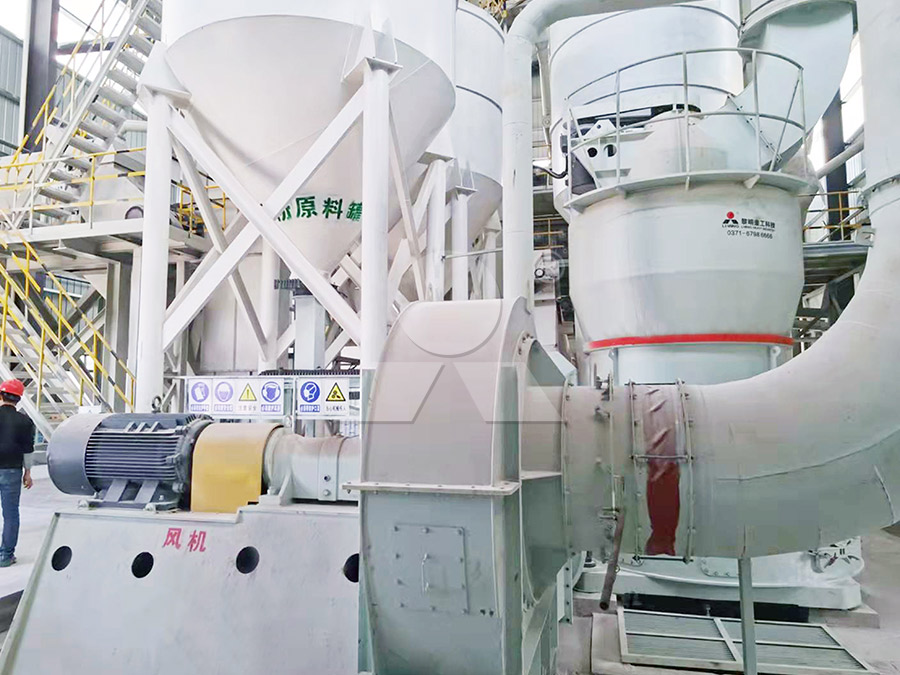
Now, for the startup sequence. Never, and I mean NEVER, start the mill with material already in the grinding chamber. Always initiate the main motor first, allowing the grinding rollers and the millstone to reach their operational speed. Once the system is running smoothly and the amperage stabilizes, you can begin feeding your crushed limestone. Start with a low feed rate and gradually increase it to the desired capacity. This prevents overloading the motor and avoids choking the grinding zone.
Monitoring during operation is key. Keep a close eye on the main motor current. A stable amperage indicates a stable grinding process. A sudden spike often means you’re feeding too much material or there’s a potential blockage. Listen to the machine – a consistent hum is good; loud knocking or grinding noises are very bad. Also, monitor the temperature of the gearbox and bearings. Excessive heat is a major red flag.
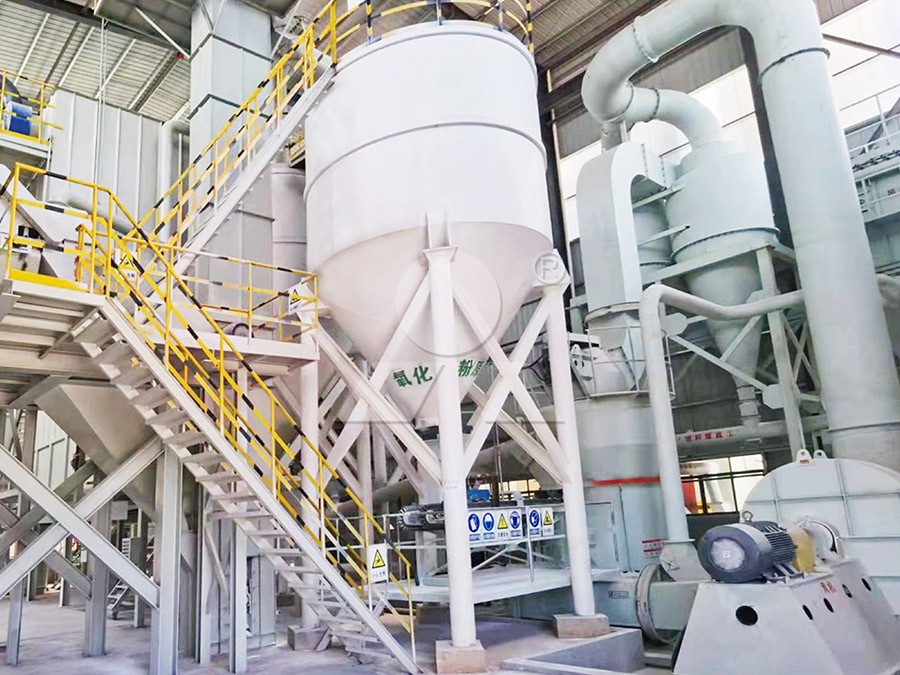
For operations focusing on ultra-fine limestone powder (325-2500 meshes), the choice of mill is critical. Our MW Ultrafine Grinding Mill is specifically engineered for this task. Its cage-type powder selector, based on German tech, provides exceptional precision in particle separation, allowing you to dial in the exact fineness you need. A huge advantage is the absence of rolling bearings and screws inside the grinding chamber – this eliminates a major point of failure and worry about loose parts causing catastrophic damage. It handles 0-20mm input at a capacity of 0.5-25 tph, making it a versatile workhorse for high-precision limestone processing.
Another fantastic option, especially for larger volume production, is our LUM Ultrafine Vertical Grinding Mill. It integrates grinding, grading, and transporting in one robust unit. Its unique roller shell and lining plate grinding curve are designed to generate a material layer more easily, promoting efficient single-pass milling. This means higher yield and better product whiteness. With an input size of 0-10mm and capacity of 5-18 tph, it’s a powerhouse for consistent, high-quality limestone powder.
When it’s time to shut down, the sequence is just as important. First, stop the raw material feeder. Allow the mill to continue running until the motor current drops back to near the no-load state, indicating most of the material has passed through. Only then should you stop the main motor. Finally, shut down the auxiliary equipment like the classifier fan and dust collection system. This ensures the mill is cleared of material, preventing hard starting on your next run.
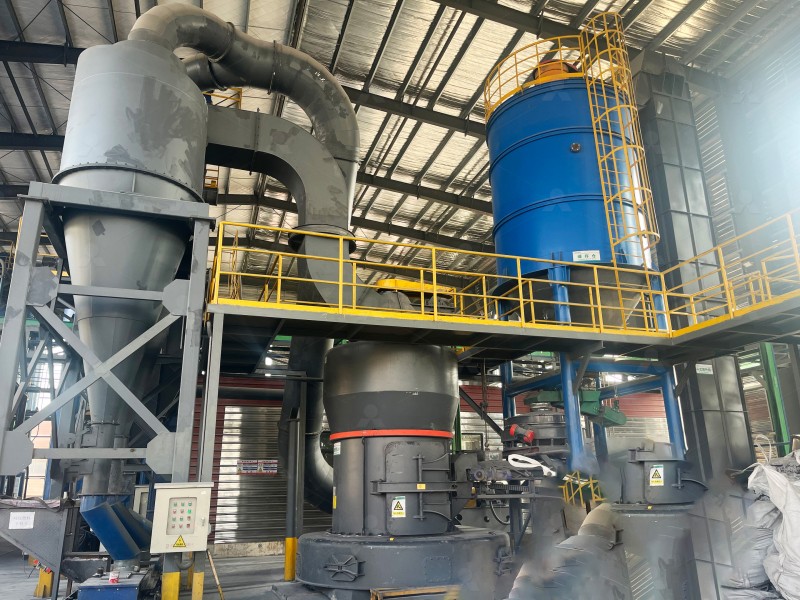
Regular maintenance is non-negotiable. Check wear parts like grinding rollers and rings according to the manufacturer’s schedule. The beauty of our MW and LUM mills is that their lubrication points are external, allowing for easy greasing without a shutdown. Keep your pulse dust collector bags clean to maintain optimal airflow and grinding efficiency. A well-maintained mill doesn’t just last longer; it produces a more consistent product and consumes less energy.
Remember, every operation is a little different. Use this guide as a foundation, but always consult your specific mill’s manual and develop SOPs tailored to your plant’s environment and product goals. Proper operation is the simplest way to protect your investment and boost your profitability.