
Limestone Grinding Mill Maintenance: A Complete Guide for Optimal Performance
We provide a wide range of mills — including Raymond mill, trapezoidal mill, vertical mill, ultrafine mill, and ball mill, obtained ISO9001 international quality certification, EU CE certification, and Customs Union CU-TR certification. Suitable for processing minerals such as limestone, phosphate, quicklime, kaolin, talc, barite, bentonite, calcium carbonate, dolomite, coal, gypsum, clay, carbon black, slag, cement raw materials, cement clinker, and more.
The discharge range of these mills can be adjusted to meet specific processing needs, typically from 80-400 mesh, 600-3250 mesh, and can achieve the finest particle size of up to 6000 mesh(D50).
If you are looking for a reliable grinding solution to turn stone or minerals into fine powder, please feel free to contact our online customer service.
Limestone Grinding Mill Maintenance: A Complete Guide for Optimal Performance
Maintaining your limestone grinding mill is not just a routine task; it’s a critical investment in the longevity, efficiency, and profitability of your operation. A well-maintained mill ensures consistent product quality, minimizes unplanned downtime, and protects your bottom line. This guide outlines the essential maintenance practices to keep your equipment running at its peak.
Routine Maintenance: The Foundation of Reliability
Daily and weekly checks are your first line of defense against major failures. Start with a visual inspection for any signs of oil or grease leaks. Listen for unusual noises like grinding, knocking, or excessive vibration, which often indicate misalignment or wear. Regularly check the pressure gauges on hydraulic systems and monitor the amperage of the main motor; abnormal readings can signal an overload or obstruction.
Lubrication is the lifeblood of any grinding mill. Follow the manufacturer’s specifications for grease types and intervals meticulously. Over-lubrication can be as detrimental as under-lubrication, attracting dust and causing seal damage. Pay special attention to the grinding rollers and main shaft bearings.
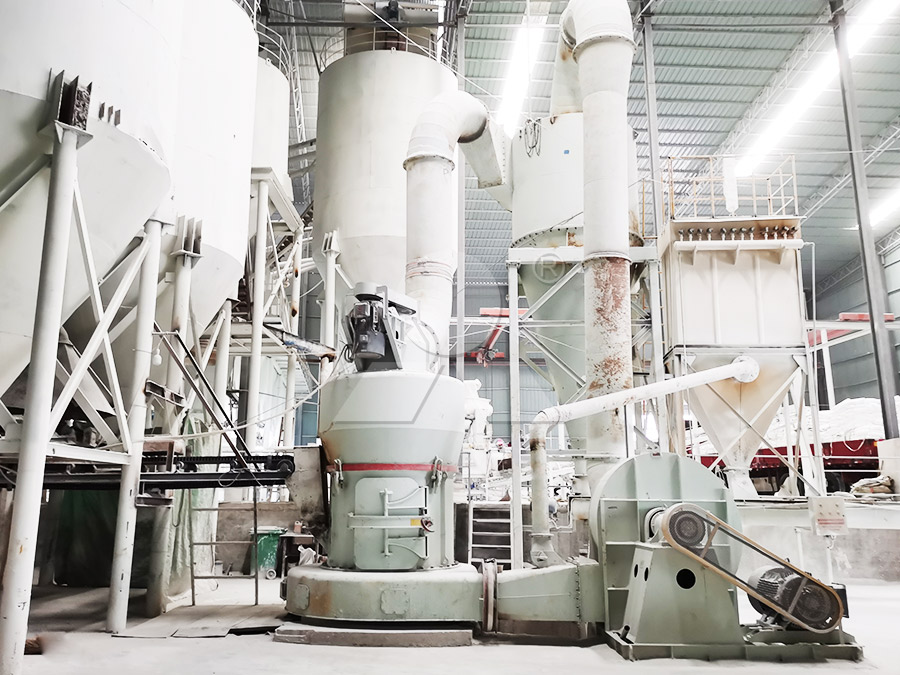
Key Components to Monitor
Several components bear the brunt of the grinding process and require vigilant monitoring:
- Grinding Rollers and Rings (Bull Ring): These are high-wear parts. Regularly measure their thickness and look for signs of cracking or uneven wear. Replace them before they wear down completely to avoid damage to other mill components.
- Classifier Blades/Rotors: Worn or damaged classifier components will directly impact product fineness. Ensure they are clean, intact, and rotating correctly for precise particle size separation.
- Wear Liners: Inspect the liners inside the grinding chamber for wear. Replacing them in a timely manner protects the mill’s main structure.
- Drive Train: Check gears, couplings, and belts for proper alignment, tension, and wear.
Choosing the Right Mill for Simplified Maintenance
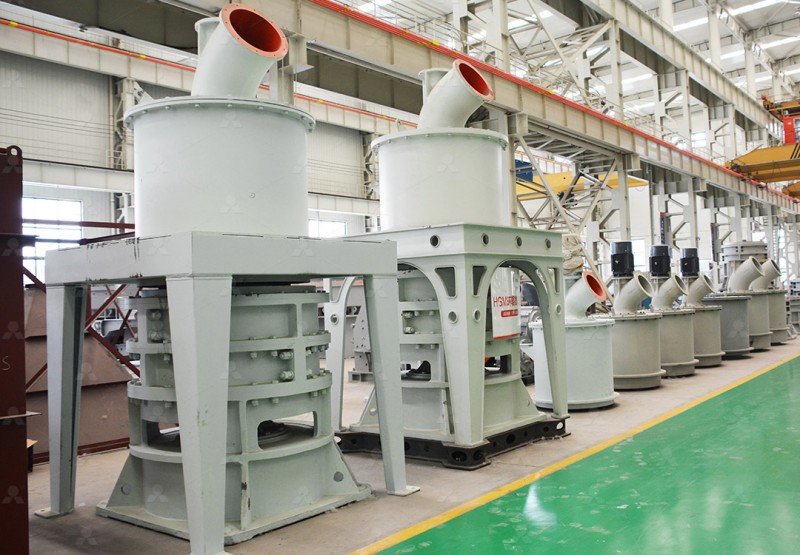
While diligent upkeep is paramount, selecting a mill designed for easy maintenance from the outset drastically reduces effort and costs. For operations focused on high-purity, ultra-fine limestone powder, the MW Ultrafine Grinding Mill stands out with its maintenance-friendly engineering.
Its most significant advantage is the absence of rolling bearings and screws within the grinding chamber. This brilliant design eliminates the most common failure points—bearing seizures and loose screws causing catastrophic damage. Furthermore, its external lubricating device allows for lubrication without shutdown, enabling continuous 24/7 production and significantly boosting operational efficiency.
For larger capacity needs and integrated drying of limestone, the LUM Ultrafine Vertical Grinding Mill is another superior choice. It features a reversible structure that allows operators to easily swing the heavy grinding roller out of the mill body for inspection and maintenance. This design, coupled with a hydraulic adjustment system, drastically simplifies the process of checking or replacing the roller shell and liner plate, minimizing downtime and associated losses.
Seasonal and Annual Shutdown Procedures
A comprehensive inspection during a planned shutdown is crucial. This is the time to:
- Fully clean the mill interior and all associated ducts to remove packed fine material.
- Perform detailed dimensional checks on all high-wear parts.
- Check the alignment of the main motor and reducer.
- Calibrate pressure sensors and temperature gauges.
- Inspect and clean the pulse jet dust collector bags and valves.
Frequently Asked Questions (FAQ)
How often should I check the wear on grinding rollers?
It depends on abrasiveness and throughput, but a monthly thickness measurement is a good practice. Establish a trend line to predict replacement schedules accurately.
What is the most common cause of a sudden drop in production capacity?
Often, it’s worn classifier blades or a blocked air system. Check the powder separator first, then inspect fans and ducts for obstructions.
Why is my product fineness becoming inconsistent?
This typically points to issues with the classifier. Worn rotor blades or incorrect speed settings are common culprits. Also, check for air in-leakages that disrupt the internal airflow.
Can I perform major maintenance in-house?
Routine tasks can be handled by trained plant personnel. However, major overhauls involving gearbox or main bearing replacement should be done with OEM support to ensure precision and warranty compliance.
How does the MW Mill’s external lubrication system benefit me?
It allows you to lubricate critical bearings while the mill is running, eliminating production stops for lubrication and enabling true 24/7 operation for maximum output.