
Limestone Grinding Mill: High Efficiency Industrial Grinding Solutions
We provide a wide range of mills — including Raymond mill, trapezoidal mill, vertical mill, ultrafine mill, and ball mill, obtained ISO9001 international quality certification, EU CE certification, and Customs Union CU-TR certification. Suitable for processing minerals such as limestone, phosphate, quicklime, kaolin, talc, barite, bentonite, calcium carbonate, dolomite, coal, gypsum, clay, carbon black, slag, cement raw materials, cement clinker, and more.
The discharge range of these mills can be adjusted to meet specific processing needs, typically from 80-400 mesh, 600-3250 mesh, and can achieve the finest particle size of up to 6000 mesh(D50).
If you are looking for a reliable grinding solution to turn stone or minerals into fine powder, please feel free to contact our online customer service.
Limestone Grinding Mill: High Efficiency Industrial Grinding Solutions
In today’s competitive industrial landscape, achieving optimal particle size distribution and production efficiency in limestone processing is paramount. Limestone, being one of the most versatile and widely used minerals across construction, agriculture, and chemical industries, demands grinding solutions that combine precision, reliability, and environmental responsibility. Modern limestone grinding mills have evolved beyond simple crushing machines into sophisticated systems that integrate advanced technologies for superior performance.
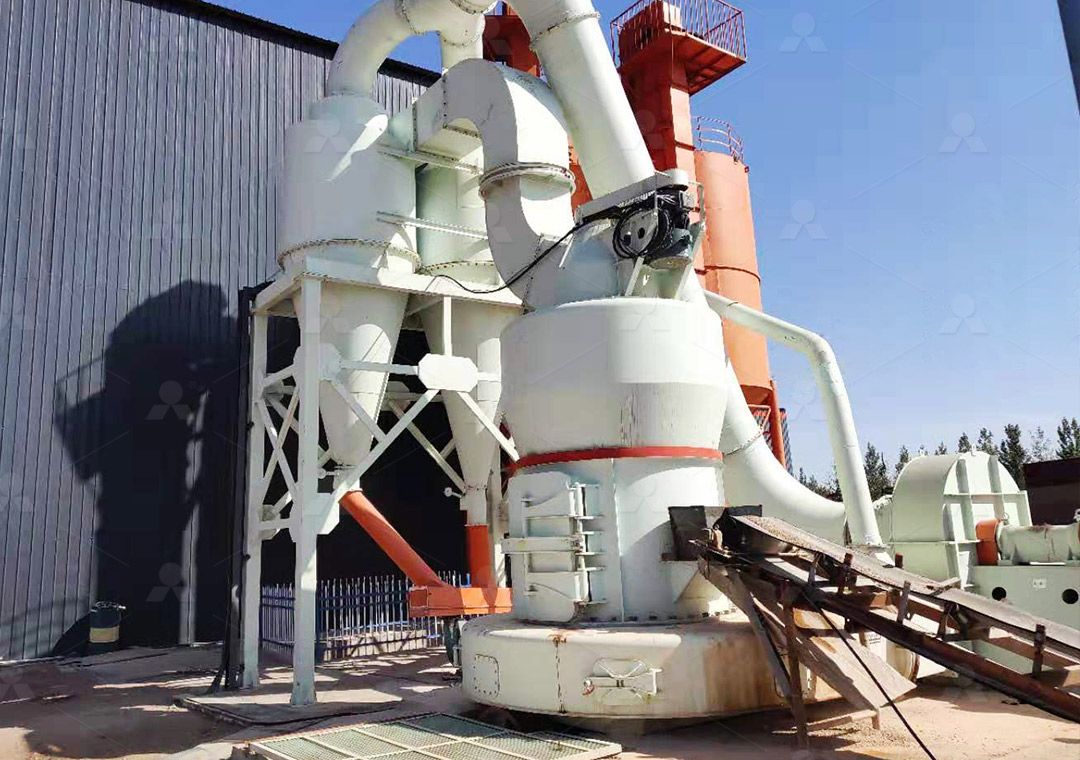
The Evolution of Limestone Grinding Technology
Traditional grinding methods often struggled with inconsistent particle size, high energy consumption, and environmental concerns. The industry has witnessed a significant transformation with the introduction of advanced grinding mill designs that address these challenges comprehensively. Contemporary grinding systems now incorporate intelligent controls, efficient dust collection, and optimized grinding mechanisms that deliver unprecedented performance metrics.
One of the most significant advancements in this field is the development of ultrafine grinding technology, which enables producers to achieve particle sizes previously unimaginable with conventional equipment. This capability has opened new market opportunities for high-value limestone products in sectors such as pharmaceuticals, food additives, and advanced composites where ultra-fine powders command premium prices.
MW Ultrafine Grinding Mill: Precision Engineering for Superior Results
For operations requiring the highest level of fineness control, the MW Ultrafine Grinding Mill represents a technological breakthrough. Engineered for customers who need to produce ultra-fine powder with exceptional consistency, this machine combines German powder separation technology with innovative grinding chamber design. With an input size capacity of 0-20 mm and production rates ranging from 0.5 to 25 tons per hour, the MW series delivers remarkable versatility across various production scenarios.
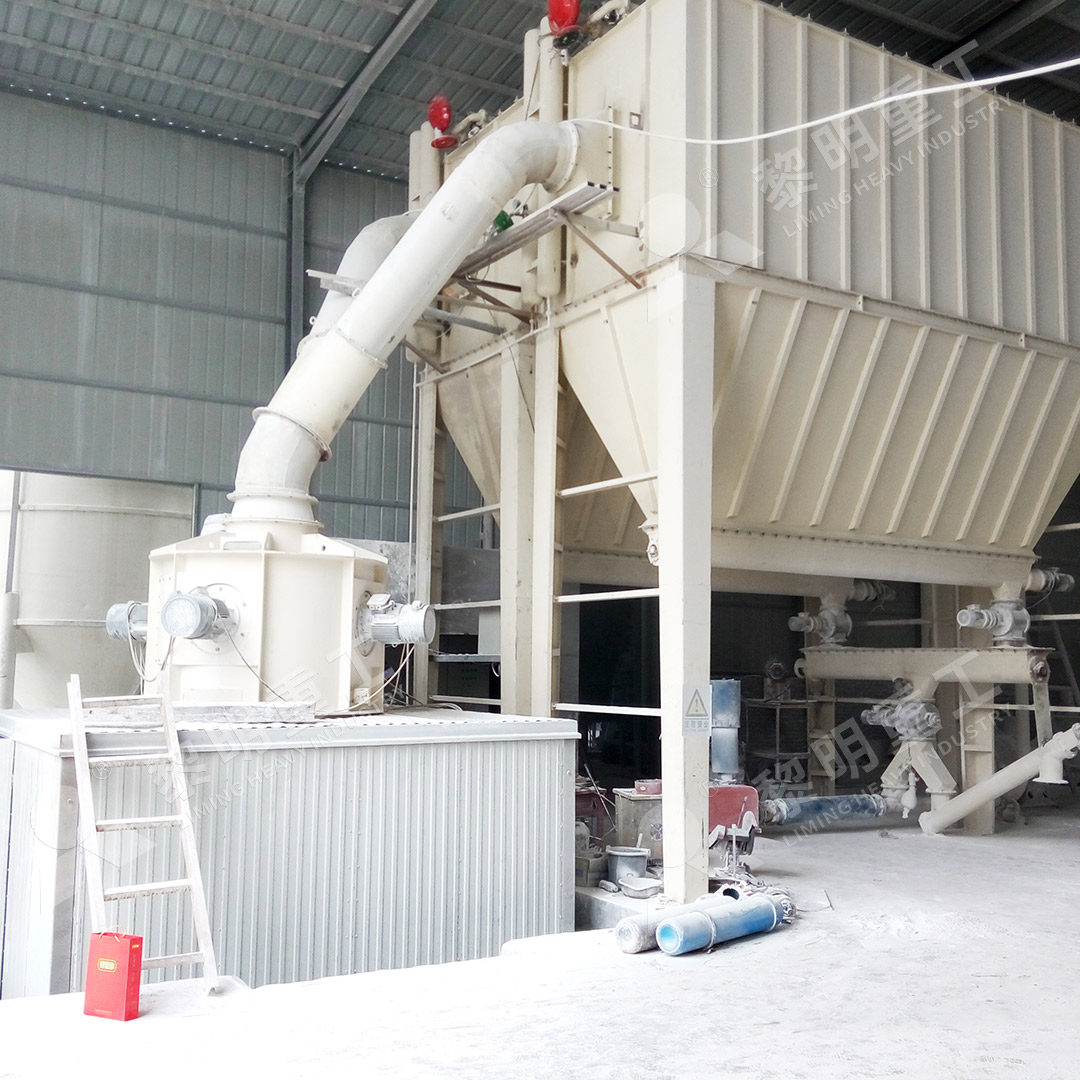
What truly sets the MW Ultrafine Grinding Mill apart is its revolutionary approach to fineness adjustment. The cage-type powder selector allows operators to precisely control product fineness between 325-2500 meshes, with screening rates achieving d97≤5μm in a single pass. This level of control ensures that producers can consistently meet the most stringent customer specifications without compromising on throughput or efficiency.
Key Advantages in Modern Limestone Grinding
The latest generation of limestone grinding mills offers several distinct advantages that translate directly to operational benefits:
- Enhanced Energy Efficiency: Advanced grinding curves and optimized mechanical designs reduce power consumption by up to 40% compared to traditional mills while increasing output capacity.
- Environmental Compliance: Integrated pulse dust collectors and noise reduction systems ensure operations meet stringent environmental regulations without sacrificing performance.
- Maintenance Optimization: Strategic design elements such as the elimination of rolling bearings and screws in the grinding chamber minimize wear parts and reduce downtime.
- Production Flexibility: Quick-adjustment mechanisms allow operators to switch between different product specifications with minimal transition time.
LUM Ultrafine Vertical Grinding Mill: Vertical Integration Excellence
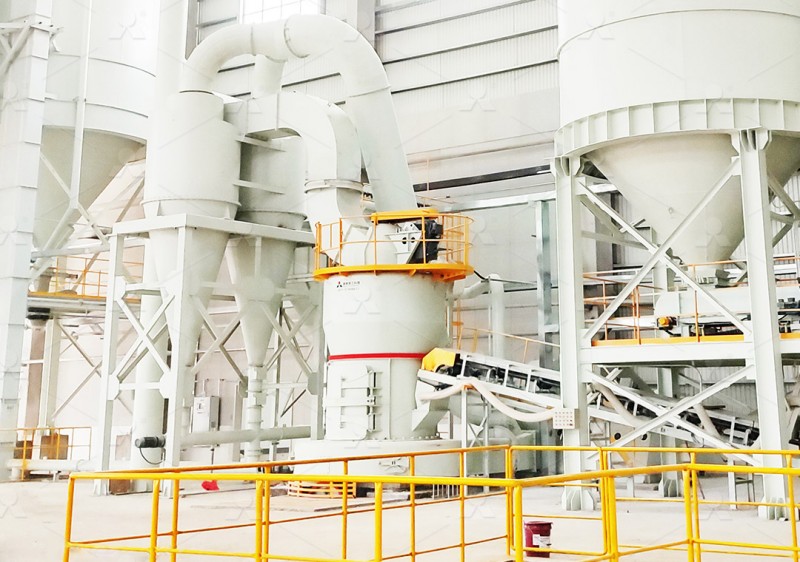
Complementing the MW series, the LUM Ultrafine Vertical Grinding Mill offers another sophisticated solution for limestone processing operations. With its compact footprint and input size capacity of 0-10 mm handling production rates of 5-18 tph, this vertical mill integrates grinding, classifying, and transporting in a single efficient package. The LUM mill’s unique roller shell and lining plate grinding curve design generates material layers more effectively, enabling high rates of finished products through single-pass milling.
The LUM series incorporates double position-limiting technology that ensures operational stability even under variable load conditions. This feature, combined with a reversible structure that simplifies maintenance access, makes the LUM Ultrafine Vertical Grinding Mill an excellent choice for operations prioritizing reliability and ease of maintenance.
Application-Specific Solutions
Modern limestone grinding mills are designed with specific application requirements in mind. Whether producing coarse aggregates for construction or ultra-fine powders for specialized industrial applications, today’s equipment can be precisely configured to match production goals. The versatility of these systems extends beyond limestone to handle various minerals including calcite, dolomite, barite, and talc, providing operators with multi-purpose processing capabilities.
For operations focused on high-volume production of consistent quality limestone products, the advanced control systems and precision engineering of contemporary grinding mills deliver measurable improvements in product quality, operational costs, and environmental performance. The integration of digital processing technologies ensures that every component meets exacting specifications, resulting in equipment that performs reliably under demanding production conditions.
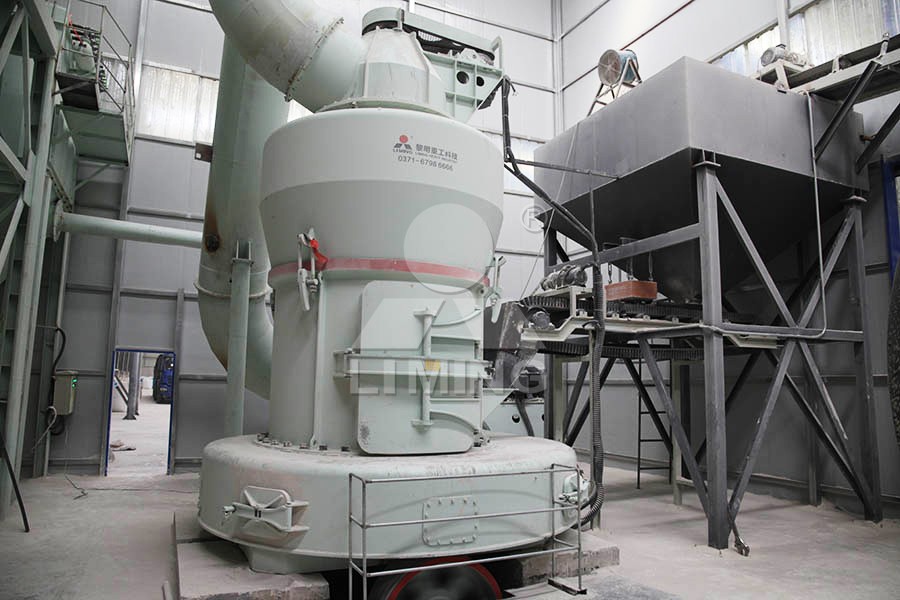
Future Trends in Limestone Grinding Technology
The trajectory of limestone grinding technology continues toward greater automation, energy efficiency, and precision. Emerging trends include the integration of IoT sensors for predictive maintenance, AI-driven optimization of grinding parameters, and further refinements in particle size distribution control. As sustainability becomes increasingly important, grinding mill manufacturers are focusing on developing solutions that minimize carbon footprint while maximizing resource utilization.
For forward-thinking operations, investing in advanced grinding technology represents not just an equipment upgrade, but a strategic positioning for future market demands. The capabilities of modern limestone grinding mills enable producers to diversify their product offerings, enter new markets, and establish competitive advantages through superior product quality and production efficiency.
Frequently Asked Questions
What is the typical particle size range achievable with modern limestone grinding mills?
Advanced grinding mills like the MW Ultrafine Grinding Mill can produce limestone powders ranging from 325 to 2500 meshes, with some models capable of achieving even finer distributions down to d97≤5μm.
How does the energy consumption of newer grinding mills compare to traditional equipment?
Contemporary designs typically reduce energy consumption by 30-50% compared to traditional ball mills or jet mills, while simultaneously increasing production capacity by up to 40%.
What maintenance advantages do modern grinding mills offer?
Features like external lubrication systems, elimination of internal bearings and screws, and reversible structures for easy access significantly reduce maintenance requirements and downtime.
Can these grinding mills handle materials other than limestone?
Yes, modern grinding mills are versatile enough to process various minerals including calcite, dolomite, barite, talc, gypsum, and petroleum coal, among others.
How do advanced grinding mills address environmental concerns?
Integrated pulse dust collectors, silencers, negative pressure systems, and efficient designs minimize dust emissions, noise pollution, and overall environmental impact.
What production capacities are available with modern limestone grinding equipment?
Depending on the model and configuration, production capacities range from 0.5 tph for specialized fine grinding applications up to 340 tph for high-volume operations.
How quickly can product fineness be adjusted on modern grinding mills?
Advanced models with cage-type powder selectors allow for rapid fineness adjustments, enabling quick transitions between different product specifications.