
Limestone Grinding Mill for Processing Limestone Powder in Inner Mongolia
We provide a wide range of mills — including Raymond mill, trapezoidal mill, vertical mill, ultrafine mill, and ball mill, obtained ISO9001 international quality certification, EU CE certification, and Customs Union CU-TR certification. Suitable for processing minerals such as limestone, phosphate, quicklime, kaolin, talc, barite, bentonite, calcium carbonate, dolomite, coal, gypsum, clay, carbon black, slag, cement raw materials, cement clinker, and more.
The discharge range of these mills can be adjusted to meet specific processing needs, typically from 80-400 mesh, 600-3250 mesh, and can achieve the finest particle size of up to 6000 mesh(D50).
If you are looking for a reliable grinding solution to turn stone or minerals into fine powder, please feel free to contact our online customer service.
Unlocking Inner Mongolia’s Mineral Wealth Through Advanced Grinding Technology
Inner Mongolia’s vast limestone deposits represent one of China’s most valuable mineral resources, serving as critical raw materials for construction, industrial applications, and environmental protection initiatives. The region’s unique geological formations contain high-purity limestone that requires precise processing to meet the stringent quality standards demanded by modern industries. As production volumes increase and environmental regulations tighten, selecting the appropriate grinding technology becomes paramount for operational success.
The Technical Challenges of Limestone Processing in Northern China
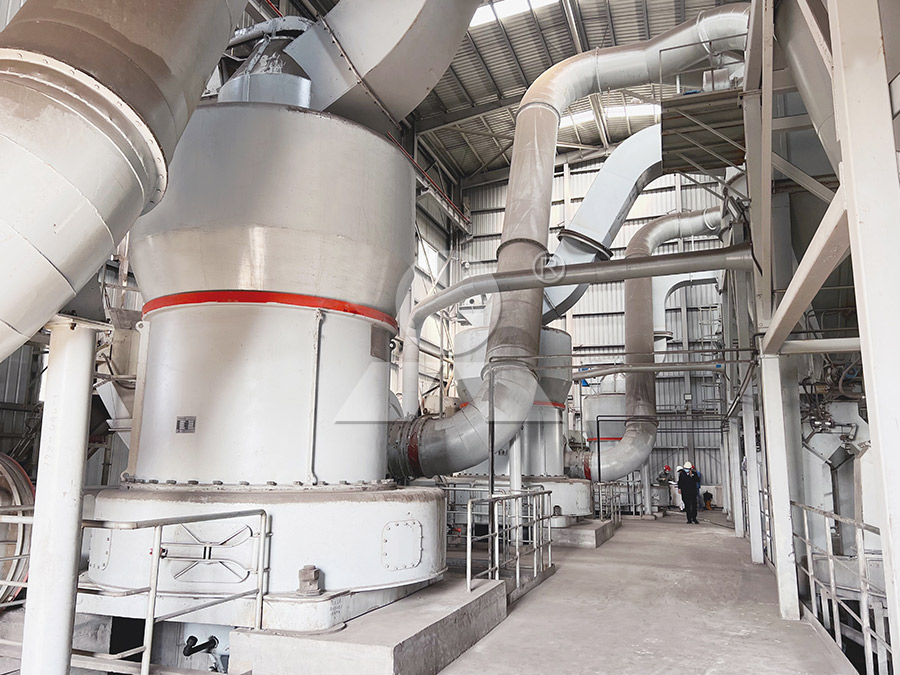
Processing limestone in Inner Mongolia presents distinct challenges that require specialized equipment solutions. The region’s extreme temperature variations, from scorching summers to frigid winters, demand grinding mills with robust construction and thermal stability. Additionally, remote operational locations necessitate equipment with minimal maintenance requirements and reliable performance under demanding conditions. The limestone itself varies in hardness and composition across different deposits, requiring flexible grinding solutions capable of adapting to diverse material characteristics.
Traditional grinding methods often fall short in meeting these challenges. Ball mills, while widely used, consume excessive energy and produce powder with inconsistent particle size distribution. Older Raymond mill designs struggle to achieve the fine powder specifications required for premium applications. These limitations have driven the development of more advanced grinding technologies specifically engineered for the demanding conditions of mineral processing in Northern China.
Advanced Grinding Solutions for Superior Limestone Powder
For operations requiring ultra-fine limestone powder with precise particle size control, the MW Ultrafine Grinding Mill represents a technological breakthrough. This advanced system processes raw limestone with input sizes of 0-20 mm and delivers production capacities ranging from 0.5 to 25 tons per hour, making it suitable for both medium and large-scale operations throughout Inner Mongolia.
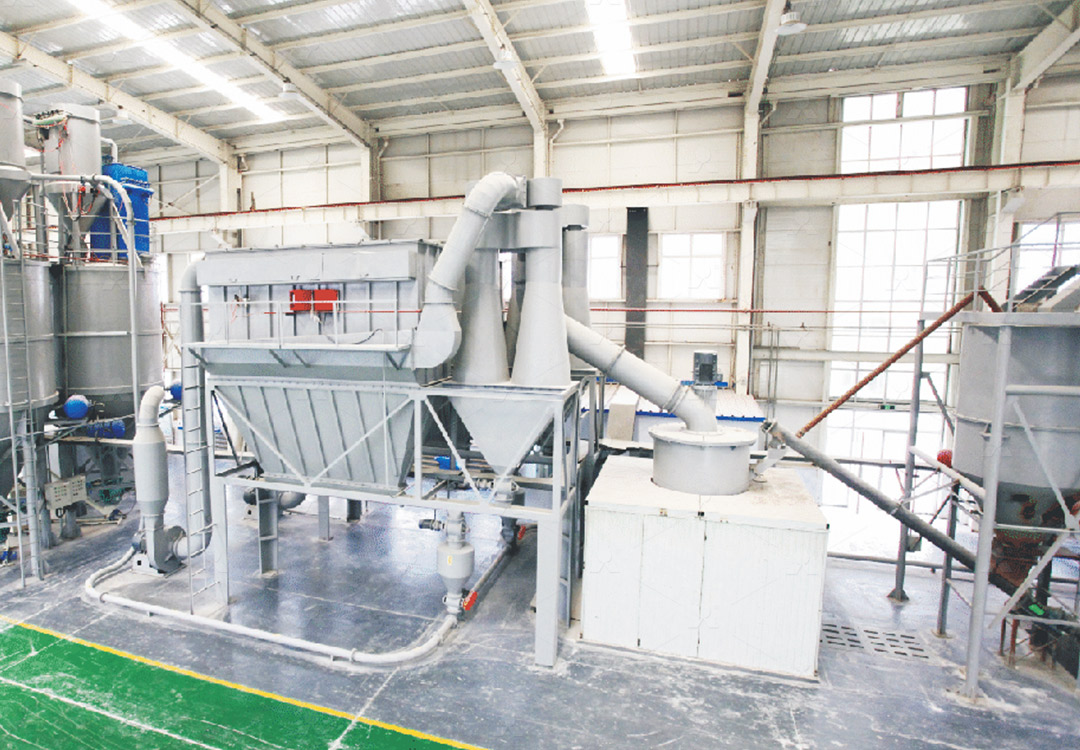
The MW series incorporates several innovative features that address the specific needs of limestone processing. Its newly designed grinding curves for rollers and rings enhance grinding efficiency significantly, achieving production capacity 40% higher than jet grinding mills and double the output of traditional ball mills, while reducing system energy consumption to just 30% of jet mill requirements. This efficiency translates directly to lower operational costs, a critical factor in competitive markets.
Precision Engineering for Consistent Product Quality
One of the standout features of the MW Ultrafine Grinding Mill is its adjustable fineness capability between 325-2500 meshes. The cage-type powder selector incorporates German technology that ensures precise powder separation, while the multi-head configuration allows customization based on specific production requirements for yield, fineness, and sieving rate. The system consistently achieves d97≤5μm screening rates in a single pass, eliminating the need for secondary processing and reducing overall production complexity.
The mill’s internal design eliminates rolling bearings and screws within the grinding chamber, addressing common failure points that plague conventional grinding equipment. This innovative approach prevents damage to bearing and sealing components and eliminates machine failures caused by loose fasteners. External lubrication points enable maintenance without shutdown, supporting continuous 24-hour operation that maximizes production uptime.
Environmental Compliance and Sustainable Operation
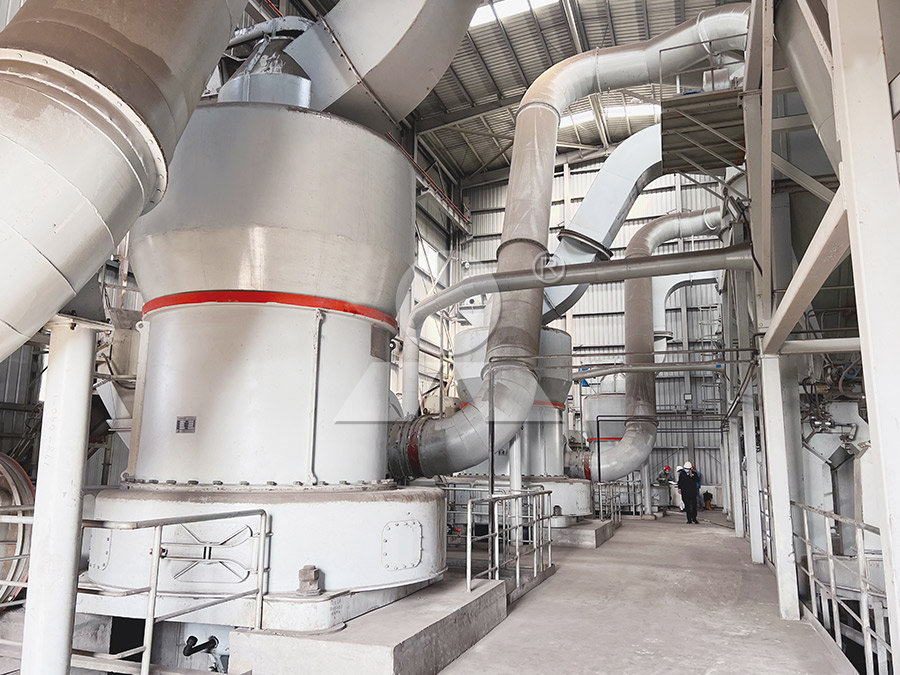
Environmental considerations are particularly important in Inner Mongolia, where preserving the natural landscape is both a regulatory requirement and community expectation. The MW Ultrafine Grinding Mill addresses these concerns through its integrated pulse dust collector system that prevents dust pollution throughout the entire milling process. Additional noise reduction features including silencers and dedicated noise elimination rooms ensure operations remain within strict environmental standards.
The digital manufacturing processes employed in producing the MW series ensure exceptional precision, with numerically controlled machine tools handling cutting, bending, planing, milling, and painting operations. This manufacturing approach guarantees consistency across all components, particularly for core parts where precision directly impacts performance and longevity.
Comprehensive Support for Remote Operations
For operations in Inner Mongolia’s often remote locations, comprehensive technical support and spare parts availability are crucial considerations. The manufacturer maintains complete responsibility for both production and sales, providing customers with direct technical services and genuine spare parts to ensure worry-free operation. This integrated approach minimizes downtime and ensures consistent production quality regardless of facility location.
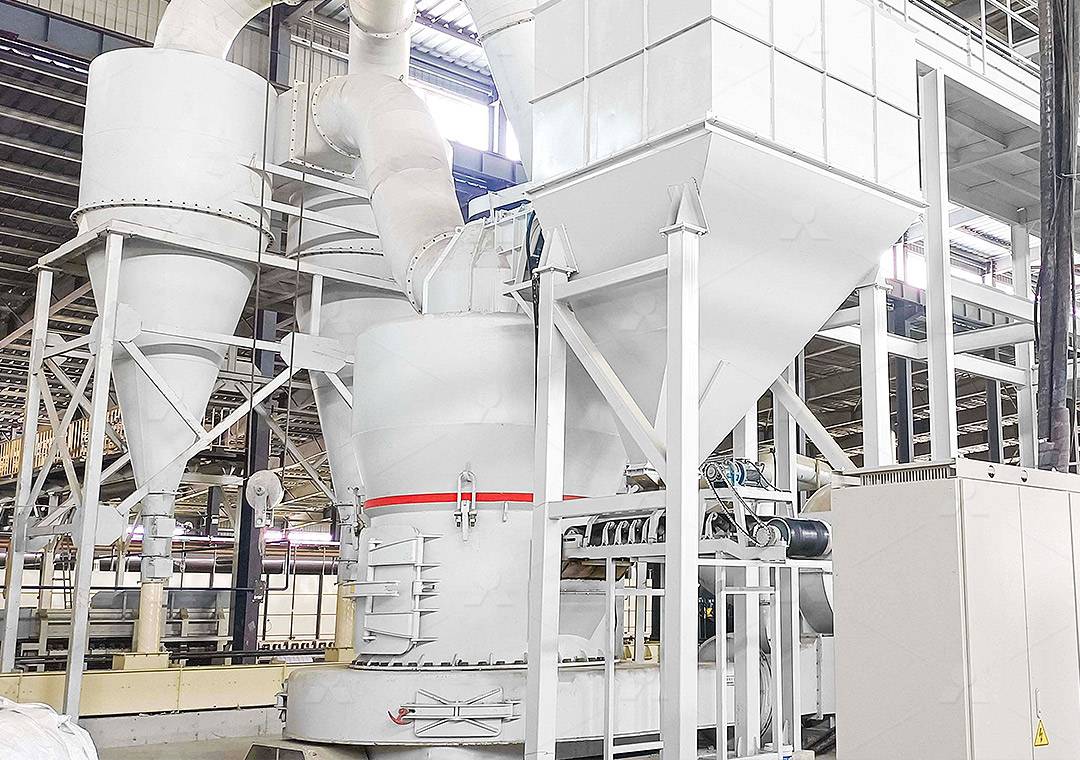
The working principle of the MW Ultrafine Grinding Mill begins with the motor driving the main shaft and turnplates through the reducer. The reducer drives multiple rollers to rotate against the raceway of the ring via pins. Pre-crushed material is transported into the hopper by elevator, then evenly fed to the central part of the upper turnplate by vibrating feeder. Centrifugal force distributes the material across the grinding area where it is crushed into powder between the rollers and ring. After initial grinding, material progresses to secondary and tertiary turnplates before being carried by airflow into the powder separator for classification.
As Inner Mongolia continues to develop its mineral processing capabilities, advanced grinding technologies like the MW Ultrafine Grinding Mill will play an increasingly important role in maximizing the value of limestone resources while maintaining environmental compliance and operational efficiency.
Frequently Asked Questions
What is the typical energy consumption of the MW Ultrafine Grinding Mill for limestone processing?
The MW Ultrafine Grinding Mill reduces energy consumption by approximately 70% compared to traditional jet grinding mills and 50-60% compared to ball mills, while maintaining higher production capacity. Specific consumption varies based on material hardness and required fineness.
How does the mill handle variations in limestone hardness from different deposits?
The hydraulic adjustment system allows operators to modify grinding pressure to accommodate materials of different hardness. The robust construction and specially designed grinding curves ensure consistent performance across varying material characteristics.
What particle size distribution can be achieved with the MW series for limestone applications?
The mill produces limestone powder with adjustable fineness between 325-2500 meshes, with the capability to achieve d97≤5μm in a single pass. The advanced separator technology ensures narrow particle size distribution for superior product quality.
How does the dust collection system perform in Inner Mongolia’s dusty conditions?
The integrated pulse dust collector maintains efficiency exceeding 99.9%, even in challenging environmental conditions. The closed system design prevents external contamination while containing all process dust effectively.
What maintenance intervals are required for continuous operation?
The lubrication system allows external maintenance without shutdown. Critical components like grinding rollers and rings typically require inspection every 800-1000 operating hours, with major maintenance intervals extending to 6000-8000 hours depending on material abrasiveness.
Can the system be integrated with existing crushing and packaging lines?
Yes, the MW Ultrafine Grinding Mill is designed for seamless integration with both upstream crushing equipment and downstream packaging systems. Flexible configuration options accommodate various plant layouts and automation requirements.