
Limestone Grinding Mill for Desulfurization in Coking Power Plants
We provide a wide range of mills — including Raymond mill, trapezoidal mill, vertical mill, ultrafine mill, and ball mill, obtained ISO9001 international quality certification, EU CE certification, and Customs Union CU-TR certification. Suitable for processing minerals such as limestone, phosphate, quicklime, kaolin, talc, barite, bentonite, calcium carbonate, dolomite, coal, gypsum, clay, carbon black, slag, cement raw materials, cement clinker, and more.
The discharge range of these mills can be adjusted to meet specific processing needs, typically from 80-400 mesh, 600-3250 mesh, and can achieve the finest particle size of up to 6000 mesh(D50).
If you are looking for a reliable grinding solution to turn stone or minerals into fine powder, please feel free to contact our online customer service.
The Critical Role of Limestone Grinding in Flue Gas Desulfurization
In the demanding environment of coking power plants, effective flue gas desulfurization (FGD) is not just a regulatory requirement—it’s a cornerstone of sustainable and responsible operation. The process relies heavily on the preparation of high-purity, finely ground limestone powder, which reacts with sulfur dioxide (SO₂) in the flue gas to form gypsum, thereby significantly reducing harmful emissions. The efficiency of this entire chemical process is intrinsically linked to the quality of the limestone powder, specifically its fineness, particle size distribution, and reactivity.
Technical Challenges in Desulfurization Grinding
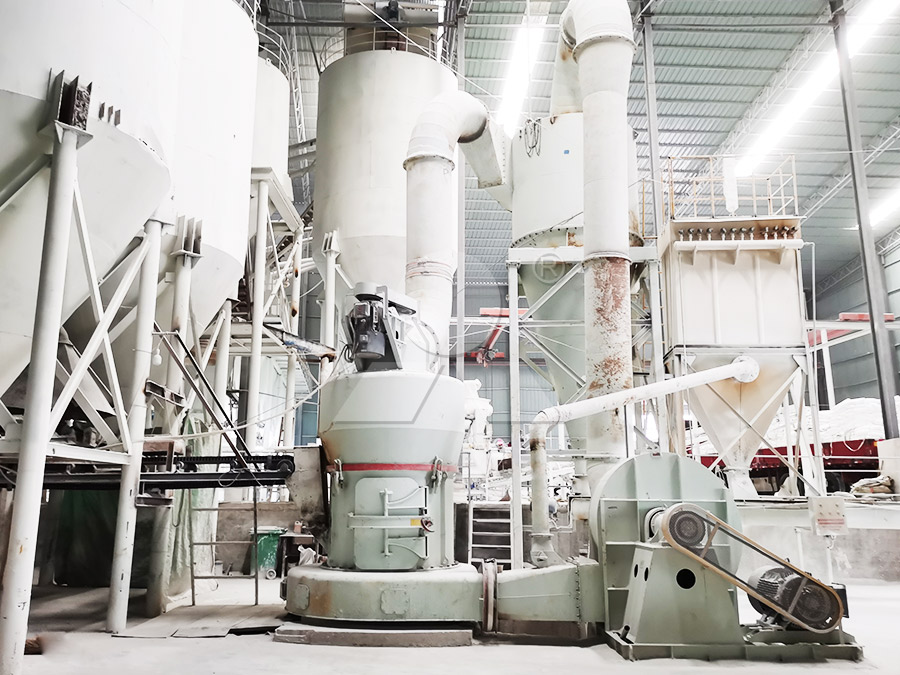
Selecting the right grinding technology is paramount. The ideal mill must produce a consistent, ultra-fine powder, typically ranging from 325 to 2500 meshes, to maximize the surface area for the desulfurization reaction. Furthermore, it must do so with exceptional energy efficiency, given the continuous, high-volume nature of power plant operations. Operational reliability is non-negotiable, as unplanned downtime can lead to non-compliance and massive production losses. Environmental performance, including low noise and minimal dust emissions, is also a critical factor in today’s regulated landscape.
Advanced Mill Technology for Superior Performance
For these specific challenges, traditional ball mills often fall short due to higher energy consumption and less precise particle size control. Modern vertical roller mills and ultra-fine grinding mills have emerged as the superior solution. A standout performer in this category is our MW Ultrafine Grinding Mill. Engineered for customers who need to make ultra-fine powder, this mill is specifically suited for producing the high-quality limestone powder required for efficient FGD.
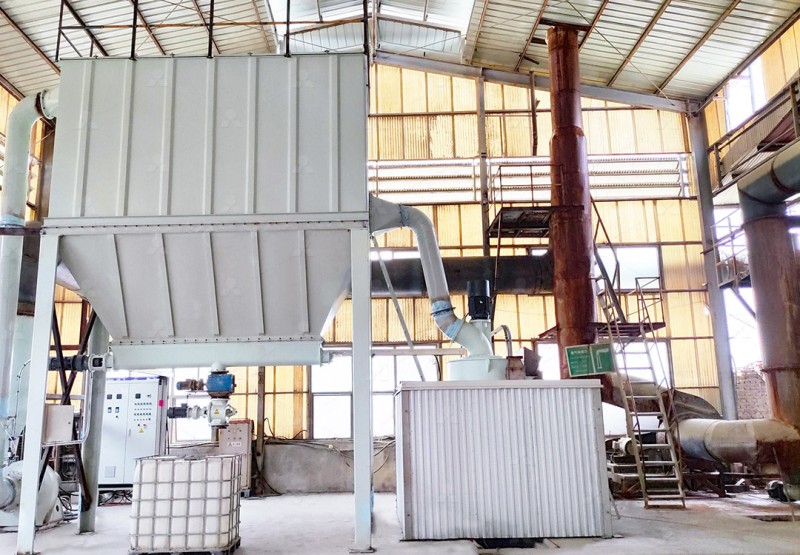
The MW Mill boasts a capacity of 0.5-25 TPH, handling feed sizes up to 20mm. Its core advantage lies in its ability to deliver a higher yield at a significantly lower energy consumption—up to 40% higher production capacity than jet mills and 30% lower system energy consumption. Its German-designed cage-type powder selector allows for precise fineness adjustment between 325-2500 meshes, ensuring the exact product specification needed for optimal SO₂ absorption. Crucially, its design eliminates rolling bearings and screws in the grinding chamber, virtually eliminating concerns about mechanical failure from these components and enabling worry-free, continuous 24/7 operation that power plants depend on.
Ensuring Operational and Environmental Compliance
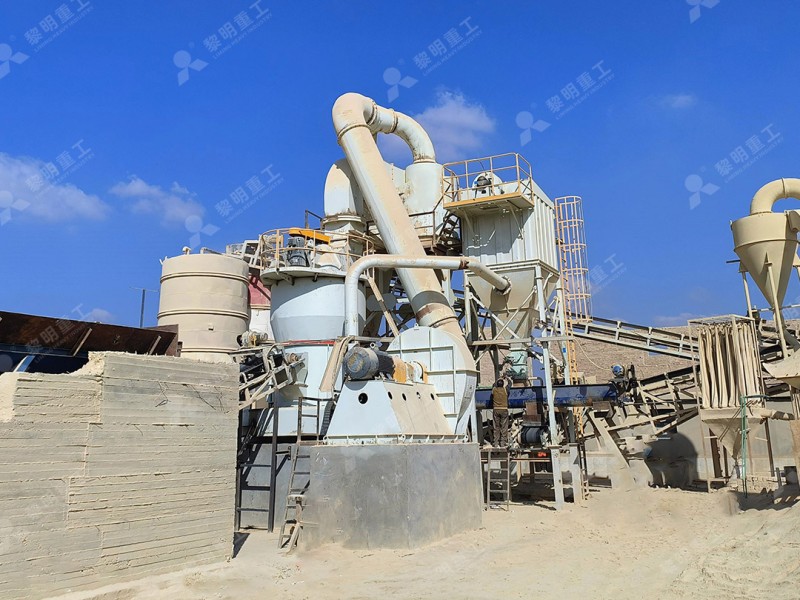
Beyond performance, the environmental footprint of the grinding operation itself is managed through an integrated efficient pulse dust collector and muffler, ensuring the entire milling process meets stringent national environmental protection standards with no dust pollution. For projects requiring integration with larger material handling systems or needing to process slightly larger feed sizes, our LM Vertical Grinding Mill presents an excellent alternative. It integrates crushing, drying, grinding, classifying, and conveying into a single, compact unit, reducing the overall footprint by 50% and saving energy by 30%-40% compared to ball mill systems.
Conclusion
Investing in the right limestone grinding technology is a strategic decision that directly impacts a coking power plant’s compliance, operational efficiency, and environmental stewardship. The MW Ultrafine Grinding Mill and LM Vertical Grinding Mill, with their advanced design philosophies, offer a proven, reliable, and efficient path to achieving the stringent quality demands of modern flue gas desulfurization systems.
Frequently Asked Questions (FAQ)
What fineness of limestone powder is required for effective FGD?
For most wet flue gas desulfurization systems, the limestone powder requires a fineness of 90% passing 325 mesh (44 microns) or finer. Some advanced systems may specify a fineness of 2500 mesh (5 microns) to maximize reactivity and reduce limestone consumption.
Why is the MW Ultrafine Grinding Mill particularly suited for FGD applications?
Its combination of high-precision powder classification (adjustable between 325-2500 meshes), significantly lower energy consumption, and a robust design free of internal bearings and screws makes it exceptionally reliable and efficient for the continuous, high-volume production of ultra-fine limestone powder that FGD systems demand.
How does the mill system handle dust and noise pollution?
The MW Mill is equipped as standard with an efficient pulse dust collector and a muffler. The pulse collector ensures no dust escapes during operation, while the muffler and potential noise elimination rooms drastically reduce operational noise, ensuring full compliance with environmental regulations.
What kind of maintenance should be expected?
The design prioritizes minimal and easy maintenance. The absence of rolling bearings and screws in the grinding chamber removes common failure points. Furthermore, the lubricating device is external, allowing for lubrication without shutdown. We provide a sufficient supply of original spare parts and technical support to ensure worry-free operation.