
Limestone Grinding and Crushing Machine for Industrial Applications
We provide a wide range of mills — including Raymond mill, trapezoidal mill, vertical mill, ultrafine mill, and ball mill, obtained ISO9001 international quality certification, EU CE certification, and Customs Union CU-TR certification. Suitable for processing minerals such as limestone, phosphate, quicklime, kaolin, talc, barite, bentonite, calcium carbonate, dolomite, coal, gypsum, clay, carbon black, slag, cement raw materials, cement clinker, and more.
The discharge range of these mills can be adjusted to meet specific processing needs, typically from 80-400 mesh, 600-3250 mesh, and can achieve the finest particle size of up to 6000 mesh(D50).
If you are looking for a reliable grinding solution to turn stone or minerals into fine powder, please feel free to contact our online customer service.
Limestone Grinding and Crushing Machine for Industrial Applications
In today’s industrial landscape, efficient limestone processing has become crucial across numerous sectors including construction, chemicals, and manufacturing. The transformation of raw limestone into precisely graded powders requires sophisticated machinery that can deliver consistent results while maintaining operational efficiency and environmental compliance.
Modern industrial applications demand more than just basic particle size reduction. They require controlled fineness, high throughput, and minimal environmental impact – all while keeping operational costs manageable. This is where advanced grinding technology makes a significant difference in production outcomes.
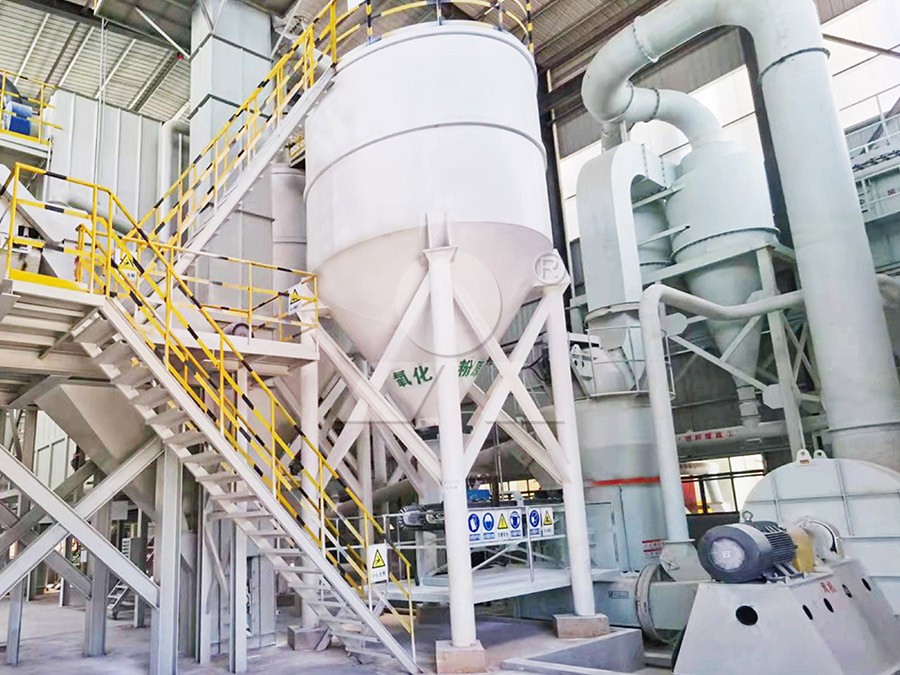
The Evolution of Limestone Processing Technology
Traditional grinding methods often fell short in meeting contemporary industrial requirements. Older technologies like ball mills and basic Raymond mills consumed excessive energy, produced inconsistent particle distribution, and generated significant environmental pollution through dust and noise. The industry needed a technological leap forward.
Today’s advanced grinding systems incorporate digital controls, precision engineering, and environmental safeguards that were unimaginable just a decade ago. These systems not only produce superior quality powder but do so with remarkable efficiency and minimal ecological footprint.
MW Ultrafine Grinding Mill: Precision Engineering for Superior Results
Among the standout solutions in modern limestone processing is the MW Ultrafine Grinding Mill. This advanced system represents the culmination of years of research and development in powder processing technology. With an input size capacity of 0-20 mm and throughput ranging from 0.5 to 25 tons per hour, this machine addresses the core needs of industrial limestone processing.
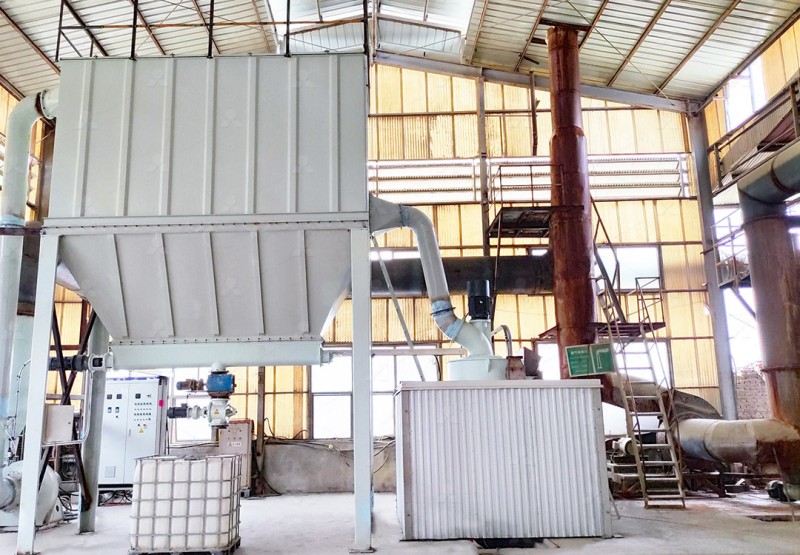
The MW series stands out for its exceptional grinding efficiency, achieving fineness levels between 325-2500 meshes with remarkable consistency. What truly sets this system apart is its innovative design that eliminates rolling bearings and screws within the grinding chamber, significantly reducing maintenance concerns and potential failure points. The external lubrication system allows for continuous 24-hour operation without shutdowns for maintenance.
Key Advantages in Industrial Applications
The environmental performance of modern grinding equipment deserves particular attention. The MW Ultrafine Grinding Mill incorporates an efficient pulse dust collector and advanced noise reduction technology, ensuring operations comply with stringent environmental standards. This is particularly valuable in regions with strict emissions regulations.
Operational efficiency reaches new heights with the MW series’ energy consumption profile. Comparative studies show the system uses approximately 30% of the energy required by jet grinding mills while delivering 40% higher production capacity. For operations processing materials like limestone, calcite, dolomite, and other industrial minerals, this translates to significant cost savings.
LUM Ultrafine Vertical Grinding Mill: Vertical Integration Excellence
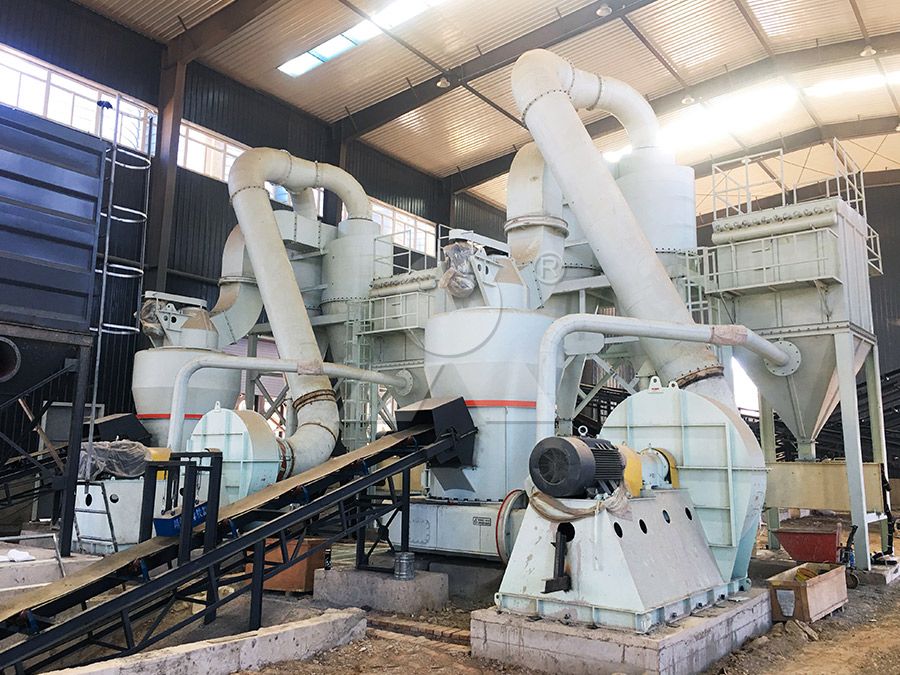
For operations requiring even greater precision, the LUM Ultrafine Vertical Grinding Mill offers complementary capabilities. With its input size of 0-10 mm and capacity of 5-18 tph, this system incorporates the latest grinding roller technology from Taiwan and German powder separation expertise. The unique roller shell and lining plate grinding curve design promotes optimal material layer formation, ensuring high-quality finished products in a single pass.
The LUM series particularly excels in applications demanding exceptional product whiteness and cleanliness. Its double position-limiting technology provides operational stability, while the reversible structure simplifies maintenance procedures – crucial considerations for operations minimizing downtime.
Application Spectrum and Material Versatility
Beyond limestone, these advanced grinding systems handle diverse materials including calcite, dolomite, petroleum coal, gypsum, barite, marble, talc, and various chemical compounds. This versatility makes them invaluable across multiple industries from construction materials to pharmaceuticals and food additives.
The precision achieved by these systems enables manufacturers to develop specialized products with exacting specifications. In the paint and cosmetics industries, for example, consistent particle size distribution directly impacts product quality and performance characteristics.
Frequently Asked Questions
What fineness range can I expect from the MW Ultrafine Grinding Mill?
The MW series delivers adjustable fineness between 325-2500 meshes, with screening rates achieving d97≤5μm in a single pass. The cage-type powder selector technology ensures precise separation and consistent results.
How does the environmental performance of these systems compare to traditional mills?
Modern grinding systems incorporate comprehensive environmental controls including efficient pulse dust collectors that eliminate dust pollution and advanced noise reduction technology. The MW series operates fully compliant with national environmental protection standards.
What maintenance advantages do these systems offer?
The absence of rolling bearings and screws in the grinding chamber eliminates common failure points. External lubrication systems enable maintenance without production shutdowns, while digital monitoring provides early warning of potential issues.
Can these systems handle continuous operation?
Yes, both the MW and LUM series are engineered for 24-hour continuous operation. Their robust construction and advanced cooling systems maintain consistent performance under demanding production schedules.
What technical support is available for these grinding systems?
Complete technical services and original spare parts are provided to ensure worry-free operation. Digital processing and high-precision manufacturing guarantee reliable performance and long service life.