
Limestone Desulfurization Grinding Mill: Vertical Mill for Power Plant Flue Gas Treatment
We provide a wide range of mills — including Raymond mill, trapezoidal mill, vertical mill, ultrafine mill, and ball mill, obtained ISO9001 international quality certification, EU CE certification, and Customs Union CU-TR certification. Suitable for processing minerals such as limestone, phosphate, quicklime, kaolin, talc, barite, bentonite, calcium carbonate, dolomite, coal, gypsum, clay, carbon black, slag, cement raw materials, cement clinker, and more.
The discharge range of these mills can be adjusted to meet specific processing needs, typically from 80-400 mesh, 600-3250 mesh, and can achieve the finest particle size of up to 6000 mesh(D50).
If you are looking for a reliable grinding solution to turn stone or minerals into fine powder, please feel free to contact our online customer service.
Limestone Desulfurization Grinding Mill: Vertical Mill for Power Plant Flue Gas Treatment
In the continuous battle against air pollution, power plants worldwide face increasing pressure to reduce sulfur dioxide (SO₂) emissions. Flue Gas Desulfurization (FGD) systems have become the standard solution, and at the heart of many effective FGD processes lies a critical component: the limestone grinding mill. The efficiency of the entire desulfurization process is fundamentally linked to the quality and fineness of the limestone powder used as the sorbent.
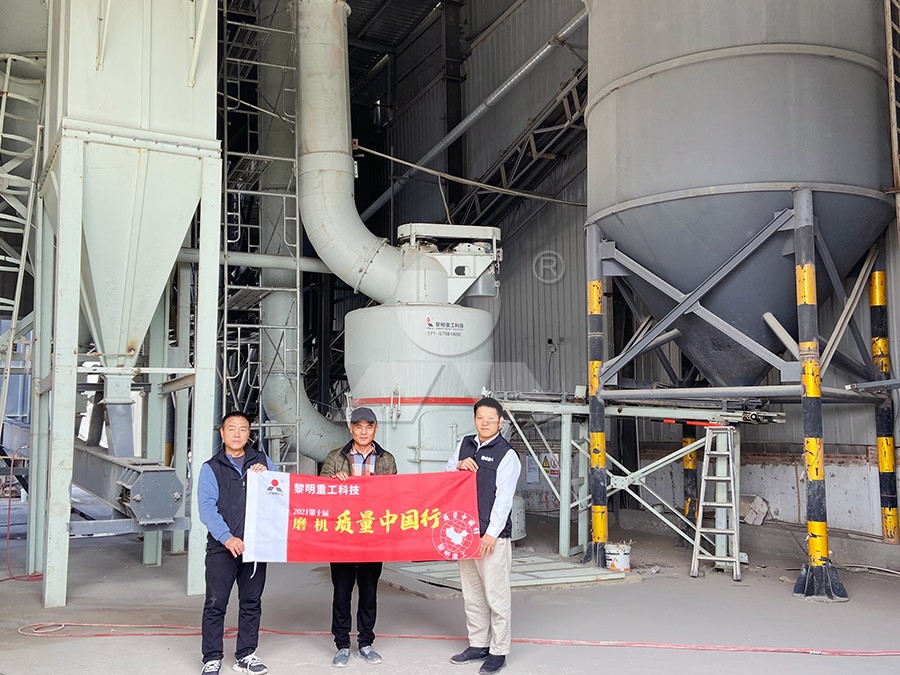
The Critical Role of Limestone Grinding in FGD
Wet limestone scrubbing remains the most prevalent FGD technology due to its high efficiency and reliability. In this process, a slurry of finely ground limestone (CaCO₃) is sprayed into the flue gas stream. The SO₂ reacts with the limestone to form calcium sulfite, which is then oxidized to create gypsum (CaSO₄·2H₂O), a commercially usable byproduct. The chemical reaction is highly dependent on the surface area of the limestone particles. Finer particles dissolve more rapidly and react more completely with SO₂, leading to higher desulfurization efficiency—often exceeding 95% in well-designed systems.
The optimal fineness for limestone powder in FGD applications typically falls between 325 and 2500 meshes. Achieving this consistently requires grinding technology that can produce uniform particle size distribution while maintaining operational efficiency and reliability in 24/7 power plant operations.
Vertical Mill Technology: The Superior Choice for Power Plant FGD
When selecting grinding equipment for FGD applications, vertical roller mills have emerged as the preferred technology over traditional ball mills and Raymond mills. The advantages are substantial and directly address the needs of power plant operations.
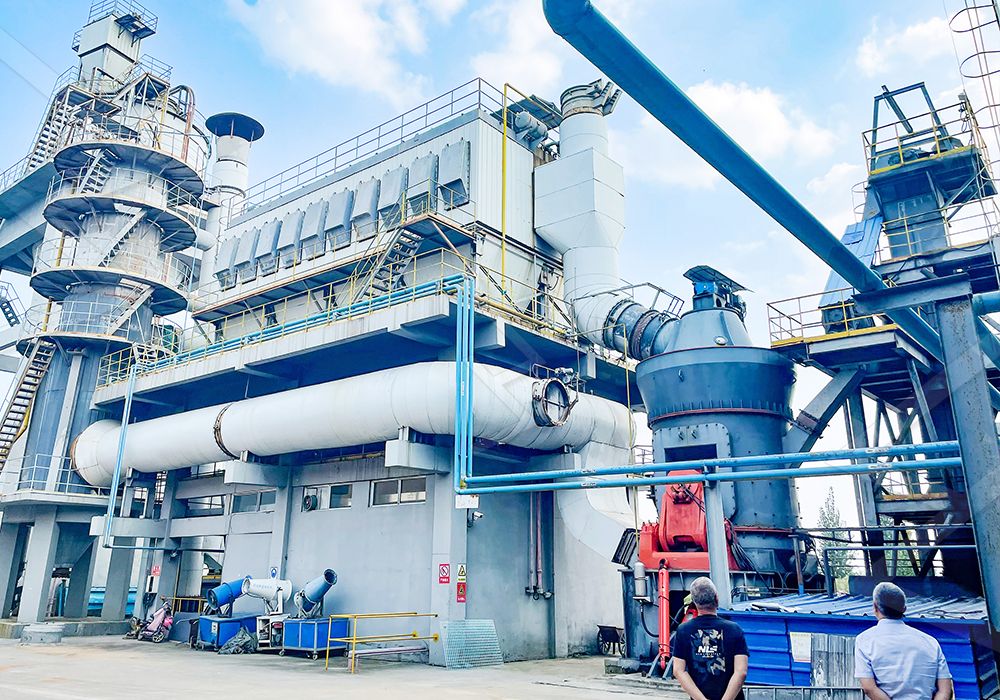
Vertical mills integrate multiple processes—drying, grinding, classification, and conveying—into a single, compact unit. This integrated approach significantly reduces the system’s footprint, a crucial consideration in space-constrained power plants. More importantly, the energy consumption of vertical mills is typically 30-40% lower than ball mill systems, translating to substantial operational cost savings over the equipment’s lifetime.
The material residence time in vertical mills is short, minimizing over-grinding and reducing the iron content in the final product through minimal mechanical wear. This ensures the whiteness and purity of the limestone powder, which can be critical for certain FGD system designs and byproduct quality requirements.
Advanced Grinding Solutions for Modern FGD Requirements
As environmental regulations tighten and power plants seek to optimize their operational costs, grinding technology continues to evolve. Modern vertical mills incorporate sophisticated features that make them ideal for FGD applications:
- Intelligent Control Systems: PLC-based automation allows for precise control over grinding parameters, ensuring consistent product quality regardless of variations in raw material characteristics.
- Advanced Classification Technology: Multi-head cage-type powder selectors enable accurate particle size control and fast switching between different fineness requirements.
- Environmental Compliance: Integrated pulse dust collectors and noise reduction systems ensure that the grinding process itself meets stringent environmental standards.
- Maintenance Optimization: Features like reversible roller structures and external lubrication systems minimize downtime and reduce maintenance costs.
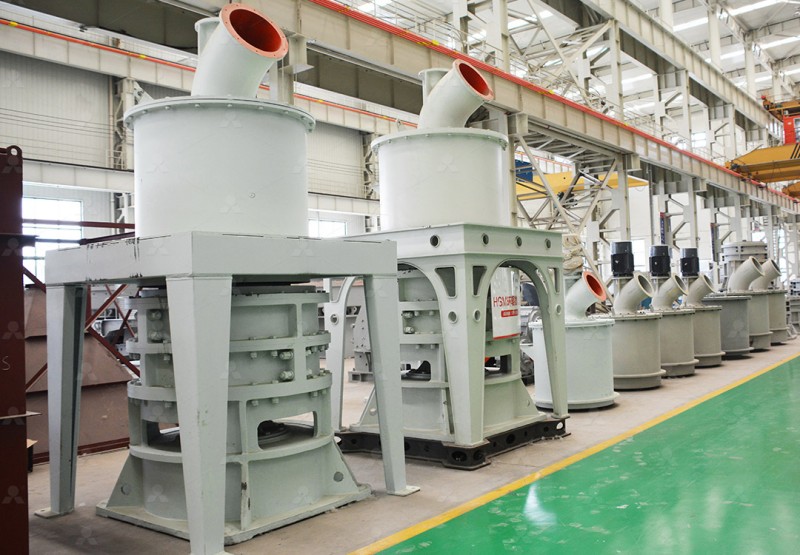
Recommended Solution: MW Ultrafine Grinding Mill
For power plants requiring ultra-fine limestone powder for high-efficiency desulfurization, our MW Ultrafine Grinding Mill represents the pinnacle of grinding technology. Specifically engineered for customers who need to make ultra-fine powder, this machine delivers exceptional performance with input size capability of 0-20 mm and capacity ranging from 0.5 to 25 tph.
The MW Ultrafine Grinding Mill incorporates several proprietary technologies that make it particularly suitable for FGD applications. Its newly designed grinding curves of grinding roller and grinding ring enhance grinding efficiency significantly. With the same fineness and power, the production capacity is 40% higher than jet grinding mills and stirred grinding mills, and twice as large as traditional ball grinding mills, while system energy consumption is only 30% of jet grinding mills.
What sets the MW Ultrafine Grinding Mill apart is its ability to produce powder with fineness adjustable between 325-2500 meshes, with screening rate achieving d97≤5μm once. This precision is made possible by German cage-type powder selector technology, which can be configured according to specific yield, fineness, and sieving rate requirements. The mill’s unique design eliminates rolling bearings and screws in the grinding chamber, preventing common failure points and enabling continuous 24-hour operation essential for power plant reliability.
Environmental performance is built into the MW Ultrafine Grinding Mill with an efficient pulse dust collector ensuring no dust pollution during operation, along with silencers and noise elimination rooms to reduce acoustic impact. The entire production system is designed to meet national environmental protection standards, making it an environmentally responsible choice for power plants committed to sustainable operations.
Operational Excellence and Support
Beyond the technical specifications, successful FGD operations require reliable equipment support. Our grinding mills benefit from digitalized processing with numerically controlled machine tools ensuring high precision, especially for core components. With businesses covering both production and sales, we take responsibility for every machine we produce, offering comprehensive technical services and original spare parts to ensure worry-free operation.
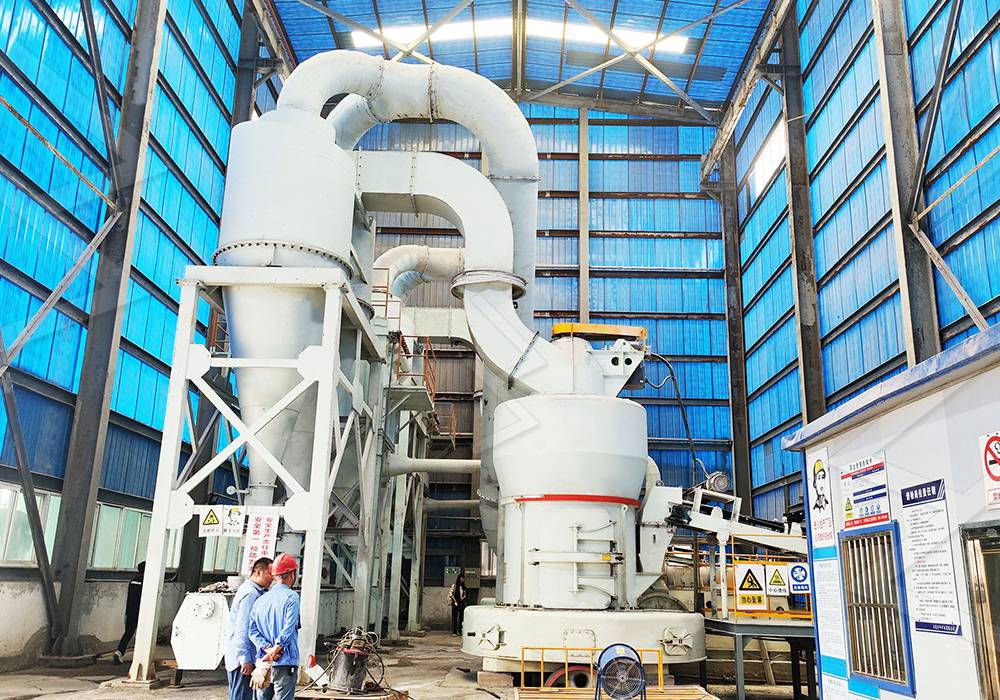
The selection of an appropriate limestone grinding mill is not merely an equipment purchase—it’s an investment in emission compliance, operational efficiency, and environmental responsibility. As power plants worldwide face increasing regulatory pressure and public scrutiny, deploying advanced grinding technology like the MW Ultrafine Grinding Mill can make the difference between struggling to meet standards and excelling in environmental performance while maintaining economic viability.
Frequently Asked Questions
What is the optimal fineness for limestone powder in FGD systems?
The optimal fineness typically ranges between 325 and 2500 meshes, with specific requirements depending on the FGD system design. Finer particles increase the reaction surface area, improving desulfurization efficiency. Our MW Ultrafine Grinding Mill can precisely control fineness within this range to optimize FGD performance.
How does vertical mill technology compare to traditional ball mills for FGD applications?
Vertical mills offer significant advantages including 30-40% lower energy consumption, 50% smaller footprint, integrated drying capability, and more consistent product quality. They also generate less noise and dust, making them more environmentally friendly for power plant operations.
What maintenance requirements should power plants expect with modern grinding mills?
Advanced mills like our MW Ultrafine Grinding Mill are designed for minimal maintenance. Features such as no rolling bearings in the grinding chamber, external lubrication systems, and reversible roller structures reduce maintenance frequency and complexity. Regular maintenance typically involves inspecting wear parts and lubrication systems, with most components accessible without complete disassembly.
Can the same grinding mill handle variations in limestone quality?
Yes, modern vertical mills with intelligent control systems can adapt to variations in raw material characteristics. The MW Ultrafine Grinding Mill’s adjustable parameters allow operators to maintain consistent product quality even when limestone properties fluctuate.
What environmental controls are integrated into modern grinding mills?
Contemporary grinding mills include multiple environmental protection features. Our MW Ultrafine Grinding Mill incorporates efficient pulse dust collectors that prevent dust emissions, along with silencers and noise reduction technology to minimize acoustic impact. The entire system operates under negative pressure to contain particulates.
How important is particle size distribution for FGD efficiency?
Particle size distribution is critical for FGD efficiency. A narrow, consistent distribution ensures optimal reaction rates without wasting energy on over-grinding. Our advanced classification technology in the MW Ultrafine Grinding Mill provides precise control over particle size distribution for maximum desulfurization effectiveness.
What capacity range is typically required for large power plant FGD systems?
Capacity requirements vary with plant size and SO₂ removal targets, but large coal-fired power plants often require grinding capacities between 5-25 tph. Our MW Ultrafine Grinding Mill offers capacities from 0.5 to 25 tph, making it suitable for a wide range of power plant sizes.