
Limestone Coarse Powder Grinding Mill for 3mm and Finer Particle Size
We provide a wide range of mills — including Raymond mill, trapezoidal mill, vertical mill, ultrafine mill, and ball mill, obtained ISO9001 international quality certification, EU CE certification, and Customs Union CU-TR certification. Suitable for processing minerals such as limestone, phosphate, quicklime, kaolin, talc, barite, bentonite, calcium carbonate, dolomite, coal, gypsum, clay, carbon black, slag, cement raw materials, cement clinker, and more.
The discharge range of these mills can be adjusted to meet specific processing needs, typically from 80-400 mesh, 600-3250 mesh, and can achieve the finest particle size of up to 6000 mesh(D50).
If you are looking for a reliable grinding solution to turn stone or minerals into fine powder, please feel free to contact our online customer service.
Limestone Coarse Powder Grinding Mill for 3mm and Finer Particle Size
In the world of industrial mineral processing, achieving consistent, high-quality limestone powder with a target particle size of 3mm and finer is a critical requirement for numerous applications. From construction materials and agriculture to chemical manufacturing and environmental remediation, the demand for precisely graded limestone powder is ever-growing. Selecting the right grinding technology is paramount to balancing production efficiency, product quality, and operational costs.
The journey from raw limestone chunks to a fine, uniform powder is a complex engineering challenge. Traditional methods like ball mills, while reliable, often struggle with energy inefficiency, excessive heat generation, and broad particle size distributions that require additional classification steps. The industry has steadily moved towards more advanced, vertical and trapezium mill designs that integrate drying, grinding, classifying, and conveying into a single, streamlined system. These modern mills offer superior control over the grinding process, directly impacting the final product’s fineness, whiteness, and reactivity.
Key Considerations for Fine and Coarse Powder Production
Producing limestone powder in the 3mm to ultra-fine range involves several technical considerations. The feed size is a primary factor; a mill must efficiently handle a range of input materials, from coarse 20mm feed down to pre-crushed smaller fragments. The grinding mechanism itself—whether it uses rollers, rings, or a combination—determines the grinding pressure and shear forces applied, which in turn influence particle shape and size distribution. Perhaps most crucial is the integrated powder separator or classifier. This component is the true arbiter of final particle size, ensuring oversized particles are returned for regrinding while only the correctly sized powder proceeds to collection.
Beyond the core grinding function, operational stability and maintenance friendliness are vital for continuous production. Mills designed with external lubrication systems, easy-access roller assemblies, and robust limiting technologies prevent unplanned downtime. Furthermore, environmental compliance is non-negotiable. Modern systems must incorporate efficient pulse-jet dust collectors and noise suppression technologies to ensure a clean, safe, and sustainable operation that meets stringent international standards.
Advanced Mill Technologies for Superior Results
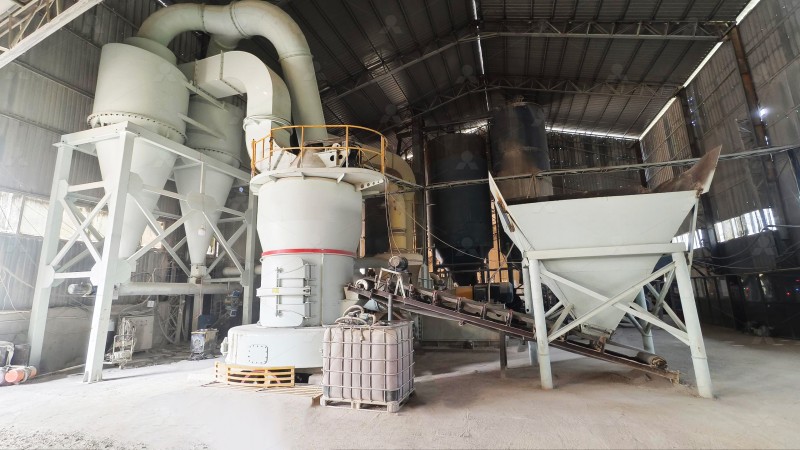
For operations targeting high-volume production of limestone powder with precise control down to 3mm and finer, two standout technologies from our portfolio offer compelling advantages. The first is the MTW-Z European Trapezium Mill. This mill is engineered for robustness and efficiency in producing coarse to medium-fine powders. Its distinctive features include a dilute oil lubrication system for the grinding rollers, which significantly reduces maintenance frequency compared to traditional grease systems. The elimination of the shovel blade cylinder in its grinding chamber increases the ventilation area, reducing air-conveying resistance and allowing for higher throughput. Its elastic volute damping structure ensures remarkable operational stability by isolating vibration, making it an excellent choice for consistent, high-yield production.
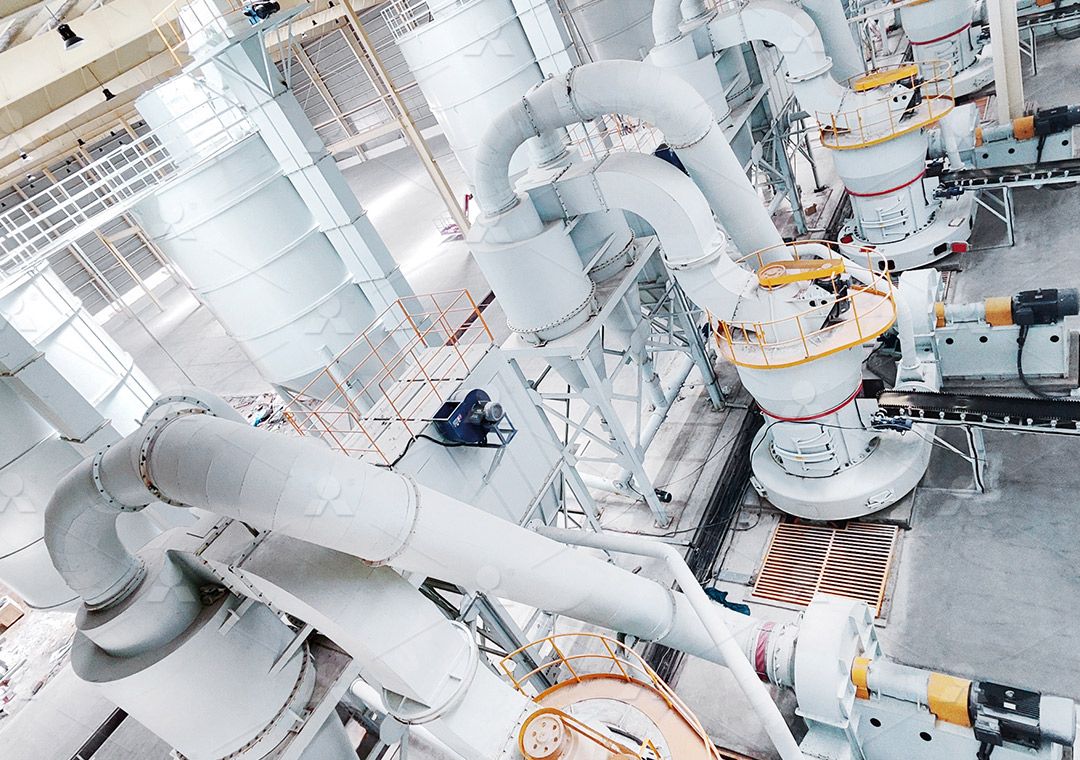
For applications demanding even finer powders or exceptional energy efficiency, the LUM Ultrafine Vertical Grinding Mill represents the cutting edge. This mill integrates the latest grinding roller and German powder separating technology. Its unique roller shell and lining plate grinding curve promote stable material bed formation, enabling high rates of finished product in a single pass. This design not only boosts efficiency but also enhances the whiteness and purity of the limestone powder by minimizing iron contamination and over-grinding. The mill’s reversible structure, facilitated by a hydraulic system, allows grinding rollers to be easily swung out for maintenance, drastically reducing service time and associated losses.
Optimizing Your Grinding Process
Successful limestone powder production hinges on more than just the mill. A holistic system approach—from initial crushing and feeding to final collection and dust control—is essential. Proper pre-crushing of limestone to within the mill’s optimal feed size (e.g., 0-50mm for the MTW-Z or 0-10mm for the LUM) ensures stable feeding and maximizes grinding efficiency. The integration of intelligent PLC control systems allows operators to precisely fine-tune parameters like grinding pressure, classifier speed, and feed rate in real-time, adapting to variations in raw material hardness or moisture content to maintain a consistent product.
Ultimately, the choice of grinding mill is a strategic investment. It affects not only your capital expenditure but your long-term operating costs through energy consumption, wear part longevity, and maintenance labor. A mill that offers higher yield with lower specific energy consumption, coupled with digital precision manufacturing for reliability, provides a faster return on investment and a stronger competitive position in the market.
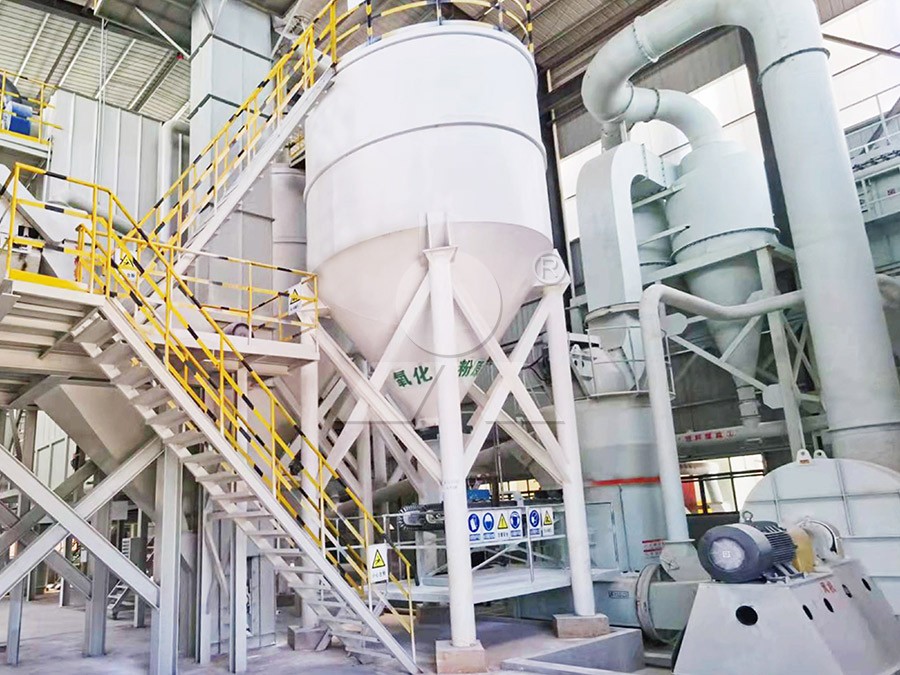
In conclusion, moving beyond basic crushing to achieve controlled, fine grinding of limestone requires sophisticated technology. By leveraging advanced mill designs that prioritize efficiency, product quality, and operational ease, producers can reliably meet the stringent specifications for 3mm and finer limestone powder across a diverse range of industries.
Frequently Asked Questions (FAQ)
1. What is the typical moisture content limit for limestone fed into these grinding mills?
Most of our advanced mills, like the MTW-Z and LUM series, integrate drying capabilities. They can typically handle raw materials with moisture content up to 10-15% when equipped with appropriate hot air sources. For higher moisture levels, a pre-drying stage may be recommended for optimal grinding efficiency and powder quality.
2. How is the final particle size controlled and adjusted?
Particle size is primarily controlled by the integrated powder separator (classifier). By adjusting the speed of the separator’s rotor or the configuration of the cage-type selector, the cut point for particle size can be precisely modified. This allows the same mill to produce different fineness grades, from coarse 3mm powder to much finer meshes, without stopping the grinding process.
3. What are the main wear parts, and what is their expected service life?
The primary wear parts are the grinding rollers and the grinding ring/liner. These components are manufactured from high-performance wear-resistant alloys. Their service life varies based on limestone abrasiveness and production volume but is significantly extended—often 1.5 to 2.5 times longer than standard manganese steel—due to our proprietary material technology and design.
4. Can the system process materials other than limestone?
Absolutely. The mill technologies described are highly versatile. They are suitable for a wide range of non-metallic minerals with similar or lower hardness, including calcite, dolomite, barite, talc, gypsum, and petroleum coke, among others. The working principle and robust construction allow for processing various materials with minimal adjustment.
5. How is dust pollution controlled during operation?
The entire milling system is designed as a closed-circuit, negative-pressure system. This means air leakage inward, preventing dust from escaping. The exhaust air from the mill passes through a high-efficiency pulse-jet bag dust collector before being released, ensuring dust emissions are far below national and international environmental protection standards.
6. What level of automation do these mills support?
Our grinding mills are designed for modern automated operation. They can be equipped with PLC control systems that allow for remote monitoring and control. Key parameters like feeding rate, grinding pressure, classifier speed, and temperature can be automated and adjusted from a central control room, ensuring consistent product quality and reducing manual intervention.