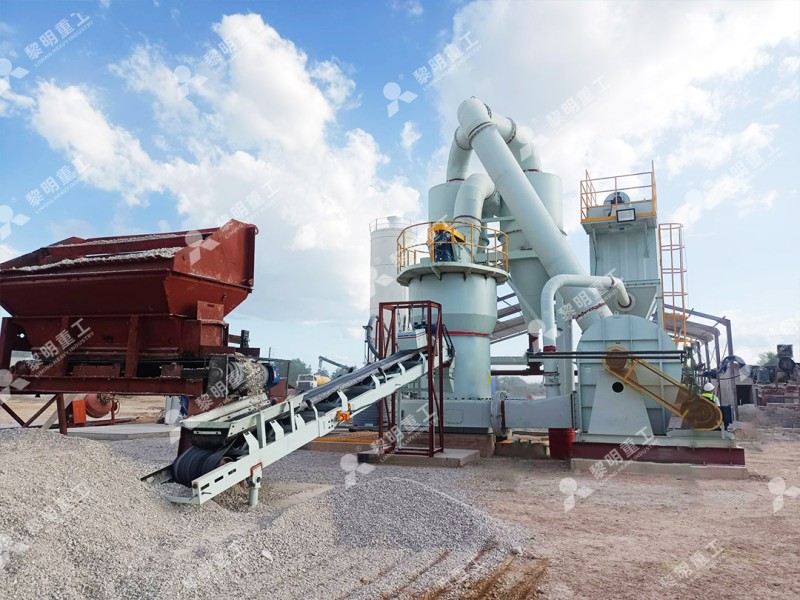
Lead Smelting Slag Grinding Machine Price: Factors & Cost Analysis
We provide a wide range of mills — including Raymond mill, trapezoidal mill, vertical mill, ultrafine mill, and ball mill, obtained ISO9001 international quality certification, EU CE certification, and Customs Union CU-TR certification. Suitable for processing minerals such as limestone, phosphate, quicklime, kaolin, talc, barite, bentonite, calcium carbonate, dolomite, coal, gypsum, clay, carbon black, slag, cement raw materials, cement clinker, and more.
The discharge range of these mills can be adjusted to meet specific processing needs, typically from 80-400 mesh, 600-3250 mesh, and can achieve the finest particle size of up to 6000 mesh(D50).
If you are looking for a reliable grinding solution to turn stone or minerals into fine powder, please feel free to contact our online customer service.
Lead Smelting Slag Grinding Machine Price: Factors & Cost Analysis
When it comes to processing lead smelting slag, selecting the right grinding equipment is crucial for operational efficiency and cost-effectiveness. The price of a grinding machine is not a single figure but a complex equation influenced by numerous factors. Understanding these variables can help you make an informed investment that delivers long-term value for your operation.
Key Factors Influencing Grinding Mill Pricing
1. Capacity and Throughput Requirements: The required processing capacity (tons per hour) is a primary driver of cost. Larger machines capable of handling higher throughputs naturally command higher prices. For lead slag, which often requires fine grinding for further processing or safe disposal, capacity needs must be carefully calculated.
2. Desired Fineness (Mesh Size): The final product fineness significantly impacts the machine selection and cost. Achieving a finer powder (e.g., 2500 mesh vs. 325 mesh) requires more sophisticated grinding mechanisms and precision separators, increasing the initial investment.
3. Machine Technology and Features: Advanced features like efficient dust collection systems (crucial for lead-containing materials), noise reduction technology, automated control systems, and energy-efficient designs add to the upfront cost but offer substantial savings in operational expenses (OPEX).
4. Build Quality and Material of Construction: Grinding abrasive materials like slag demands wear-resistant alloys for rollers, rings, and liners. Mills built with high-chrome or other specialized alloys, while more expensive initially, drastically reduce downtime and spare part replacement costs.
5. Brand and After-Sales Support: Established brands with proven reliability and comprehensive after-sales support, including technical service and genuine spare parts availability, often have higher price points. This support is critical for minimizing costly operational disruptions.
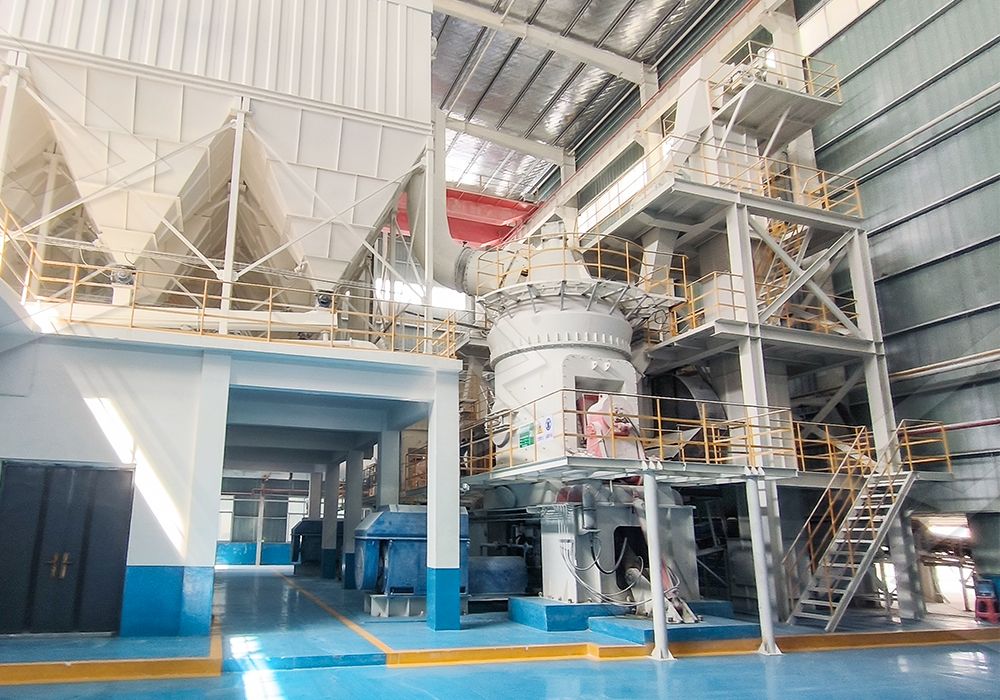
Beyond the Sticker Price: Total Cost of Ownership (TCO)
The smartest purchase decision looks beyond the initial machine price to the Total Cost of Ownership. This includes:
- Energy Consumption: This is often the largest OPEX component. Energy-efficient mills can save 30-50% on power costs compared to standard models.
- Maintenance and Spare Parts: Easy maintenance access, durable components, and reliable spare part supply chains reduce long-term maintenance costs and lost production time.
- Downtime: A reliable machine with minimal breakdowns is invaluable. Features like external lubrication systems that allow maintenance without shutdown are major cost-savers.
- Environmental Compliance: Integrated dust and noise pollution control systems help avoid fines and ensure smoother operation within regulatory guidelines.
Recommended Solution: MW Ultrafine Grinding Mill
For operations focused on transforming lead smelting slag into a high-value, ultra-fine powder, our MW Ultrafine Grinding Mill presents an optimal balance of performance and cost-efficiency. It’s engineered specifically for challenging materials and demanding fineness requirements.
Key Advantages for Slag Processing:
- Superior Fineness Control: Adjustable fineness between 325-2500 meshes using a advanced German-designed cage-type powder selector, ensuring precise control over your final product.
- Higher Yield, Lower Energy Use: Its innovative grinding curve design boosts efficiency, offering 40% higher capacity than jet mills while consuming 30% less energy, directly slashing your operating costs.
- Enhanced Reliability: The unique design eliminates rolling bearings and screws inside the grinding chamber, virtually eliminating common failure points and machine damage from loose parts. External lubrication allows for 24/7 operation.
- Eco-Friendly Operation: Equiped with an efficient pulse dust collector and silencer, the entire system operates cleanly and quietly, meeting strict environmental protection standards—a critical factor for lead-bearing materials.
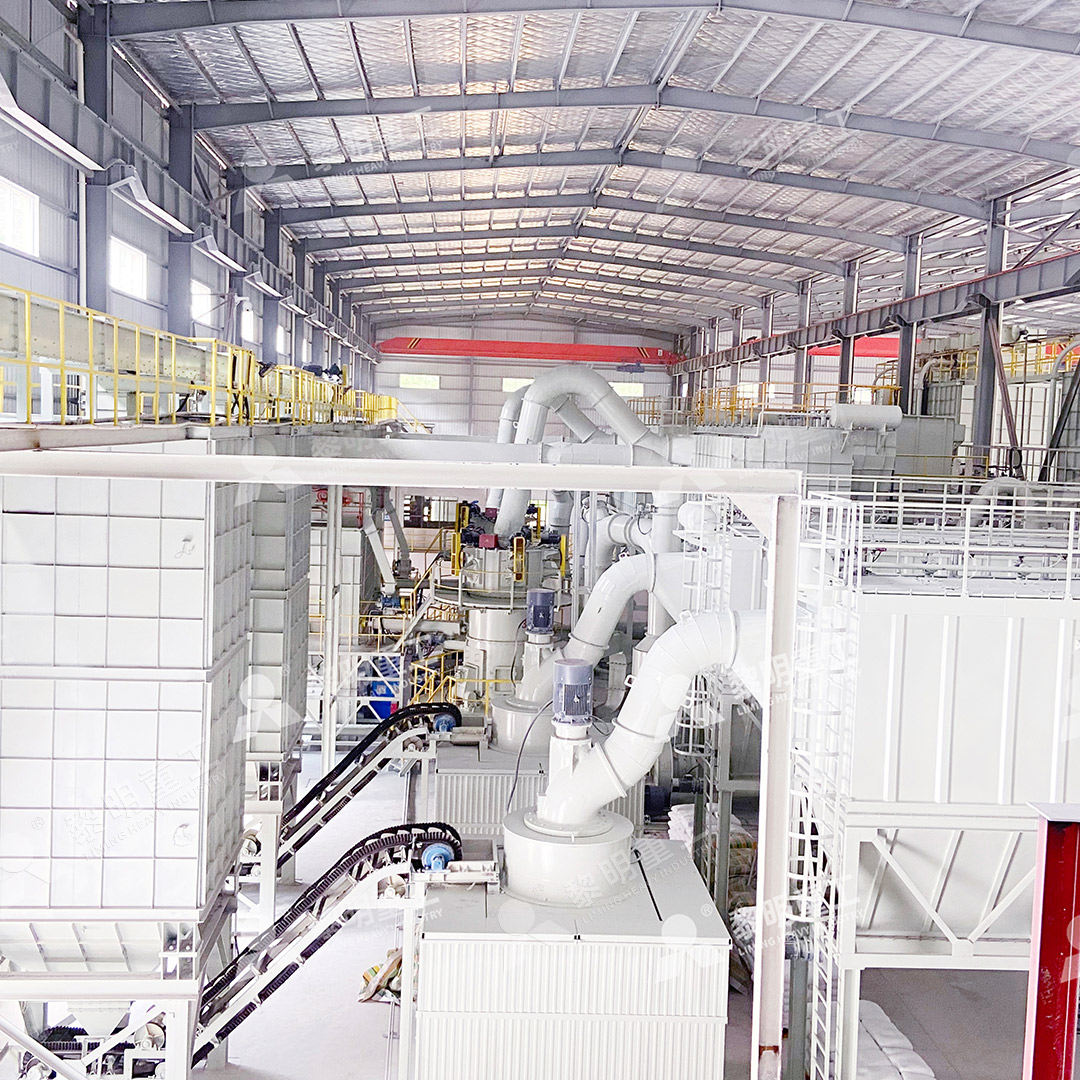
Conclusion: Investing Wisely
Choosing a lead smelting slag grinding machine is a strategic decision. While the initial price is an important consideration, the true value lies in a machine’s ability to deliver low operating costs, high reliability, and minimal environmental impact. By carefully evaluating your specific needs against factors like capacity, fineness, and TCO, you can select equipment that maximizes your return on investment. The MW Series represents this philosophy, offering advanced technology designed to tackle the rigors of slag grinding efficiently and economically.