
Latest Ball Mill Patents: Innovations in Grinding Technology 2024
We provide a wide range of mills — including Raymond mill, trapezoidal mill, vertical mill, ultrafine mill, and ball mill, obtained ISO9001 international quality certification, EU CE certification, and Customs Union CU-TR certification. Suitable for processing minerals such as limestone, phosphate, quicklime, kaolin, talc, barite, bentonite, calcium carbonate, dolomite, coal, gypsum, clay, carbon black, slag, cement raw materials, cement clinker, and more.
The discharge range of these mills can be adjusted to meet specific processing needs, typically from 80-400 mesh, 600-3250 mesh, and can achieve the finest particle size of up to 6000 mesh(D50).
If you are looking for a reliable grinding solution to turn stone or minerals into fine powder, please feel free to contact our online customer service.
Latest Ball Mill Patents: Innovations in Grinding Technology 2024
The grinding industry is witnessing a rapid transformation, driven by technological advancements and a growing demand for efficiency, sustainability, and precision. While the traditional ball mill remains a workhorse in many operations, recent patents and innovations are pushing the boundaries of what’s possible in particle size reduction. This article explores the key trends shaping the future of grinding technology in 2024.
Key Trends in Mill Design
This year’s patents reveal a strong focus on energy efficiency and digital integration. Manufacturers are moving beyond simple mechanical improvements, incorporating smart sensors and IoT connectivity to enable real-time monitoring and optimization. Predictive maintenance, powered by AI algorithms that analyze vibration and pressure data, is becoming a standard feature in new designs, drastically reducing unplanned downtime.
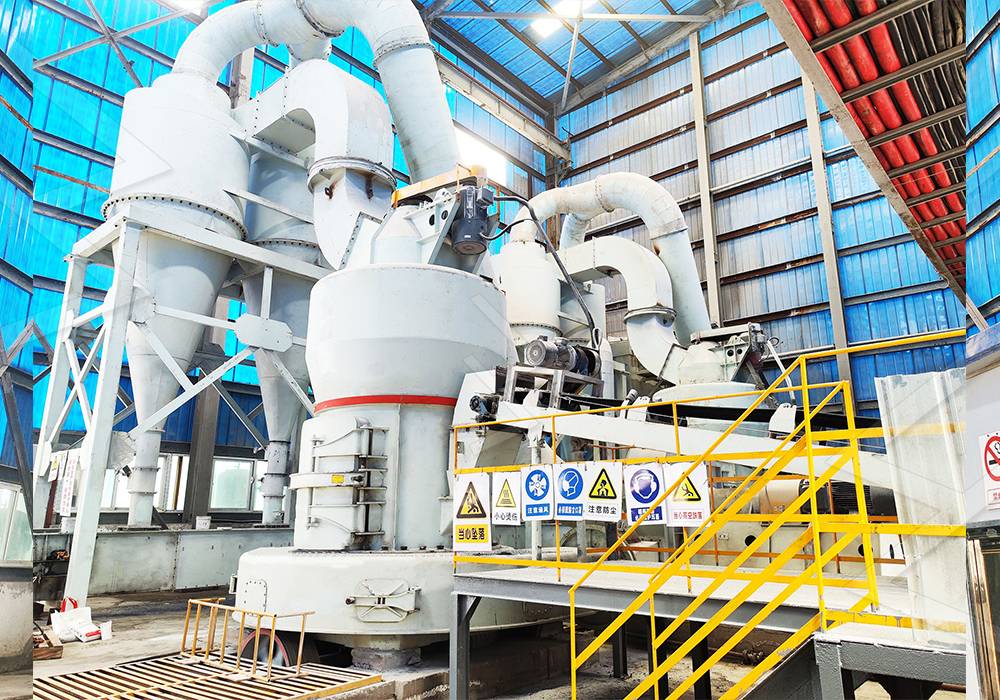
Another significant trend is the refinement of classifier technology. Advanced, multi-head cage-type powder selectors, often leveraging German engineering, are now capable of achieving unprecedented precision in particle separation. This allows for a much finer and more consistent product, with fineness adjustable between 325 and an incredible 2500 meshes, all while maintaining high sieving rates.
Spotlight on Advanced Grinding Solutions
Amidst these innovations, one product that truly embodies this new era is our MW Ultrafine Grinding Mill. This machine is a testament to where grinding technology is headed. It’s designed for customers who need to make ultra-fine powder without compromising on operational costs or environmental responsability.
With an input size of 0-20 mm and a capacity range of 0.5-25 tph, its versatility is remarkable. What sets it apart is its ingeniously designed grinding chamber, which eliminates rolling bearings and screws entirely. This patented design eradicates the common failure points of traditional mills, freeing users from worries about bearing seizures or machine damage from loose fasteners. Furthermore, its external lubricating device allows for maintenance without shutdown, supporting continuous 24/7 production—a critical advantage in today’s market.
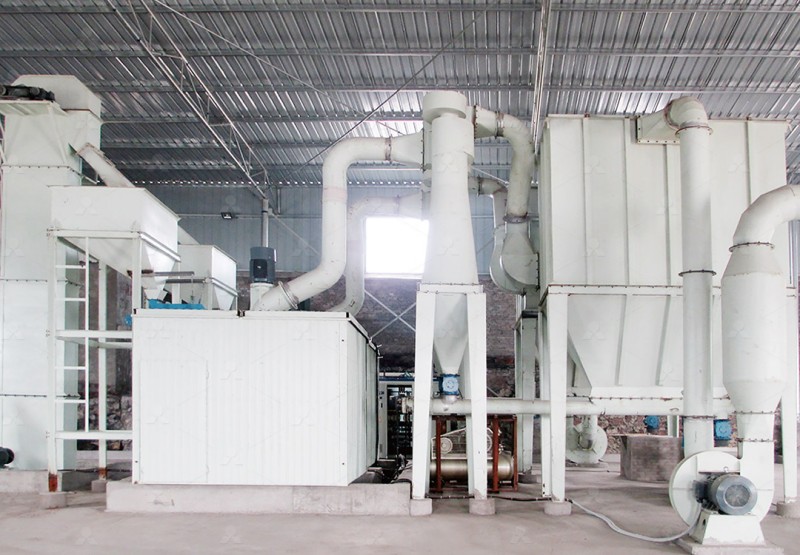
The MW Mill’s efficiency is staggering. It boasts a production capacity 40% higher than jet or stirred grinding mills at the same fineness and power, and its yield is twice that of a conventional ball grinding mill, all while consuming 30% less energy. It’s equipped with an efficient pulse dust collector and muffler, ensuring operations meet stringent environmental standards. For applications ranging from limestone and calcite to cosmetics and food additives, the MW Ultrafine Grinding Mill represents the pinnacle of modern, eco-conscious grinding technology.
The Role of Vertical Integration and Digital Precision
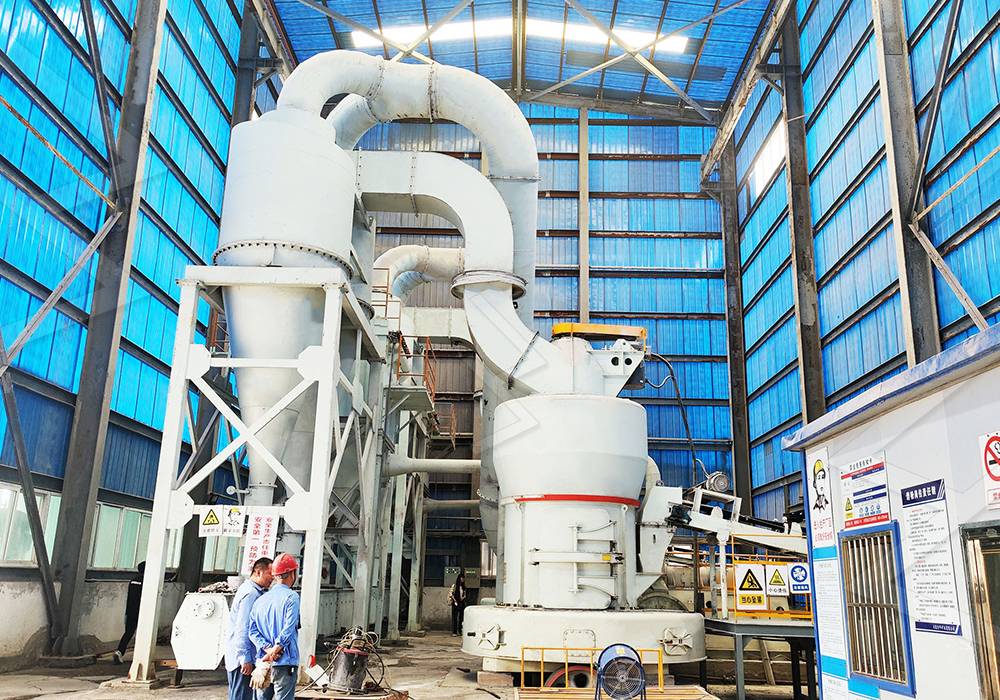
Beyond specific machine features, a broader patent trend involves the digitalization of manufacturing processes. Leading manufacturers now utilize dozens of numerical control (NC) machine tools for fabricating core components. Operations like cutting, bending, planing, and milling are controlled with high precision, ensuring every part of the mill—especially the critical grinding rollers and rings—meets exact specifications. This digital approach guarantees reliability and performance consistency that was previously unattainable.
Conclusion: The Future is Efficient and Connected
The latest patents in grinding technology clearly point towards a future of highly efficient, intelligent, and environmentally friendly mills. The focus has shifted from pure power to smart power—achieving more with less energy, less maintenance, and a smaller environmental footprint. Innovations like our MW Ultrafine Grinding Mill are not just incremental improvements; they are fundamental rethinks of grinding mechanics and operational philosophy. As we move through 2024, embracing these advanced technologies will be key for any operation seeking to remain competitive and sustainable in the global market.