
Large Ultra-fine Fluorite Grinding Mill for Industrial Powder Production
We provide a wide range of mills — including Raymond mill, trapezoidal mill, vertical mill, ultrafine mill, and ball mill, obtained ISO9001 international quality certification, EU CE certification, and Customs Union CU-TR certification. Suitable for processing minerals such as limestone, phosphate, quicklime, kaolin, talc, barite, bentonite, calcium carbonate, dolomite, coal, gypsum, clay, carbon black, slag, cement raw materials, cement clinker, and more.
The discharge range of these mills can be adjusted to meet specific processing needs, typically from 80-400 mesh, 600-3250 mesh, and can achieve the finest particle size of up to 6000 mesh(D50).
If you are looking for a reliable grinding solution to turn stone or minerals into fine powder, please feel free to contact our online customer service.
Large Ultra-fine Fluorite Grinding Mill for Industrial Powder Production
In the demanding world of industrial mineral processing, achieving consistent, high-purity ultra-fine powders is a critical challenge. Fluorite, valued for its role in metallurgy, ceramics, and chemical manufacturing, requires precise milling to unlock its full potential. Traditional grinding methods often fall short, plagued by high energy consumption, contamination risks, and inconsistent particle size distribution. This article explores the advanced engineering behind modern large-scale ultra-fine grinding solutions, focusing on performance, efficiency, and environmental stewardship.
The Precision Engineering Behind Ultra-fine Grinding
Producing fluorite powder in the 325 to 2500 mesh range demands more than brute force; it requires intelligent mechanical design. The core of any high-performance mill lies in its grinding mechanism and classification system. Advanced mills employ optimized grinding curves for rollers and rings, which significantly enhance material-bed compression and shear forces, leading to more efficient particle size reduction with less energy. Furthermore, the integration of high-precision, multi-head cage-type powder selectors is paramount. These systems allow for real-time, accurate cuts in particle size distribution, ensuring that only powder meeting the strictest fineness specifications proceeds to collection, while oversize material is efficiently returned for regrinding.
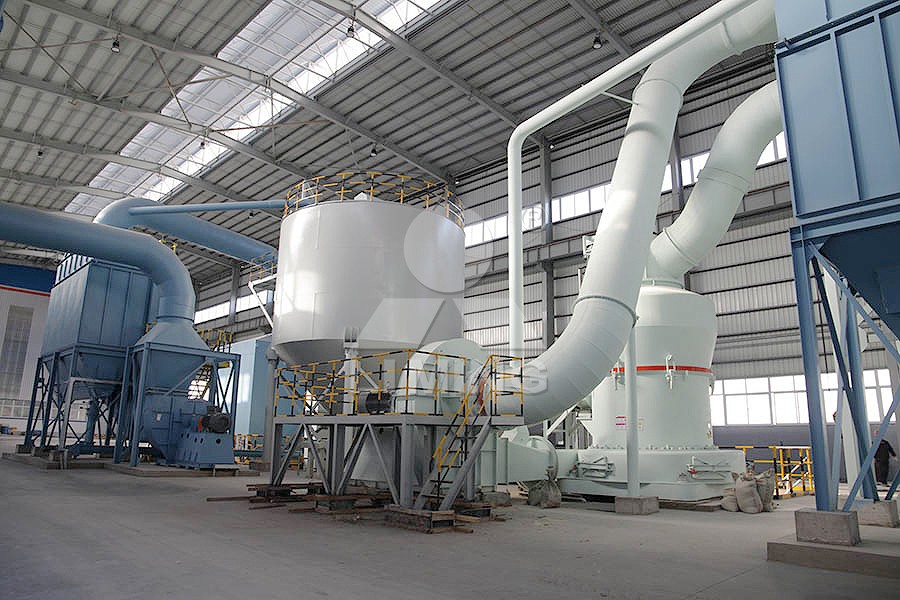
Operational stability is another cornerstone. Innovative designs eliminate rolling bearings and screws from the high-wear grinding chamber itself. This strategic move prevents catastrophic failures from bearing seizure or loose components, dramatically increasing mean time between maintenance. External lubrication systems enable servicing without shutdowns, supporting continuous 24/7 production cycles that are essential for large-scale industrial output.
Eco-Efficiency and Intelligent Operation
Modern industrial equipment must be a partner in sustainability. Leading grinding systems are now conceived as closed-loop, environmentally neutral processes. They integrate high-efficiency pulse jet dust collectors that capture over 99.9% of particulate matter, ensuring no dust escapes into the workspace or atmosphere. Combined with multi-stage silencers and sound-dampening enclosures, these mills operate at noise levels well within stringent international standards, protecting both workers and the surrounding community.
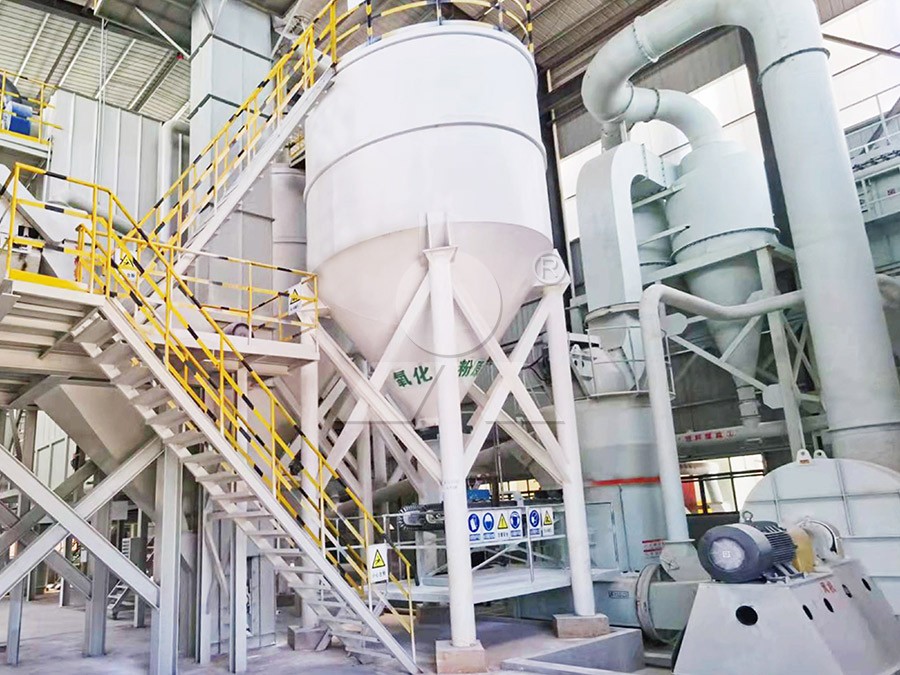
Digitalization elevates these systems from mere machines to intelligent production nodes. With PLC-based control systems, operators can digitally fine-tune grinding pressure, classifier speed, and feed rates to match exact material characteristics and product specifications. This digital precision, backed by CNC-machined core components, guarantees repeatable quality batch after batch. The result is a process that not only consumes less energy per ton of product but also minimizes waste and maximizes yield.
Recommended Solution: The MW Ultrafine Grinding Mill
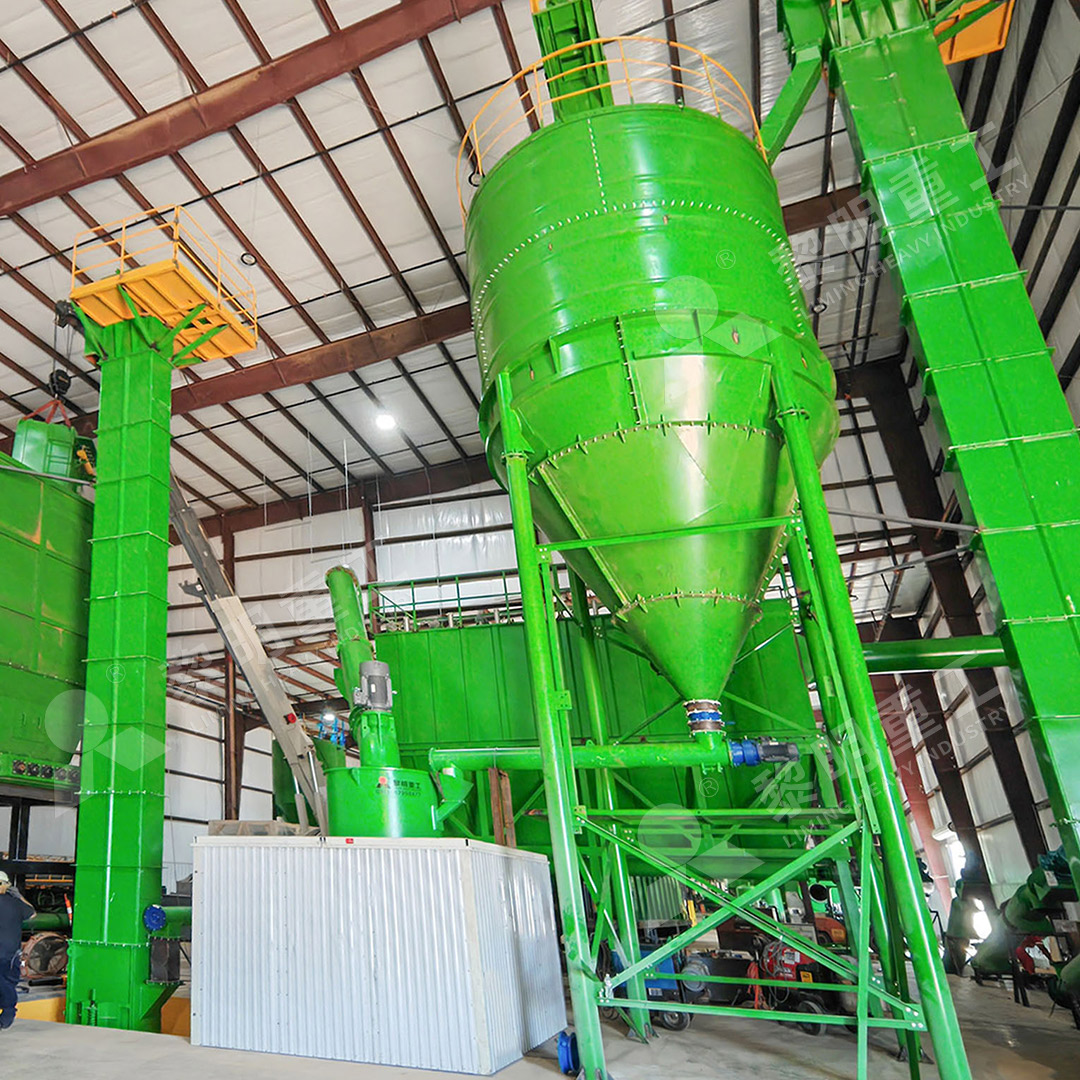
For operations targeting high-volume production of ultra-fine fluorite powder, the MW Ultrafine Grinding Mill presents a compelling solution. Engineered for customers who need to make ultra-fine powder efficiently, this machine stands out for its remarkable balance of capacity and finesse. It handles input sizes up to 20 mm and delivers a throughput ranging from 0.5 to 25 tons per hour, making it suitable for both dedicated powder production lines and large-scale processing plants.
Its design directly addresses the key challenges in ultra-fine milling. The mill boasts a production capacity approximately 40% higher than jet or stirred mills at the same power and fineness, while its system energy consumption is a mere 30% of a comparable jet mill. A key feature is its adjustable fineness, which can be precisely calibrated between 325 and 2500 meshes, with the ability to achieve a d97 ≤5μm in a single pass. The absence of rolling bearings and screws in the grinding chamber, coupled with an external lubrication system, ensures exceptional operational reliability and allows for non-stop production. Furthermore, its integrated efficient pulse dust collector and muffler system guarantees an eco-friendly process with minimal dust and noise, ensuring full compliance with national environmental protection standards.
Beyond Fluorite: A Versatile Performer
While exceptional for fluorite, the applicability of such advanced grinding technology extends far beyond. These mills are equally proficient in processing a wide array of non-metallic minerals including calcite, dolomite, barite, talc, and marble. This versatility makes them a strategic asset for companies operating in diverse sectors such as paints and coatings, plastics, cosmetics, and advanced ceramics, where the quality of the mineral filler or additive is directly linked to the performance of the final product.
The journey from raw mineral to premium powder is defined by the technology that enables it. By investing in grinding systems that prioritize precision engineering, energy efficiency, and clean operation, producers can secure a significant competitive advantage. They achieve not only superior product quality but also lower total operating costs and a sustainable production profile that meets the expectations of modern industry.
Frequently Asked Questions (FAQ)
- What is the typical particle size range achievable for fluorite with your ultra-fine mills?
Our advanced mills, like the MW series, are designed to produce powder with a fineness adjustable between 325 and 2500 meshes. For fluorite, we can consistently achieve a top cut (d97) of 5 microns or less in a single milling pass, depending on the specific configuration. - How does the energy consumption of your mills compare to traditional ball mills or jet mills?
Through optimized grinding mechanics and efficient classification, our mills offer substantial energy savings. For instance, the MW Ultrafine Grinding Mill consumes approximately 30% of the energy of a comparable jet mill and offers about twice the yield of a ball mill for the same fineness level. - What measures are in place to prevent contamination of the fluorite powder during grinding?
Contamination is minimized through several design features: the use of wear-resistant alloy materials for grinding components, the absence of lubricants in the grinding chamber (thanks to external bearing lubrication), and fully sealed negative-pressure systems that prevent ingress of external pollutants. - Can the mill system handle the drying of moist materials, or is pre-drying required?
While our ultra-fine mills like the MW are primarily for grinding, we offer integrated vertical mill solutions (such as the LM series) that combine hot air drying with grinding in a single unit. For materials with significant moisture, we recommend a pre-drying stage or selecting a mill system with integrated drying capabilities. - What is the expected maintenance schedule for the grinding rollers and classifier?
Maintenance intervals depend on material abrasiveness and operating hours. However, features like reversible roller designs and externally accessible lubrication points greatly simplify maintenance. Roller shells and classifier blades, being wear parts, may require inspection every few thousand hours, but their replacement is designed to be straightforward to minimize downtime. - Do you provide technical support and spare parts availability for large-scale, continuous operations?
Absolutely. As a manufacturer covering both production and sales, we take full responsibility for every machine. We provide comprehensive technical services, detailed operational training, and guarantee the supply of original spare parts to ensure worry-free, continuous 24/7 operation for our clients.