
Large Stone Grinding Machine for Powder Production
We provide a wide range of mills — including Raymond mill, trapezoidal mill, vertical mill, ultrafine mill, and ball mill, obtained ISO9001 international quality certification, EU CE certification, and Customs Union CU-TR certification. Suitable for processing minerals such as limestone, phosphate, quicklime, kaolin, talc, barite, bentonite, calcium carbonate, dolomite, coal, gypsum, clay, carbon black, slag, cement raw materials, cement clinker, and more.
The discharge range of these mills can be adjusted to meet specific processing needs, typically from 80-400 mesh, 600-3250 mesh, and can achieve the finest particle size of up to 6000 mesh(D50).
If you are looking for a reliable grinding solution to turn stone or minerals into fine powder, please feel free to contact our online customer service.
Large Stone Grinding Machine for Powder Production
In modern industrial processing, the transformation of raw minerals into fine powders represents a critical stage across numerous sectors. From construction materials to pharmaceuticals, the demand for precisely controlled particle sizes continues to drive innovation in grinding technology. Large stone grinding machines have evolved significantly from their primitive predecessors, now incorporating sophisticated engineering to meet the rigorous requirements of contemporary powder production.
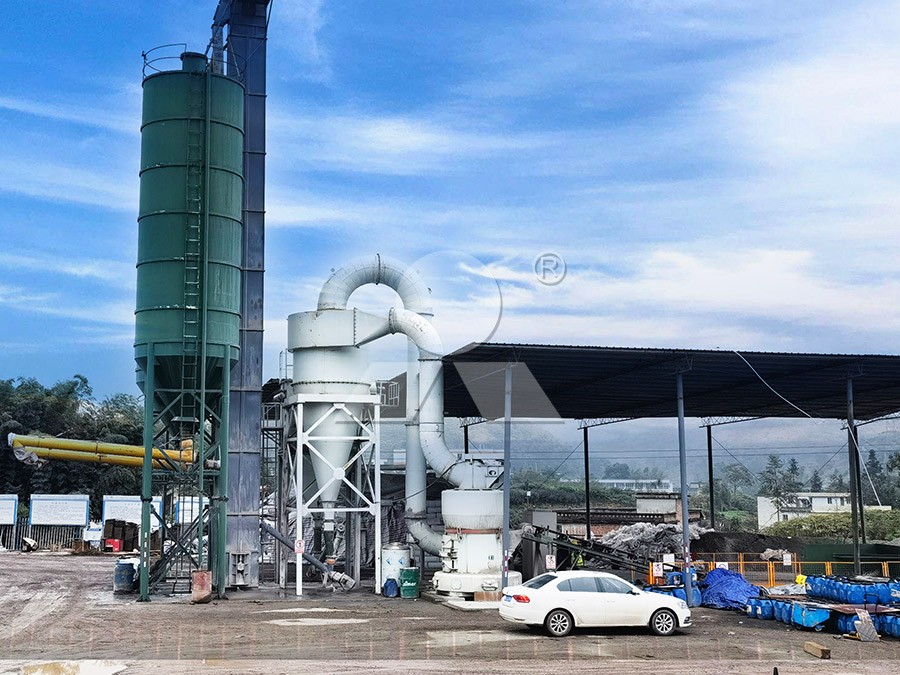
The fundamental challenge in powder production lies in achieving consistent particle size distribution while maintaining operational efficiency. Traditional grinding methods often struggle with heat generation, contamination, and uneven grinding results. Modern solutions address these concerns through advanced mechanical designs and intelligent control systems that optimize the entire grinding process.
Technical Evolution in Grinding Machinery
Contemporary grinding mills represent a significant departure from earlier designs. The integration of digital controls, precision engineering, and environmental considerations has transformed what was once a simple crushing process into a sophisticated manufacturing operation. Today’s equipment must balance production capacity with energy consumption, particle quality with throughput rates, and operational reliability with maintenance requirements.
One notable advancement comes from LIMING’s engineering team with their MW Ultrafine Grinding Mill. This machine exemplifies modern grinding technology with its input capacity of 0-20 mm and production rate of 0.5-25 tph. Designed specifically for ultra-fine powder production, this equipment addresses common industry challenges through innovative features that enhance both performance and sustainability.
Key Considerations in Mill Selection
When evaluating grinding equipment for powder production, several factors demand careful consideration. The material characteristics—including hardness, moisture content, and abrasiveness—directly influence machine selection. Similarly, the required final particle size distribution determines whether standard grinding equipment will suffice or if specialized ultra-fine milling technology becomes necessary.
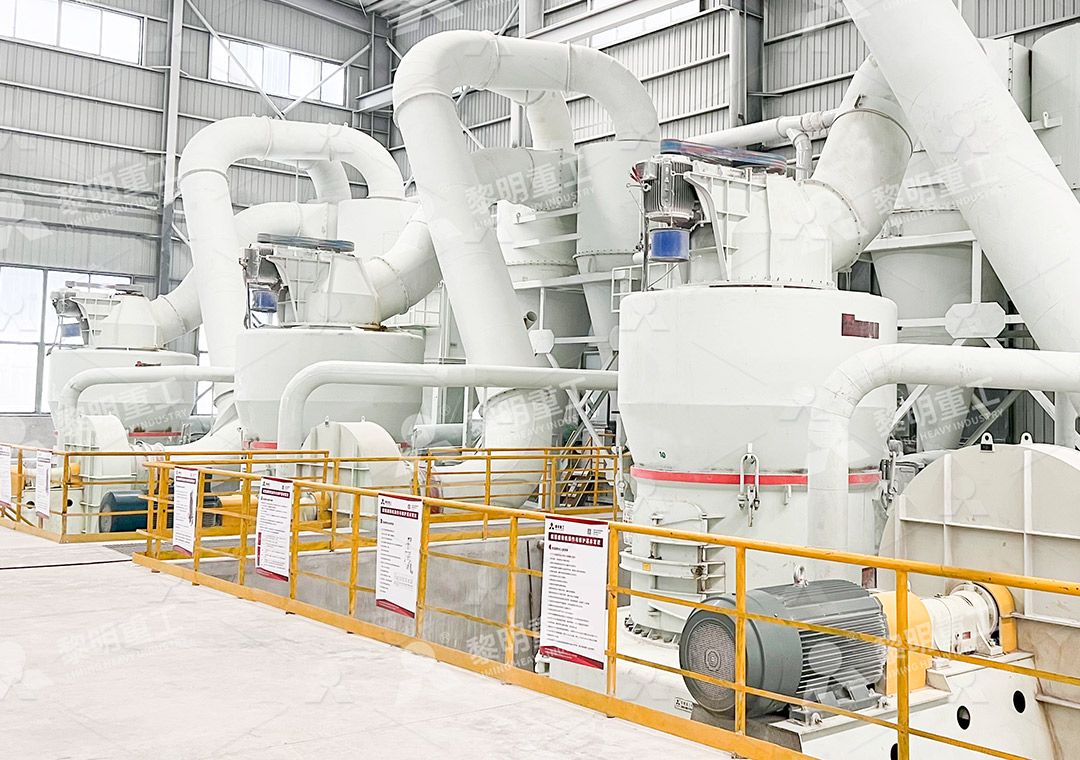
The MW Ultrafine Grinding Mill stands out particularly for operations requiring fineness between 325-2500 meshes. Its cage-type powder selector incorporates German technology that significantly enhances separation precision. The absence of rolling bearings and screws within the grinding chamber eliminates common failure points, while the external lubrication system enables continuous 24-hour operation without shutdowns for maintenance.
Environmental and Operational Efficiency
Modern industrial operations face increasing pressure to minimize their environmental footprint while maintaining profitability. Grinding mills contribute to this balance through reduced energy consumption and effective pollution control systems. The integration of pulse dust collectors and noise reduction technologies represents standard practice in contemporary equipment design.
The environmental advantages of the MW Ultrafine Grinding Mill extend beyond regulatory compliance. Its efficient pulse dust collector ensures no dust pollution occurs during operation, while silencers and noise elimination rooms maintain workplace comfort. These features combine to create a production environment that aligns fully with national environmental protection standards without compromising operational performance.
Applications Across Industries
The versatility of modern grinding equipment enables its use across diverse sectors. From processing limestone, calcite, and dolomite for construction materials to handling petroleum coal, gypsum, and barite for industrial applications, the right grinding mill serves as the cornerstone of efficient powder production. Specialized applications in cosmetics, pharmaceuticals, and food additives demand even greater precision and contamination control.
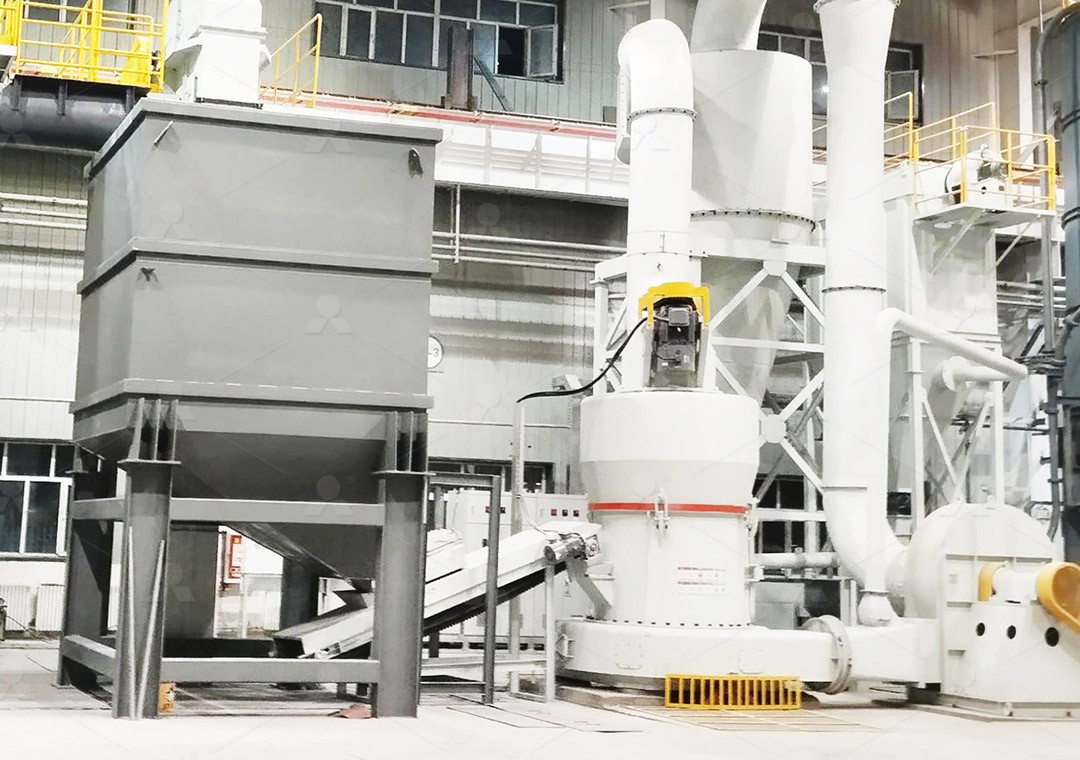
For operations requiring vertical grinding solutions, the LUM Ultrafine Vertical Grinding Mill offers complementary capabilities with its 0-10 mm input size and 5-18 tph capacity. This mill integrates ultrafine powder grinding, grading, and transporting in a single system, representing another sophisticated option for demanding powder production requirements.
Working Principle in Practice
Understanding the operational methodology of grinding equipment provides insight into its performance characteristics. In the MW Ultrafine Grinding Mill, the motor drives the main shaft and turnplates through a reducer, which then drives multiple rollers to rotate against the race way of the ring. Material is fed to the central part of the upper turnplate and falls under centrifugal force to be crushed into powder against the ring’s raceway.
This multi-stage grinding process continues through subsequent turnplates, with the blower carrying the final powder into the separator. The turbine within the separator separates coarse powder for regrinding while directing fine powder to the cyclone collector. This systematic approach ensures consistent particle size distribution while maximizing production efficiency.
Frequently Asked Questions
What maintenance requirements should I expect with large grinding mills?
Modern designs significantly reduce maintenance demands. The MW Ultrafine Grinding Mill, for instance, eliminates rolling bearings and screws within the grinding chamber, removing common failure points. External lubrication systems enable maintenance without production stoppages.
How does fineness control work in contemporary grinding equipment?
Advanced powder selection systems, like the German-engineered cage-type selector in the MW Ultrafine Grinding Mill, provide precise control over particle size. Adjustable between 325-2500 meshes, these systems achieve screening rates of d97≤5μm in a single pass.
What environmental considerations are addressed in modern grinding mills?
Contemporary equipment incorporates multiple environmental protections. Efficient pulse dust collectors prevent particulate emissions, while silencers and noise elimination rooms reduce acoustic impact. The MW Ultrafine Grinding Mill operates fully compliant with national environmental standards.
How does energy consumption compare between different grinding technologies?
Innovative designs achieve significant energy savings. The MW Ultrafine Grinding Mill consumes only 30% of the energy required by jet grinding mills while delivering 40% higher production capacity compared to jet and stirred grinding mills.
What materials can be processed using large stone grinding machines?
Modern grinding equipment handles diverse materials including limestone, calcite, dolomite, petroleum coal, gypsum, barite, marble, talc, and various industrial minerals. Specific models may have specialized applications in chemicals, paints, cosmetics, and food additives.