
Large Raymond Mill: New Industrial Grinding Equipment for High-Capacity Powder Production
We provide a wide range of mills — including Raymond mill, trapezoidal mill, vertical mill, ultrafine mill, and ball mill, obtained ISO9001 international quality certification, EU CE certification, and Customs Union CU-TR certification. Suitable for processing minerals such as limestone, phosphate, quicklime, kaolin, talc, barite, bentonite, calcium carbonate, dolomite, coal, gypsum, clay, carbon black, slag, cement raw materials, cement clinker, and more.
The discharge range of these mills can be adjusted to meet specific processing needs, typically from 80-400 mesh, 600-3250 mesh, and can achieve the finest particle size of up to 6000 mesh(D50).
If you are looking for a reliable grinding solution to turn stone or minerals into fine powder, please feel free to contact our online customer service.
Large Raymond Mill: New Industrial Grinding Equipment for High-Capacity Powder Production
The industrial powder production landscape is undergoing a significant transformation as manufacturers seek more efficient, high-capacity grinding solutions. Traditional grinding equipment often struggles to meet the dual demands of increased production volumes and stringent quality requirements. In response to these challenges, advanced large Raymond mill systems have emerged as game-changing technology for various industries requiring precise powder processing.
Evolution of Grinding Technology
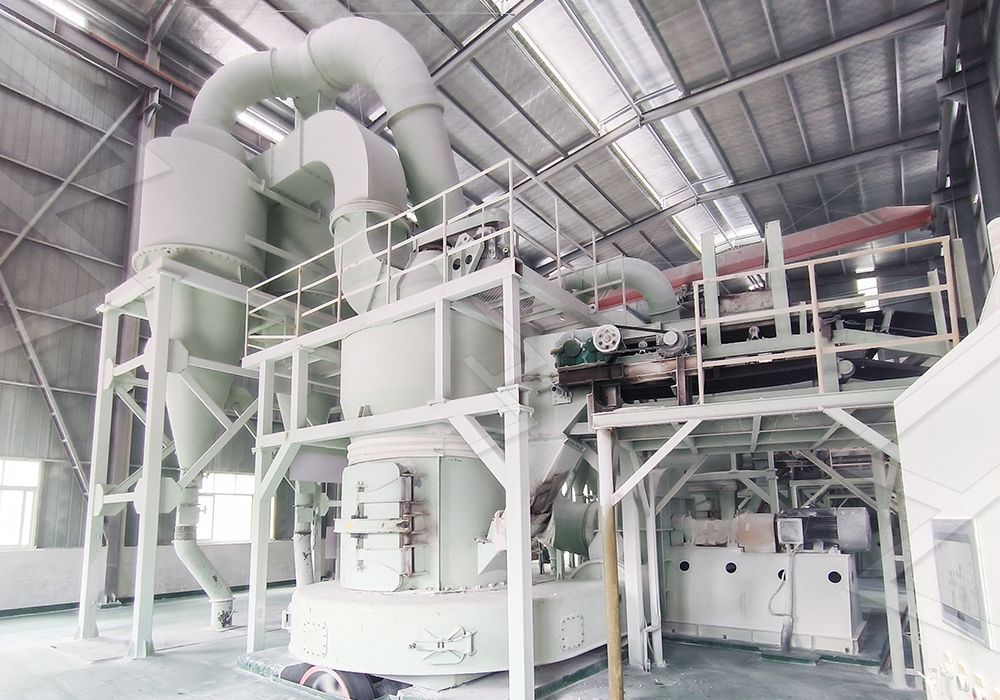
Raymond mill technology has come a long way since its initial development. Modern iterations represent a sophisticated evolution from their predecessors, incorporating advanced engineering principles and digital control systems. Today’s large Raymond mills feature enhanced grinding curves, improved powder separation mechanisms, and intelligent operational controls that collectively deliver superior performance compared to conventional grinding systems.
The fundamental working principle remains elegantly efficient: materials are fed into the grinding chamber where rotating rollers compress against a stationary ring, creating the necessary grinding force. However, contemporary designs have optimized every aspect of this process, resulting in significantly higher throughput capacities while maintaining consistent particle size distribution.
Key Performance Advantages
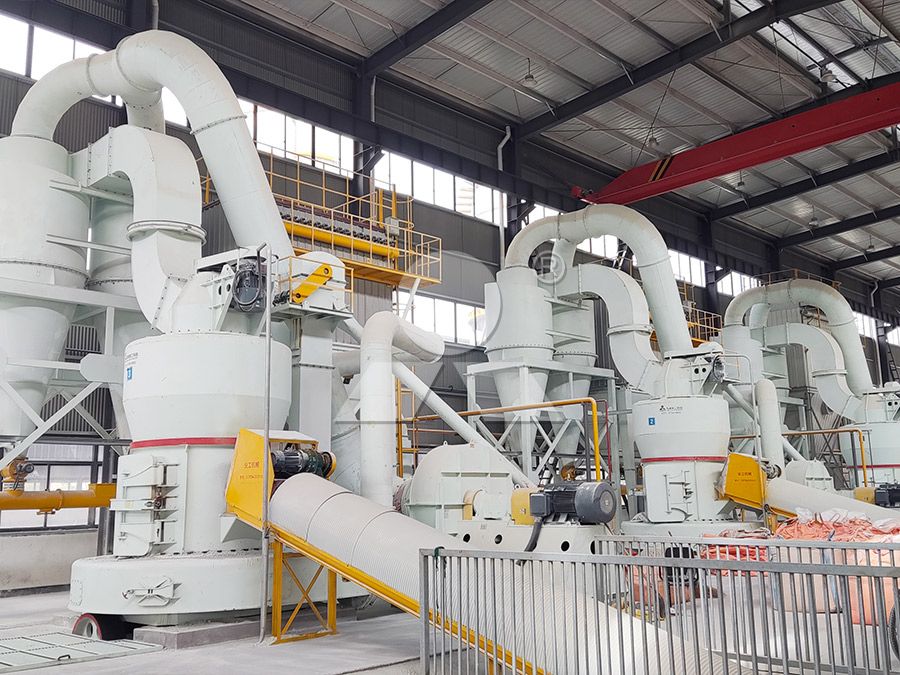
Modern large Raymond mill systems offer several distinct advantages that make them particularly suitable for high-volume production environments. Their enhanced grinding efficiency translates directly to lower energy consumption per ton of processed material. Advanced powder separation technology ensures precise control over final product fineness, typically ranging from 325 to 2500 meshes depending on specific model configurations.
Operational reliability represents another critical advantage. Many contemporary designs eliminate rolling bearings and screws within the grinding chamber, substantially reducing maintenance requirements and potential failure points. External lubrication systems enable continuous operation without shutdowns for maintenance, supporting 24-hour production schedules that maximize equipment utilization.
Environmental and Operational Considerations
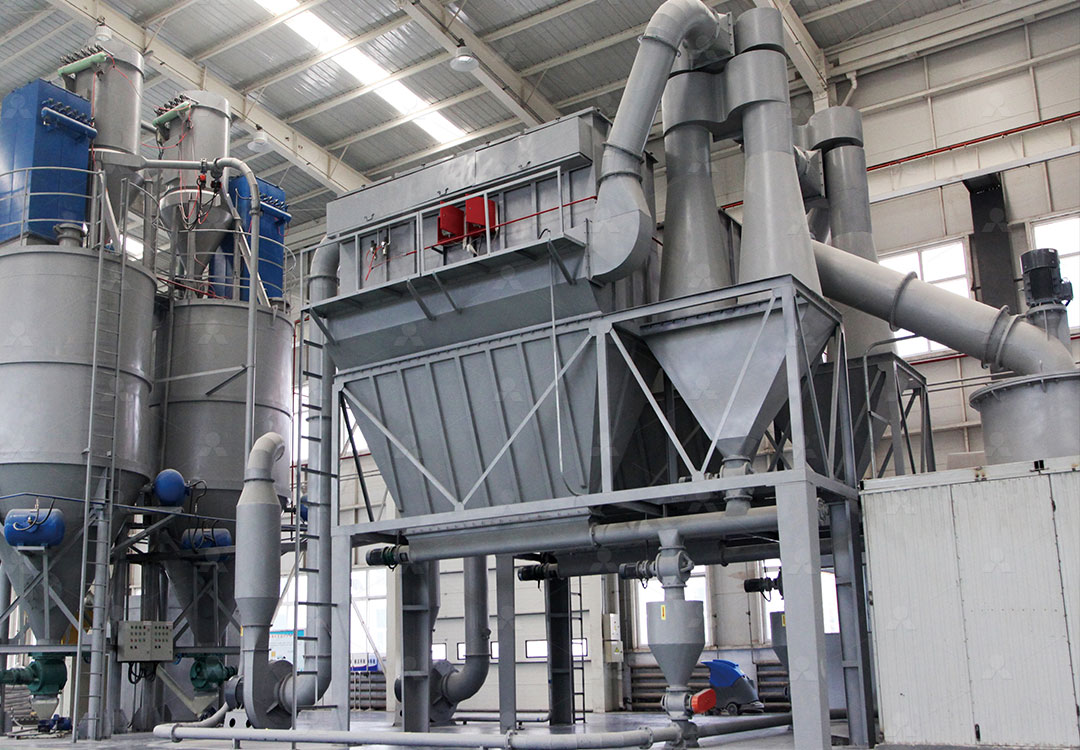
Environmental compliance has become increasingly important in industrial operations. Modern grinding mills address this concern through integrated pulse dust collection systems that effectively contain particulate matter throughout the grinding process. Combined with noise reduction technologies including silencers and dedicated noise elimination rooms, these systems operate well within regulatory requirements for emissions and workplace noise levels.
The digital revolution has also reached grinding technology. Numerical control systems now manage critical manufacturing processes for mill components, ensuring exceptional precision in core parts. This digitalization extends to operational controls, with programmable logic controllers (PLC) enabling precise adjustment of grinding pressure, rotational speed, and other key parameters to optimize performance for specific materials.
Specialized Applications and Material Compatibility
Large Raymond mill systems demonstrate remarkable versatility across numerous industrial sectors. They effectively process diverse materials including limestone, calcite, dolomite, petroleum coal, gypsum, barite, marble, talc, and various chemical compounds. This broad compatibility makes them suitable for applications ranging from construction materials to pharmaceuticals, food additives, and cosmetics.
For operations requiring even finer powder specifications, we particularly recommend our MW Ultrafine Grinding Mill. This advanced system handles input sizes up to 20 mm with capacity ranging from 0.5 to 25 tons per hour. Its innovative design features higher yielding capacity with lower energy consumption compared to conventional mills, achieving production rates 40% higher than jet grinding mills and double that of ball grinding mills while using only 30% of the energy consumed by jet milling systems.
Future Outlook and Technological Trends
The trajectory of grinding technology continues toward greater efficiency, automation, and specialization. We anticipate further integration of IoT capabilities for predictive maintenance and remote operational monitoring. Energy efficiency will remain a primary focus, with new designs targeting even lower power consumption while maintaining or increasing throughput capacities.
Another emerging trend involves customized solutions for specific material types and production requirements. Rather than one-size-fits-all approaches, manufacturers increasingly seek grinding systems optimized for their particular raw materials and finished product specifications. This specialization drives innovation in grinding geometry, material science for wear parts, and control system sophistication.
As industry demands continue to evolve, large Raymond mill technology will undoubtedly advance accordingly, maintaining its position as a cornerstone of industrial powder production across multiple sectors.
Frequently Asked Questions
What is the typical lifespan of a large Raymond mill system?
With proper maintenance and operation, our large Raymond mill systems typically provide 15-20 years of reliable service. Critical wear components like grinding rollers and rings are manufactured from specialized alloys that significantly extend service life compared to conventional materials.
How does the MW Ultrafine Grinding Mill achieve higher efficiency?
The MW Ultrafine Grinding Mill incorporates newly designed grinding curves of the grinding roller and ring that enhance grinding efficiency. Additionally, its cage-type powder selector technology enables precise separation while the elimination of rolling bearings and screws in the grinding chamber reduces maintenance requirements and potential failure points.
What materials can be processed using these grinding systems?
Our grinding mills handle a wide range of materials including limestone, calcite, dolomite, petroleum coal, gypsum, barite, marble, talc, coal powder, and various chemical compounds. Specific compatibility depends on the mill model and configuration.
How is dust control managed during operation?
All our modern grinding mills feature efficient pulse dust collectors that effectively contain particulate matter. The entire milling system operates without dust pollution, and additional silencers and noise elimination rooms ensure compliance with environmental standards.
What fineness range can be achieved with these systems?
Depending on the specific model, our grinding mills can produce powders ranging from 325 to 2500 meshes. The MW Ultrafine Grinding Mill specifically can achieve screening rates of d97≤5μm in a single pass.
How does the energy consumption compare to traditional grinding mills?
Our advanced grinding systems typically consume 30-50% less energy than conventional mills while providing higher throughput. The MW Ultrafine Grinding Mill specifically uses only 30% of the energy consumed by jet grinding mills for equivalent output.
What support is available for spare parts and maintenance?
We maintain comprehensive inventory of original spare parts and provide technical support services to ensure worry-free operation. Our responsibility covers every machine we produce, with services available globally.