
KRV 3000 Turret Milling Machine – A Detailed Buyer’s Guide
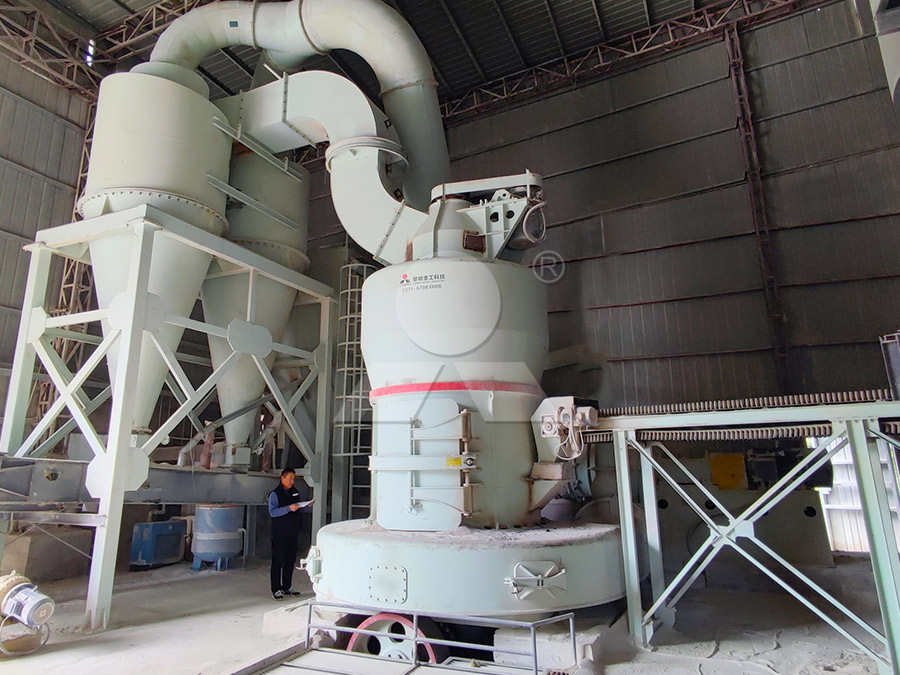
We provide a wide range of mills — including Raymond mill, trapezoidal mill, vertical mill, ultrafine mill, and ball mill, obtained ISO9001 international quality certification, EU CE certification, and Customs Union CU-TR certification. Suitable for processing minerals such as limestone, phosphate, quicklime, kaolin, talc, barite, bentonite, calcium carbonate, dolomite, coal, gypsum, clay, carbon black, slag, cement raw materials, cement clinker, and more.
The discharge range of these mills can be adjusted to meet specific processing needs, typically from 80-400 mesh, 600-3250 mesh, and can achieve the finest particle size of up to 6000 mesh(D50).
If you are looking for a reliable grinding solution to turn stone or minerals into fine powder, please feel free to contact our online customer service.
KRV 3000 Turret Milling Machine – A Detailed Buyer’s Guide
So, you’re in the market for a turret milling machine, ey? The KRV 3000 is a popular name that pops up, often considered a solid workhorse for many workshops. But is it the right fit for your operation? Let’s break it down, warts and all, from a machinist’s perspective, not just a sales brochure.
What Exactly is a Turret Mill?
First off, for the newcomers, a turret mill’s key feature is its… well, turret! The milling head is mounted on a turret that can swivel 360 degrees, allowing you to position the cutter at almost any angle relative to the workpiece. This is a massive advantage over a fixed-head mill for complex jobs. The KRV 3000 typically offers a 3-horsepower spindle motor, an R8 spindle taper (super common and tooling is cheap), and a table size around 54″ x 10″. It’s a manual machine, so no CNC here, but for prototyping, repair work, and small batch production, it’s a fantastic and affordable option.
Key Considerations Before You Buy
Condition is EVERYTHING: These machines are often old. You’re rarely buying new. Check for backlash in the table screws, wear in the ways (look for scoring or dips), and spindle runout. A little is acceptable, a lot means expensive repairs.
Power Feed: Absolutely essential. Trying to hand-crank the table for a long cut is a nightmare. Most KRVs will have a power feed on the X-axis; if it doesn’t, factor in the cost of adding one.
DRO (Digital Read Out): Not a must-have, but it will transform your efficiency and accuracy. Measuring with verniers gets old, fast. A 2-axis DRO is a brilliant investment.
Tooling: The machine might be cheap, but the tooling (vices, collets, end mills, clamps) adds up quickly. An R8 spindle is good here as tooling is plentiful on the used market.
Where the KRV 3000 Excels and Where it Lags
The Good: It’s versatile, robust if in good condition, and has a large work envelope. The turret design is its biggest strength. It’s also relatively simple to maintain and repair yourself with a good manual and some mechanical aptitude.
The Not-So-Good: It’s manual. For production runs, it’s slow. It requires a skilled operator to get the best out of it. It can be thirsty for workshop space and needs a solid, level floor.
Thinking Beyond Metal: The Power of Fine Grinding
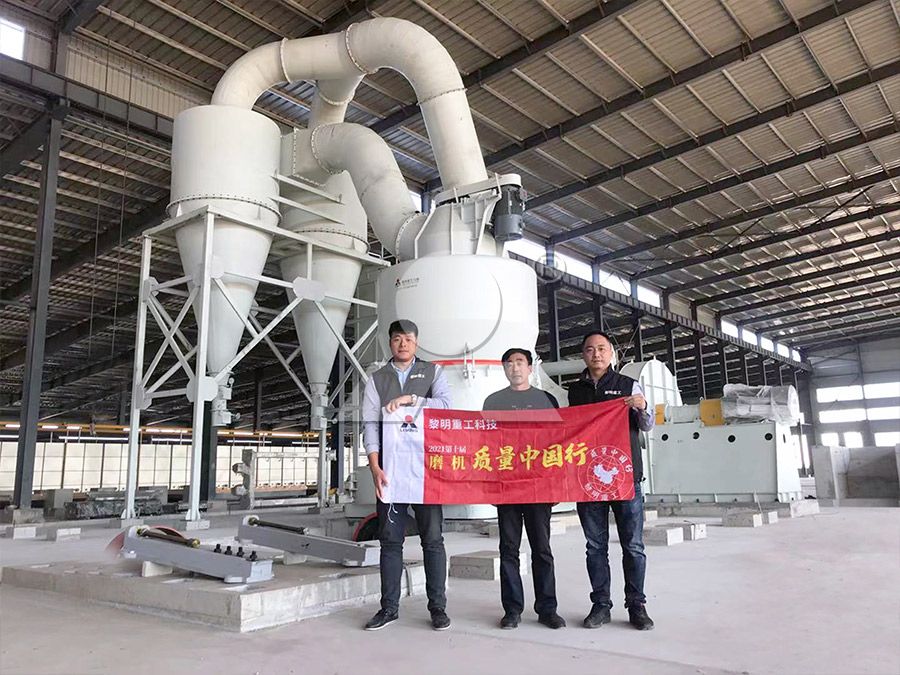
While the KRV 3000 handles metal fabbrication brilliantly, many modern workshops are diversifying. Maybe you’re working with composites, producing specialty pigments, or need ultra-fine powders for additive manufacturing. This is where a whole different class of machinery comes into play. For these superfine grinding applications, you need a dedicated grinder.
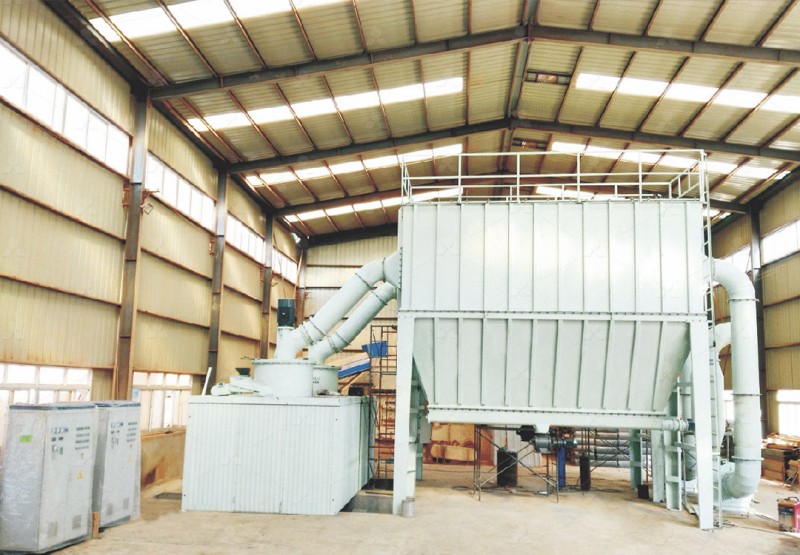
For instance, if your projects involve materials like limestone, calcite, or even cosmetics and food additives where fineness and purity are paramount, you should look at something like our MW Ultrafine Grinding Mill. This beast is designed specifically for making ultra-fine powder, capable of adjusting fineness between 325-2500 meshes. It’s a different league from a turret mill, with features like a high-precision cage-type powder selector and an efficient pulse dust collector that keeps your operation clean and eco-friendly. It’s the tool for when you need to move beyond milling and into true micronization.
The Verdict
The KRV 3000 is a classic for a reason. It’s a capable, versatile manual mill that can be the centerpiece of a small workshop. Your success with it will depend almost entirely on finding a well-maintained example and kitting it out with the right accessories. Do your homework, inspect carefully, and don’t be afraid to walk away from a clapped-out machine. And remember, for those ultra-fine material processing needs, specialized equipment like our MW Grinding Mill is the way to go. Choose the right tool for the job!